

Is your car acting up or struggling to run smoothly? One common cause could be a clogged fuel filter.
Knowing how to replace the fuel filter yourself can save you time and money, and keep your engine running strong. You’ll discover simple, step-by-step instructions that anyone can follow. By the end, you’ll feel confident tackling this important maintenance task on your own.
Keep reading to learn how to give your car the care it deserves.
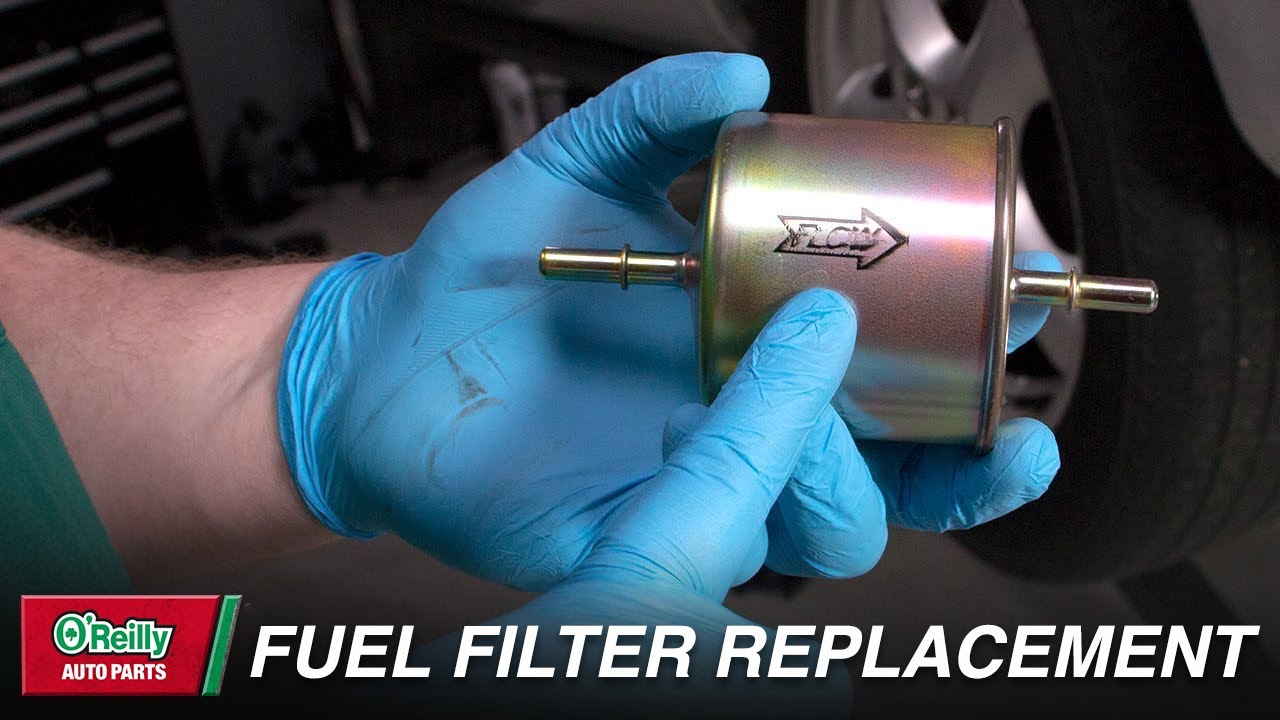
Credit: www.youtube.com
Signs Of A Clogged Fuel Filter
Replacing the fuel filter requires specific tools and materials. Having the right items makes the job easier and safer. Prepare all tools before starting the task. This section lists the essentials you need.
Essential Tools
Start with a set of wrenches or sockets to remove fuel line fittings. A screwdriver helps to loosen clamps or brackets. Use pliers to handle clips or hose clamps carefully. A container to catch fuel spills is also important.
Safety Gear
Wear safety glasses to protect your eyes from fuel splashes. Gloves keep your hands safe from chemicals and sharp parts. Work in a well-ventilated area to avoid inhaling fumes. Keep a fire extinguisher nearby for emergencies.
Replacement Fuel Filter
Choose the correct fuel filter for your vehicle model. Check the part number to ensure a perfect fit. New filters usually come with mounting brackets and seals. Inspect the package for any damage before installation.
Credit: www.autozone.com
Tools And Materials Needed
Preparing your vehicle for a fuel filter replacement is a key step. It makes the process safer and easier. Proper preparation helps avoid damage and injury. Follow these steps carefully before starting the work.
Locating The Fuel Filter
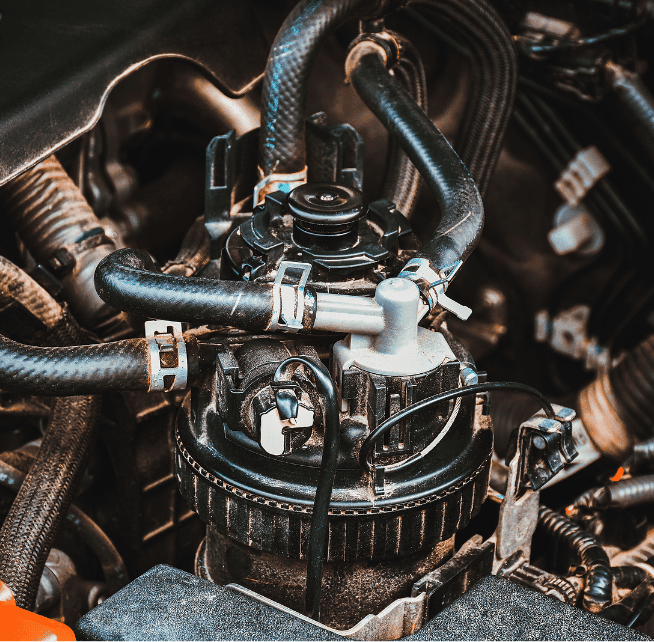
Find the fuel filter before removing it. It is usually near the fuel tank or engine. Some cars have it under the hood, others near the fuel line underneath. Check your vehicle’s manual for the exact spot. Knowing the location saves time and trouble.
Relieving Fuel System Pressure
Fuel systems are pressurized and can spray fuel when opened. This is dangerous and messy. Release the pressure first. Disconnect the fuel pump fuse or relay. Start the engine and let it run until it stops. This empties fuel from the lines safely.
Ensuring Safety Precautions
Safety is very important. Work in a well-ventilated area. Keep away from flames or sparks. Wear gloves and eye protection. Have a fire extinguisher nearby. Clean up any fuel spills immediately. Take your time and stay cautious.
Preparing Your Vehicle
Removing the old fuel filter is a key step in replacing it. This process ensures your vehicle runs smoothly and avoids fuel flow problems. It requires care and attention to avoid spills and damage. Follow these steps carefully to remove the old fuel filter safely.
Disconnecting Fuel Lines
Start by relieving pressure in the fuel system. Use a wrench to loosen the fuel lines connected to the filter. Carefully pull the lines off the filter fittings. Wear safety glasses to protect your eyes from fuel sprays. Keep a rag nearby to catch any drips.
Removing Mounting Brackets
Locate the mounting brackets holding the fuel filter in place. Use a screwdriver or socket wrench to remove the screws or bolts. Hold the filter steady while loosening the brackets. Remove the filter gently to avoid bending or breaking it.
Handling Fuel Spills
Fuel spills can happen during removal. Place a container or cloth under the filter to catch drips. Clean any spilled fuel immediately with a rag. Avoid open flames or sparks near spilled fuel. Dispose of rags and fuel safely to protect the environment.
Removing The Old Fuel Filter
Installing the new fuel filter is a key step in keeping your engine running smoothly. It ensures clean fuel flows through the system. Proper installation prevents leaks and engine problems.
Follow these steps carefully to install the filter correctly. Take your time to avoid mistakes. A well-installed filter will last longer and work better.
Positioning The Filter Correctly
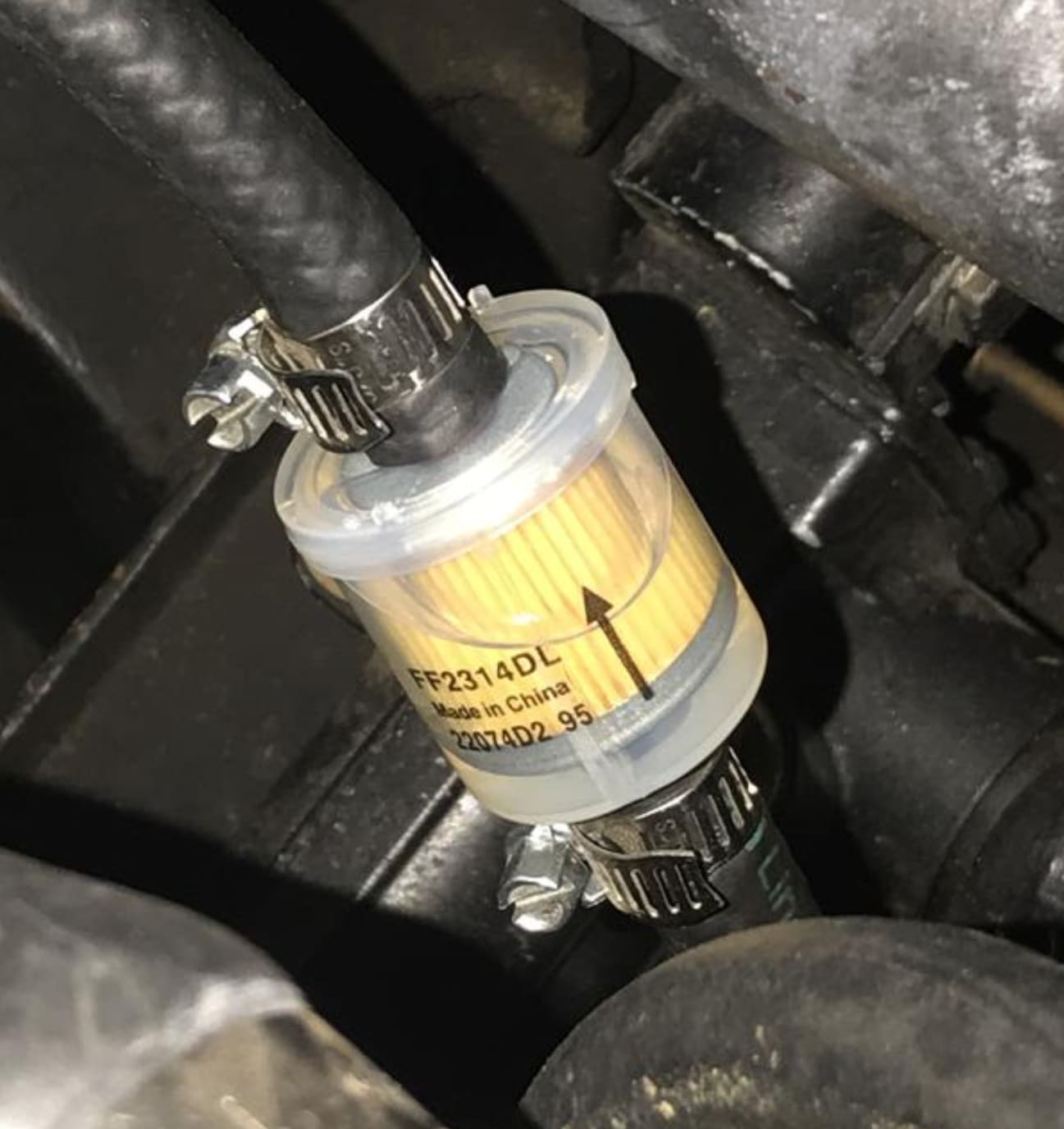
Place the new fuel filter in the same position as the old one. Check the arrow on the filter body. The arrow shows the fuel flow direction. Make sure the arrow points toward the engine. This ensures fuel flows properly through the filter.
Reconnecting Fuel Lines
Attach the fuel lines to the filter’s inlet and outlet. Push the lines firmly onto the filter fittings. Use new clamps if available. Tighten the clamps to prevent leaks. Avoid bending or twisting the fuel lines. Secure lines straight for steady fuel flow.
Securing The Filter
Fasten the filter using the original mounting bracket or clip. The filter should not move or shake. Tighten any screws or bolts holding the filter. Double-check the filter is stable. A loose filter can cause fuel leaks and damage.
Installing The New Fuel Filter
Testing after replacing the fuel filter is important to ensure your vehicle runs smoothly. It helps confirm that the new filter works well and there are no problems. This step keeps your engine safe and improves fuel flow.
Checking For Leaks
Look around the fuel filter for any wet spots or fuel drips. Tighten the connections if you see leaks. Fuel leaks can cause dangerous situations and reduce engine performance. Make sure everything is dry before moving on.
Starting The Engine
Turn the key to start the engine and listen carefully. The engine should start quickly without hesitation or strange noises. If it struggles or stalls, the filter may not be installed correctly. Try restarting a few times to check for smooth operation.
Monitoring Performance
Drive your vehicle for a short distance and pay attention to how it runs. The engine should feel smooth and responsive. Watch for any jerking or loss of power. Good performance means the fuel filter is working well and fuel flow is steady.
Credit: branchautomotive.com
Testing After Replacement
Proper maintenance keeps your fuel system running smoothly. It helps avoid costly repairs and improves car performance. Focus on key habits to extend your fuel filter’s life.
Regular Filter Replacement Schedule
Change the fuel filter at the recommended intervals. Check your car’s manual for the exact timing. Usually, it is every 20,000 to 40,000 miles. Sticking to this schedule stops dirt from clogging the filter. A clean filter protects the engine and improves fuel flow.
Using Quality Fuel
Always use good quality fuel from trusted stations. Poor fuel contains dirt and water that can damage the filter. Clean fuel reduces the risk of blockages. This simple step helps keep the filter and engine healthy longer.
Signs To Watch For Future Issues
Pay attention to how your car runs. Notice any slow starts, rough idling, or stalling. These can be early signs of a clogged fuel filter. Strange engine noises or reduced power also warn of problems. Catching issues early saves time and money.
Frequently Asked Questions
How Often Should I Replace The Fuel Filter?
Fuel filters generally need replacement every 20,000 to 40,000 miles. Check your vehicle’s manual for exact intervals. Regular replacement ensures clean fuel flow and prevents engine issues.
What Tools Are Needed To Replace A Fuel Filter?
You’ll typically need a wrench, screwdrivers, and safety gloves. Some vehicles may require special fuel line disconnect tools. Always follow your car’s specific instructions for safety.
Can I Replace The Fuel Filter Myself Safely?
Yes, with proper tools and safety precautions, you can replace it. Always relieve fuel system pressure and work in a well-ventilated area. Follow step-by-step instructions carefully to avoid accidents.
What Are Signs Of A Clogged Fuel Filter?
Engine sputtering, poor acceleration, and difficulty starting often indicate clogging. Reduced fuel efficiency and engine misfires can also be signs. Replacing the fuel filter usually resolves these problems.
Conclusion
Replacing the fuel filter keeps your engine running smooth. Clean fuel helps your car work better and last longer. Take your time and follow each step carefully. This simple task saves money on repairs later. Regular checks prevent dirt from clogging the fuel system.
A clean filter means better fuel flow and power. Now, you can handle this job with confidence. Keep your car healthy and enjoy a smoother ride.


