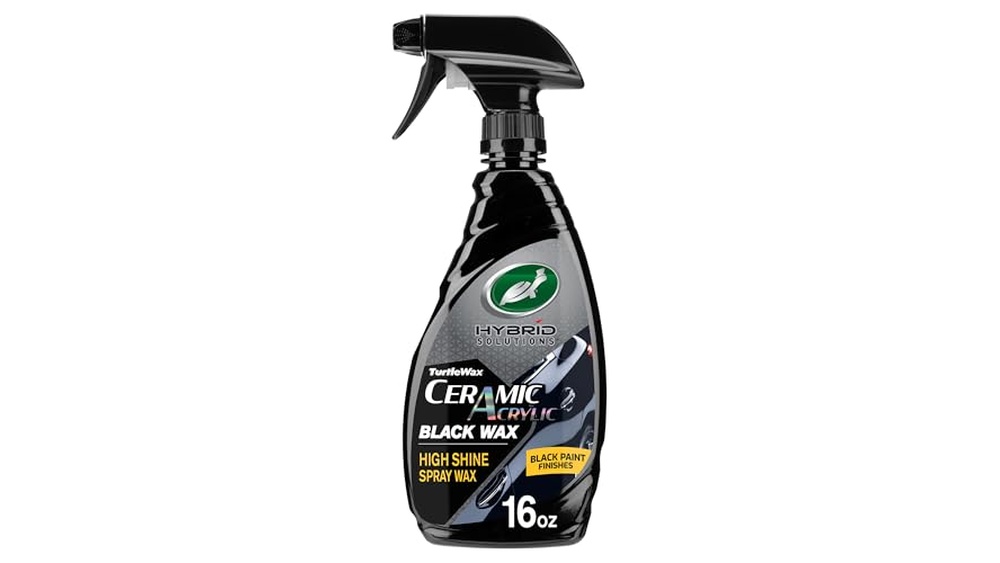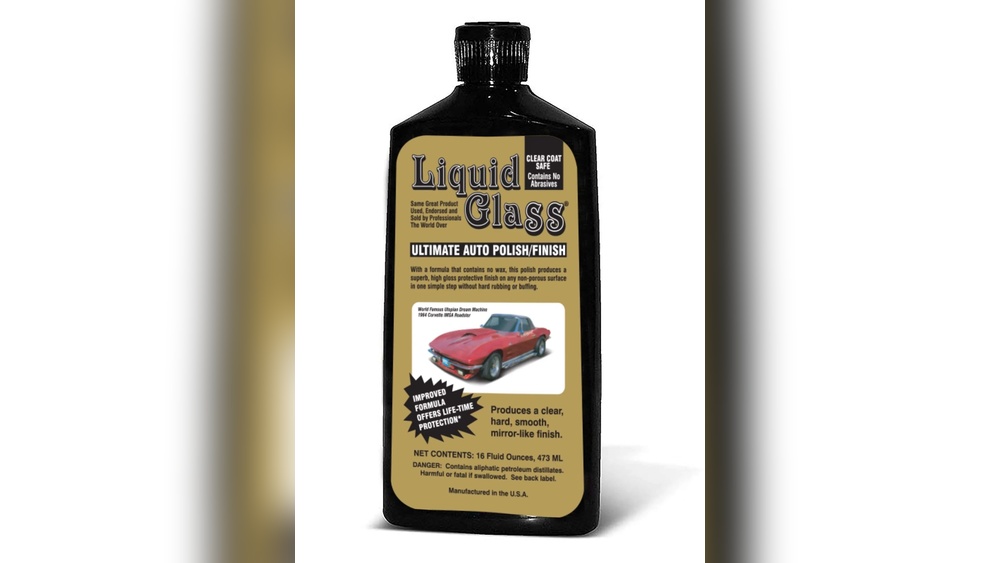
You want your car to look its best and stay protected from the elements. Applying a coat of wax is a simple way to achieve that shiny, fresh-from-the-shop finish.
But how long will that coat of wax actually last on your car? Knowing this can save you time, money, and frustration. You’ll discover what affects wax durability and how to keep your car looking great longer. Keep reading to find out exactly how to make your wax work harder for you.

Credit: erapaints.com
Factors Affecting Wax Longevity
The longevity of a car wax coat depends on several important factors. These factors affect how long the wax stays effective and keeps the car shiny. Understanding these points helps you get the best results from waxing your car.
Type Of Wax Used
Different waxes last for different times. Natural waxes like carnauba offer a deep shine but wear off faster. Synthetic waxes last longer and protect better against weather. Some waxes combine both types for balance. Choosing the right wax affects how long the shine stays.
Application Techniques
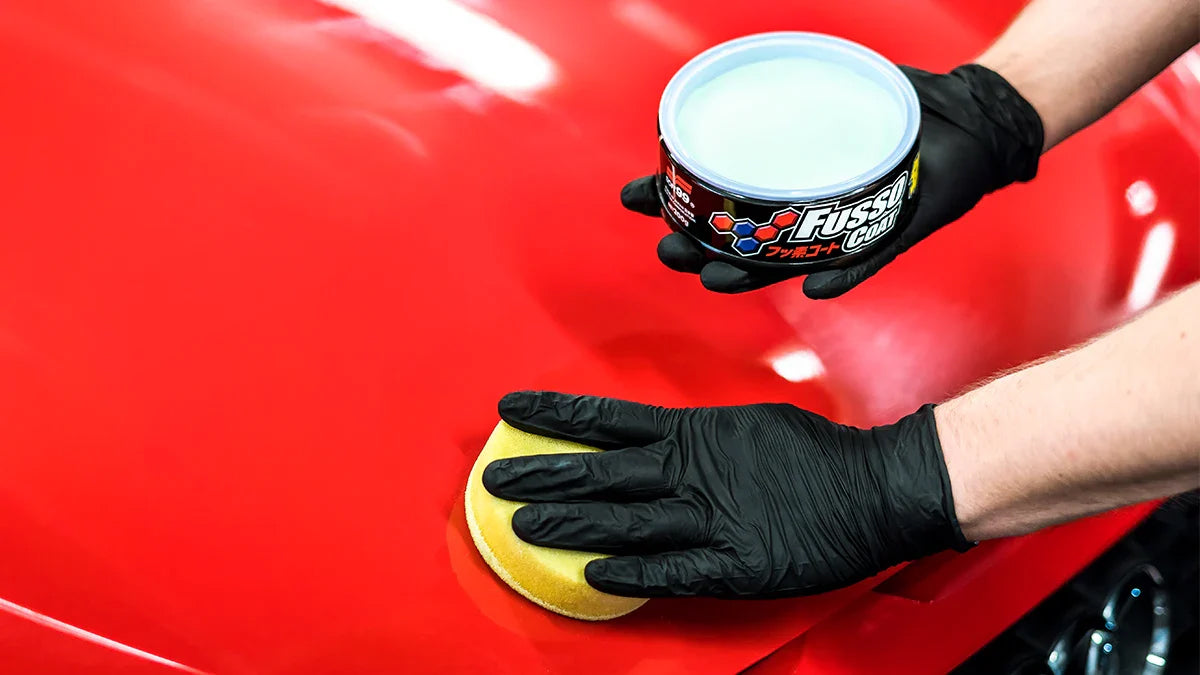
How you apply wax changes its durability. Applying wax in thin, even layers helps it bond well. Letting each layer dry before adding another improves protection. Using a clean, soft cloth prevents scratches. Proper technique ensures the wax lasts longer.
Environmental Conditions
Weather and surroundings impact wax life. Sunlight, rain, and dust can wear wax quickly. Salt and pollution also break down wax faster. Parking in shade or a garage protects the wax. Harsh conditions reduce how long wax stays effective.
Frequency Of Washing
Washing your car often can strip wax faster. Using strong soaps or brushes damages the wax layer. Gentle washing with wax-safe products helps maintain protection. Balance washing frequency to keep the car clean without losing wax.
Types Of Car Wax
Choosing the right car wax affects how long the shine lasts. Different types of wax offer different protection and durability. Understanding these types helps you pick the best wax for your car’s needs.
Natural Wax
Natural wax comes from carnauba, a plant-based material. It gives a deep, warm shine that many car lovers prefer. This wax feels smooth and looks very glossy. It protects paint well but usually lasts only a few weeks. Natural wax needs frequent reapplication to keep your car shiny.
Synthetic Wax
Synthetic wax is made from man-made chemicals. It forms a strong, thin layer on the paint surface. This wax type lasts longer than natural wax, often several months. It also repels water and dirt better. Synthetic wax is easier to apply and clean off. Many drivers choose it for low maintenance.
Hybrid Formulas
Hybrid wax blends natural and synthetic ingredients. It aims to combine the best of both worlds. These formulas offer a rich shine with longer protection. Hybrid waxes can last a few months, depending on conditions. They balance ease of use and durability well.
Expected Duration For Each Wax Type
The expected duration of a car wax coat depends on the type of wax used. Each wax type offers different protection levels and lasts for varying times. Understanding these differences helps in choosing the right wax for your car’s needs. Below is a breakdown of how long each wax type usually lasts.
Natural Wax Lifespan
Natural wax, often made from carnauba, gives a deep shine. It usually lasts about 4 to 6 weeks. This wax is great for enhancing color and gloss. It wears off faster in harsh weather or frequent washing.
Synthetic Wax Lifespan
Synthetic waxes are made from polymers and sealants. They last longer than natural wax, typically 2 to 4 months. These waxes offer strong protection against dirt and water. They are easier to apply and maintain.
Hybrid Wax Lifespan
Hybrid wax combines natural and synthetic ingredients. It balances shine and durability well. Hybrid wax can last from 2 to 3 months. It provides good protection and a glossy finish with moderate upkeep.
Signs Wax Needs Reapplication
Knowing when your car’s wax needs reapplication saves time and effort. Wax protects paint from dirt, rain, and sun damage. Over time, the wax layer wears off. This reduces its protective powers. Watching for clear signs helps keep your car shining. Here are key signs that show it’s time to wax again.
Loss Of Shine
The first sign is loss of shine on your car’s surface. Wax adds a glossy look that makes your car bright. If the paint looks dull or flat, the wax may have worn off. This dullness means the protective layer is thinning. Regular checks help you catch this early.
Water Beading Reduction
Wax causes water to bead on the car surface. When water forms small, round droplets, wax is still active. If water spreads or forms flat patches, wax protection has faded. Water beading reduction shows the wax no longer repels water well. This is a clear sign to reapply wax soon.
Surface Texture Changes
Run your hand over the car’s paint. Wax gives a smooth, slick feel. If the surface feels rough or sticky, the wax layer is breaking down. Dirt and grime may stick more easily too. These texture changes mean the wax needs refreshing to protect the paint properly.
Tips To Prolong Wax Life
Waxing your car protects its paint and keeps it shiny longer. Proper care helps the wax last more weeks or months. Follow simple tips to keep the wax layer strong and effective.
Proper Washing Practices
Wash your car gently to protect the wax. Use a soft sponge or microfiber cloth. Avoid scrubbing hard, which can wear off the wax. Rinse the car well before washing to remove dirt.
Use clean water and mild soap made for cars. Regular washing stops dirt from damaging the wax and paint. Wash your car often but gently to extend wax life.
Avoiding Harsh Chemicals
Harsh chemicals break down wax quickly. Stay away from strong detergents and household cleaners. Use products made for automotive paint and wax protection.
Check labels before buying car cleaning products. Avoid acid or ammonia-based cleaners. They remove wax and dull the paint finish fast.
Regular Maintenance
Check your wax condition regularly. Apply a fresh coat every few months. Light waxing after washing keeps protection strong.
Remove bird droppings, tree sap, and bugs quickly. These substances damage wax and paint if left too long. Regular upkeep ensures your car stays shiny and protected.
Credit: store.soft99usa.com
Comparing Wax To Other Protective Coatings
Car wax has protected vehicles for decades. It gives a shiny finish and repels water. Yet, there are other coatings that offer different benefits. Comparing wax to these can help you choose the right protection for your car.
Sealants
Sealants are synthetic products made to protect paint. They last longer than wax, usually 4 to 6 months. Sealants create a smooth, glossy surface that resists dirt and grime. They are easier to apply and maintain than wax. Sealants offer solid protection but may lack the deep shine wax provides.
Ceramic Coatings
Ceramic coatings form a hard, protective layer on the paint. This layer can last from 1 to 5 years. It guards against scratches, UV rays, and chemical stains. Ceramic coatings are hydrophobic, making water bead and slide off easily. The application is more complex and often requires professional help. It offers stronger protection than wax or sealants.
Paint Protection Films
Paint Protection Films (PPF) are clear, thick layers applied to the car’s surface. They protect against rocks, scratches, and harsh impacts. PPF can last 5 to 10 years with proper care. These films are invisible and do not affect the car’s shine. Installation is usually done by professionals and costs more than wax or coatings.
Cost Vs. Durability: Choosing The Right Wax
Choosing the right car wax means balancing cost and how long it lasts. Some waxes are cheap but may need reapplying often. Others cost more but protect your car longer. Understanding these options helps you pick wax that fits your needs and budget.
Budget Options
Budget waxes are easy on your wallet. They usually last 2 to 4 weeks. These waxes give your car a quick shine. They work well if you wash your car often. Perfect for those who want simple, short-term protection.
Premium Waxes
Premium waxes cost more but last longer. They can protect your car for 2 to 3 months. These waxes offer deeper shine and better protection. Ideal for people who want less frequent waxing. They often contain natural ingredients like carnauba.
Value For Money
Think about how often you want to wax. A pricier wax may save time and effort. Budget waxes need more frequent application, which adds up. Premium waxes can be better value over months. Match the wax to your car care routine.

Credit: www.walmart.com
Frequently Asked Questions
How Long Does Car Wax Protection Typically Last?
A single coat of car wax usually lasts about 4 to 6 weeks. Factors like weather, washing frequency, and wax type affect durability. Proper application and maintenance can extend protection up to 3 months in ideal conditions.
Does The Type Of Wax Affect Its Longevity?
Yes, synthetic waxes generally last longer than natural waxes. Synthetic waxes can protect your car for up to 6 months. Natural carnauba waxes offer a deeper shine but usually last 4 to 6 weeks.
How Often Should I Reapply Wax On My Car?
Reapplication depends on exposure and wax type. Generally, waxing every 3 months keeps your paint well-protected. If you notice water no longer beads on the surface, it’s time to reapply.
Can Washing Frequency Reduce Wax Lifespan?
Frequent washing, especially with harsh soaps, can strip wax faster. Using gentle, pH-balanced car shampoos helps preserve wax protection. Limiting washes to once a week or less also extends wax life.
Conclusion
A coat of wax protects your car’s paint and shine. Usually, it lasts about 6 to 12 weeks. Weather, washing, and driving habits can change this time. Regular waxing keeps your car looking fresh and new. Reapply wax often to maintain strong protection.
This small step helps avoid damage and keeps the paint smooth. Taking care of your car’s finish is worth the effort. Simple and regular care extends the wax’s life and your car’s beauty.