

Are you ready to give your car a sparkling clean without risking damage? Pressure washing is a fast and effective way to remove dirt, grime, and road salt from your vehicle.
But if you’re not careful, it can also harm your paint or cause other problems. In this guide, you’ll learn exactly how to safely pressure wash your car, step by step. By following these simple tips, you’ll protect your car’s finish and enjoy a fresh, shiny ride every time.
Keep reading to discover the secrets that will make your car cleaning both easy and safe!
Credit: washh.com
Choosing The Right Pressure Washer
Choosing the right pressure washer is key to safely cleaning your car. Not all pressure washers work well on delicate car surfaces. Using too much pressure or the wrong nozzle can damage the paint. Selecting the proper machine helps protect your vehicle and makes cleaning easier.
Pressure Levels For Cars
Cars need gentle pressure to avoid scratches. A pressure washer with 1200 to 1900 PSI is best. Higher PSI can strip paint or dent panels. Low pressure still removes dirt and grime effectively. Always start with the lowest setting and increase if needed.
Nozzle Types And Uses
Nozzles control how water sprays from the washer. A 25-degree nozzle spreads water widely and is safe for cars. Avoid 0-degree nozzles; they concentrate water and can cause damage. A soap nozzle helps apply cleaning detergent evenly. Use the nozzle guide to pick the right one.
Electric Vs Gas Models
Electric pressure washers are lighter and quieter. They work well for small to medium jobs like car washing. Gas models are more powerful but heavier and noisier. For car care, electric washers offer enough pressure without extra bulk. Choose based on your cleaning needs and storage space.
Preparing Your Car For Pressure Washing
Preparing your car for pressure washing helps protect its paint and parts. Taking simple steps before washing ensures a safe and effective clean. These steps reduce damage risk and improve results.
Remove Loose Dirt And Debris
Start by brushing off loose dirt and debris from the car’s surface. Use a soft broom or cloth to avoid scratching the paint. This step prevents dirt from scratching the car during pressure washing.
Close Windows And Doors
Make sure all windows and doors are tightly closed. Water can enter through open gaps and damage the car’s interior. Check the seals around doors and windows to ensure no water leaks inside.
Protect Sensitive Areas
Cover sensitive parts like mirrors, headlights, and air intakes with plastic or tape. These parts can get damaged if exposed to strong water pressure. Take time to shield these areas carefully before starting the wash.
Setting Up The Pressure Washer
Setting up the pressure washer correctly is key to cleaning your car safely. Proper setup helps avoid damage to your vehicle’s paint and parts. Take your time to prepare each step carefully. This ensures efficient and safe washing.
Connecting Hoses And Attachments
Start by attaching the garden hose to the pressure washer’s water inlet. Make sure the connection is tight to prevent leaks. Next, connect the high-pressure hose to the machine and spray gun. Use the correct nozzle for car washing, usually a 25-degree or soap nozzle. Secure all attachments firmly before turning on the water.
Adjusting Pressure Settings
Set the pressure to a low or medium level first. High pressure can harm your car’s paint and trim. Many pressure washers have adjustable settings. Choose a setting around 1200 to 1900 PSI for safe car washing. Always follow the machine’s manual for pressure adjustments.
Testing Spray Pattern
Test the spray on a small, hidden area of your car. Hold the spray wand about 12 inches from the surface. Check the spray pattern and pressure. Adjust the nozzle or pressure if the spray is too strong or narrow. A wide, even spray is best for gentle cleaning.
Safe Washing Techniques
Safe washing techniques protect your car’s paint and finish during pressure washing. Using the right methods prevents damage and keeps your car looking great. Simple steps make a big difference in cleaning safely.
Maintaining Distance From Surface
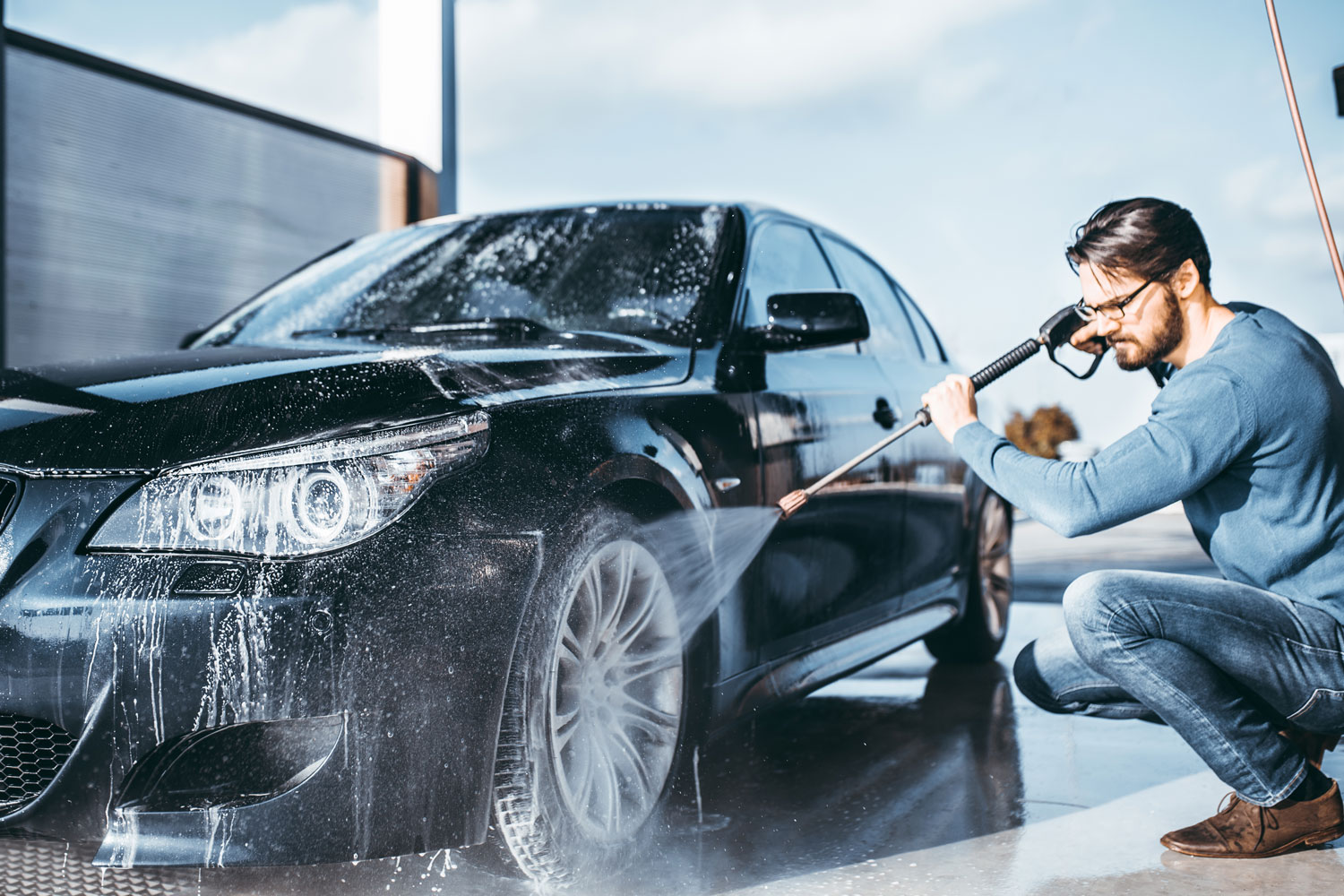
Keep the pressure washer nozzle at least 12 inches from your car. Too close can strip paint or cause dents. Start farther away and move closer if needed. Always test on a small area first.
Using The Right Spray Angle
Hold the nozzle at a 45-degree angle to the car surface. This angle helps remove dirt without forcing water under paint. Avoid spraying directly straight, which can harm the finish. Gentle sweeping motions work best.
Washing In Sections
Divide your car into small parts for washing. Focus on one section before moving to the next. This method ensures no spots are missed. It also helps control water pressure and avoid damage.
Choosing And Applying Cleaning Solutions
Choosing and applying the right cleaning solutions is key to safe pressure washing. The correct detergent protects your car’s paint and removes dirt effectively. Using the wrong product can damage the surface or leave stains. Knowing how to pre-soak tough spots helps loosen grime without scrubbing. Proper rinsing removes all detergent and dirt, preventing streaks or residue. Follow these steps for a clean, shiny car without harm.
Car-friendly Detergents
Pick detergents made for car washing only. These products are gentle on paint and clear coats. Avoid harsh chemicals like bleach or ammonia. They can cause fading or peeling. Look for biodegradable and pH-balanced formulas. These keep your car safe and the environment clean. Always read the label before use. Test a small spot first to check for damage.
Pre-soaking Tough Spots
Apply detergent on stubborn dirt or bird droppings before washing. Let it sit for 5 to 10 minutes. This softens grime and makes cleaning easier. Do not let the solution dry on the car. Wet the area again if needed. Use a soft cloth or sponge to gently rub tough spots. Avoid hard scrubbing to prevent scratches.
Rinsing Properly
Rinse the car thoroughly after washing. Use low-pressure water to remove all soap and dirt. Start from the top and move downward. This prevents streaks and water spots. Check for any leftover detergent or grime. Rinse these areas again if necessary. Dry the car with a microfiber towel for a spotless finish.
Credit: www.capitalone.com
Drying And Finishing Touches
Drying your car after pressure washing is important to avoid water spots and streaks. Proper drying helps keep your car’s paint smooth and clean. Finishing touches make your car look fresh and well cared for. Follow these steps for the best results.
Using Microfiber Towels
Microfiber towels absorb water quickly without scratching the paint. Use clean, soft towels to gently wipe the car’s surface. Work in small sections to dry evenly. Avoid circular motions to reduce swirl marks. Replace towels if they get too wet.
Waxing For Extra Shine
Apply wax to protect the paint and add shine. Use a small amount of wax on a soft applicator pad. Spread it evenly in thin layers across the car. Let it dry to a haze, then buff with a clean microfiber towel. Waxing keeps your car looking bright longer.
Inspecting For Missed Spots
Check your car under good light for spots you missed. Look for dirt, water marks, or dull areas. Use a damp microfiber towel to clean any leftover grime. Pay close attention to edges, mirrors, and lower panels. A thorough check ensures a perfect finish.
Common Mistakes To Avoid
Pressure washing a car can make it look clean and fresh. But mistakes can cause damage or poor results. Knowing what to avoid helps keep your car safe and shiny. Here are common errors to watch out for.
Using Excessive Pressure
High pressure can hurt your car’s paint and parts. Use the lowest pressure that cleans well. Strong jets can chip paint or push water inside. Keep the nozzle far from the surface. Test on a small spot first.
Ignoring Delicate Components
Car sensors, mirrors, and seals are fragile. Direct water spray on these can break or loosen them. Cover or avoid spraying these parts. Be gentle around lights and antennae. Protecting these keeps your car working well.
Skipping Pre-wash Preparation
Not preparing the car wastes time and effort. Remove loose dirt and debris with a soft brush or cloth. Wash wheels and tires first to avoid splashing dirt later. Check for cracks or damaged parts before washing. Proper prep means better cleaning and less risk of damage.
Maintenance Tips For Your Pressure Washer
Keeping your pressure washer in good shape is key to safe and effective car washing. Regular care helps the machine last longer and work better. Simple steps can prevent damage and save money on repairs. Here are some essential maintenance tips to follow.
Cleaning Nozzles And Filters
Check the nozzles for dirt and debris after each use. Clogged nozzles reduce water pressure and can damage paint. Use a small brush or needle to clear blockages gently. Clean the water filter regularly to stop dirt from entering the pump. Rinse filters with clean water and let them dry before reinstalling.
Storing Equipment Safely
Store your pressure washer in a dry, cool place away from sunlight. Avoid leaving water inside the pump to prevent freezing and damage. Drain all hoses and accessories after use. Keep the power cord coiled properly to avoid cuts and twists. Cover the machine to protect it from dust and moisture.
Regular Inspection Routines
Inspect your pressure washer before every use. Look for leaks, cracks, or worn parts. Tighten loose bolts and screws to keep parts secure. Check the oil level and change it as the manual suggests. Test the spray pattern to ensure even water flow. Early checks help catch small problems early.
Credit: www.torquedetail.com
Frequently Asked Questions
How Much Pressure Is Safe For Washing A Car?
Use pressure between 1200 to 1900 PSI for safe car washing. Higher pressure can damage paint and decals. Always start with lower settings and test on a small area first to avoid harm.
Can Pressure Washing Damage My Car’s Paint?
Yes, excessive pressure or close nozzle distance can chip or strip paint. Maintain at least 12 inches from the surface and use appropriate pressure. Avoid harsh detergents to protect your car’s finish.
What Type Of Nozzle Is Best For Car Pressure Washing?
A 25-degree nozzle works best for washing cars. It provides a wide spray that cleans effectively without causing damage. Avoid narrow nozzles which concentrate pressure and risk harming paint.
Should I Use Detergent With A Pressure Washer On Cars?
Yes, use car-specific detergents for better cleaning and paint protection. Avoid harsh chemicals or household detergents as they can damage the finish. Always rinse thoroughly after applying detergent.
Conclusion
Pressure washing your car can save time and effort. Use the right pressure settings to protect the paint. Keep a safe distance between the nozzle and car surface. Avoid sensitive areas like windows and seals. Always test a small area first.
Rinse thoroughly and dry the car after washing. Following these steps helps keep your car clean and damage-free. Safe pressure washing makes your car look fresh longer. Simple care goes a long way in car maintenance.

