

When was the last time you checked your brake pads and rotors? You might not realize it, but these parts play a huge role in keeping you safe on the road.
Knowing how often to replace them can save you from costly repairs and dangerous driving conditions. If you want to avoid unexpected brake failure and keep your car running smoothly, understanding the right timing for replacement is essential. Keep reading to find out exactly when and why you should replace your brake pads and rotors before it’s too late.
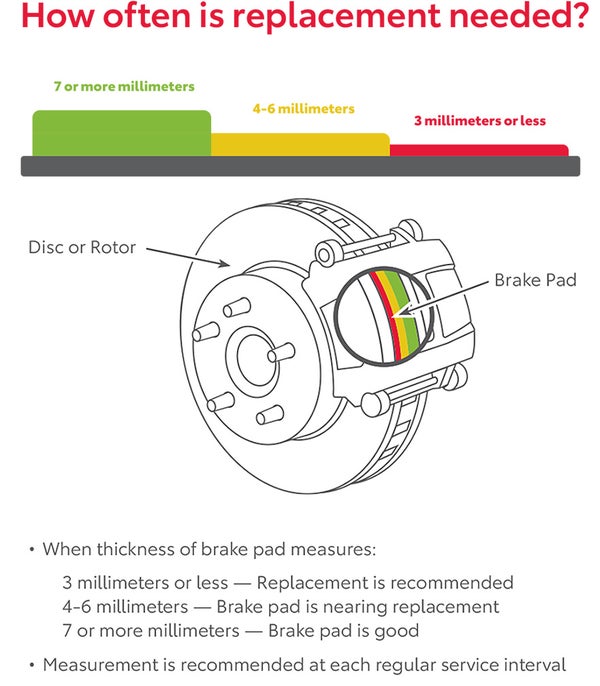
Credit: www.rosevilletoyota.com
Signs Brake Pads Need Replacing
Knowing the signs that brake pads need replacing keeps you safe on the road. Brake pads wear down over time. Detecting early signs helps avoid costly repairs and dangerous driving. Watch for noises, reduced braking, and visible wear on the pads.
Squeaking And Squealing Noises
Squeaking or squealing sounds often mean brake pads are worn out. These noises happen when the pads are thin and metal parts touch the rotor. The sound warns you to check the brakes soon. Ignoring it can lead to more damage and less safe braking.
Reduced Braking Performance
Feeling the brakes are less powerful is a clear sign. The car may take longer to stop or need more pressure on the pedal. This happens because worn pads cannot grip the rotor well. Reduced braking can cause accidents. Have your brakes checked if you notice this.
Visual Wear Indicators
Brake pads often have built-in wear indicators. These small slots or lines show how much pad material is left. If the pad looks very thin, it needs replacing. You can also see grooves or cracks on the pad surface. Regularly inspecting the brakes helps catch problems early.
When To Replace Brake Rotors
Brake rotors play a key role in your vehicle’s stopping power. Knowing when to replace them keeps you safe on the road. Rotors wear down over time and need attention to maintain good brake performance. Watch for signs that show your rotors need replacing. Early action prevents bigger problems.
Warped Or Grooved Rotors
Rotors can warp from heat and pressure during braking. Warped rotors cause uneven contact with brake pads. Grooves or deep scratches also reduce rotor smoothness. Both issues lower braking efficiency and increase wear. Check rotors regularly for warping or grooves. Replace them if damage is visible or severe.
Vibration During Braking
Feel vibrations or shaking when pressing the brake pedal? This often means rotor problems. Warped or uneven rotors cause the brake system to vibrate. The steering wheel or entire car may shake. Vibrations signal that rotors no longer provide smooth braking. Fix this by inspecting and replacing faulty rotors.
Minimum Thickness Requirements
Every rotor has a minimum thickness set by the manufacturer. Rotors thinner than this limit lose strength and safety. Measuring rotor thickness is part of brake inspections. Use a micrometer to check the exact thickness. Replace rotors that are below the minimum thickness. Driving on thin rotors risks brake failure.
Factors Influencing Replacement Frequency
Knowing how often to replace brake pads and rotors depends on many factors. These factors can change how quickly these parts wear out. Understanding them helps keep your car safe and running well.
Driving Habits And Conditions
Hard braking wears pads faster. Driving in stop-and-go traffic also speeds up wear. Mountain driving or towing puts extra strain on brakes. Smooth, gentle braking can extend brake life. Weather matters too. Wet or icy roads require more brake use.
Vehicle Type And Usage
Heavy trucks need stronger brakes than small cars. Sports cars have performance brakes that may wear differently. Vehicles used for hauling or off-road driving face tougher conditions. Daily commuters may replace brakes less often than delivery trucks. The more weight and load, the faster brakes wear out.
Quality Of Brake Components
High-quality brake pads last longer than cheap ones. Premium rotors resist warping and wear better. OEM parts fit perfectly and work well with your vehicle. Low-quality parts may wear quickly and cause noise. Investing in good components can save money over time.
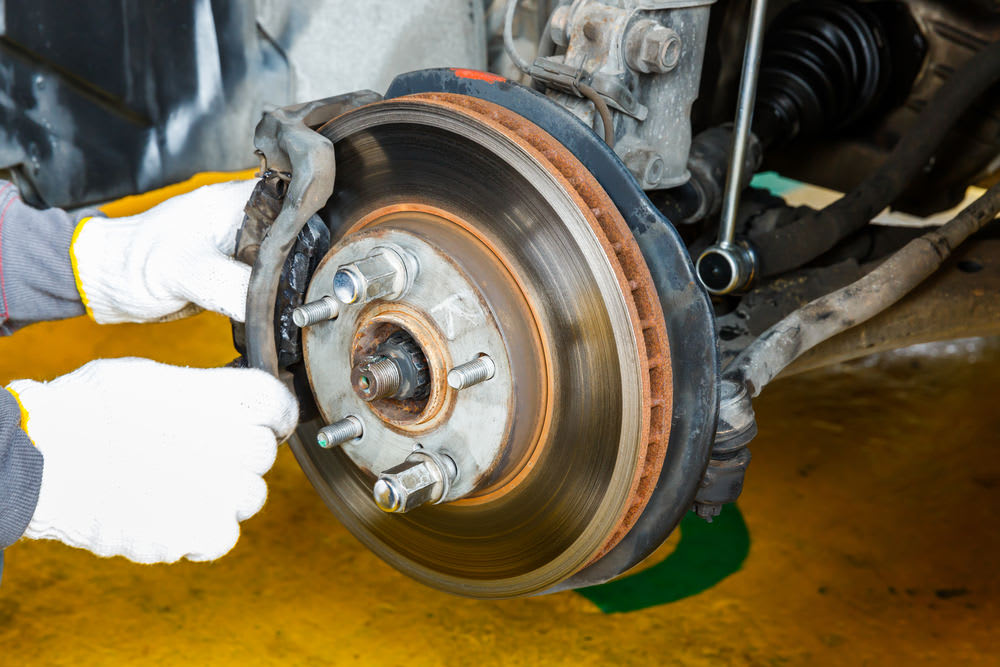
Credit: www.yourmechanic.com
Diy Vs Professional Brake Maintenance
Deciding between DIY and professional brake maintenance is key for your vehicle’s safety. Brake pads and rotors wear out over time and need timely replacement. Some car owners prefer to save money by doing it themselves. Others trust experts for better results and peace of mind. Understanding the benefits and risks of each choice helps you make the right decision.
Pros And Cons Of Diy Replacement
Doing brake maintenance yourself saves money on labor costs. You learn about your car’s parts and gain new skills. Tools needed can be bought or rented. Mistakes can lead to poor brake performance or damage. It takes time and patience to do it right. Safety risks increase if you lack experience or proper tools.
When To Seek Professional Help
Complex brake systems need expert knowledge and equipment. Unusual noises, vibrations, or brake failure signs require immediate professional checks. Professionals spot hidden problems and ensure parts fit correctly. They offer warranties on parts and service. Emergency repairs or advanced brake types call for a mechanic. Professionals save time and prevent costly errors.
Cost Considerations
DIY brake replacement costs less upfront but needs tool investment. Buying quality parts is essential to avoid frequent replacements. Professional service includes labor fees but ensures correct installation. Poor DIY jobs may cause expensive damage later. Balance cost savings with safety and long-term reliability. Your budget and skills affect the best choice.
Tips To Extend Brake Lifespan
Extending the life of brake pads and rotors saves money and keeps driving safe. Simple habits help brakes last longer. Follow these tips to reduce wear and tear.
Small changes in driving and care make a big difference. Learn how to treat your brakes right.
Smooth And Controlled Braking
Press the brake pedal gently and avoid sudden stops. Smooth braking reduces heat and friction. This lowers wear on pads and rotors. Gradual slowing helps brakes last longer and keeps control steady.
Regular Inspections And Cleaning
Check brakes often for signs of damage or wear. Clean brake parts to remove dust and dirt. Dirt buildup can cause uneven wear and noise. Timely inspection finds problems early. It also helps keep brakes working well.
Avoiding Overloading The Vehicle
Do not carry more weight than the vehicle’s limit. Extra load strains brakes and increases wear. Heavy loads need more braking force. This heats up pads and rotors quickly. Keep loads within limits to protect brake parts.
.jpg)
Credit: www.cbac.com
Frequently Asked Questions
How Often Should I Replace Brake Pads?
Brake pads typically need replacement every 30,000 to 70,000 miles. However, this depends on driving habits and vehicle type. Regular inspections help detect wear early and ensure timely replacement, maintaining safe braking performance.
When Is It Time To Replace Brake Rotors?
Brake rotors should be replaced if they are warped, cracked, or below the minimum thickness. Generally, rotors last 50,000 to 70,000 miles, but frequent hard braking can shorten their lifespan.
Can I Replace Brake Pads Without Changing Rotors?
Yes, you can replace brake pads without changing rotors if the rotors are in good condition. However, worn or damaged rotors should be replaced to avoid uneven wear and reduced braking efficiency.
What Signs Indicate Brake Pads Need Replacement?
Squeaking noises, reduced braking power, and a longer stopping distance are signs brake pads need replacement. Also, a brake warning light or vibration when braking can indicate worn pads.
Conclusion
Brake pads and rotors wear out over time and need replacing. Check them every 20,000 to 40,000 miles or if you hear squealing. Driving style and road conditions affect how fast they wear. Replacing parts on time keeps your car safe and stops bigger problems.
Watch for vibrations or longer stopping distances. Regular checks help avoid costly repairs later. Stay alert and maintain your brakes well. Your safety depends on it.


