

Have you ever turned the key in your car’s ignition, only to hear it struggle or fail to start? A bad fuel filter could be the hidden culprit.
When your fuel filter is clogged or damaged, it stops fuel from reaching your engine properly, leaving you stuck and frustrated. But don’t worry—you can still get your car running without immediately replacing the filter. You’ll discover simple, practical steps to start your car even with a bad fuel filter.
Keep reading, and you’ll learn how to take control of the situation and get back on the road faster than you think.

Credit: oilchangers.com
Signs Of A Bad Fuel Filter
A bad fuel filter can cause several problems in your car. It blocks the flow of fuel to the engine. This makes the car run poorly or not start at all. Knowing the signs of a bad fuel filter helps you fix issues quickly. It keeps your car running smoothly and avoids bigger repairs.
Engine Performance Issues
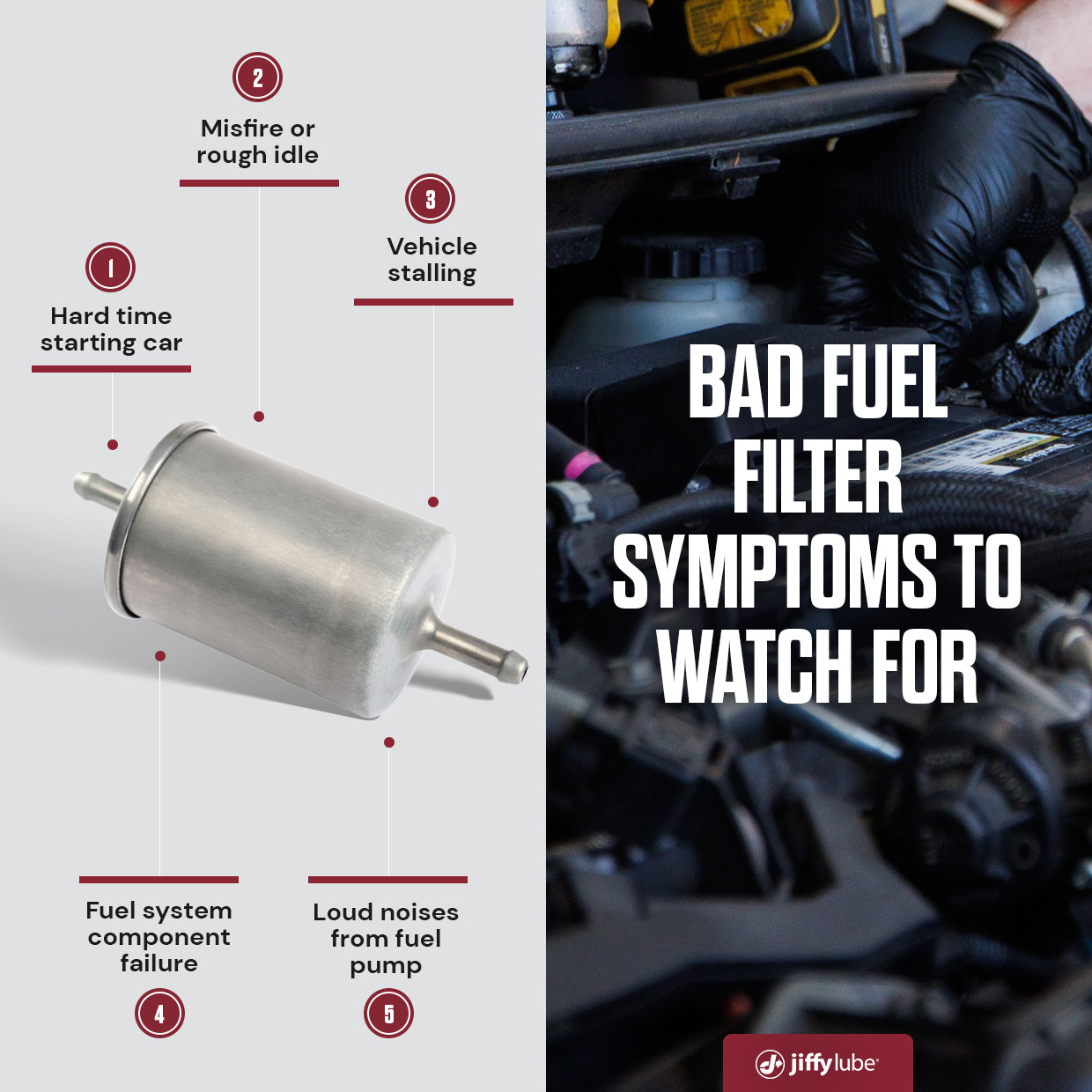
The engine may run rough or stall often. You might hear sputtering sounds from the engine. The car may hesitate when you press the gas pedal. These happen because the fuel filter stops enough fuel from reaching the engine. The engine does not get the fuel it needs to work well.
Starting Problems
Starting the car takes longer than usual. Sometimes, the engine won’t start at all. This happens because the bad fuel filter blocks fuel flow. Without enough fuel, the engine can’t start or keep running. You may need to try several times before the car starts.
Fuel Efficiency Drop
Your car may use more fuel than before. A clogged fuel filter makes the engine work harder. This lowers fuel efficiency and costs more money. You will notice you fill the tank more often. Fixing the fuel filter can improve your car’s fuel use.
Credit: www.jiffylube.com
Why A Fuel Filter Matters
The fuel filter is a small but important part of your car. It keeps dirt and debris from reaching the engine. A bad fuel filter can cause many problems. Understanding why it matters helps you take better care of your car.
Role In Fuel System
The fuel filter cleans the fuel before it enters the engine. It stops dirt, rust, and other particles from going inside. Clean fuel helps the engine run smoothly. The filter protects the fuel injectors and other parts from damage.
Consequences Of Clogging
A clogged fuel filter blocks fuel flow to the engine. The engine may start hard or stall. It can lose power or run unevenly. Bad fuel flow can hurt the engine over time. Replacing a clogged filter avoids these issues and keeps the car reliable.
Quick Checks Before Starting
Starting a car with a bad fuel filter can be tricky. The engine might not get enough fuel to run properly. Before trying to start the car, perform some quick checks. These checks help find simple problems that might stop the car from starting. They also save time and effort.
Inspecting The Fuel Filter
Look at the fuel filter carefully. A clogged or dirty filter blocks fuel flow. Check for dirt, rust, or damage on the filter. A bad filter often looks dark or clogged. Replace the filter if it looks dirty or old. This step helps fuel reach the engine smoothly.
Checking Fuel Lines
Fuel lines carry fuel from the tank to the engine. Check these lines for cracks or leaks. Damaged lines can cause fuel loss or air bubbles. Make sure the lines are tight and not loose. Fix any leaks before trying to start the car.
Battery And Starter Condition
The battery powers the starter motor. Check the battery’s charge and terminals. Dirty or loose battery terminals reduce power flow. Clean the terminals and tighten the connections. Test the starter motor for proper operation. A weak battery or bad starter can stop the car from starting.

Credit: www.youtube.com
Temporary Fixes To Start Your Car
Dealing with a bad fuel filter can stop your car from starting. Fixing it right away might not be possible. Temporary solutions can help you start your car and get to a mechanic. These quick fixes are not permanent but can save time and trouble.
Using Fuel Additives
Fuel additives can clean small clogs inside the fuel filter. Pour the additive into the gas tank. It helps fuel flow better through the filter. This can improve engine performance temporarily. Choose additives made for fuel system cleaning. Follow the instructions on the bottle carefully.
Bypassing The Fuel Filter
Bypassing the fuel filter lets fuel flow directly to the engine. This method skips the clogged filter. It requires basic tools and some mechanical skill. Disconnect the fuel lines at the filter. Connect the lines with a hose or pipe that fits tightly. This is a quick way to start your car. Remember, bypassing the filter can let dirt enter the engine.
Fuel Line Pressure Boost
Increasing fuel line pressure helps push fuel past the clogged filter. Use a fuel pump or pressurize the line carefully. This forces more fuel into the engine. It can help start the car despite the bad filter. Be cautious not to over-pressurize. Too much pressure can damage fuel system parts.
Diy Fuel Filter Cleaning Tips
Cleaning a bad fuel filter can help your car start better. You may not need to replace it right away. A simple cleaning can remove dirt and debris. This section shows easy steps to clean your fuel filter yourself. Follow these tips carefully to avoid damage and keep your car safe.
Removing The Filter Safely
First, find the fuel filter location in your car. It is usually near the fuel tank or engine. Turn off the engine and let it cool down. Wear gloves and safety glasses for protection. Release the fuel pressure by opening the fuel cap. Use a wrench to loosen the filter bolts carefully. Avoid spilling fuel by placing a cloth underneath.
Cleaning Methods
Use clean diesel or kerosene to wash the filter. Soak the filter in the liquid for 10 to 15 minutes. Gently tap the filter to remove dirt. Use a soft brush to clean stubborn spots. Do not use high-pressure water; it can damage the filter. Let the filter dry completely before reinstalling it.
Reinstalling The Filter
Place the filter back in its original position. Tighten the bolts with a wrench, but do not over-tighten. Make sure the fuel lines connect securely. Check for leaks by starting the engine. If you see fuel leaks, turn off the engine immediately. Tighten connections again or replace damaged parts.
When To Replace The Fuel Filter
Knowing when to replace the fuel filter is key to keeping your car running smoothly. A clogged or dirty filter can block fuel flow, making the engine hard to start. Replacing the filter on time prevents damage and improves car performance. Watch for signs that point to a needed change.
Signs Replacement Is Needed
The car may hesitate or stall during driving. Engine power drops, especially on hills or during acceleration. You might notice rough idling or unusual engine noises. Poor fuel economy can also mean a clogged filter. Check these signs often to avoid bigger issues.
Choosing The Right Filter
Select a filter that fits your car model exactly. Use filters made from quality materials for better fuel flow. Check the filter’s micron rating, which shows how well it traps dirt. A good filter protects the engine and lasts longer. Always follow the car manufacturer’s guidelines.
Cost And Time Considerations
Fuel filters are usually affordable and easy to replace. The cost varies between $10 and $50 depending on the type. Changing the filter can take 30 minutes or less. Some cars need a mechanic, but many filters can be replaced at home. Regular replacement saves money on repairs later.
Preventive Measures For Fuel Filter Health
Keeping your fuel filter healthy helps your car start easily and run well. Taking simple steps protects the filter from damage. These preventive measures save time and money on repairs. Below are key habits to keep your fuel filter clean and working.
Regular Maintenance Schedule
Check your fuel filter as part of routine car care. Follow the car manual for service times. Replace the filter before it gets clogged. Regular checks avoid problems and keep fuel flowing smoothly.
Using Quality Fuel
Choose fuel from trusted stations only. Good fuel has fewer impurities that can block the filter. Avoid cheap or unknown brands. Clean fuel helps the engine and filter last longer.
Avoiding Contaminants
Keep dirt and water away from your fuel tank. Make sure the gas cap fits tightly. Use clean containers for fuel storage. Contaminants cause blockages and damage the filter fast.
Frequently Asked Questions
How Can A Bad Fuel Filter Affect Car Starting?
A bad fuel filter blocks fuel flow to the engine. This causes hard starting or no start at all. Replacing or cleaning the filter often fixes the problem quickly.
What Are Quick Fixes To Start Car With Bad Fuel Filter?
Try tapping the fuel tank gently or using a fuel additive. These methods may temporarily improve fuel flow. However, replacing the fuel filter is the best long-term solution.
Can I Drive My Car With A Bad Fuel Filter?
Driving with a bad fuel filter is risky. It can cause engine stalling or damage. Replace the filter as soon as possible to avoid costly repairs.
How To Check If The Fuel Filter Is Bad?
Look for symptoms like engine misfires, poor acceleration, and hard starts. A fuel pressure test can confirm a clogged filter. Regular inspection prevents starting issues.
Conclusion
Starting a car with a bad fuel filter can be tricky but possible. Clean or replace the filter to keep fuel flowing well. Regular checks help avoid sudden problems on the road. A clear fuel line means your engine runs smoothly.
Always act quickly to prevent bigger car issues. Small fixes today save time and money later. Stay patient and follow steps carefully for best results. Your car will thank you with better performance. Keep learning simple car care tips for easy driving.


