

If you want to give your car a personal touch or fix a loose steering wheel cover, learning how to stitch it yourself can save you time and money. Imagine driving with a cover that fits perfectly, feels comfortable, and looks just the way you like.
In this guide, you’ll discover simple steps to stitch your steering wheel cover like a pro—even if you’ve never done it before. Ready to make your steering wheel both stylish and secure? Keep reading, and you’ll master the skill in no time.
Materials Needed
Before stitching a steering wheel cover, gather the right materials. Using proper tools makes the process easier and gives a neat finish. Prepare all items to avoid interruptions.
Choosing The Right Cover
Select a cover that fits your steering wheel size. Leather or synthetic leather covers work best for stitching. Avoid covers that are too thick or slippery. A good fit ensures the cover stays secure and looks clean.
Selecting Suitable Thread And Needle
Pick strong, durable thread made for leather or heavy fabric. Waxed polyester thread is ideal because it doesn’t break easily. Choose a thick needle with a sharp point. This helps pierce the cover without damaging it. Matching thread color to the cover keeps the look smooth and polished.

Credit: www.amazon.com
Preparing The Steering Wheel
Preparing the steering wheel is the first step to a smooth stitching process. A clean and well-aligned surface helps the cover fit perfectly. It also makes stitching easier and more durable. Taking time to prepare prevents mistakes and saves effort later.
Cleaning The Surface
Start by wiping the steering wheel with a damp cloth. Remove dirt, oil, and dust that can stop the cover from sticking well. Use mild soap if needed, but avoid harsh chemicals. Let the wheel dry completely before moving on. A clean surface ensures the cover stays tight and secure.
Aligning The Cover Properly
Place the cover on the steering wheel to check its fit. Make sure the cover lines up with the wheel’s shape evenly. Look for any folds or bunches that could cause problems while stitching. Adjust the cover until it sits smoothly all around. Proper alignment leads to neat, strong stitches.
Starting The Stitching
Starting the stitching on a steering wheel cover sets the tone for a neat finish. This step requires focus and care. Properly beginning ensures the cover fits tightly and looks great.
Take your time to prepare the thread and needle. A good start prevents loose ends and uneven stitches later.
Making The First Knot
Begin by cutting a length of thread about 18 inches long. Tie a small, tight knot at one end. This knot holds the thread in place.
Push the needle through the edge of the cover material. Pull the thread all the way until the knot stops it. The first knot keeps stitches from slipping out.
Inserting The Needle Correctly
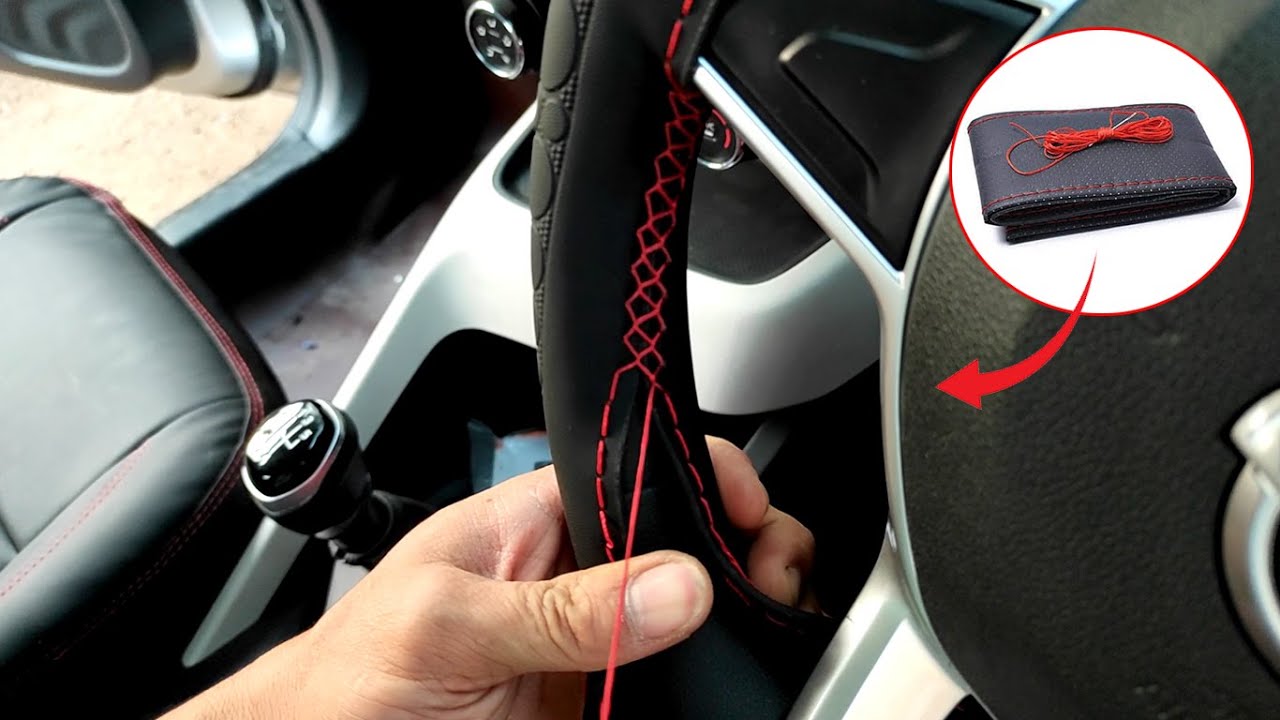
Insert the needle through the pre-made holes or along the edge of the cover. Push the needle from the inside out for a clean look.
Make sure the needle goes straight through, not at an angle. This keeps stitches even and the cover secure.
Credit: www.youtube.com
Stitching Techniques
Stitching a steering wheel cover requires careful attention to the technique used. Choosing the right stitching method helps the cover fit tightly and look neat. Different stitches offer various strengths and styles. Learn two popular methods below that make your cover durable and stylish.
Cross Stitch Method
The cross stitch method creates a strong, decorative pattern. You start by threading the needle through one side of the cover. Then, cross the thread over to the opposite side in an X shape. This stitch holds the cover firmly around the steering wheel.
Cross stitching is ideal for thicker materials like leather or heavy fabric. It also adds a unique look that stands out. The X shapes keep the edges tightly joined and prevent the cover from slipping.
Running Stitch Method
The running stitch method is simple and quick. You push the needle in and out along the edge in a straight line. This stitch is less decorative but very practical for thinner materials.
Running stitches keep the cover secure without too much bulk. This method allows flexibility and easy adjustment. It works well for cloth or soft covers that need gentle holding.
Maintaining Even Tension
Maintaining even tension is key when stitching a steering wheel cover. It keeps the cover tight and secure. Uneven tension causes bumps or loose spots. This makes the cover uncomfortable and less durable. Focus on steady, balanced pulling of the thread. This ensures a smooth, professional finish that lasts.
Avoiding Loose Stitches
Loose stitches make the cover look sloppy. They can slip off the wheel easily. To avoid loose stitches, pull the thread gently but firmly. Keep the thread tight enough to hold the cover in place. Stop pulling before the thread feels like it might snap. Check each stitch as you go for firmness.
Preventing Over-tightening
Over-tightening causes the thread to dig into the cover. It can create wrinkles or tear the material. Pull the thread just enough to hold the cover snugly. Avoid jerking or pulling too hard in one go. Let the thread settle naturally between stitches. This keeps the cover smooth and strong.
Finishing The Stitching
Finishing the stitching on your steering wheel cover is a crucial step. It ensures the cover stays tight and secure. A neat finish also gives your steering wheel a clean look. This part requires care and attention to detail. Follow these simple steps to complete the stitching perfectly.
Securing The Final Knot
After stitching all around the wheel, pull the thread tight. Make a small loop with the thread. Pass the needle through this loop once or twice. Pull the thread firmly to create a strong knot. Repeat the knotting process two or three times. This prevents the thread from loosening over time. Tuck the knot under the cover for a clean finish.
Trimming Excess Thread
Use sharp scissors to cut off extra thread. Leave about a quarter inch of thread past the knot. Cut carefully to avoid damaging the stitches. Trimming neatly helps keep the cover tidy. Check all sides for any loose threads. Remove or secure any remaining loose ends. This step completes the stitching and improves durability.
Tips For A Professional Look
Stitching a steering wheel cover can enhance your car’s interior. A neat stitch makes a big difference. It gives a professional, clean finish. Small details like stitch size and lighting affect the final look. Follow simple tips to get the best results.
These tips help you create a cover that looks sharp and lasts long. Pay attention to every step. This will make your work stand out.
Consistent Stitch Size
Keep each stitch the same size. Uneven stitches look messy and unprofessional. Use a ruler or guide to mark stitch points. This helps maintain even spacing. Pull the thread with steady tension. Loose or tight stitches cause wrinkles or gaps. Practice on scrap material before starting on the cover. Consistency builds a smooth, polished appearance.
Using Proper Lighting And Tools
Good lighting is key. Bright light helps you see stitches clearly. Work near a window or use a bright lamp. Proper tools make stitching easier and cleaner. Use a sharp needle to avoid fabric damage. Choose strong thread that matches your cover color. A thimble protects your fingers and helps push the needle. The right setup reduces mistakes and improves stitch quality.

Credit: www.reddit.com
Common Mistakes To Avoid
Stitching a steering wheel cover can be a fun project. But many make common mistakes that affect the final look and durability. Avoid these errors to get the best results. Focus on details and take your time. This will make your steering wheel cover strong and neat.
Skipping Preparation Steps
Preparation is key before stitching. Some skip cleaning the wheel or measuring the cover. This causes poor fit and loose stitches. Always clean the wheel surface. Measure twice to cut the cover right. Mark the sewing points carefully. These steps help the cover fit tightly and look good.
Ignoring Thread Quality
Thread quality matters a lot. Cheap thread breaks easily during or after stitching. This ruins your work quickly. Use strong, thick thread made for leather or fabric. Check that the thread color matches the cover. Good thread makes stitching smooth. It keeps the cover secure for a long time.
Frequently Asked Questions
How Do I Start Stitching A Steering Wheel Cover?
Begin by aligning the cover on the steering wheel. Use a needle and strong thread. Start stitching at the bottom center for uniformity. Pull the thread tight but not too tight to avoid damage.
What Materials Are Best For Steering Wheel Cover Stitching?
Use durable thread like nylon or polyester for strength. Choose leather or fabric for the cover material. These provide comfort and grip. Quality materials ensure long-lasting results and a professional look.
How Long Does It Take To Stitch A Steering Wheel Cover?
Stitching a cover usually takes 30 to 60 minutes. Time varies by skill level and cover complexity. Taking your time ensures neat, secure stitching and better durability.
Can I Stitch A Steering Wheel Cover Without Special Tools?
Yes, basic tools like a curved needle and strong thread suffice. Scissors and a thimble help but aren’t mandatory. Special tools make stitching easier but aren’t essential for beginners.
Conclusion
Stitching a steering wheel cover takes patience and care. Follow each step slowly to avoid mistakes. Use the right thread and needle for a strong hold. Tighten the stitches evenly for a neat look. Practice will help you improve your skills.
Enjoy a comfortable grip and fresh style in your car. This simple project saves money and adds a personal touch. Try stitching again with different colors or patterns. Keep your steering wheel cover clean for long-lasting use. Simple work, great results.

