

Is your car feeling sluggish or struggling to start? You might be dealing with a clogged fuel filter.
Knowing how to check if your fuel filter is clogged can save you time, money, and frustration. You’ll discover simple signs to watch for and easy steps to inspect your fuel filter yourself. Keep reading to take control of your car’s performance and avoid costly repairs down the road.

Credit: www.youtube.com
Signs Of A Clogged Fuel Filter
Recognizing the signs of a clogged fuel filter helps keep your vehicle running smoothly. A blocked filter stops fuel from flowing well. This can cause several problems in your car’s performance. Spotting these signs early saves you from costly repairs and breakdowns.
Engine Performance Issues
Your engine may run rough or hesitate during acceleration. It can feel like the car is losing power or sputtering. These issues happen because the clogged filter limits fuel flow. The engine does not get enough fuel to work properly.
Starting Difficulties
The car may take longer to start or fail to start at all. A blocked fuel filter restricts fuel supply to the engine. This causes hard starts and may make your vehicle stall soon after.
Fuel Efficiency Drop
You might notice your car uses more fuel than usual. A clogged filter forces the engine to work harder. This extra effort reduces fuel efficiency and raises fuel costs.
Tools Needed For Inspection
Before checking your fuel filter for clogs, gather the right tools. Having the correct tools makes the inspection easier and safer. It helps you spot problems quickly and fix them without damage.
Basic Hand Tools
You need a few basic hand tools for this job. A wrench set helps remove bolts and screws. Screwdrivers come in handy for loosening clamps. Pliers assist in pulling off hoses carefully. A flashlight lets you see in dark spaces under the hood. Keep a container ready to catch any fuel that may spill.
Safety Equipment
Safety is important when working with fuel. Wear gloves to protect your hands from fuel and dirt. Safety glasses shield your eyes from splashes. Use a fire extinguisher nearby just in case. Work in a well-ventilated area to avoid fumes. Avoid open flames or sparks during inspection.
Locating The Fuel Filter
Finding the fuel filter is the first step in checking if it is clogged. The fuel filter cleans dirt and debris from the fuel. A dirty or blocked filter stops fuel flow. This can cause engine problems. Knowing where the filter is helps you inspect and replace it.
Common Filter Locations
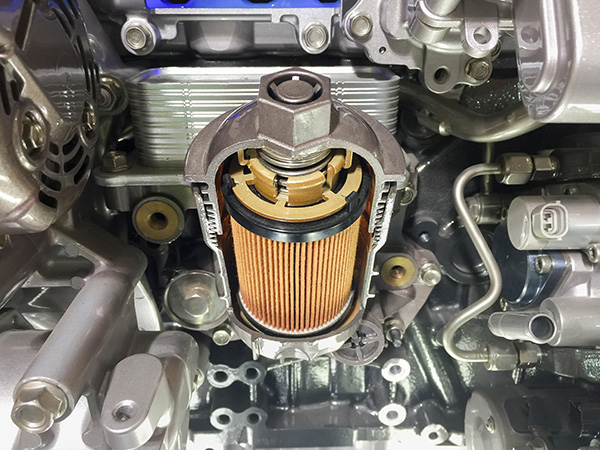
Fuel filters are often in easy-to-reach spots. Many cars have the filter along the fuel line under the car. Some filters sit near the fuel tank. Others may be close to the engine. Look near the engine bay or under the vehicle near the fuel tank. The filter can be a small metal or plastic canister with fuel lines attached.
Consulting The Vehicle Manual
The vehicle manual shows the exact fuel filter location. It gives clear instructions and pictures. This helps you find the filter quickly and safely. The manual also tells you what tools you need. Always check the manual before you start. It keeps you sure about the process.
Step-by-step Filter Check
Checking the fuel filter step-by-step helps you find clogs early. A clean filter keeps fuel flowing smoothly. This guide shows easy actions to inspect the filter safely.
Relieving Fuel System Pressure
Start by relieving fuel system pressure. This stops fuel spray when you remove the filter. Find the fuel pump fuse or relay. Remove it and start the engine. The engine will stop soon. This means pressure is gone. Wear safety glasses and gloves for protection.
Removing The Fuel Filter
Locate the fuel filter under the car or near the engine. Use a wrench to loosen the fuel lines. Keep a container ready to catch fuel drips. Carefully pull the filter out. Check for any cracks or damage on the filter body. Replace if needed.
Visual Inspection Tips
Look inside the filter for dirt or dark spots. A clogged filter looks dirty or rusty. Shake the filter gently. Listen for loose particles inside. Check the filter’s mesh for holes or tears. A bad filter needs replacement to keep your engine healthy.
Testing Fuel Flow
Testing fuel flow helps find a clogged fuel filter. It shows if fuel moves freely from the tank to the engine. Poor fuel flow means the filter may be blocked. This test can save time and money by spotting problems early.
Using A Fuel Pressure Gauge
A fuel pressure gauge measures fuel pressure in the fuel line. Attach the gauge to the fuel rail or test port. Turn the ignition on but do not start the engine. Check the pressure reading on the gauge.
Low or no pressure can mean a clogged fuel filter. Compare the reading with your vehicle’s manual. Normal pressure means the fuel filter is likely clear. This method gives precise results quickly.
Alternative Flow Test Methods
Without a gauge, try other ways to test fuel flow. Disconnect the fuel line at the engine side. Place the end into a container to catch fuel. Turn the ignition on to activate the fuel pump.
Fuel should flow steadily into the container. Weak or no flow signals a clogged fuel filter. This simple test works without special tools. Always be careful to avoid fuel spills or fire risks.
Credit: qtucarcare.com
When To Replace The Fuel Filter
Knowing when to replace your fuel filter helps keep your engine healthy. The fuel filter stops dirt and debris from reaching the engine. Over time, it clogs and limits fuel flow. This can cause poor engine performance or even damage. Regular checks and timely replacement are important for smooth driving and engine life.
Recommended Replacement Intervals
Car makers suggest fuel filter changes at specific mileage. Usually, this is between 20,000 and 40,000 miles. Some newer cars have filters that last longer. Check your vehicle’s manual for exact guidance. Sticking to these intervals helps avoid engine problems. It also ensures your car runs efficiently.
Signs Replacement Is Necessary
Notice your car struggling to start or stalling? These can mean a clogged fuel filter. Reduced engine power or rough idling are other signs. You might also see poor fuel economy. Strange noises from the engine could indicate trouble. Acting on these signs quickly prevents bigger repairs.
Preventing Future Clogs
Preventing future fuel filter clogs helps keep your vehicle running smoothly. A clean fuel filter ensures proper fuel flow and engine performance. Taking simple steps can extend the life of your fuel filter and avoid costly repairs.
Using Quality Fuel
Choose fuel from trusted stations only. Low-quality fuel contains dirt and impurities. These particles can quickly clog your fuel filter. Using clean fuel reduces the chances of blockage. It also protects your engine from damage.
Regular Maintenance Tips
Check your fuel filter according to your vehicle’s manual. Replace it as recommended by the manufacturer. Inspect fuel lines for cracks or leaks. Keep your fuel tank clean and avoid running it empty. Schedule regular engine tune-ups for better fuel system health.

Credit: www.autonationmobileservice.com
Frequently Asked Questions
How Do I Know If My Fuel Filter Is Clogged?
A clogged fuel filter causes engine misfires, hesitation, and poor acceleration. Check for difficulty starting the car or unusual engine sounds. These signs indicate restricted fuel flow, often due to a dirty or blocked filter.
What Are Common Symptoms Of A Bad Fuel Filter?
Symptoms include engine stalling, reduced power, and rough idling. You might also notice increased fuel consumption and black smoke from the exhaust. These issues suggest your fuel filter is dirty and needs inspection or replacement.
Can A Clogged Fuel Filter Cause Engine Problems?
Yes, it can cause poor engine performance, stalling, and starting issues. A blocked filter limits fuel supply, causing the engine to run lean. Regularly checking and replacing the fuel filter prevents these problems.
How Often Should I Replace My Fuel Filter?
Replace your fuel filter every 20,000 to 40,000 miles or as per your vehicle’s manual. Frequent replacement ensures optimal fuel flow and prevents clogging, maintaining engine health and fuel efficiency.
Conclusion
Checking your fuel filter helps keep your car running smoothly. A clogged filter can cause poor engine performance and fuel problems. Watch for signs like rough idling or trouble starting. Regular inspection saves you time and money later. Clean or replace the filter as needed.
Stay safe by maintaining your vehicle’s fuel system. Simple steps can prevent bigger issues down the road. Keep your car healthy with easy fuel filter checks.


