

Are you frustrated with your vinyl wrap starting to peel or lift? You put in the effort to make your car or project look great, but those edges curling up can ruin the whole effect.
The good news is, you don’t have to live with it. There are simple, effective ways to keep your vinyl wrap smooth and secure for the long haul. You’ll discover easy tips and tricks that anyone can use to stop vinyl wrap from lifting—no special skills needed.
Keep reading, and you’ll learn how to protect your investment and keep your wrap looking flawless.
Causes Of Vinyl Wrap Lifting
Vinyl wrap lifting is a common problem that reduces the wrap’s lifespan. Understanding the causes helps prevent this issue. Several factors lead to vinyl wrap lifting. These include surface contamination, poor installation, environmental conditions, and material quality. Each factor affects the wrap’s adhesion differently.
Surface Contamination
Dirty surfaces cause vinyl wrap to lift. Dust, oil, and grease stop the adhesive from sticking well. Even small particles reduce the bond strength. Always clean the surface thoroughly before wrapping. Use proper cleaning agents to remove all dirt and oils.
Improper Installation
Incorrect wrapping methods lead to lifting. Wrapping too fast or unevenly creates air bubbles. Stretched vinyl can lose adhesive power. Not using heat properly also causes problems. Skilled, careful installation ensures the wrap stays flat and secure.
Environmental Factors
Sunlight and weather affect vinyl wrap. Heat causes the adhesive to weaken over time. Moisture and rain can seep under the edges. Cold temperatures make the vinyl brittle and prone to cracking. Protect the wrap from extreme conditions as much as possible.
Material Quality
Low-quality vinyl wraps do not last long. Cheap adhesives dry out quickly and lose grip. Thin vinyl is more likely to peel and tear. Investing in good-quality materials improves durability. Quality products maintain adhesion and appearance longer.
Preparing The Surface
Preparing the surface is the first step to stop vinyl wrap from lifting. A clean, smooth surface helps the wrap stick better and last longer. Dirt, grease, and old adhesive can weaken the grip. Taking time to prepare the surface properly saves you from future problems and repairs.
Cleaning Techniques
Start by washing the area with warm water and mild soap. Use a soft cloth or sponge to remove dirt and dust. Avoid harsh chemicals that can damage the paint or surface. After washing, dry the area completely with a clean towel. Any moisture left can cause the vinyl to peel.
Removing Old Adhesive
Old glue and adhesive residue can stop the vinyl from sticking well. Use a gentle adhesive remover or rubbing alcohol on a soft cloth. Rub the area slowly to lift the sticky residue. Take care not to scratch or damage the surface. Clean the area again with soap and water after removing the adhesive.
Smoothing The Surface
Check for bumps, scratches, or rough spots on the surface. Use fine sandpaper to smooth out any imperfections carefully. Wipe away sanding dust with a clean cloth. A smooth surface ensures the vinyl wraps tightly and looks better. Avoid deep sanding that can damage the base layer.
Choosing The Right Vinyl
Choosing the right vinyl wrap is key to stopping it from lifting. The right material sticks better and lasts longer. It fits your needs and the surface perfectly. This makes your wrap look smooth and stay put.
Types Of Vinyl Wraps
There are several types of vinyl wraps. Cast vinyl is thin and flexible. It molds well around curves and edges. Calendered vinyl is thicker and less flexible. It suits flat surfaces better. Choose cast vinyl for cars and curved objects. Calendered vinyl works well on flat signs and walls.
Adhesive Strength
Adhesive strength affects how well the wrap stays. Strong adhesives hold tightly to surfaces. They reduce lifting and peeling risks. Some adhesives work better on rough surfaces. Others are designed for smooth ones. Check the adhesive type before buying. Strong, permanent adhesives suit long-term wraps. Removable adhesives work for temporary uses.
Durability Considerations
Durability matters for long-lasting wraps. Vinyl with UV protection resists sun damage. Weather-resistant vinyl handles rain and heat well. Thicker vinyl lasts longer but is less flexible. Thin vinyl wraps better but may tear easily. Balance durability with flexibility for best results. Durable vinyl reduces chances of lifting over time.

Credit: www.youtube.com
Installation Best Practices
Proper installation is key to stop vinyl wrap from lifting. Following best practices helps the wrap stick well and last longer. Small details during installation make a big difference in the final result.
Control the environment, use the right tools, and apply the wrap carefully. These steps reduce air bubbles and wrinkles. They keep the vinyl tight and smooth on the surface.
Temperature And Humidity Control
Work in a clean, dry place with stable temperature. Ideal temperature is between 60°F and 80°F (15°C to 27°C). Avoid high humidity as it can weaken the adhesive.
Too cold or hot conditions affect vinyl flexibility and stickiness. Keep the workspace free from dust and moisture. This prevents lifting and bubbling after installation.
Proper Application Tools
Use tools designed for vinyl wrap installation. A soft squeegee helps press the vinyl without scratching it. A heat gun or torch aids in stretching and shaping the vinyl.
Clean the surface with alcohol before applying vinyl. This removes grease and dirt. Use a sharp blade for trimming edges carefully. The right tools ensure smooth and strong adhesion.
Stretching And Aligning
Align the vinyl carefully before pressing down. Avoid stretching the vinyl too much to prevent distortion. Use gentle, even pressure when applying.
Stretch vinyl only where needed, especially on curves. Heat helps the vinyl become flexible and easier to stretch. Proper alignment keeps the wrap tight and prevents lifting at edges.
Securing Edges And Seams
Securing edges and seams is key to keeping vinyl wrap in place. Loose edges cause lifting and peeling fast. Proper sealing helps the wrap stay tight and smooth. It stops air and moisture from getting under the wrap. This section covers simple ways to secure edges and seams well.
Following these tips will extend the life of your vinyl wrap. The wrap will look neat and last longer on your vehicle or surface.
Edge Sealing Methods
Use edge sealant tape for strong protection. It sticks firmly and blocks moisture. Press the tape down tightly along all edges. Use a roller to remove air bubbles. Another method is clear liquid edge sealant. Apply a thin layer with a brush. Let it dry fully before touching the wrap.
Using Heat Guns Effectively
Heat guns soften the vinyl for better adhesion. Hold the gun a few inches away from the wrap. Move it slowly across edges and seams. Warm the vinyl until it feels soft but not melted. Press the wrap down firmly with a squeegee. Heat helps the adhesive bond tightly to the surface.
Preventing Peeling At Corners
Corners are weak points that often peel first. Cut the vinyl with small relief cuts near corners. This allows the wrap to bend easily. Heat the corners well before pressing them down. Use a roller to secure the vinyl firmly. Avoid sharp folds or creases that damage the vinyl.
Maintenance Tips To Prevent Lifting
Proper maintenance helps keep vinyl wraps tight and smooth. It prevents edges from lifting and peeling early. A few simple habits make a big difference. Follow these tips to keep your vinyl wrap looking great for a long time.
Cleaning After Installation
Clean the vinyl gently after the first few days. Use a soft cloth and mild soap with water. Avoid scrubbing hard or using rough materials. This keeps the glue strong and stops dirt from building up. Let the wrap dry naturally before touching it again.
Avoiding Harsh Chemicals
Harsh chemicals can weaken the vinyl and its adhesive. Stay away from strong cleaners, solvents, and alcohol-based products. Use only products made for vinyl or car surfaces. This protects the wrap’s finish and prevents lifting or fading.
Regular Inspections
Look over the vinyl wrap often for signs of damage. Check edges and corners for lifting or bubbles. Spot problems early to fix them fast. A quick repair keeps the wrap tight and prevents bigger peeling later.
Repairing Lifted Vinyl
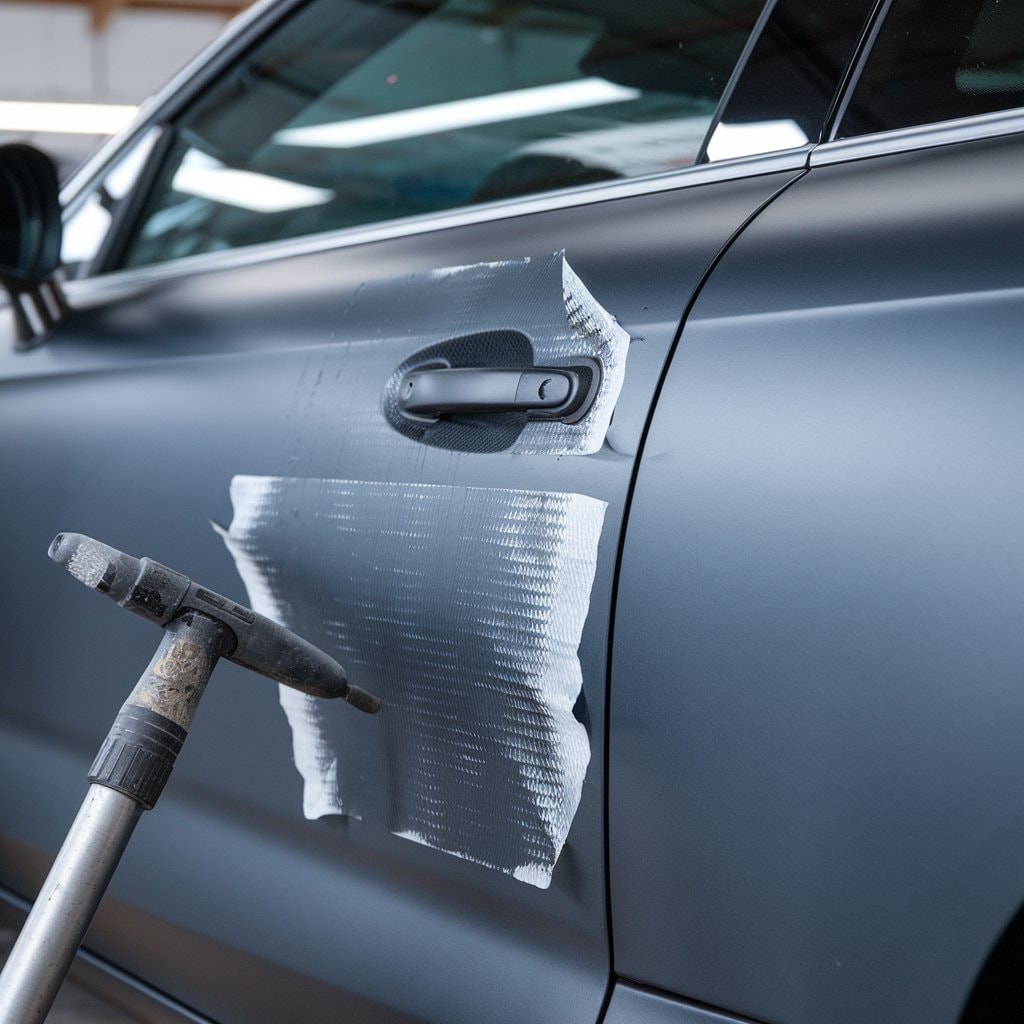
Repairing lifted vinyl wrap is essential to keep your vehicle looking sharp. Small lifts can lead to dirt and moisture getting under the wrap. This damage grows and ruins the whole wrap. Acting fast saves time and money. You can fix most lifts yourself with simple tools.
Reapplying Adhesive
Start by cleaning the lifted area. Use rubbing alcohol to remove dirt and oils. Let it dry fully. Apply vinyl adhesive carefully under the lifted part. Press the vinyl down firmly. Use a roller or cloth to smooth out air bubbles. This helps the wrap stick better and last longer.
Using Heat For Reattachment
Heat softens the vinyl and activates the glue. Use a heat gun or hair dryer on low heat. Move it evenly over the lifted area. Avoid overheating to prevent damage. Once warm, press the vinyl back in place. Smooth it with a roller for a tight seal. Heat makes the vinyl flexible and easier to fix.
When To Replace Sections
Sometimes the vinyl is too damaged. Tears, large bubbles, or wrinkles may not fix well. If the lift keeps coming back, replacement is best. Cut out the damaged section carefully. Replace it with a matching piece of vinyl. Proper replacement restores the look and protection of the wrap.
Credit: magentasigns.com

Credit: teckwrap.com
Frequently Asked Questions
How Do I Prevent Vinyl Wrap Edges From Lifting?
To prevent lifting, ensure proper surface cleaning before application. Use heat to seal edges firmly. Regularly inspect and reapply adhesive if needed.
What Causes Vinyl Wrap To Lift Over Time?
Vinyl wrap lifts due to dirt, moisture, and poor installation. Sun exposure and temperature changes also weaken adhesive bonds.
Can Heat Help Stop Vinyl Wrap From Lifting?
Yes, gentle heat softens the vinyl, improving adhesion. Use a heat gun or hairdryer carefully to press edges down.
How Often Should I Maintain My Vinyl Wrap?
Inspect your vinyl wrap monthly. Clean gently and check edges for lifting. Promptly fix any loose areas to extend wrap life.
Conclusion
Stopping vinyl wrap from lifting takes care and attention. Clean the surface well before applying the wrap. Use heat to help the vinyl stick better. Avoid sharp bends or stretching the vinyl too much. Regularly check for any edges starting to peel.
Fix small lifts quickly to prevent bigger problems. Keep your wrap dry and clean to extend its life. These small steps protect your vinyl wrap and keep it looking good longer. Simple actions make a big difference in wrap durability.


