Taking care of a saltwater fish can seem tricky at first, but with the right steps, you can create a thriving underwater world right in your home. If you want your fish to stay healthy and vibrant, knowing how to maintain their environment is key.
In this guide, you’ll discover simple and effective ways to keep your saltwater fish happy. Whether you’re a beginner or looking to improve your skills, these tips will help you avoid common mistakes and enjoy a beautiful aquarium. Keep reading to unlock the secrets of successful saltwater fish care!
Choosing The Right Saltwater Fish
Choosing the right saltwater fish is the first step to a healthy aquarium. Different fish have different needs. Picking the best fish helps you avoid problems later. It also makes your tank more beautiful and peaceful.
Think about your experience, tank size, and water setup. Some fish are easier to care for than others. Some species do better with friends. Others grow bigger than you expect. Knowing these details saves time and effort.
Beginner-friendly Species
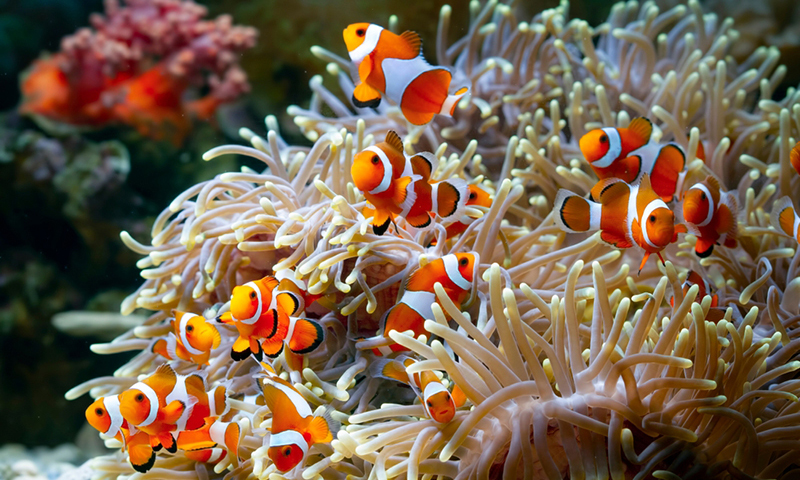
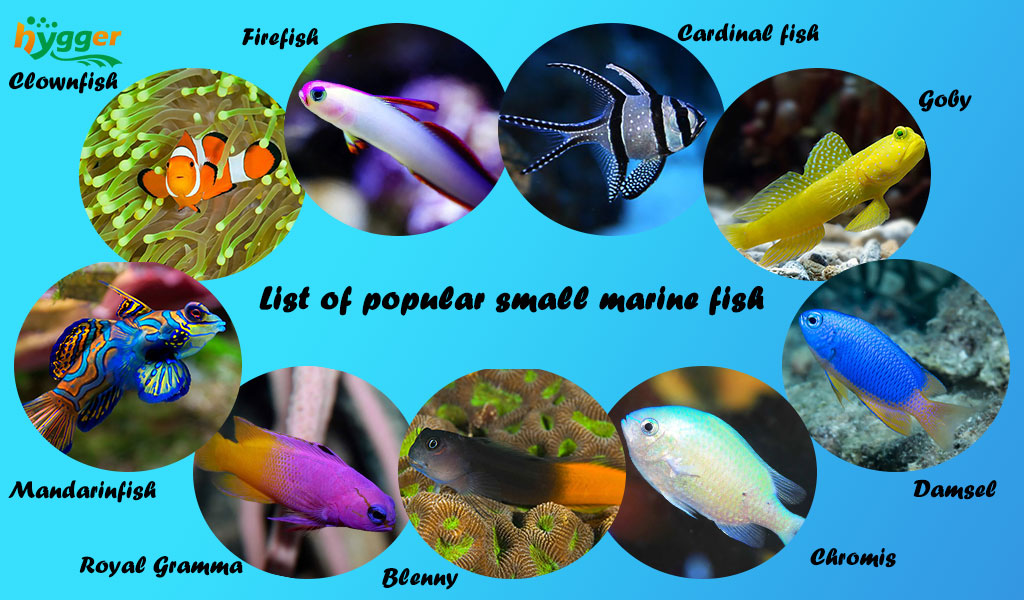
Start with fish that are easy to care for. Clownfish and damselfish are popular choices. They adapt well to home tanks. These fish need less special care. They tolerate small changes in water better.
Other beginner-friendly fish include gobies and blennies. They are peaceful and active. These species help you learn without stress. Avoid delicate fish that need exact conditions.
Compatibility With Other Fish
Some fish get along well with others. Others are aggressive or territorial. Mixing incompatible fish causes fights and stress. Research each species’ behavior first. Choose fish with similar temperaments.
Schooling fish like chromis enjoy groups. Avoid putting predators with small, shy fish. Keep peaceful fish together to create a calm tank. Compatibility helps all fish thrive.
Size And Growth Considerations
Think about how big your fish will grow. Some start small but become very large. A small tank is not good for large fish. Large fish need more space and food.
Know adult size before buying. Plan your tank size accordingly. Overcrowding leads to poor water quality. Give your fish room to swim and grow.
Setting Up The Aquarium
Setting up a saltwater fish aquarium needs careful planning. The right environment helps fish stay healthy and happy. You must think about tank size, filtration, lighting, and water flow. These factors create a safe home for your fish.
Tank Size And Shape
Choose a tank size based on the fish species. Bigger tanks are easier to maintain. Fish have more space to swim. Rectangular tanks offer better surface area for oxygen exchange. Avoid very tall or narrow tanks. They limit swimming space and water movement.
Filtration Systems
Good filtration keeps water clean and clear. Use a filter designed for saltwater tanks. It removes waste, toxins, and uneaten food. Biological filters help beneficial bacteria grow. These bacteria break down harmful substances. Change or clean filter media regularly to keep it effective.
Lighting Requirements
Lighting affects fish health and coral growth. Use lights that mimic natural sunlight. LED lights are energy-efficient and adjustable. Provide 8 to 12 hours of light daily. Too much light causes algae growth. Too little light stresses fish and plants.
Water Circulation And Aeration
Water must flow gently but constantly. Circulation helps oxygen reach all parts of the tank. Use powerheads or wavemakers to create movement. Aeration adds oxygen to the water surface. It improves fish breathing and waste breakdown. Check pumps often to avoid failures.
Maintaining Water Quality
Maintaining water quality is key to keeping saltwater fish healthy. Clean water supports their breathing, growth, and colors. Poor water conditions cause stress and disease. Regular checks and adjustments keep the tank safe and stable for your fish.
Salinity Levels
Saltwater fish need proper salt levels in the water. Use a hydrometer or refractometer to measure salinity. The ideal range is usually 1.020 to 1.025 specific gravity. Check salinity weekly and adjust with fresh water or salt mix. Sudden changes can harm fish, so make changes slowly.
Temperature Control
Fish need steady water temperature. Most saltwater fish thrive between 75°F and 82°F (24°C to 28°C). Use a reliable aquarium heater and thermometer. Avoid placing the tank near windows or vents to prevent temperature swings. Stable temperature reduces fish stress and illness.
Ph Balance
pH measures how acidic or basic the water is. Saltwater fish prefer a pH between 8.1 and 8.4. Test pH regularly with test kits. If pH is too low or high, use buffers designed for saltwater tanks. Keep the pH stable to support fish health and coral growth.
Ammonia, Nitrite, And Nitrate Monitoring
Ammonia and nitrite are toxic to fish, even in small amounts. Use water test kits to measure these chemicals weekly. Ammonia and nitrite should always be at zero. Nitrate is less harmful but should stay below 20 ppm. Regular water changes help keep these levels safe.
Credit: www.coralifeproducts.com
Feeding Your Saltwater Fish
Feeding your saltwater fish is a key part of their care. Proper feeding keeps them healthy and active. Knowing what and how much to feed helps avoid problems in your tank. This section explains food types, feeding frequency, and avoiding overfeeding.
Types Of Food
Saltwater fish need a mix of foods for good health. Use high-quality flakes or pellets made for marine fish. Live food like brine shrimp or small crustaceans adds protein. Frozen foods are also a good choice. Some fish enjoy algae or seaweed sheets. Variety keeps fish happy and nourished.
Feeding Frequency
Feed your fish small amounts two to three times a day. Young fish may need more frequent feedings. Adult fish usually do well with two meals daily. Watch your fish eat and adjust the amount if needed. Regular feeding helps maintain a stable tank environment.
Avoiding Overfeeding
Too much food harms your fish and water quality. Leftover food decays and pollutes the tank. Feed only what fish can eat in two to three minutes. Remove any uneaten food after feeding. Overfeeding can cause health issues and algae growth.
Health And Disease Prevention
Keeping saltwater fish healthy is key to a happy aquarium. Fish need clean water and good food. You must watch for signs of sickness early. This helps stop diseases from spreading. Healthy fish live longer and look more colorful.
Common Diseases
Saltwater fish often get diseases like ich, velvet, and fin rot. Ich shows as small white spots on fish. Velvet looks like a gold dust on skin. Fin rot causes fins to look torn or ragged. These diseases spread fast in tanks. Treat them quickly with proper medicine.
Quarantine Procedures
Always keep new fish in a separate tank first. This is a quarantine tank. It stops diseases from entering your main tank. Watch new fish for at least two weeks. Check for unusual spots or behavior. Only move fish to the main tank if they look healthy.
Signs Of Stress And Illness
Fish under stress may hide or swim oddly. They might lose appetite or color. Look for clamped fins or rapid breathing. These signs mean the fish may be sick. Early detection helps treat problems faster. Regular observation keeps your fish safe.
Credit: kdfoundation.org
Regular Maintenance Tasks
Regular maintenance tasks keep your saltwater fish healthy and happy. These tasks help maintain clean water and a safe environment. Consistent care prevents common problems and stress for your fish. Focus on three key areas for best results.
Water Changes
Change part of the water every week. About 10-20% is enough to remove waste. Use water that matches the tank’s temperature and salt levels. This keeps the water fresh and fish safe. Regular water changes stop harmful chemicals from building up.
Cleaning The Tank
Clean the tank walls and decorations often. Use a soft sponge or algae scraper. Avoid harsh chemicals that can harm fish. Remove leftover food and debris from the bottom. A clean tank looks good and keeps fish healthy.
Checking Equipment Functionality
Check filters, heaters, and lights daily. Make sure everything works properly. Replace or fix broken parts quickly. Proper equipment keeps water stable and fish comfortable. Good gear reduces stress and illness in fish.
Creating A Natural Environment
Creating a natural environment for saltwater fish is key to their health and happiness. It helps fish feel safe and behave naturally. A well-set tank reduces stress and keeps fish active. Replicating ocean conditions improves water quality and fish behavior. Focus on elements like live rock, plants, and hiding spots to build this environment.
Live Rock And Coral
Live rock provides a natural habitat for saltwater fish. It offers surfaces for beneficial bacteria to grow. These bacteria help break down waste and keep water clean. Coral adds beauty and shelter. Both live rock and coral create hiding places and resting spots. They also encourage natural fish behaviors like grazing and exploring.
Plant Selection
Choose saltwater plants that suit your fish species. Plants improve water quality by absorbing toxins. They offer shade and shelter for shy fish. Select hardy plants that survive in saltwater tanks. Examples include macroalgae and seagrasses. Healthy plants add color and life to your aquarium.
Hiding Spots And Decorations
Fish need places to hide and feel safe. Use decorations that mimic natural ocean features. Caves, tunnels, and crevices work well. Avoid sharp or rough edges that can hurt fish. Arrange hiding spots to reduce fish stress and aggression. These areas help fish rest and avoid predators.

Credit: www.sheknows.com
Frequently Asked Questions
How Often Should I Clean A Saltwater Fish Tank?
Clean your saltwater tank weekly by removing debris and changing 10-20% of the water. This keeps water quality stable and fish healthy.
What Is The Best Diet For Saltwater Fish?
Feed a balanced diet of high-quality flakes, pellets, and frozen foods. Include protein-rich options like brine shrimp and mysis shrimp for optimal health.
How Do I Maintain Proper Water Parameters For Saltwater Fish?
Test water regularly for salinity, pH, ammonia, nitrite, and nitrate. Keep salinity around 1. 020-1. 025 and pH near 8. 1-8. 4 for best results.
Can Saltwater Fish Live With Freshwater Fish?
No, saltwater and freshwater fish cannot live together. They require different water conditions and salinity levels to survive.
Conclusion
Caring for a saltwater fish takes patience and regular effort. Keep the tank clean and water balanced. Feed your fish the right food in small amounts. Watch your fish daily for signs of stress or illness. A healthy environment helps your fish live longer and happier.
Enjoy the beauty and calm they bring to your home. Saltwater fish care is rewarding with simple, steady steps.