
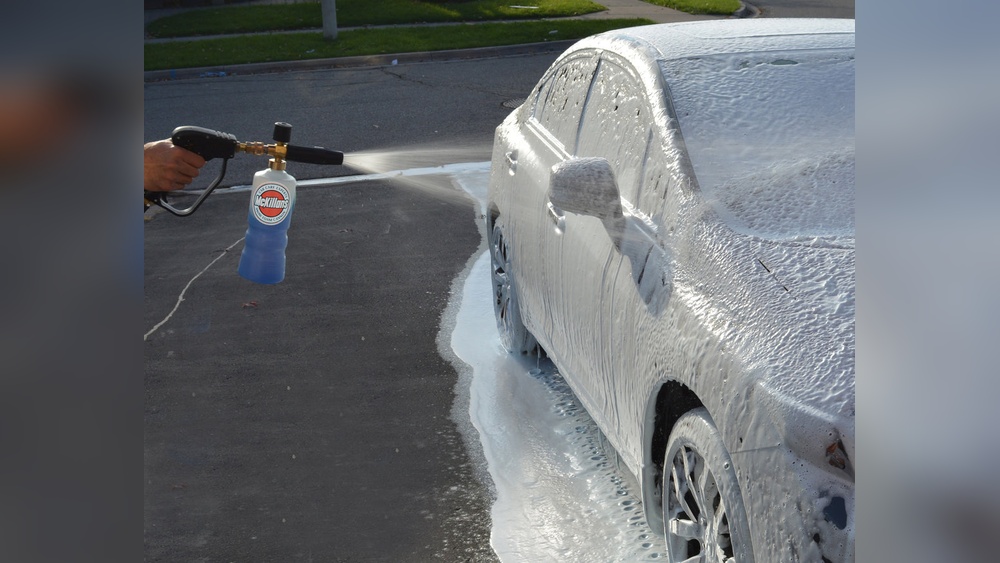
Is your foam cannon leaving you frustrated instead of delivering that thick, soapy foam you expected? You’re not alone.
Many people wonder why their foam cannon isn’t working the way it should, even after following the instructions. The good news is, the problem is usually easier to fix than you think. You’ll discover the common reasons behind a malfunctioning foam cannon and simple tips to get it back to creating rich foam that makes cleaning easier and more satisfying.
Keep reading—you’re just a few steps away from turning your foam cannon into a powerful cleaning tool again.
Common Foam Cannon Issues
Foam cannons are great tools for cleaning cars and outdoor surfaces. Sometimes they don’t work right. Knowing common issues helps fix them fast. Below are frequent problems with foam cannons and how they show up.
Low Foam Output
Low foam output means the foam looks thin or weak. This can happen if soap mix is too light. Check the soap ratio in the cannon’s reservoir. Also, low water pressure can reduce foam strength. Clean the nozzle and filter to remove blockages. Using the right soap designed for foam cannons helps a lot.
Uneven Spray Pattern
Uneven spray means foam shoots out in patches or misses some spots. Dirt or debris in the nozzle often causes this. The nozzle tip may be worn or damaged. Tighten or replace the nozzle if needed. Make sure the cannon is attached correctly to the pressure washer. A steady hand keeps the spray even too.
No Foam Production
No foam at all can be frustrating. It usually means a clog or no soap is reaching the cannon. Check if the soap tube is connected and not cracked. Clear any blockages in the soap intake. The pressure washer might not be on high enough. Also, check the water flow settings. Use foam cannon soap only, not regular detergent.

Credit: www.youtube.com
Check Water Pressure
Checking the water pressure is an important step when your foam cannon is not working. Water pressure affects how much foam you get and how well it sprays. Low pressure means less foam and weak spray. High pressure helps the foam cannon perform better.
Optimal Pressure Levels
Most foam cannons work best with water pressure between 90 and 120 PSI. This range helps the soap mix well with water. It also creates thick foam that sticks to surfaces. Pressure below 90 PSI may cause weak foam. Above 120 PSI can damage the equipment.
Impact Of Low Pressure
Low water pressure reduces foam output. The spray may seem thin and watery. Soap does not mix properly at low pressure. This makes cleaning harder and slower. Check your water source and hose for blockages. Clear any kinks or clogs to improve pressure.
Inspect Soap Mixture
Checking the soap mixture is key to fixing foam cannon issues. The right blend helps create thick, lasting foam. Too little or too much soap affects foam quality and performance.
Understanding the soap mixture can save time and improve cleaning results. It keeps the foam cannon working smoothly and efficiently.
Correct Soap Concentration
The soap concentration must be just right. Too much soap causes weak foam and clogs the cannon. Too little soap means thin, watery foam that does not stick well.
Follow the soap maker’s instructions for the best ratio. Usually, a mix of 1 to 3 percent soap in water works well. Adjust the mix if foam looks too thin or breaks quickly.
Choosing The Right Soap
Use soap made for foam cannons or pressure washers. Regular dish soap or household cleaners can damage the cannon or produce poor foam. Specialized soaps create thick, rich foam that cleans better.
Look for a soap that is biodegradable and safe for your car or surface. Avoid soaps with strong chemicals or additives that harm paint or metal.
Clean The Foam Cannon
Cleaning the foam cannon is important for its proper work. Dirt and soap build-up can block parts. This stops the foam from coming out well. Regular cleaning keeps the foam strong and thick. It also makes the cannon last longer. Let’s see how to clean the foam cannon right.
Clogged Nozzles
Nozzles can get blocked by soap or dirt. This stops foam from spraying out. Use warm water to rinse the nozzle. A small brush helps clear tiny holes. Make sure water flows freely through the nozzle. Clear nozzles give a strong, even foam spray.
Removing Residue Build-up
Soap and dirt can stick inside the foam cannon. This residue blocks water and foam flow. Soak parts in warm water mixed with vinegar. Use a soft brush to scrub stuck residue gently. Rinse all parts well before use. Clean parts work better and last longer.
Examine Air Intake
Examining the air intake is a key step in fixing a foam cannon that does not work properly. The air intake helps the foam cannon mix air with soap and water to create thick foam. Any problem in this part can stop foam production or make it weak.
Air Valve Function
The air valve controls how much air enters the foam cannon. It needs to open and close smoothly. If the valve is stuck or broken, air cannot flow in. Without air, the foam will be thin or not form at all. Check the valve for dirt or damage. Clean it gently or replace it if needed.
Blocked Air Pathways
Air travels through small tubes or holes inside the foam cannon. These pathways must be clear for air to reach the soap mixture. Dirt, soap residue, or debris can block these paths. This block stops air from mixing with water and soap. Clean the air pathways with a thin brush or compressed air. Make sure all parts are dry before use.
Adjust Foam Cannon Settings
Adjusting your foam cannon settings is key to getting thick foam. Small changes can make a big difference. Understanding how to tweak the settings helps you fix common problems.
Focus on the nozzle and foam thickness controls. These parts control the mix of air, soap, and water. Correct settings give you the best foam coverage.
Nozzle Adjustment Tips
Start by checking the nozzle size. A larger nozzle lets more soap flow out. A smaller nozzle makes the foam denser but less spread out.
Turn the nozzle to change the spray pattern. A wide spray covers more area. A narrow spray gives stronger foam in one spot.
Keep the nozzle clean. Dirt or soap buildup can block the spray. Rinse it with water after each use for smooth operation.
Dialing Foam Thickness
Use the foam thickness dial on the cannon. This controls the soap and water mix ratio. More soap means thicker foam.
Adjust the dial slowly. Test the foam after each change. Find the right balance for your cleaning needs.
Remember, water pressure also affects foam thickness. Higher pressure usually creates better foam. Check your water source if foam is weak.
Preventive Maintenance Tips
Preventive maintenance keeps your foam cannon working well for a long time. Small care steps stop common problems early. Follow these tips to avoid clogs and damage. Save time and money by keeping your tool ready for use.
Regular Cleaning Schedule
Clean your foam cannon after every use. Rinse all parts with warm water to remove soap and dirt. Use a soft brush to clear small holes. Check the nozzle and filter for blockages. Dry the parts before reassembly. This routine stops buildup that blocks spray flow.
Storing The Foam Cannon Properly
Store your foam cannon in a dry place away from sunlight. Avoid leaving it outdoors or in damp spots. Keep it upright to prevent water from staying inside. Remove any leftover soap before storage. Proper storage stops rust and keeps seals fresh. This helps your foam cannon last longer and work better.

Credit: www.reddit.com

Credit: www.mckillans.com
Frequently Asked Questions
Why Is My Foam Cannon Producing Weak Foam?
Weak foam often results from low soap concentration or incorrect soap type. Use high-quality, foam-specific soap and adjust the mix ratio. Also, ensure the water pressure is adequate and the cannon nozzle is clean and unobstructed for optimal foam output.
How Do I Fix A Foam Cannon That Won’t Spray?
Check for clogs in the nozzle or hose. Clean or replace any blocked parts. Verify the connection to the pressure washer is secure. Also, ensure the soap reservoir has enough solution and the pressure washer is functioning correctly.
Can Water Pressure Affect Foam Cannon Performance?
Yes, low water pressure reduces foam quality and spray distance. Use a pressure washer with at least 1000 PSI for best results. Higher pressure creates denser foam and better coverage, improving the foam cannon’s effectiveness.
Why Is Foam Cannon Foam Disappearing Quickly?
Foam dissipates fast if the soap mix is too dilute or the surface is hot. Increase soap concentration and apply foam on cooler surfaces. Using a foam cannon with proper pressure also helps maintain foam longevity.
Conclusion
Troubleshooting your foam cannon is easier than it seems. Check all connections and clean filters regularly. Use the right soap and water mixture for best foam. Adjust the spray nozzle to find the perfect setting. Small changes can make a big difference in foam quality.
Stay patient and try each step carefully. Soon, your foam cannon will work smoothly and create thick, rich foam. Keep these tips in mind for a better car wash experience every time.


