
Taking care of your bikini area after waxing is key to keeping your skin smooth, healthy, and irritation-free. If you’ve ever experienced redness, bumps, or discomfort after waxing, you know how frustrating it can be.
But don’t worry—knowing the right steps to soothe and protect your skin can make all the difference. You’ll discover simple, effective tips that help your skin heal faster and stay flawless longer. Keep reading to learn how to treat your bikini area with the care it deserves after waxing.
Immediate Aftercare Steps
Taking care of your bikini area right after waxing is very important. The skin is sensitive and needs gentle treatment. Immediate care helps avoid irritation and redness. Follow these simple steps to soothe your skin and keep it healthy.
Clean The Area Gently
Use lukewarm water and a mild soap to clean the area. Avoid scrubbing or using rough cloths. Pat dry with a soft towel. This prevents irritation and keeps the skin fresh.
Apply A Soothing Lotion
Choose a lotion with calming ingredients like aloe vera or chamomile. Apply a thin layer to the waxed area. This helps reduce redness and soothes the skin quickly. Avoid heavy creams or perfumes.
Avoid Tight Clothing
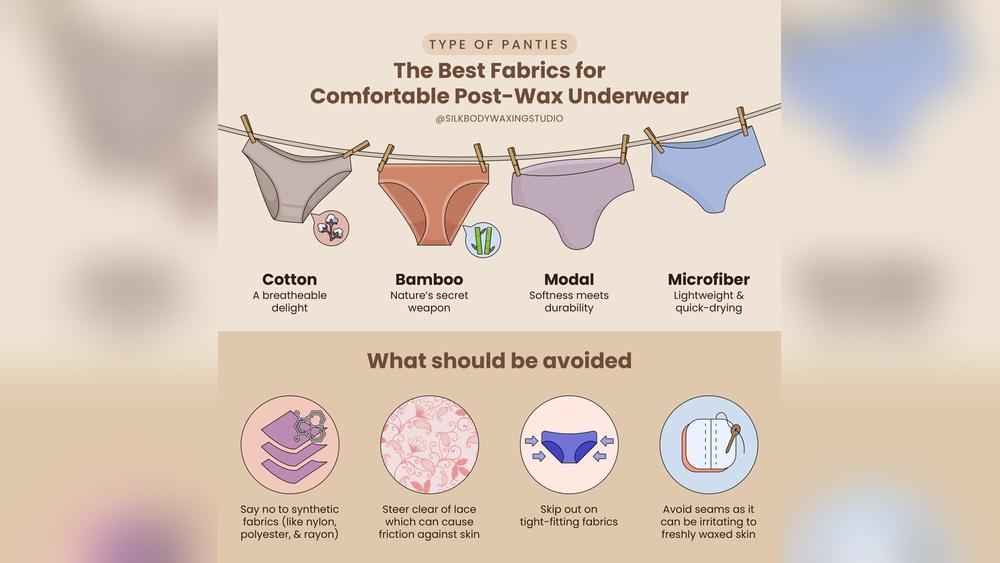
Wear loose clothes to let your skin breathe. Tight clothes can rub and cause discomfort or bumps. Soft, breathable fabrics reduce irritation and speed up healing. Change into loose clothes right after waxing.
Credit: sablissfulspa.com
Managing Redness And Irritation
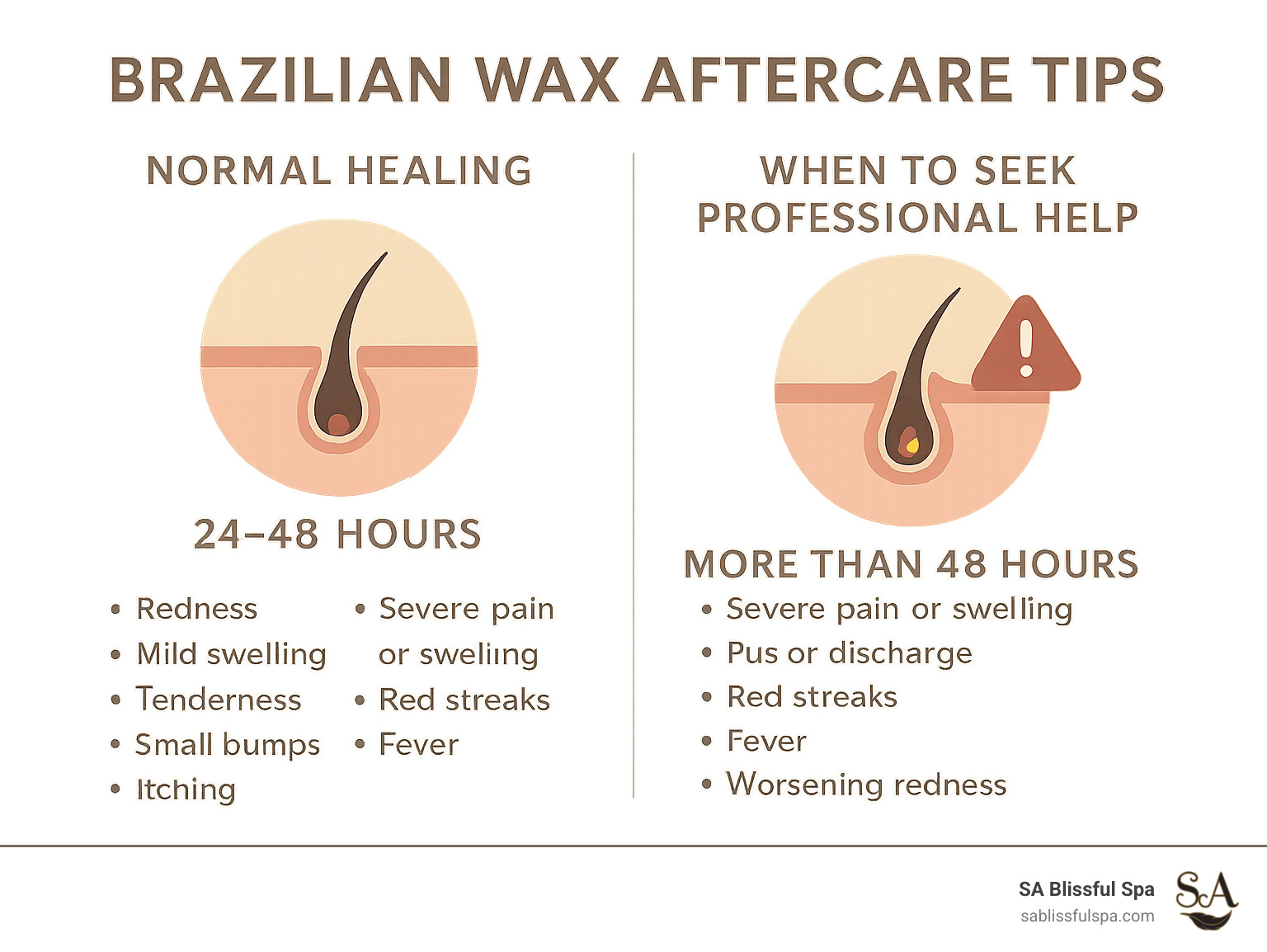
After waxing your bikini area, redness and irritation often appear. This reaction is normal. The skin there is delicate and sensitive. Managing these symptoms helps you feel comfortable and heal faster. Follow simple steps to calm the skin and avoid worsening the irritation.
Use Cold Compresses
Cold compresses reduce swelling and soothe the skin. Wrap ice in a clean cloth. Hold it gently on the waxed area for 10 to 15 minutes. Repeat this several times a day. Avoid putting ice directly on the skin. This method helps decrease redness and cools the irritated skin.
Opt For Natural Remedies
Natural remedies calm the skin without harsh chemicals. Aloe vera gel is a great choice. It hydrates and reduces inflammation. Apply a thin layer to the waxed area. Coconut oil also soothes and moisturizes. Use pure, organic oils for the best effect. These remedies help the skin heal gently.
Avoid Scratching
Scratching worsens irritation and can cause infection. The skin is sensitive after waxing. Keep your hands away from the waxed area. If itching occurs, gently pat or tap the skin instead. Wear loose clothes to prevent friction. Protecting the skin helps it heal faster and stay healthy.
Preventing Infection
Preventing infection after waxing the bikini area is very important. The skin is sensitive and tiny openings can allow bacteria in. Taking proper care helps avoid redness, swelling, and pain. Follow these simple steps to keep your skin safe and healthy after waxing.
Keep The Area Dry
Moisture can cause bacteria to grow fast. Avoid sweating or getting the area wet for at least 24 hours. Pat the skin dry if you need to clean it. Do not rub the area with a towel. Keeping it dry helps stop infections from starting.
Avoid Swimming And Hot Tubs
Water from pools and hot tubs holds many germs. These can enter the skin and cause infection. Stay away from swimming pools, hot tubs, and saunas for two days. Let your skin heal without exposure to harmful bacteria in water.
Choose Breathable Fabrics
Wear loose, cotton underwear and clothes after waxing. Tight clothes trap sweat and heat, which irritate the skin. Breathable fabrics allow air to flow. This helps keep the area cool and dry, lowering infection risks.

Credit: www.amazon.com
Long-term Care Tips
Taking care of your bikini area after waxing is important for smooth, healthy skin. Long-term care helps prevent irritation, ingrown hairs, and dryness. It also keeps your skin soft and fresh between waxing sessions.
Exfoliate Regularly
Gently exfoliate the bikini area two times a week. This removes dead skin cells and stops ingrown hairs. Use a soft scrub or a gentle exfoliating glove. Avoid harsh scrubs that can irritate sensitive skin.
Moisturize Daily
Apply a light, fragrance-free moisturizer every day. This keeps the skin hydrated and soft. Choose creams or lotions made for sensitive skin. Moisturizing reduces dryness and helps skin heal faster after waxing.
Schedule Consistent Waxing Sessions
Keep a regular waxing schedule every 3 to 4 weeks. Consistency helps hair grow back finer and slower. It also reduces pain and skin irritation over time. Avoid skipping sessions to maintain smooth results.
What To Avoid After Waxing
Taking care of your bikini area after waxing is very important. Avoiding certain things can help your skin heal faster. It also prevents irritation and infection. Below are key things to avoid for the best results.
Steer Clear Of Sun Exposure
Direct sun can harm freshly waxed skin. It causes redness, burns, and dark spots. Avoid sunbathing or tanning beds for at least 48 hours. Wear loose clothing to protect the area if you go outside.
Skip Harsh Skincare Products
Do not use strong soaps or scrubs on the waxed skin. These can irritate and dry out the area. Avoid products with alcohol, fragrances, or acids. Stick to gentle, fragrance-free cleansers and moisturizers instead.
Avoid Intense Workouts
Heavy sweating can cause irritation and discomfort. Skip intense exercise for 24 to 48 hours after waxing. Sweating traps bacteria, which may lead to infection or bumps. Choose light activities or rest during this time.

Credit: www.amazon.com
Signs To Watch For
After waxing your bikini area, watching for certain signs is important. These signs show how your skin reacts and if any problem begins. Knowing what to notice helps you care better and avoid issues.
Recognize Infection Symptoms
Infection can happen if bacteria enter the skin. Watch for redness that spreads beyond the waxed area. Swelling that grows or feels hot is a warning sign. Pain that increases instead of lessening needs attention. Small bumps filled with pus or fluid also show infection. A bad smell from the area can mean germs are growing. Itchiness with these symptoms may occur but is less common. Keep the area clean and dry to prevent infection.
When To See A Doctor
See a doctor if symptoms worsen or do not improve in two days. High fever with pain or swelling needs medical care. If pus-filled bumps spread or become very painful, get help. Deep skin pain or spreading redness also means you should visit a doctor. Early treatment stops problems from getting worse. Do not wait if you feel very unwell after waxing. A doctor can prescribe medicines to heal your skin quickly.
Frequently Asked Questions
How Soon Can I Shower After Bikini Waxing?
You should wait at least 24 hours before showering to avoid irritation. Use lukewarm water and avoid harsh soaps. This helps prevent bacteria from entering pores and reduces redness or inflammation.
What Products Soothe The Bikini Area Post-waxing?
Use gentle, fragrance-free moisturizers or aloe vera gel to calm the skin. Avoid alcohol-based or scented products as they can cause burning or dryness. Applying a cold compress also helps reduce swelling and discomfort.
How To Prevent Ingrown Hairs After Bikini Waxing?
Exfoliate gently 2-3 days after waxing with a mild scrub to remove dead skin. Avoid tight clothing and heavy sweating for 24-48 hours. This keeps hair follicles clear and reduces the risk of ingrown hairs.
Is It Normal To Experience Redness After Waxing?
Yes, mild redness and swelling are common immediately after waxing. These symptoms usually subside within a few hours to a day. Applying soothing products and avoiding heat can speed up healing.
Conclusion
Taking care of your bikini area after waxing helps keep your skin smooth. Avoid tight clothes to let your skin breathe. Use gentle products to stop irritation and redness. Keep the area clean but do not scrub hard. Applying a cool compress can soothe any discomfort.
Stay out of direct sun to prevent damage. Drink water to help your skin heal faster. Follow these tips for a comfortable and fresh feeling. Simple steps make a big difference in your skin’s health. Your skin will thank you with every care you give.
