

Have you ever wondered how often you should replace your brake rotors? If you want to keep your car safe and running smoothly, knowing when to change them is crucial.
Worn-out rotors can lead to noisy brakes, reduced stopping power, and costly repairs down the road. You’ll discover clear signs to watch for, how to check your rotors, and the best timing for replacement. Keep reading to protect your safety and save money on car maintenance.
Signs Of Worn Brake Rotors
Worn brake rotors can reduce your car’s stopping power. Knowing the signs helps you stay safe. Early detection prevents costly repairs and accidents. Pay attention to changes in your brakes’ performance.
Visible Damage And Warping
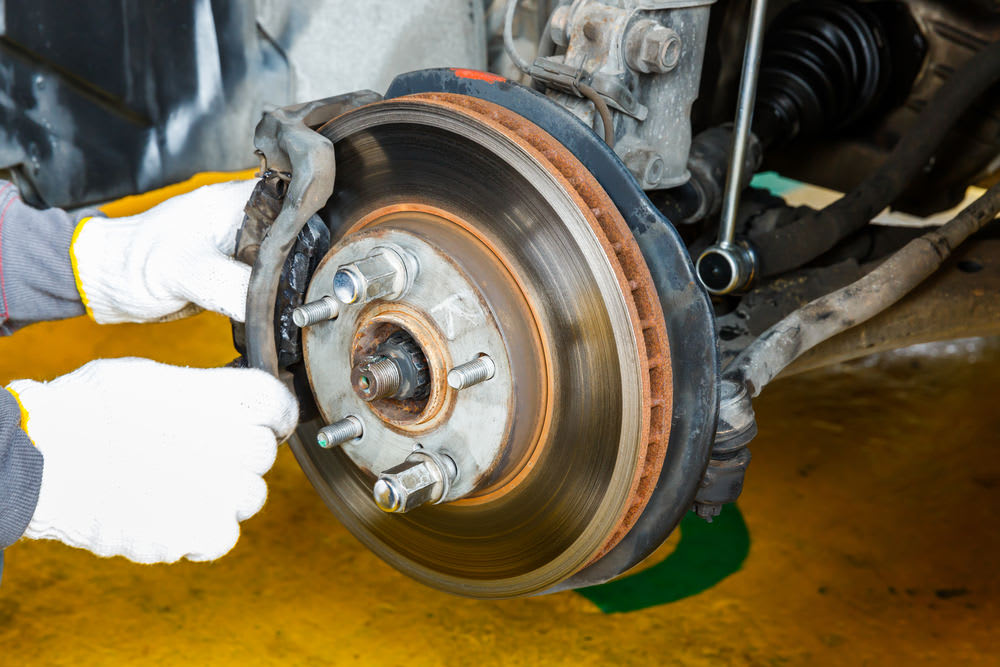
Look closely at your brake rotors. Deep grooves or cracks show visible damage. Warped rotors may have uneven surfaces. This can cause poor contact with brake pads. Warping often happens from excessive heat or wear. Replacing damaged rotors keeps braking smooth and safe.
Unusual Noises During Braking
Squealing or grinding sounds mean trouble. High-pitched squeals can indicate worn rotors or pads. Grinding noises usually mean metal is rubbing on metal. These sounds signal rotor damage or extreme wear. Do not ignore strange brake noises. They warn you to check your brakes soon.
Vibrations Felt In The Steering Wheel
Feel shaking or vibrations when braking? This often means warped brake rotors. Warping causes uneven braking force on wheels. Vibrations can be mild or strong depending on wear. Steering wheel feedback helps detect rotor issues early. Fixing rotors stops vibration and improves control.
Credit: www.yourmechanic.com
Factors Affecting Rotor Lifespan
Brake rotor lifespan varies widely. Several key factors influence how long rotors last. Knowing these helps maintain your vehicle’s safety and performance. Understanding these factors can save money and avoid unexpected repairs.
Driving Habits And Conditions
Frequent hard braking wears rotors faster. Driving in stop-and-go traffic adds stress to the brakes. Mountain driving or towing heavy loads increases rotor wear. Smooth, gentle braking extends rotor life. Road conditions like dirt or salt speed up rotor damage.
Quality Of Brake Components
High-quality rotors last longer than cheap ones. Premium brake pads protect rotors better. Poor-quality parts wear out quickly. Using matched parts ensures better performance. Regular maintenance keeps components working well.
Vehicle Type And Usage
Heavy vehicles put more strain on rotors. Sports cars with powerful brakes wear rotors faster. Daily commuting causes less rotor wear than heavy-duty use. Off-road driving can damage rotors quickly. Understanding your vehicle’s use guides replacement timing.
Recommended Replacement Intervals
Knowing when to replace brake rotors keeps your car safe and working well. Rotors wear out over time and need timely replacement. Following recommended replacement intervals helps avoid brake problems. These intervals depend on factors like your car model and driving habits. Understanding these guidelines makes maintenance easier and safer.
Manufacturer Guidelines
Car makers give specific advice on rotor replacement. Check your vehicle’s manual for exact details. These guidelines are based on extensive testing. They consider the rotor’s design and materials. Following these helps keep your warranty valid. Stick to the schedule to ensure optimal brake performance.
Mileage-based Recommendations
Brake rotors usually last between 30,000 and 70,000 miles. The exact mileage depends on driving style and conditions. Frequent stop-and-go traffic wears rotors faster. Long highway drives cause less wear. Track your mileage and plan replacements accordingly. This prevents rotor damage and uneven braking.
Inspection Frequency
Regular inspections catch rotor wear early. Experts suggest checking rotors every 10,000 to 15,000 miles. Look for cracks, grooves, or warping signs. Listen for unusual noises when braking. Inspections help decide if rotors need replacement or resurfacing. Regular checks keep your brakes reliable and safe.
Risks Of Delaying Rotor Replacement
Delaying brake rotor replacement can cause serious problems. The rotors wear down over time and lose their ability to work properly. Ignoring this issue leads to bigger troubles for your car and your safety. Understanding these risks helps you decide when to replace rotors.
Reduced Braking Efficiency
Worn rotors lower the braking power. The brakes take longer to stop the vehicle. This delay increases the chance of accidents. Uneven rotors cause vibrations and noise during braking. This makes driving uncomfortable and unsafe.
Increased Repair Costs
Old rotors damage other brake parts. Brake pads wear out faster on bad rotors. This means more parts need fixing or replacing. Repair bills rise quickly without rotor replacement. Fixing early saves money and avoids bigger repairs.
Safety Hazards On The Road
Bad rotors can cause brake failure in emergencies. This puts you and others at risk. Poor braking reduces control on wet or slippery roads. It also increases stopping distance. Safe driving depends on healthy brake rotors.
Tips For Maintaining Brake Rotors
Brake rotors need care to last longer and work well. Proper maintenance helps avoid costly repairs. Simple steps keep your brakes safe and smooth. Follow these tips to take care of your brake rotors.
Regular Brake Inspections
Check your brake rotors often for wear and damage. Look for cracks, grooves, or rust on the surface. Listen for strange noises when braking. Early detection stops small problems from growing. Visit a mechanic if you notice any issues.
Proper Driving Techniques
Avoid hard braking when you can. Slow down gently to reduce rotor wear. Keep a safe distance from other cars to brake smoothly. Avoid riding the brakes on hills. Smooth driving helps your brake rotors last longer.
Choosing Quality Replacement Parts
Pick brake rotors made from strong, durable materials. Cheap parts wear out faster and may cause problems. Use parts recommended by your vehicle’s manufacturer. Good quality rotors improve safety and performance. Always replace rotors in pairs for balanced braking.

Credit: www.wikihow.com

Credit: www.youtube.com
Frequently Asked Questions
How Often Should Brake Rotors Be Replaced?
Brake rotors typically need replacement every 30,000 to 70,000 miles. This varies by driving habits and rotor quality. Regular inspections help identify wear early, ensuring safe braking performance and avoiding costly damage.
What Are The Signs Of Worn Brake Rotors?
Signs include vibrations during braking, squealing noises, and visible grooves or cracks. Warped rotors cause uneven brake pad contact, reducing braking efficiency and safety. Early detection prevents further damage to your braking system.
Can I Replace Brake Rotors Myself Safely?
Yes, if you have proper tools and mechanical knowledge. Follow safety precautions and manufacturer instructions closely. Otherwise, professional replacement is recommended to ensure correct installation and optimal brake performance.
Do All Brake Rotors Wear Out At The Same Rate?
No, rotor wear depends on driving style, vehicle type, and rotor material. Aggressive braking and heavy loads accelerate wear. Regular maintenance checks help track rotor condition and replacement timing.
Conclusion
Brake rotors wear down with use and need regular checks. Watch for noise, vibration, or poor braking feel. Most rotors last between 30,000 and 70,000 miles. Replace them sooner if you see deep grooves or warping. Proper maintenance keeps your brakes safe and effective.
Don’t wait until problems get worse. Stay alert and keep your vehicle in good shape. Safe driving depends on good brakes. Simple checks can save you money and stress.


