

Taking care of your employees is more than just a responsibility—it’s the key to building a strong, successful team. When you truly support your staff, you unlock their full potential, boost their happiness, and create a workplace where everyone thrives.
But how exactly do you do this? You’ll discover simple, effective ways to show your employees they matter. Keep reading, and learn how to transform your workplace into a place where people feel valued, motivated, and ready to give their best every day.
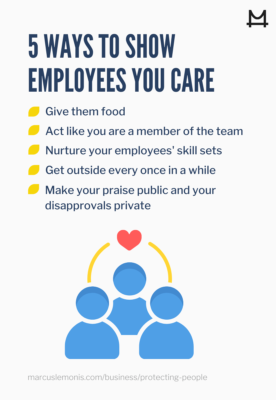
Credit: marcuslemonis.com
Creating A Supportive Work Environment
Creating a supportive work environment helps employees feel valued and secure. It boosts their confidence and motivation. Such an environment encourages growth and teamwork. It also reduces stress and improves job satisfaction.
Supportive workplaces foster trust and respect among team members. They allow employees to express ideas and concerns freely. This kind of environment leads to better problem-solving and innovation.
Fostering Open Communication
Open communication means sharing thoughts clearly and honestly. Encourage employees to speak up without fear. Leaders should listen actively and respond with care. Regular meetings and feedback sessions build trust. This openness helps catch issues early and find quick solutions.
Encouraging Collaboration
Collaboration means working together toward common goals. Create spaces where teams can meet and share ideas. Promote teamwork through group projects and joint tasks. Collaboration strengthens relationships and builds a sense of community. It helps employees learn from each other’s strengths.
Promoting Work-life Balance
Work-life balance means managing job and personal life well. Encourage breaks and reasonable work hours. Support flexible schedules when possible. Respect personal time and avoid unnecessary overtime. Balanced employees are happier, healthier, and more productive.
Providing Growth Opportunities
Providing growth opportunities is key to employee satisfaction and success. It shows employees they matter and have a future in the company. Growth encourages learning, builds skills, and increases motivation. It also helps retain talent by giving workers a reason to stay and grow with the business.
Employees who see a clear path forward work harder. They feel valued and ready to take on new challenges. Creating an environment that supports growth benefits both employees and the company. It builds a stronger, more skilled workforce ready for change.
Offering Training And Development
Training programs help employees learn new skills. They keep workers up to date with industry changes and tools. Development workshops improve problem-solving and teamwork. Regular training boosts confidence and job performance. It also prepares employees for higher roles.
Establishing Clear Career Paths
Clear career paths show employees their next steps. They understand what skills and tasks lead to promotions. This clarity reduces confusion and increases focus. Employees feel motivated to reach set goals. Career paths make growth feel achievable and real.
Recognizing And Rewarding Achievements
Recognition motivates employees to perform well. Rewarding achievements builds a positive work culture. Praise can be public or private but must be sincere. Rewards like bonuses or extra time off boost morale. Celebrating success encourages continuous improvement and loyalty.
Ensuring Employee Wellbeing
Ensuring employee wellbeing is key to a healthy workplace. It helps workers feel valued and supported. Healthy employees are more focused and productive. Taking care of wellbeing reduces stress and illness at work.
Implementing Health And Wellness Programs
Health and wellness programs boost employee energy and morale. Simple activities like group exercises or health screenings work well. Offer flexible schedules for exercise or relaxation breaks. These programs create a positive and active work culture.
Supporting Mental Health
Mental health support helps employees handle stress better. Provide access to counseling services or mental health days. Train managers to recognize signs of mental strain. Open conversations reduce stigma and encourage seeking help.
Creating Safe Workspaces
Safe workspaces prevent accidents and promote comfort. Regularly check equipment and office layout for hazards. Ensure good lighting, ventilation, and ergonomic furniture. A safe environment shows care for employee wellbeing.
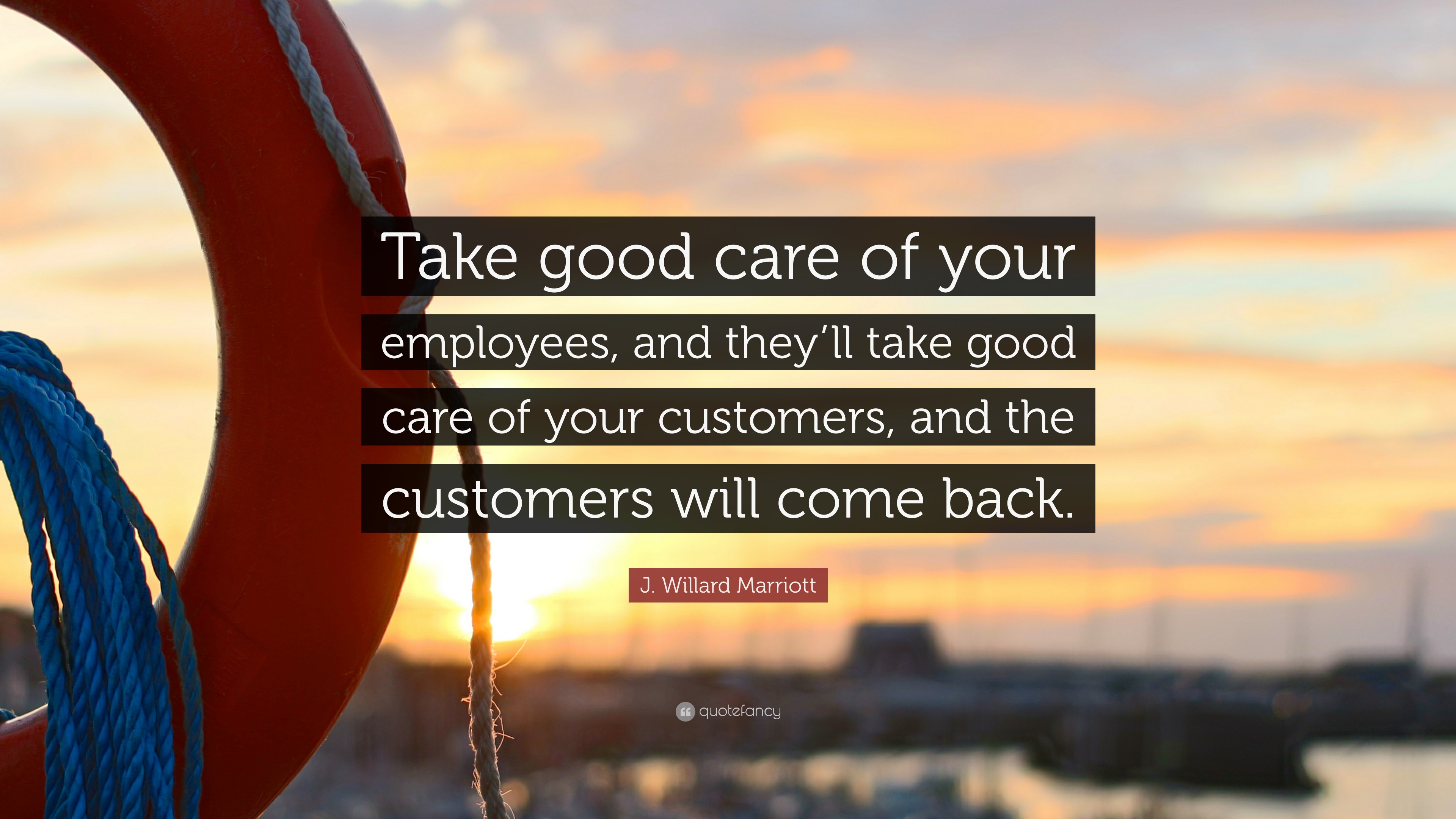
Credit: quotefancy.com
Building Trust And Respect
Building trust and respect in the workplace creates a strong foundation for success. Employees feel safe and valued. They work better and stay longer. Trust grows when leaders are honest and fair. Respect shows when everyone listens and cares. These two qualities help teams thrive and grow.
Practicing Transparent Leadership
Leaders should share clear and honest information. This helps employees understand company goals and challenges. Being open about decisions builds trust fast. It reduces rumors and confusion. Leaders who admit mistakes earn respect. Transparency creates a friendly and loyal workplace.
Encouraging Feedback
Employees want to share ideas and concerns. Listening carefully shows you respect their views. Ask for feedback often and act on it. This makes workers feel important and heard. Feedback also improves work processes and morale. A culture of open communication builds strong trust.
Valuing Diversity And Inclusion
Every employee is different and brings unique strengths. Respect these differences and celebrate them. Include all voices in meetings and decisions. Diversity creates new ideas and solutions. It also shows fairness and kindness. A workplace that values everyone earns deep respect and loyalty.
Enhancing Employee Engagement
Enhancing employee engagement is key to a happy workplace. Engaged employees feel connected to their work and the company. This connection boosts productivity and lowers turnover. Simple steps can create a strong bond between staff and management. These steps help employees feel valued and heard.
Involving Employees In Decision Making
Let employees share their ideas and opinions. This makes them feel important and trusted. Involve them in setting goals or solving problems. It creates a sense of ownership and responsibility. Employees work harder when their voices matter.
Organizing Team Building Activities
Plan activities that bring employees together. Fun events help build trust and friendships. Teamwork improves when people know each other well. Choose simple games or group projects. These activities break down barriers and boost morale.
Maintaining Regular Check-ins
Hold short meetings to discuss work and feelings. Regular check-ins show care and support. Managers learn about challenges early and offer help. Employees feel safe to share ideas or concerns. Consistent communication keeps the team aligned and motivated.
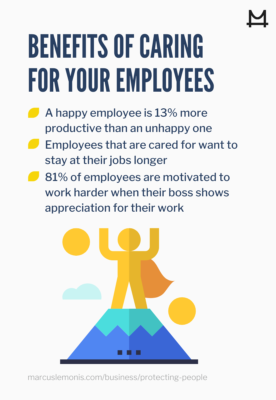
Credit: marcuslemonis.com
Frequently Asked Questions
How Can Employers Support Employee Well-being Effectively?
Employers can support well-being by providing mental health resources, encouraging work-life balance, and promoting a positive workplace culture. Regular check-ins and wellness programs also boost employee morale and productivity. Prioritizing well-being reduces stress and enhances overall job satisfaction.
What Are The Best Ways To Recognize Employee Achievements?
Recognize achievements through regular praise, awards, and public acknowledgment. Personalized feedback and career development opportunities also motivate employees. Celebrating milestones fosters loyalty and encourages continuous improvement, making employees feel valued and appreciated.
How Does Open Communication Improve Employee Care?
Open communication builds trust and transparency between employees and management. It encourages feedback, resolves conflicts quickly, and aligns team goals. Effective communication creates a supportive environment where employees feel heard and valued, boosting engagement and retention.
Why Is Work-life Balance Important For Employees?
Work-life balance reduces burnout and increases job satisfaction. It helps employees manage personal and professional responsibilities better. Supporting flexible schedules and time off leads to healthier, more productive teams and lowers turnover rates.
Conclusion
Taking care of employees builds trust and improves teamwork. Happy workers do better work every day. Small acts of kindness show you value your team. Listen to their needs and support their growth. Create a safe and positive work space.
This helps keep good people and reduces stress. Caring for employees is simple but powerful. It leads to a stronger, happier company. Keep these steps in mind to make work better for everyone.


