

You just got a brand new car, and it looks amazing. Now, you might be wondering: how long do you wait to wax a new car?
Getting this timing right can protect your car’s shiny finish and keep it looking fresh for years. If you wax too soon or wait too long, you might not get the best results. You’ll discover the perfect time to wax your new car and the simple steps to make your paint shine like new.
Keep reading to find out how to give your car the care it deserves.
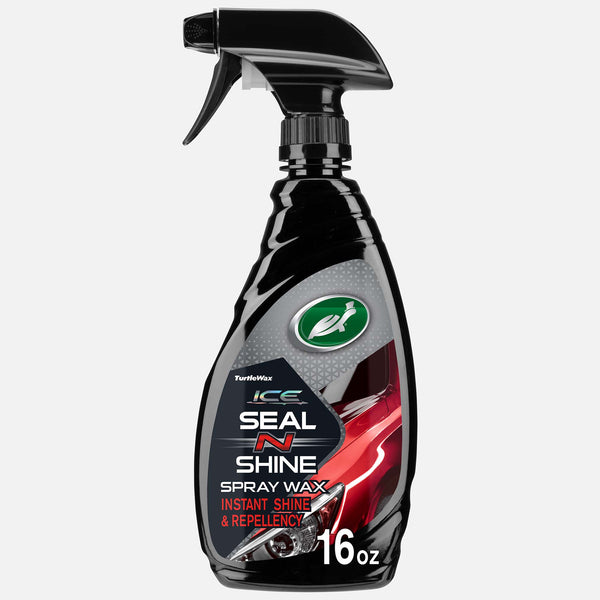
Credit: www.turtlewax.com
Ideal Waiting Period
Knowing the ideal waiting period before waxing a new car protects its paint. Waxing too soon can harm the finish. Waiting allows the paint to harden and set properly. This step is key to keeping your car shiny and safe from damage.
Different paints cure at different rates. Understanding this helps you pick the right time to wax. Let’s explore how long you should wait and how to tell if your paint is ready.
Factory Paint Curing Time
Factory paint usually needs at least 30 days to cure. This time allows all layers to fully harden. The curing process makes the paint strong and durable. Waxing before this period can trap chemicals and cause dull spots. Some paints may take up to 90 days to cure completely. Check your car manual for specific paint details.
Signs Paint Is Ready
The paint surface feels hard and smooth to touch. No sticky or soft spots remain on the paint. Water beads evenly on the surface without soaking in. The color looks bright and consistent all over the car. No haze or cloudiness appears after washing. These signs show the paint is ready for waxing. Properly cured paint absorbs wax better and lasts longer.
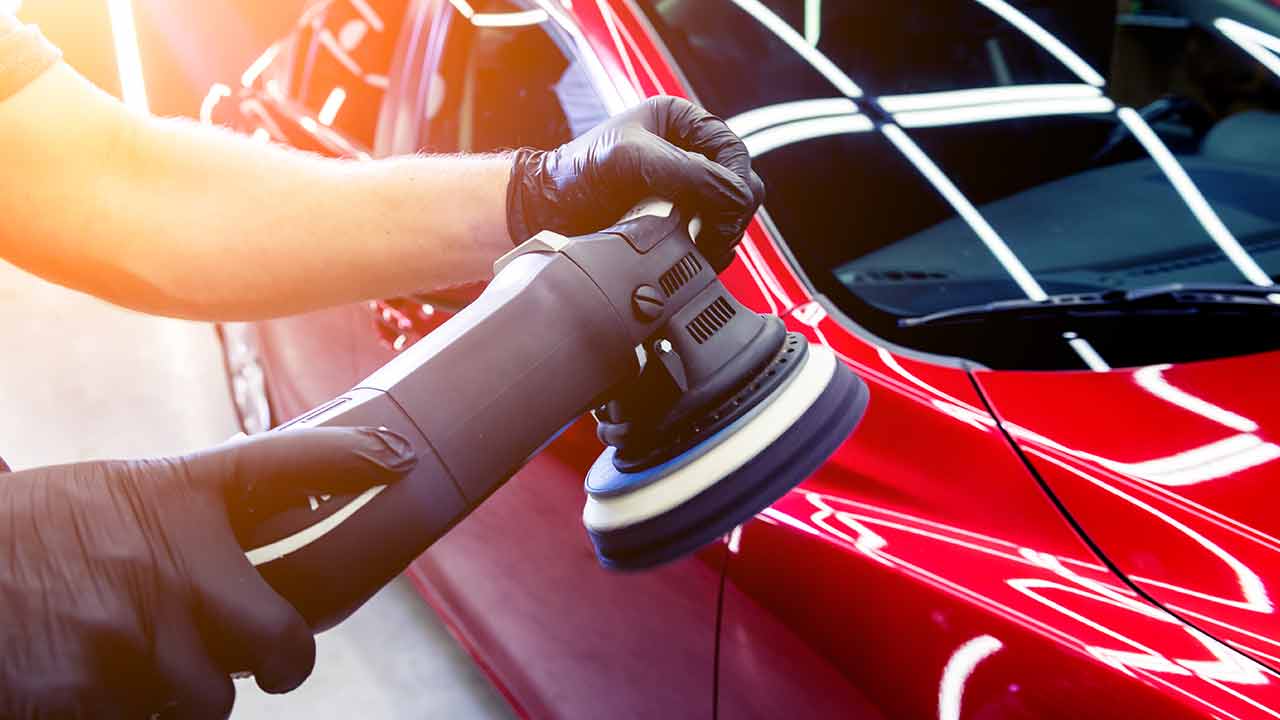
Credit: surfnshine.com
Factors Affecting Timing
Knowing the right time to wax a new car depends on several factors. These factors help protect your car’s paint and keep it shiny. Understanding them helps you decide when to wax for the best results.
Type Of Paint Finish
Different paint finishes affect how soon you should wax. Glossy finishes usually need waxing sooner. Matte finishes may require special wax products. Check your car’s paint type to choose the right wax and timing.
Weather Conditions
Weather plays a big role in waxing timing. Hot sun can damage paint quickly. Rain and snow add dirt and grime. Waxing before harsh weather helps protect the paint. Choose a dry, mild day for waxing.
Car Usage Frequency
How often you use your car matters. Daily drivers face more dirt and dust. They may need waxing more often. Cars used less can wait longer between waxes. Regular waxing keeps paint fresh and safe.
Waxing Benefits And Risks
Waxing a new car offers several benefits but also carries some risks. Understanding both sides helps you decide the best time to wax your vehicle. Wax protects the paint and keeps the car looking shiny. Yet, waxing too soon can harm the fresh paint job. Let’s explore these points.
Protecting Fresh Paint
Wax creates a barrier against dirt, dust, and harmful UV rays. This layer helps prevent paint from fading over time. It also makes cleaning the car easier. Water and grime slide off the waxed surface quickly. Waxing keeps your car looking new and bright for longer. It adds a smooth finish that enhances the car’s shine.
Potential Damage From Early Waxing
New paint needs time to cure fully. Waxing too early can trap moisture or chemicals under the wax. This can cause the paint to peel or discolor. Some waxes contain harsh chemicals that harm soft, fresh paint. Applying wax before the paint hardens increases the risk of scratches. These scratches can ruin the smooth surface of your new car. Waiting a few weeks allows the paint to toughen and avoids these problems.
Expert Waxing Tips
Waxing a new car protects its paint and keeps it shiny. Applying wax at the right time and in the right way makes a big difference. Experts share simple tips to help you get the best results.
Choosing The Right Wax
Pick a wax made for new cars or clear coats. Carnauba wax gives a rich shine but lasts less. Synthetic wax lasts longer and protects well. Check the label to match your car’s paint type. Avoid harsh waxes that can damage fresh paint.
Waxing Techniques For New Cars
Start with a clean, dry car. Use a soft cloth or foam applicator for smooth application. Apply wax in small sections using circular motions. Let wax dry to a haze before buffing it off. Use a clean microfiber towel to remove wax gently. Avoid heavy pressure to protect the paint layer.
Alternative Protection Options
New cars need protection to keep their shine. Waxing is popular, but other options work well. These options last longer and protect better against dirt and weather. They also save time by not needing frequent reapplication.
Paint Sealants
Paint sealants create a strong shield on your car’s surface. They use synthetic ingredients to protect paint from scratches and sun damage. Sealants last longer than wax, often up to six months. They provide a glossy finish that looks fresh. Sealants are easy to apply and clean. They help keep your car looking new for months.
Ceramic Coatings
Ceramic coatings offer advanced protection for new cars. They form a hard, durable layer on the paint. This layer repels water, dirt, and chemicals. Ceramic coatings last for years with proper care. They keep the car cleaner and reduce scratches. Applying ceramic coating requires some skill or professional help. The result is a strong, shiny, and protected surface.

Credit: www.boston.com
Maintenance After Waxing
Maintaining your car’s wax after application keeps it looking fresh and protected. Proper care helps the wax last longer and shields your car’s paint. Simple steps in cleaning and reapplying wax ensure your car stays shiny and smooth.
Cleaning Routine
Wash your car regularly using mild soap and water. Avoid harsh detergents that can strip the wax. Use a soft cloth or sponge to prevent scratches. Dry the car with a microfiber towel to avoid water spots. Remove dirt and grime gently to keep the wax intact.
Reapplication Frequency
Wax wears off over time due to weather and washing. Reapply wax every three to four months for best results. Check your car’s surface for dullness or water beading to know when to reapply. Regular waxing keeps the paint protected and looking new.
Frequently Asked Questions
How Soon Can I Wax A Brand New Car?
You should wait at least 30 days before waxing a new car. This allows the factory paint sealant to cure properly. Waxing too early can trap contaminants and harm the paint’s finish. Proper timing ensures better protection and shine.
Why Wait Before Waxing A New Car?
Waiting lets the paint fully harden and cure. Factory paint may be soft initially, and waxing too soon can cause damage. The waiting period helps the wax bond better and last longer, providing optimal protection against elements.
Can I Wax A New Car Immediately After Washing?
It’s best to wait 30 days after washing before waxing. Washing removes dirt but does not cure paint. Waxing immediately can trap moisture and contaminants, reducing wax effectiveness and risking paint damage.
How Often Should I Wax A New Car?
After the initial 30-day wait, wax your car every 3 months. Regular waxing maintains the paint’s shine and protection. Adjust frequency based on climate and driving conditions for best results.
Conclusion
Waxing a new car protects its paint and keeps it shiny. Wait about 30 to 60 days after buying before waxing. This time lets the paint fully cure and harden. Waxing too soon can cause damage or uneven finish. Clean the car well before waxing for best results.
Regular waxing helps keep your car looking new longer. Take your time and enjoy the process. Your car will thank you with a bright, smooth surface. Simple care goes a long way in protecting your investment.


