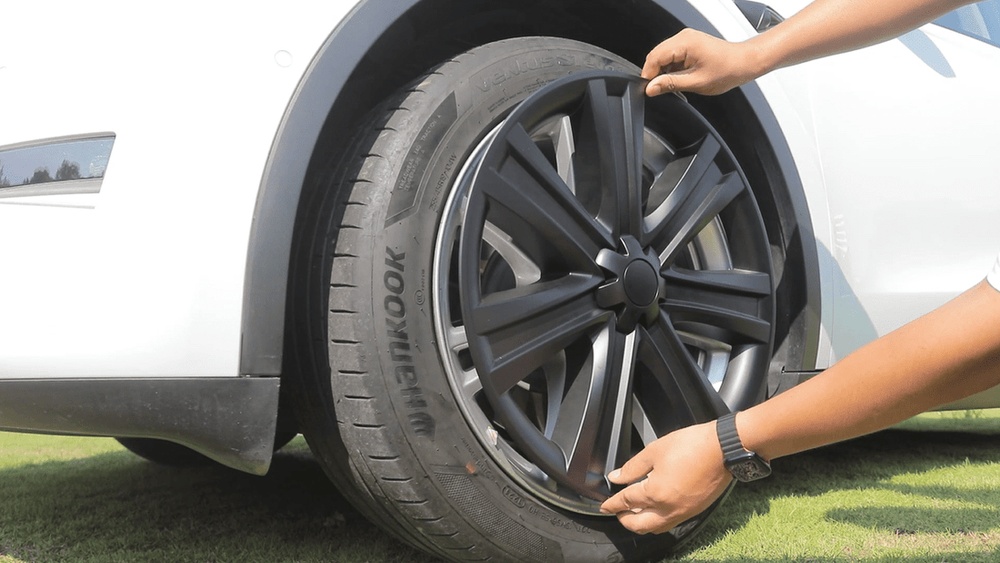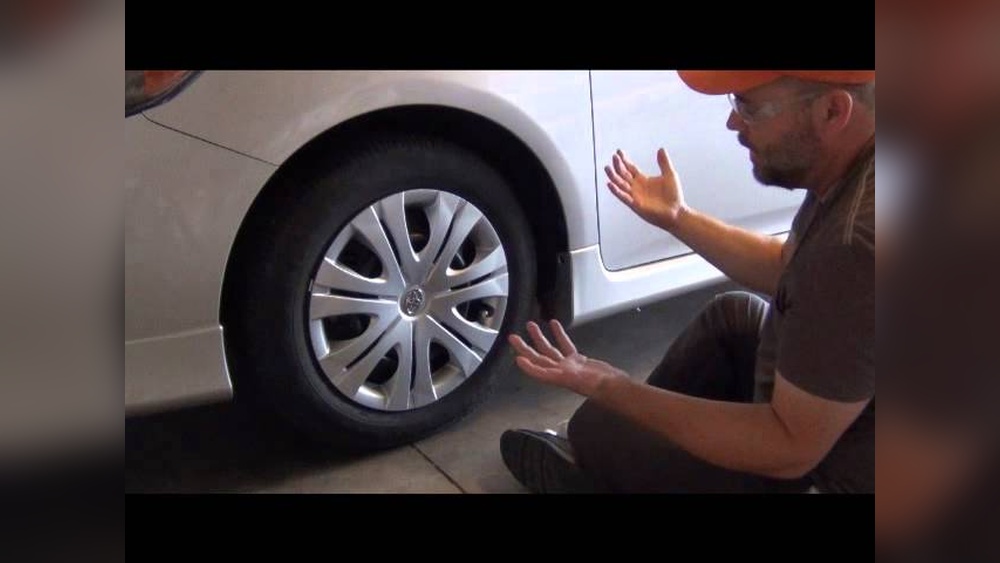
Removing wheel covers from your Honda Civic might seem tricky at first, but it doesn’t have to be. If you’ve ever struggled with scratches, damage, or just didn’t know where to start, this guide is made for you.
You’ll learn simple, step-by-step methods that protect your wheels and make the process quick and stress-free. Keep reading, and you’ll discover how easy it is to take off your Honda Civic’s wheel covers like a pro.
Tools Needed
Removing wheel covers from your Honda Civic requires a few simple tools. Using the right tools makes the job easier and prevents damage. Some tools are essential for all wheel covers. Others help with tough, stubborn covers.
Essential Tools For Removal
The first tool you need is a flathead screwdriver. It helps pry the cover gently from the wheel. A plastic trim removal tool is better. It reduces the risk of scratching the paint. You also need gloves to protect your hands. A pair of gloves improves grip and comfort during removal.
Optional Tools For Stubborn Covers
Some covers can be hard to remove. A rubber mallet can help loosen tight covers. Tap lightly around the edges to avoid damage. A pair of needle-nose pliers can also assist. Use them carefully to pull out clips holding the cover. These tools make stubborn covers easier to remove.
Credit: adelaideepic.org
Safety Precautions
Taking off wheel covers from your Honda Civic needs care and attention. Safety should be your first thought. This part guides you through simple steps to keep yourself safe during the process.
Preparing Your Vehicle
Park your Honda Civic on a flat surface. Engage the parking brake to stop the car from moving. Turn off the engine and remove the keys. This prevents any accidental start. Make sure the wheels are cool to touch. Hot wheels can cause burns. Clear the area around the wheels for easy access.
Protective Gear To Use
Wear gloves to protect your hands from sharp edges. Use safety glasses to shield your eyes from dust or debris. Choose closed-toe shoes to guard your feet. Avoid loose clothes that can get caught. These simple items keep you safe and comfortable.
Locating The Clips
Removing wheel covers from a Honda Civic starts with locating the clips. These clips hold the cover tightly to the wheel. Finding them helps avoid damage and makes removal easier.
Each wheel cover has clips placed in specific spots. Knowing where to find these clips saves time and effort. It also prevents scratching the cover or wheel.
Identifying Clip Positions
Clips are usually placed around the edge of the wheel cover. Most Honda Civic covers have four or six clips. They line up with the wheel’s rim to hold the cover firmly.
Look closely at the cover’s edge. You will see small gaps or raised areas where clips rest. These are the points to focus on when removing the cover.
Common Clip Types On Honda Civic
Honda Civic wheel covers use mainly plastic or metal clips. Plastic clips snap into place and are flexible. Metal clips hold tighter but need careful handling.
Plastic clips are easier to remove without tools. Metal clips may require a flat tool to pry gently. Knowing the clip type helps choose the right removal method.
Removing Wheel Covers By Hand
Removing wheel covers by hand is a simple task that anyone can do. It does not need special tools or skills. Just a little care and patience will do the job well.
This method lets you avoid damage to the wheel covers and the wheels. It is also quick and convenient, especially if you need to remove one cover at a time.
Step-by-step Manual Removal
Start by parking your Honda Civic on a flat surface. Make sure the car is in park and the handbrake is on.
Find a small gap between the wheel cover and the tire. Use your fingers to gently pull the cover away from the wheel.
Work your way around the cover, pulling it evenly from all sides. Do not force or pull hard in one spot.
If the cover feels stuck, use a flat tool like a plastic pry bar for extra leverage. Place it carefully under the cover edge.
Slowly lift the cover bit by bit. Keep moving around the wheel until the cover comes off completely.
Tips For Avoiding Damage
Always use your hands or soft tools to avoid scratches. Metal tools can damage the wheel cover or the rim.
Do not pull the cover too fast or with strong force. This can crack or break the cover.
Wear gloves to protect your hands and keep a good grip. This also prevents slipping and sudden damage.
Work in a well-lit area so you can see the cover edges clearly. This helps avoid wrong tool placement.
Keep the removed covers in a safe place. Avoid placing them on rough or dirty surfaces.
Using Tools For Removal
Using tools to remove wheel covers on a Honda Civic makes the job easier and safer. Tools help apply steady pressure and avoid damage to the wheel or cover. Choosing the right tool and using it carefully protects your car’s finish.
Below are simple methods using common tools to remove your wheel covers without hassle.
Pry Tool Technique
A pry tool works well to lift the wheel cover gently. Place the tool between the cover and the wheel rim. Move the tool slowly to create space. Work around the cover in small steps to loosen it evenly. This reduces the risk of bending or cracking the cover.
Use a plastic pry tool if possible. It prevents scratches on the wheel and cover. Avoid forcing the tool too hard. Patience helps the cover come off without damage.
Using A Flathead Screwdriver Safely
A flathead screwdriver can remove the cover if used carefully. Wrap the screwdriver tip with tape to protect the wheel surface. Insert the taped tip under the cover edge gently. Twist the screwdriver slightly to pry the cover loose.
Move around the cover, prying in small spots to release it evenly. Avoid pushing the screwdriver too deep to prevent damage to clips. Take your time to keep the wheel and cover in good shape.
Dealing With Stuck Covers
Removing wheel covers from a Honda Civic can sometimes be tricky. Covers may stick due to dirt, rust, or tight clips. Handling stuck covers needs care to avoid damage. Use safe methods to loosen covers gently. Patience is key to avoid breaking any parts.
Applying Lubricants
Spray a small amount of lubricant around the cover edges. WD-40 or silicone spray works well. Let it sit for five minutes to loosen dirt and rust. Avoid spraying directly on brake parts or tires. Use a clean cloth to wipe excess lubricant. This helps the cover slide off smoothly.
Gentle Tapping Methods
Use a rubber mallet or the handle of a screwdriver. Tap lightly around the cover’s edge to loosen it. Do not hit hard to avoid bending the cover. Move the tapping point evenly around the cover. This helps release stuck clips without damage.
Inspecting Wheel And Cover
After removing the wheel covers from your Honda Civic, take time to inspect both the covers and the wheels. This step helps you spot any damage or wear that could affect your car’s performance or safety. Regular checks keep your wheels in good condition and extend the life of your covers.
Checking For Damage
Look closely at the wheel covers for cracks, dents, or scratches. Small damages can get worse over time. Examine the wheels for rust, dents, or bends. Damaged wheels can cause vibrations or poor handling. Check the clips or fasteners on the covers. Broken clips may cause the cover to fall off while driving.
Cleaning Tips After Removal
Clean the wheel covers with mild soap and water. Avoid harsh chemicals that can damage the plastic or paint. Use a soft brush or cloth to remove dirt and grime. Dry the covers completely before reattaching them. Clean the wheels too, removing brake dust and dirt. A clean wheel helps the cover fit better and look nice.

Credit: centrerest.com
Reinstalling Wheel Covers
Reinstalling wheel covers on your Honda Civic is a simple task. Doing it right keeps the covers secure and protects your wheels. Take your time to align and press the covers carefully. This will help avoid damage and ensure a snug fit.
Aligning Clips Correctly
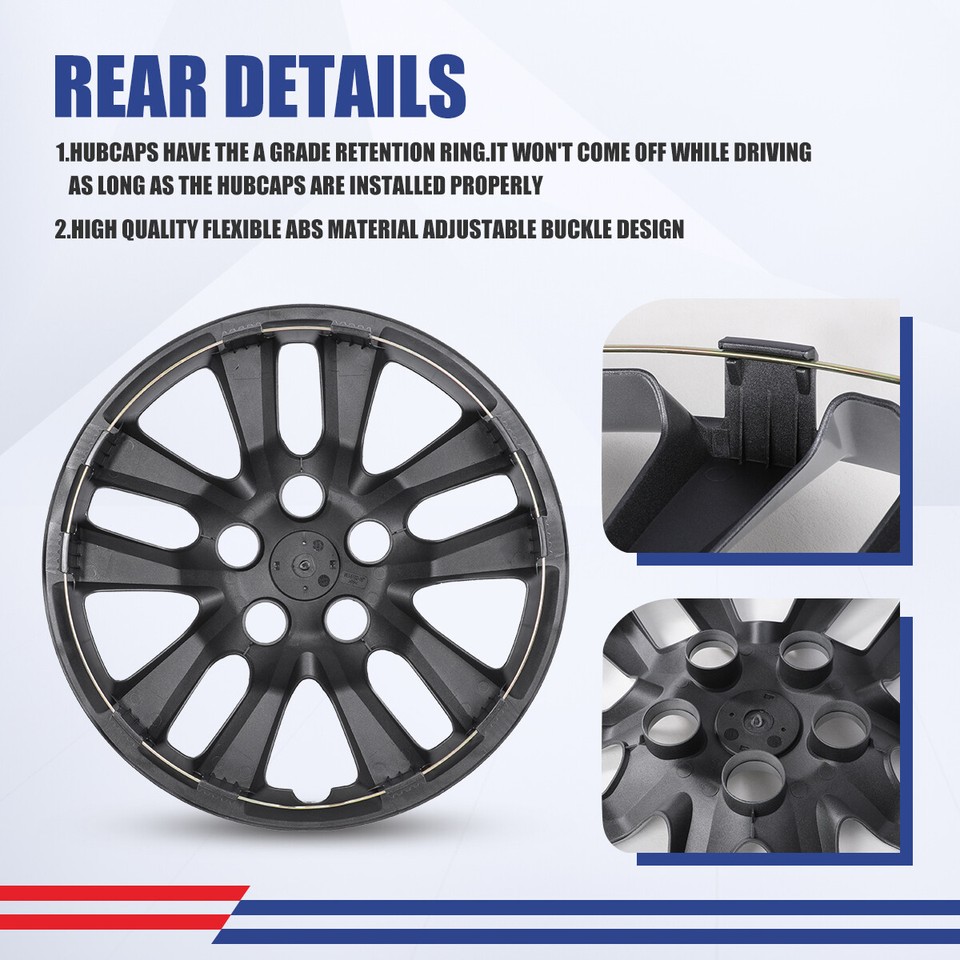
Start by checking the clips on the back of the wheel cover. They must match the slots on the wheel rim. Hold the cover close to the wheel and line up the clips with the holes. Make sure all clips are facing the right direction before pressing.
Pressing Covers Securely
After aligning, press the cover evenly around the edges. Use steady, firm pressure with your palms. Avoid pushing only one side. Press all around until you hear a click or feel the cover snap into place. Check that the cover is flush against the wheel.

Credit: www.wikihow.com
Frequently Asked Questions
How Do I Remove Wheel Covers From A Honda Civic?
To remove wheel covers, first loosen the lug nuts slightly. Use a flathead screwdriver or pry tool to gently pry the cover off. Work around the edges carefully to avoid damage. Pull the cover away once it’s loose. Always ensure the car is stable before starting.
What Tools Are Needed To Take Off Honda Civic Wheel Covers?
You mainly need a flathead screwdriver or a plastic pry tool. These help gently pry off the wheel covers without scratching. A lug wrench is also useful to slightly loosen the lug nuts before removal. Avoid metal tools that can damage the covers.
Can I Remove Honda Civic Wheel Covers Without Damaging Them?
Yes, by using gentle prying and the right tools, you can avoid damage. Use a plastic pry tool or flathead screwdriver carefully. Work evenly around the wheel cover edges. Avoid forcing or pulling too hard to keep the cover intact.
How Often Should I Remove Wheel Covers On My Honda Civic?
Remove wheel covers during tire rotation, maintenance, or cleaning. This is typically every 5,000 to 7,500 miles or as needed. Regular removal helps check tire health and maintain wheel cover condition. Avoid frequent removal to prevent wear or damage.
Conclusion
Removing wheel covers from your Honda Civic is simple with the right steps. Use gentle pressure and the proper tools to avoid damage. Take your time and stay safe while working on your car. Regular care helps keep your wheels in good condition.
Now, you can confidently remove wheel covers whenever needed. Keep practicing these tips for easier maintenance next time. Your Civic will look better and run smoothly with proper care.