

Your vehicle’s fuel filter plays a crucial role in keeping your engine running smoothly. But how do you know when it’s time to check or replace it?
Ignoring this small part can lead to big problems, like poor performance or costly repairs. You’ll learn simple steps to check your fuel filter quickly and easily. By the end, you’ll feel confident maintaining your vehicle and avoiding unexpected breakdowns.
Keep reading to protect your engine and save money!
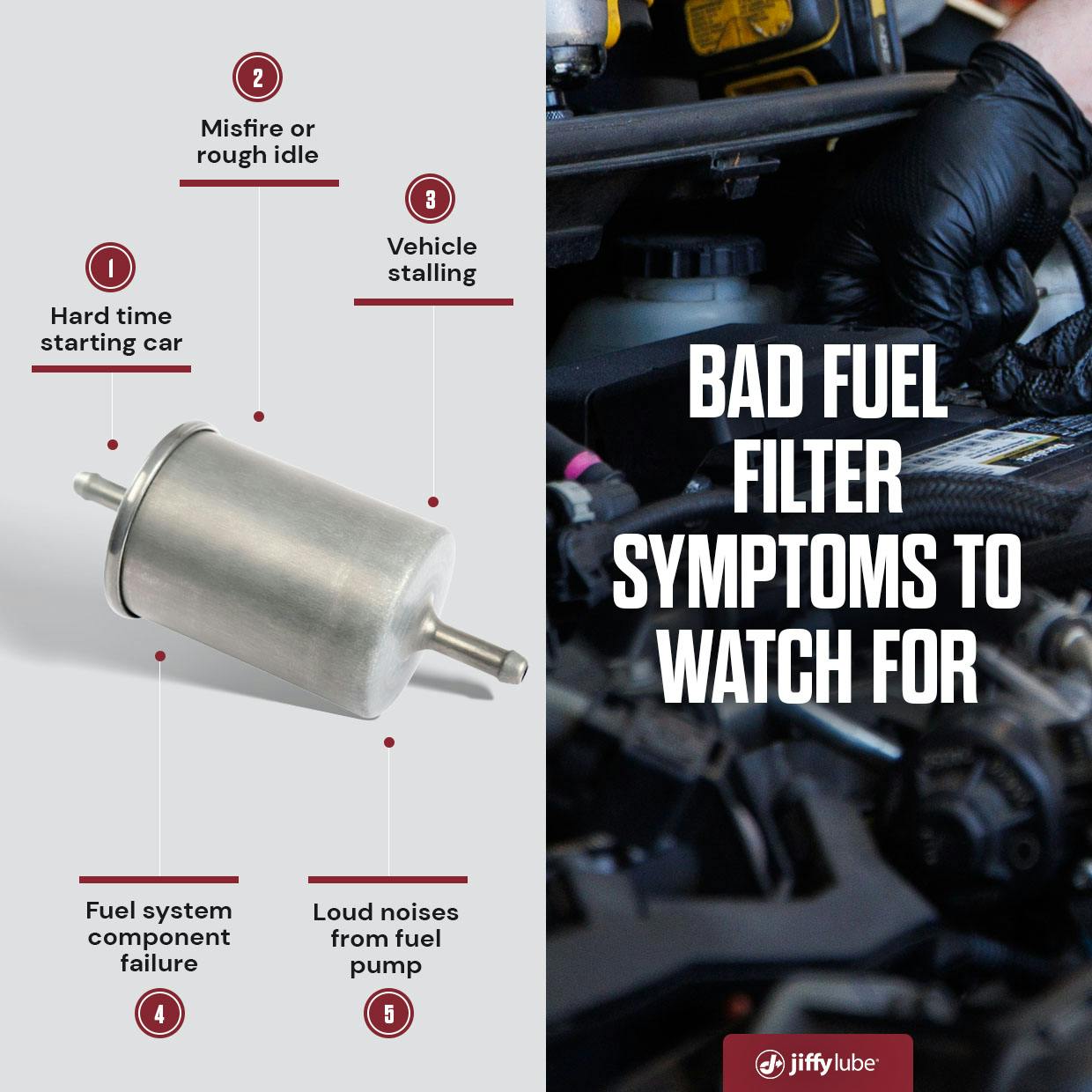
Credit: www.jiffylube.com
Signs Of A Clogged Fuel Filter
A clogged fuel filter can cause several problems in your vehicle. It blocks the flow of fuel, making the engine work harder. You may notice changes in how your car runs. Identifying these signs early helps avoid bigger issues and costly repairs.
Engine Performance Issues
A clogged fuel filter reduces fuel flow to the engine. This causes poor acceleration and engine hesitation. The engine may stall or run roughly at times. You might feel a loss of power when driving uphill or carrying heavy loads.
Fuel Efficiency Drop
Your car uses more fuel with a dirty fuel filter. The engine struggles to get enough fuel, causing it to burn more gas. This results in fewer miles per gallon. You may notice you need to fill up the tank more often.
Starting Problems
A blocked fuel filter makes it hard to start your car. The engine may crank longer than usual or not start at all. Sometimes, the car starts but dies quickly. These issues often mean fuel is not reaching the engine properly.

Credit: www.youtube.com
Tools Needed For Checking
Checking a fuel filter is simple with the right tools. Using proper tools makes the task faster and safer. Prepare all items before starting to avoid delays. Below are the essential tools you need for checking your fuel filter.
Basic Hand Tools
Basic hand tools help remove and inspect the fuel filter. A wrench or socket set fits most fuel filter bolts. Screwdrivers come in handy for clamps and covers. Pliers help to disconnect fuel lines carefully. A clean cloth or rag is useful for wiping spills. Keep a small container ready to catch leaking fuel. These tools make the job easier and cleaner.
Safety Equipment
Safety is key when checking the fuel filter. Gloves protect your hands from fuel and dirt. Safety glasses shield your eyes from splashes. Work in a well-ventilated area to avoid inhaling fumes. Have a fire extinguisher nearby for emergencies. Use protective clothing to keep your skin safe. Safety gear keeps you protected throughout the process.
Locating The Fuel Filter
Finding the fuel filter is the first step in checking it. The fuel filter cleans dirt and rust from the fuel. This helps the engine run smoothly. Knowing where the fuel filter is saves time and effort. Every vehicle has a different setup. Some filters are easy to reach. Others might need tools or a mechanic’s help. Below are ways to find the fuel filter location.
Consulting The Vehicle Manual
The vehicle manual is the best place to start. It shows detailed parts and their locations. Look in the index or table of contents for “fuel filter.” Manuals often include pictures or diagrams. These make it easier to spot the filter. Reading the manual avoids guesswork and mistakes. It also tells if special tools are needed.
Common Fuel Filter Locations
Fuel filters usually sit along the fuel line. Many cars have them near the fuel tank. Others place them under the hood, close to the engine. Some filters are inside the fuel pump assembly. Trucks and older models may have external filters on the frame rail. Check both sides of the car. Look near the firewall or under the car. Spotting the fuel filter depends on the vehicle’s design.
Step-by-step Inspection Process
Checking your fuel filter helps keep your vehicle running well. A clean fuel filter stops dirt and rust from reaching the engine. Follow a simple step-by-step process to inspect the filter safely and clearly. This guide breaks down each stage for easy understanding.
Relieving Fuel System Pressure
Start by releasing pressure from the fuel system. This step prevents fuel spray during filter removal. Locate the fuel pump fuse or relay in the fuse box. Remove it, then start the engine. Let it run until it stops on its own. Turn off the ignition and disconnect the battery. This ensures safety before touching fuel parts.
Removing The Fuel Filter
Find the fuel filter under the vehicle or near the engine. Use a wrench to loosen the fuel lines connected to the filter. Be ready with a container to catch any fuel spillage. Carefully remove the old filter from its bracket. Take note of the filter’s direction for proper reinstallation. Avoid damaging the fuel lines during this step.
Visual Inspection Techniques
Check the filter for cracks, rust, or dirt buildup. Look inside the filter for dark spots or debris. A clogged filter often appears dirty or blocked. Compare it with a new filter to spot differences. If the filter shows damage or heavy dirt, replace it. Clean any spilled fuel and inspect the fuel lines too.
Testing The Fuel Filter
Testing the fuel filter helps find blockages that stop fuel flow. A clean filter keeps the engine running smooth. A clogged filter can cause engine problems and poor performance.
There are simple ways to test the fuel filter. Two common methods check fuel flow and pressure. Both give clues about the filter’s condition.
Fuel Flow Check
Start the engine and open the fuel filter valve. Watch for steady fuel flow from the filter outlet. A weak or no flow shows the filter may be clogged. Use a clear container to catch the fuel safely.
This test shows if fuel passes through the filter easily. Slow flow means dirt or debris blocks the filter. Replace the filter if flow is poor.
Using Pressure Gauges
Attach a fuel pressure gauge to the fuel line before the filter. Turn on the engine and read the pressure value. Compare it with the vehicle’s manual specifications.
Low pressure indicates a clogged filter restricting fuel supply. High pressure before the filter with low pressure after means blockage. Replace the fuel filter to restore proper pressure and flow.
When To Replace The Fuel Filter
Knowing when to replace the fuel filter is key for your vehicle’s health. A clogged fuel filter can cause engine problems and reduce fuel efficiency. Replacing it at the right time keeps your car running smoothly. This section explains how to know the right moment to change the filter.
Manufacturer Recommendations
Car makers set specific times to replace the fuel filter. These times are in the owner’s manual. Usually, the change happens every 20,000 to 40,000 miles. Some newer cars have filters that last longer. Always check your manual for exact mileage or time limits.
Signs Indicating Replacement
Watch for signs that the fuel filter needs changing. The engine may sputter or stall during driving. You might notice poor acceleration or hard starts. Strange noises from the fuel pump can also signal a blocked filter. Fuel smells stronger than usual near the car. These signs show the filter might be dirty or clogged.
Tips For Maintaining Fuel Filter Health
Keeping your fuel filter in good shape helps your vehicle run smoothly. A clean fuel filter prevents dirt and debris from reaching the engine. This can save you from costly repairs and improve fuel efficiency.
Simple habits can extend the life of your fuel filter. Learn how to care for it with these easy tips.
Regular Maintenance Schedule
Check your fuel filter based on the car maker’s advice. Most need changing every 20,000 to 40,000 miles. Write down the date and mileage of each change. Staying on schedule avoids clogging and engine problems.
Don’t wait for signs of trouble. A clogged filter reduces engine power and causes stalling. Regular checks keep your car running well.
Using Quality Fuel
Fuel quality affects your fuel filter’s health. Use fuel from trusted gas stations. Poor fuel contains dirt and water that block the filter faster.
Avoid cheap or unknown fuel sources. Cleaner fuel means less strain on your fuel system. This helps your filter last longer and protects your engine.

Credit: www.autonationmobileservice.com
Frequently Asked Questions
How Often Should I Check My Fuel Filter?
Check your fuel filter every 20,000 to 30,000 miles. Regular checks prevent clogging and maintain engine performance. Refer to your vehicle’s manual for specific intervals.
What Are Signs Of A Clogged Fuel Filter?
Common signs include engine misfires, poor acceleration, and difficulty starting. A clogged filter reduces fuel flow, causing these performance issues. Early detection saves costly repairs.
Can I Check The Fuel Filter Myself?
Yes, you can check it if you have basic tools and knowledge. Locate the filter, inspect for dirt or damage, and replace if necessary. Always follow safety precautions.
Why Is Fuel Filter Maintenance Important?
Fuel filter maintenance ensures clean fuel reaches the engine. It prevents contaminants from damaging fuel injectors and improves fuel efficiency. Regular upkeep prolongs engine life and reduces repair costs.
Conclusion
Checking your fuel filter keeps your engine running smooth and strong. A clean filter stops dirt from reaching the engine. Watch for signs like poor acceleration or strange noises. Regular checks help avoid costly repairs and keep fuel flowing well.
Remember, this simple step saves time and money. Stay safe by handling fuel parts carefully. Now you know how to check your fuel filter easily. Give your vehicle the care it needs for longer life.

