

Have you noticed strange noises or vibrations when you press your brake pedal? Your brake rotors might be the cause.
Knowing how to tell if a brake rotor is bad can save you from costly repairs and keep you safe on the road. You’ll learn simple signs to watch for and easy checks you can do yourself. By the end, you’ll feel confident spotting rotor problems early and know exactly what steps to take next.
Keep reading to protect your car and your peace of mind.
Common Brake Rotor Problems
Brake rotors are a key part of your car’s braking system. They work with brake pads to stop your vehicle safely. Over time, rotors can face problems that affect braking performance. Knowing these common issues helps you spot trouble early and avoid accidents. Below are some frequent brake rotor problems and their signs.
Warping And Its Effects
Warping happens when rotors heat up unevenly. This causes them to bend or twist slightly. Warped rotors make the brake pedal vibrate when pressed. You may feel a pulsing in the brake pedal or steering wheel. This can reduce control and increase stopping distance. Warping often comes from hard braking or long downhill drives.
Cracks And Damage
Cracks on rotors usually appear after heavy use or overheating. Small cracks may form near the rotor edges. Larger cracks can weaken the rotor’s structure. Driving with cracked rotors is unsafe. It can cause sudden brake failure. Check your rotors for visible cracks or chipped edges during inspections.
Excessive Wear Indicators
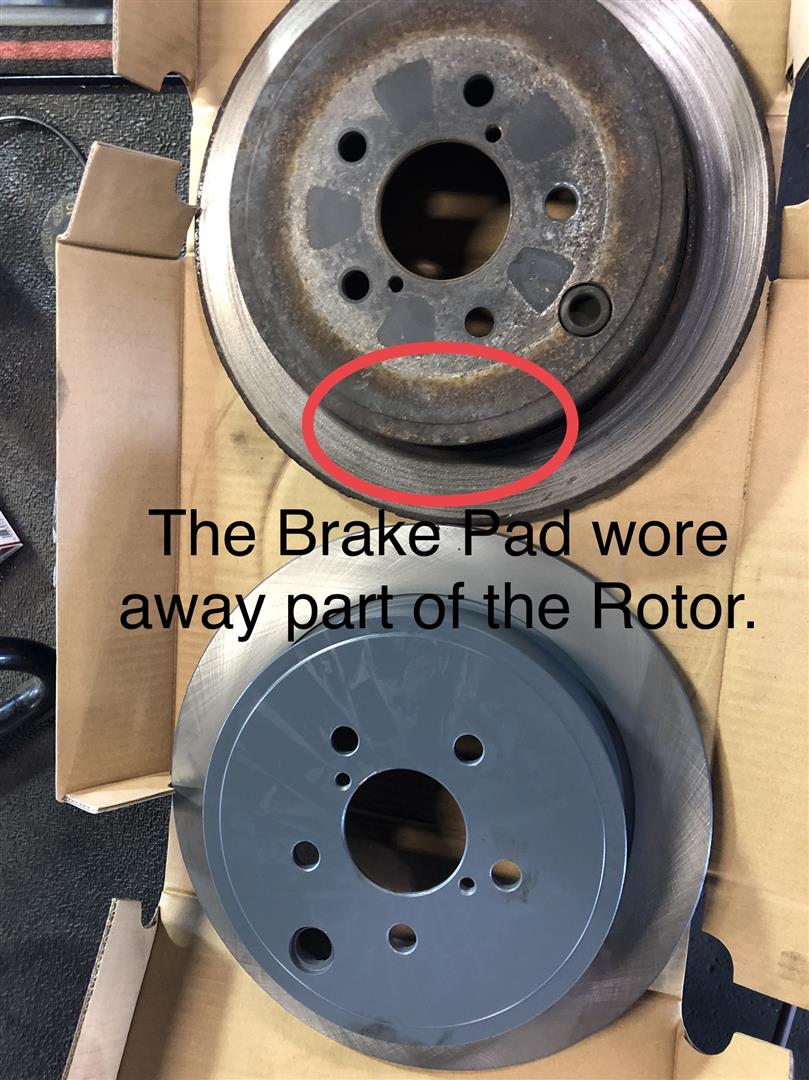
Rotors wear down as brake pads press on them. Over time, they become too thin to work properly. Thin rotors heat up faster and may warp easily. Some rotors have grooves or ridges that show wear levels. When these grooves are deep, it’s time to replace the rotor. Excessive wear leads to poor braking and longer stopping distances.
Visual Inspection Tips
Visual inspection is the first step to find brake rotor problems. It helps spot issues early and keeps driving safe. Use a flashlight to see the rotor clearly. Clean dirt or dust before starting. Check the rotor surface carefully for signs of damage.
Checking For Grooves And Scoring
Look closely at the rotor surface. Deep grooves or scoring lines show uneven wear. These marks happen when brake pads wear down the rotor unevenly. Light scratches are normal but deep grooves can cause vibration. If grooves are wide or deep, the rotor may need replacing.
Rust And Corrosion Signs
Surface rust is common on rotors after rain or washing. But heavy rust or corrosion affects braking. Check the rotor edge and surface for flaky or rough rust spots. Corrosion weakens the rotor and may cause brake noise. Severe rust means the rotor is not safe to use.
Measuring Rotor Thickness
Rotors get thinner as they wear down. Use a micrometer or caliper to measure thickness. Compare the measurement to the manufacturer’s minimum thickness. If the rotor is below this limit, it can crack or warp. Thin rotors reduce brake power and need replacement.
Performance Warning Signs
Performance warning signs help you know if your brake rotors are failing. These signs show problems early. Catching them saves money and keeps you safe. Watch for changes in how your car stops and sounds it makes. These clues tell you something is wrong.
Vibrations While Braking
Feeling vibrations when you press the brake pedal is a big sign. The steering wheel or brake pedal may shake. This happens if the rotor surface is uneven or warped. Vibrations mean the rotor is not smooth anymore. It needs attention soon.
Squealing Or Grinding Noises
Squealing sounds come from worn brake parts rubbing together. Grinding noises are louder and worse. These sounds mean the rotor or brake pads are damaged. Do not ignore these noises. They warn you about serious brake problems.
Reduced Braking Efficiency
Notice the car takes longer to stop? Or the brakes feel weak? This shows reduced braking efficiency. Bad rotors lower the brakes’ power. It becomes harder to slow down or stop quickly. This issue can be dangerous on the road.
Credit: www.powerstop.com
Tools For Rotor Assessment
Assessing brake rotors needs the right tools for accuracy and safety. Proper tools help spot wear, thickness issues, and warping. These tools give clear information about the rotor’s condition. They make brake checks easier and more reliable.
Using A Micrometer
A micrometer measures rotor thickness precisely. It shows if the rotor is too thin for safe use. Thin rotors can cause brake failure and need replacement. Using a micrometer ensures the rotor meets the car maker’s thickness limits.
Dial Indicator For Runout
A dial indicator checks rotor runout, or how much the rotor wobbles. Too much runout causes brake vibration or noise. The dial indicator attaches to the rotor and measures tiny movements during rotation. This tool helps find warping early.
Brake Inspection Tools
Other brake inspection tools include brake pad gauges and visual inspection lights. Pad gauges check pad wear against rotor condition. Inspection lights help see cracks, grooves, or rust on the rotor surface. These tools support a full brake system check.
When To Replace Brake Rotors
Knowing when to replace brake rotors is key for safe driving. Worn or damaged rotors reduce braking power. This can lead to longer stops or dangerous situations. Checking rotors regularly helps avoid these risks.
Rotors wear down over time and use. They must be replaced before reaching a critical point. Several signs tell you when it is time for new rotors.
Manufacturer Thickness Limits
Each rotor has a minimum thickness set by the maker. This is the smallest safe thickness for use. Mechanics measure rotor thickness with special tools. Rotors thinner than this limit can crack or warp easily. Replace rotors once they reach this minimum thickness.
Damage Beyond Repair
Rotors can get deep grooves, cracks, or rust spots. Small damage can often be fixed by machining the rotor surface. Large cracks or heavy rust cannot be repaired safely. Such damage weakens the rotor and causes vibration. Replace rotors with damage that cannot be smoothed out.
Signs Of Uneven Wear
Rotors should wear evenly on both sides. Uneven wear causes shaking or pulsing while braking. This happens when brake pads press unevenly or rotors warp. Check for a wavy surface or thickness differences. Rotors with uneven wear need replacement for smooth braking.
Credit: www.ricksautoservice.org
Preventive Maintenance Tips
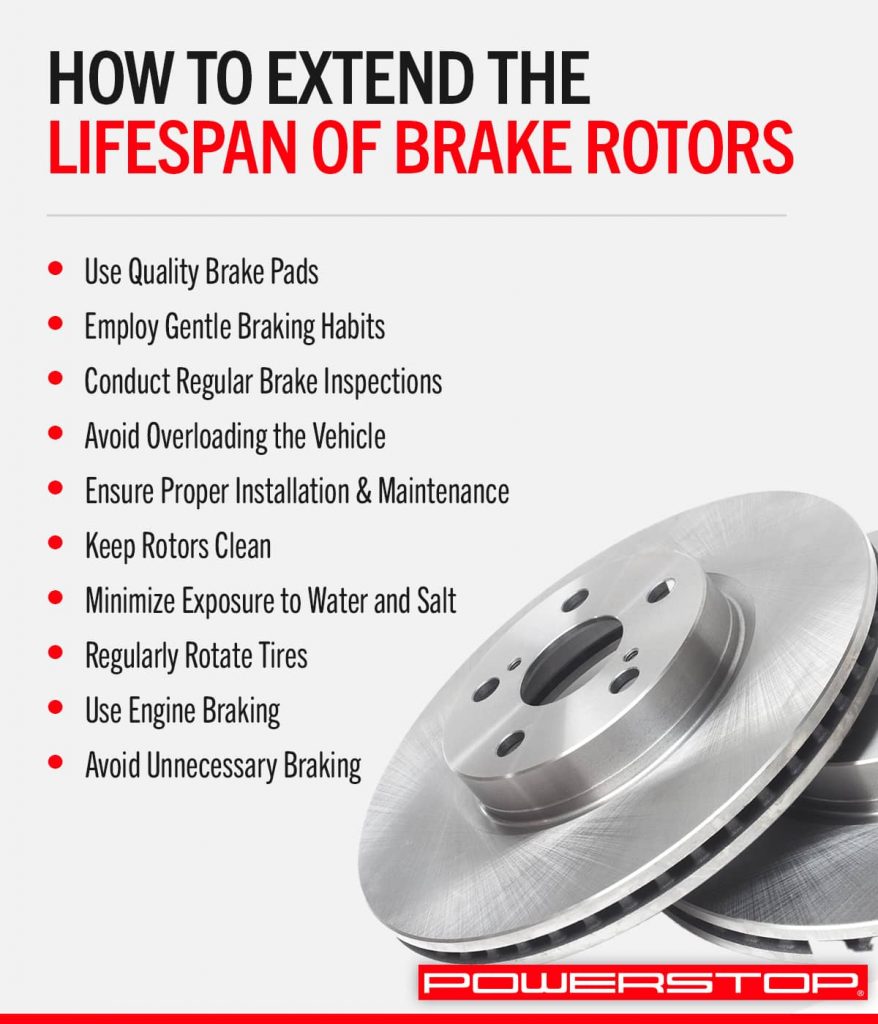
Preventive maintenance helps keep brake rotors in good shape. It reduces the risk of sudden brake failure. Regular care saves money and avoids dangerous driving situations. Simple steps can extend the life of your brake parts.
Regular Brake Inspections
Check your brakes often to spot problems early. Look for signs like noise, vibration, or poor stopping power. Inspect the rotor surface for grooves or rust. A small issue fixed early prevents bigger damage.
Proper Driving Habits
Avoid hard stops and fast braking. Smooth and steady braking reduces wear on rotors and pads. Give yourself more space to stop. This lowers stress on the brake system and keeps parts lasting longer.
Timely Brake Pad Replacement
Change brake pads before they wear out completely. Worn pads can damage the rotors quickly. Use good quality pads for better protection. Timely replacement keeps the rotor surface safe and smooth.
Credit: www.reddit.com
Frequently Asked Questions
How Do I Know If My Brake Rotor Is Warped?
A warped rotor causes vibrations when braking. You may feel a pulsing brake pedal or steering wheel shake. Inspect for uneven wear or scoring on the rotor surface. If these signs appear, the rotor likely needs resurfacing or replacement.
What Are The Symptoms Of A Bad Brake Rotor?
Common symptoms include brake noise, vibration, and reduced braking efficiency. You might hear squealing or grinding sounds. The brake pedal could feel soft or pulsate. These signs indicate rotor damage or wear that affects safe braking.
Can I Drive With A Damaged Brake Rotor?
Driving with a damaged rotor is unsafe. It reduces braking performance and increases stopping distance. It may cause brake failure or damage other components. Replace or repair the rotor promptly to maintain vehicle safety.
How Often Should Brake Rotors Be Inspected?
Brake rotors should be inspected every 10,000 to 15,000 miles. Regular checks during brake pad replacements help detect early wear. Timely inspections prevent costly repairs and ensure optimal braking performance.
Conclusion
Bad brake rotors can cause serious safety issues. Check for grooves, cracks, or uneven wear. Listen for strange noises when braking. Feel for vibrations in the brake pedal or steering wheel. Regular inspections help catch problems early. Replacing worn rotors keeps your brakes working well.
Stay alert to signs of rotor damage. Safe brakes mean safer driving every day. Don’t ignore small problems before they grow. Taking care of your brakes protects you and others on the road.


