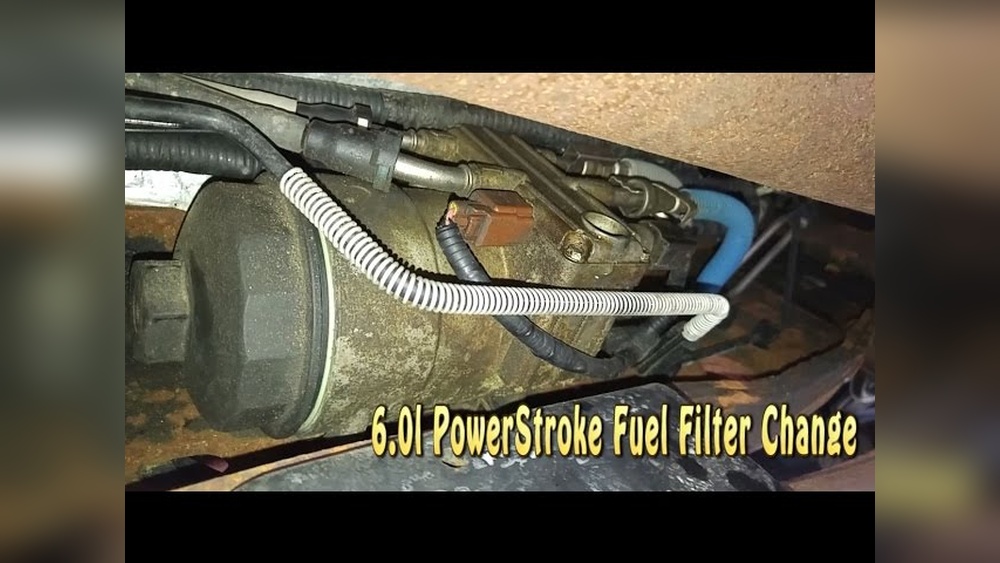
Have you noticed your car acting up lately? Maybe it’s struggling to start, losing power, or stalling unexpectedly.
These issues could be linked to a bad fuel filter, but how can you be sure? Knowing how to tell if your fuel filter is bad can save you from costly repairs and keep your vehicle running smoothly. You’ll discover simple signs to watch for and easy steps to check your fuel filter.
Keep reading to protect your car and avoid unexpected breakdowns.

Credit: www.autonationmobileservice.com
Common Symptoms Of A Bad Fuel Filter
A bad fuel filter can cause many car problems. It stops fuel from reaching the engine properly. This leads to poor engine performance and other issues. Knowing the symptoms helps you find the problem early. It saves time and money on repairs.
Watch for these common signs that show a fuel filter is bad. They affect how your car runs every day.
Engine Misfires And Hesitation
The engine may misfire or hesitate while driving. This happens because the fuel supply is uneven. The engine does not get enough fuel for smooth running. You might feel a sudden jerk or pause during acceleration.
Difficulty Starting The Engine
The car may take longer to start or not start at all. A clogged fuel filter blocks fuel from reaching the engine. Without enough fuel, the engine struggles to turn over. This often happens after the car sits for a while.
Loss Of Power During Acceleration
The car loses power when you press the gas pedal. It feels weak and slow to speed up. This happens because the engine does not get enough fuel. The clogged fuel filter restricts fuel flow to the engine.
Frequent Stalling Issues
The engine may stall often, especially at low speeds. Stalling means the engine suddenly stops running. A bad fuel filter causes fuel flow to cut off. This makes the engine stop unexpectedly, creating safety risks.
Visual And Physical Checks
Visual and physical checks are simple ways to spot a bad fuel filter. These checks do not need special tools. You can do them yourself to see if the filter needs help. Paying attention to what you see and hear helps keep your engine safe.
Inspecting The Fuel Filter For Damage
Look at the fuel filter closely. Check for cracks or dents on its surface. A damaged filter cannot clean fuel properly. Dirt or rust on the filter is a bad sign. Also, see if the filter looks swollen or worn out. Such signs mean the filter may fail soon.
Checking For Fuel Leaks
Fuel leaks near the filter can be dangerous. Check around the filter for wet spots or smells of fuel. Leaks show that the filter or its connections might be loose or broken. Fix leaks quickly to avoid bigger problems and keep your car safe.
Listening For Unusual Engine Noises
Listen to your engine while it runs. Strange noises can mean a bad fuel filter. Sounds like sputtering, coughing, or jerking show fuel flow issues. These noises happen when the filter clogs and blocks fuel. Pay attention to these sounds to catch problems early.
Fuel Efficiency And Performance Drops
Fuel efficiency and engine performance are key signs of a healthy fuel filter. A bad fuel filter can block fuel flow, causing your car to use more fuel. This leads to poor mileage and slower engine response. Recognizing these drops early helps you fix issues before they worsen.
Decreased Mileage Indicators
Your car may start using more fuel than usual. You might notice the gas tank empties faster. This happens because the engine works harder to get fuel. A clogged filter stops fuel from flowing smoothly. As a result, your mileage drops and you spend more on fuel.
Impact On Engine Performance
The engine may feel weak or slow when accelerating. It can struggle to maintain speed or stall unexpectedly. A bad fuel filter reduces fuel supply to the engine. This causes rough idling and poor throttle response. Over time, the engine’s power and smoothness decline noticeably.
Diagnostic Tools And Testing
Diagnostic tools and testing help find problems with a fuel filter. They show if the filter blocks fuel flow or causes engine issues. Using the right tools saves time and money on repairs.
Some tools measure fuel pressure. Others read engine codes for clues. These methods give clear signs of a bad fuel filter. Understanding these tools helps keep your car running well.
Using A Fuel Pressure Gauge
A fuel pressure gauge measures fuel flow in the system. Connect it to the fuel line or fuel rail. Start the engine and watch the pressure reading. Low pressure means the filter might be clogged.
Check the car manual for the correct pressure range. If pressure is below the range, the filter may block fuel. This test is simple and gives quick results.
Reading Engine Trouble Codes
Engine trouble codes point to fuel system problems. Use an OBD-II scanner to read codes from the engine control unit. Codes related to fuel pressure or injector issues may appear.
Common codes include P0087 or P0171, which suggest fuel delivery problems. These codes help confirm if the fuel filter affects engine performance. Scanning codes is an easy way to diagnose fuel filter issues.
When To Replace The Fuel Filter
Knowing the right time to replace your fuel filter is key to keeping your vehicle running smoothly. A fuel filter stops dirt and debris from reaching the engine. Over time, it gets clogged and can’t do its job well. This can cause engine problems and reduce fuel efficiency. Watch for signs and follow guidelines to know when to change it.
Manufacturer’s Recommended Intervals
Car makers suggest specific times to replace the fuel filter. These are often in the owner’s manual. Common intervals range from 20,000 to 40,000 miles. Sticking to these schedules helps avoid filter problems. If you drive in dusty areas, consider changing it sooner. Regular replacement keeps your engine clean and healthy.
Signs Of Severe Clogging
A clogged fuel filter can cause engine trouble. You may notice poor acceleration and rough idling. The engine might stall or hesitate when you press the gas. Starting the car could become harder. Watch for a drop in fuel efficiency. These signs mean your fuel filter needs a check or replacement.
Preventive Maintenance Tips
Check the fuel filter during regular car servicing. Replace it before severe clogging happens. Use clean fuel to reduce filter dirt build-up. Avoid running the tank too low; it can stir up debris. Keeping up with maintenance saves money on repairs later. A clean fuel filter helps your car run better and last longer.
Credit: www.jiffylube.com

Credit: oilchangers.com
Frequently Asked Questions
How Do I Know If My Fuel Filter Is Clogged?
A clogged fuel filter causes poor engine performance and difficulty starting. Look for engine hesitation, stalling, or reduced power. Check for unusual fuel odors or sputtering. If these symptoms appear, inspect or replace the fuel filter promptly to avoid engine damage.
What Are Common Signs Of A Bad Fuel Filter?
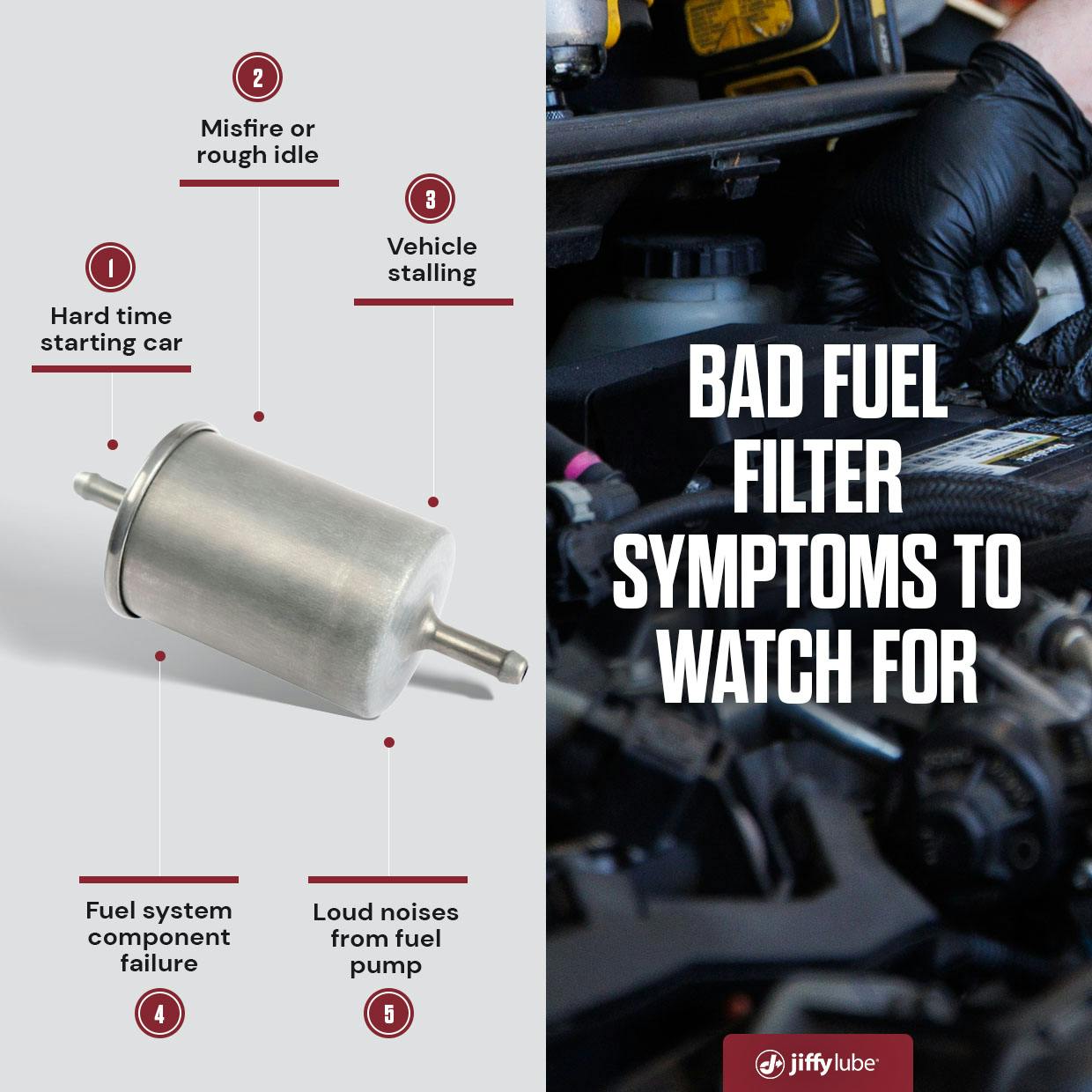
Common signs include engine misfires, rough idling, slow acceleration, and frequent stalling. You might also notice reduced fuel efficiency and unusual noises from the fuel pump. These symptoms indicate restricted fuel flow and a need for fuel filter replacement.
How Often Should I Replace The Fuel Filter?
Most manufacturers recommend replacing the fuel filter every 20,000 to 30,000 miles. However, check your vehicle’s manual for specific intervals. Regular replacement prevents clogging, maintains fuel flow, and ensures smooth engine operation, improving overall vehicle performance.
Can A Bad Fuel Filter Cause Engine Stalling?
Yes, a bad fuel filter restricts fuel flow, causing the engine to stall. Insufficient fuel supply leads to engine hesitation and sudden shutdowns. Replacing a faulty fuel filter restores proper fuel delivery and prevents stalling issues.
Conclusion
A bad fuel filter can cause your car to run poorly or stop. Watch for signs like slow starts, rough idling, or low power. Regular checks help catch problems early. Changing the filter keeps your engine healthy and saves money.
Don’t ignore warning signs. Stay alert and keep your vehicle running smoothly. Simple steps make a big difference in car care.