
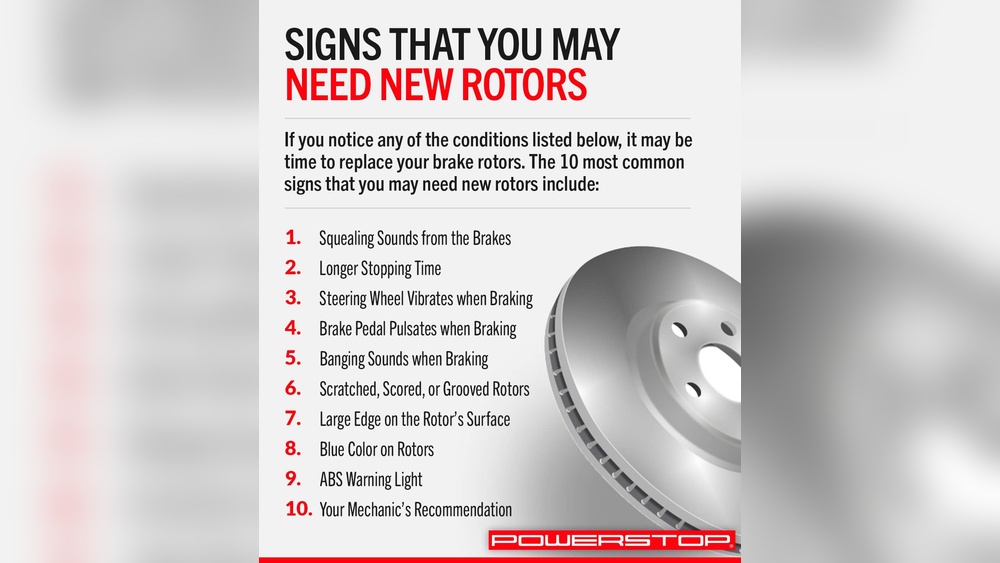
Have you ever felt a strange vibration or heard unusual noises when you brake? These could be signs that your brake rotors need attention.
Your rotors play a crucial role in keeping you safe on the road. Ignoring their condition can lead to costly repairs or, worse, dangerous driving situations. You’ll learn the simple ways to tell if your brake rotors need replacing. By the end, you’ll know exactly what to look for, helping you stay safe and save money.
Keep reading to protect yourself and your vehicle before small problems turn into big ones.

Credit: www.youtube.com
Common Brake Rotor Issues
Brake rotors play a key role in stopping your vehicle safely. Over time, they can develop issues that affect braking performance. Recognizing common problems early can help avoid costly repairs and keep driving safe.
Here are some frequent brake rotor issues to watch for. Knowing these signs helps you decide when to check or replace your rotors.
Warping And Its Effects
Warping happens when rotors heat unevenly during braking. This causes the surface to become uneven or bent. Warped rotors can make your steering wheel shake when you brake. You might feel vibration or pulsation under your foot. These effects reduce braking smoothness and control.
Signs Of Cracks And Damage
Rotors can develop cracks from heavy use or overheating. Small cracks often appear near the edges or drilled holes. Visible damage weakens the rotor and can lead to failure. Listen for unusual noises like squealing or grinding sounds. Any visible cracks need immediate attention to avoid accidents.
Rotor Thickness And Wear
Rotors wear down as brake pads press against them. Over time, they become too thin to work properly. Thin rotors heat up faster and warp easily. Mechanics measure rotor thickness to check if replacement is needed. Driving with worn rotors lowers braking power and safety.
Symptoms Indicating Rotor Problems
Brake rotors play a key role in stopping your vehicle safely. Problems with rotors can affect braking performance. Recognizing early signs helps prevent bigger issues and costly repairs. Below are common symptoms that indicate your brake rotors may need attention.
Vibrations When Braking
Feeling vibrations through the brake pedal is a strong sign of rotor trouble. Warped rotors cause uneven contact with brake pads. This leads to a shaking or pulsating sensation. Vibrations often increase with speed or hard braking.
Squeaking Or Grinding Noises
Unusual sounds during braking can point to rotor damage. Squeaking may occur from worn brake pads rubbing unevenly on rotors. Grinding noises often mean rotors are severely worn or scored. These sounds should never be ignored for safety.
Longer Stopping Distances
Rotors in poor condition reduce braking efficiency. This causes your vehicle to take longer to stop. Longer stopping distances increase the risk of accidents. If brakes feel less responsive, rotor issues could be the cause.
Visual Inspection Tips
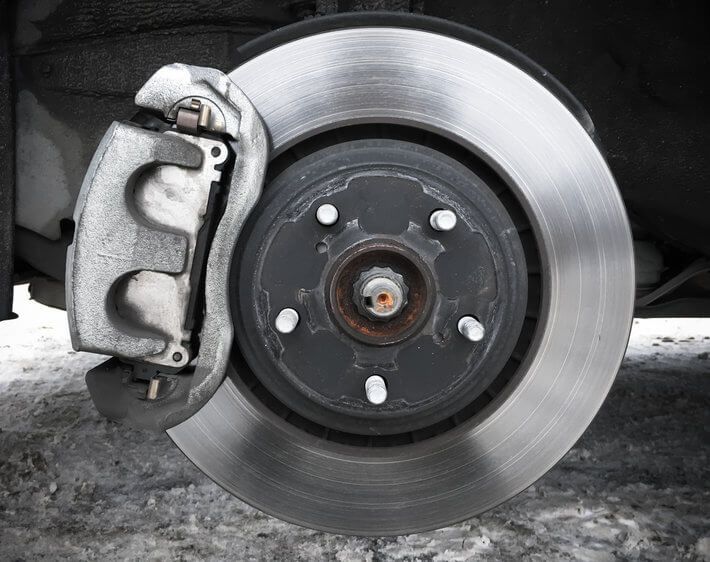
Visual inspection is a simple way to check your brake rotors. It helps find problems early. This can save money and keep your car safe. You do not need special tools for some checks. Just look closely and know what to find.
Checking Rotor Surface
Look at the rotor surface carefully. It should be smooth and even. Small grooves or cracks can cause noise and poor braking. Deep scratches or rust spots mean the rotor needs attention. Clean rotors work best with brake pads.
Measuring Rotor Thickness
Rotors wear down over time and become thinner. Use a micrometer to measure thickness. Compare the number to the car manual’s minimum thickness. Thin rotors can crack or warp under pressure. Replace rotors that are below the limit.
Spotting Uneven Wear
Uneven wear shows as high and low spots on the rotor. This causes vibration when braking. Run your hand gently over the surface to feel bumps. Uneven rotors can damage brake pads quickly. Resurfacing or replacement may be needed.
Credit: www.tiresplus.com
When To Replace Brake Rotors
Knowing when to replace brake rotors is key for safe driving. Rotors wear down over time and may cause problems. Ignoring signs can lead to brake failure or costly repairs. Several factors help decide the right time for replacement.
Manufacturer Specifications
Every car has specific rotor thickness limits set by the maker. These limits show the minimum safe thickness for rotors. Use a micrometer to measure rotor thickness accurately. Replace rotors if they are thinner than the limit. Following these specs keeps your brakes working well and safe.
Impact Of Driving Conditions
Hard driving and rough roads speed up rotor wear. Frequent braking in stop-and-go traffic also wears rotors faster. Mountain driving with steep slopes can cause overheating and damage. Check rotors more often if you drive in tough conditions. Early replacement prevents brake problems and keeps control.
Professional Inspection Benefits
Mechanics spot rotor issues not visible to the eye. They check for warping, cracks, and uneven wear. Professionals use special tools to test rotor condition. Regular inspections catch problems early and ensure safety. Trust experts to recommend the right time for rotor replacement.
Preventing Rotor Damage
Preventing rotor damage helps keep your brakes safe and working well. Rotors wear out faster from poor habits and lack of care. Taking simple steps saves money and avoids trouble on the road.
Proper Brake Use
Press brakes gently and avoid sudden stops. Hard braking heats rotors quickly and causes warping. Let your car slow down naturally on hills. Avoid resting your foot on the brake pedal while driving. These habits reduce stress on the rotors and extend their life.
Regular Maintenance
Check brakes often for wear and tear. Replace brake pads before they wear down completely. Worn pads can damage rotors quickly. Have a mechanic inspect rotors during routine services. Regular maintenance spots problems early and keeps rotors smooth.
Upgrading Brake Components
Use high-quality brake pads made for your vehicle. Some pads create less dust and heat, protecting rotors. Consider better rotors if you drive in tough conditions. Upgraded parts handle heat and pressure well. This reduces rotor wear and improves brake performance.
Credit: www.reddit.com
Frequently Asked Questions
How Do I Know When Brake Rotors Need Replacement?
Brake rotors need replacement if you feel vibrations while braking. Also, check for deep grooves, cracks, or excessive wear on the rotor surface. If your brake warning light is on, have a mechanic inspect the rotors immediately.
What Are Common Signs Of Worn Brake Rotors?
Common signs include squealing or grinding noises, a pulsating brake pedal, and reduced braking performance. Visible damage or uneven rotor thickness also indicates wear. Prompt replacement ensures safe and effective braking.
Can I Drive With Bad Brake Rotors?
Driving with bad brake rotors is unsafe. It can cause poor braking response and increase stopping distance. Replace damaged rotors promptly to maintain vehicle safety and avoid costly repairs.
How Often Should Brake Rotors Be Inspected?
Brake rotors should be inspected every 12,000 miles or during regular brake service. Frequent inspections help detect wear early and prevent brake failure. Always follow your vehicle manufacturer’s recommendations.
Conclusion
Brake rotors play a key role in vehicle safety and performance. Watch for signs like squeaking, vibration, or longer stopping distances. These clues often mean the rotors need attention. Regular checks help avoid bigger problems later on. Taking care of brake rotors keeps driving smooth and safe.
Don’t wait for a warning light or a serious issue. Stay alert and act early to protect yourself and others on the road.


