

Your car’s brakes are one of the most important safety features you rely on every day. But have you ever wondered how often you should replace your brake rotors?
Ignoring worn rotors can lead to costly repairs and, more importantly, put your safety at risk. You’ll discover clear signs to watch for and simple guidelines to know exactly when it’s time for new rotors. Keep reading to protect yourself and get the most out of your brakes.

Credit: www.hawkperformance.com
Signs Of Worn Brake Rotors
Brake rotors wear out over time and need replacement to keep driving safe. Knowing the signs helps avoid accidents and costly repairs. Watch for clear clues that your rotors need attention. Early detection saves money and prevents brake failure.
Visible Damage And Scoring
Check the rotors for deep grooves or scoring on the surface. These marks happen from worn brake pads rubbing on metal. Cracks or rust spots also show rotor damage. Uneven wear or thinning means the rotors are weak. Visual damage signals that replacement is necessary soon.
Vibration And Noise
Feel the brake pedal or steering wheel shake when braking? This vibration often means warped rotors. Warping happens from heat and stress during braking. Listen for squealing, grinding, or scraping sounds too. Strange noises point to rotor or pad problems. Vibrations and noise warn of rotor wear.
Brake Performance Issues
Notice longer stopping distances or a soft brake pedal? These signs show braking power is reduced. Pulsing brakes or a delayed response also indicate rotor problems. Poor brake performance increases accident risk. Rotors past their limit can’t work safely.
Factors Affecting Rotor Lifespan
Brake rotors do not last forever. Their lifespan depends on many factors. Understanding these can help you know when to replace them. Some factors wear out rotors faster. Others help them last longer. Let’s explore the main factors affecting rotor lifespan.
Driving Habits
How you drive greatly affects rotor life. Hard braking wears rotors quickly. Frequent stop-and-go traffic also shortens their life. Long, smooth stops cause less damage. Avoid riding brakes down hills to save rotors. Gentle driving helps rotors last longer.
Vehicle Type And Usage
Different vehicles stress rotors differently. Heavy trucks and SUVs wear rotors faster. They need stronger braking power. Sports cars may also wear rotors quicker due to fast speeds. Regular city driving wears rotors differently than highway driving. Usage affects how soon you replace rotors.
Quality Of Brake Components
Not all brake parts are equal. High-quality rotors resist wear better. Cheap rotors may warp or crack sooner. Brake pads also affect rotor life. Soft pads wear rotors less but may need frequent changes. Hard pads last longer but can damage rotors. Quality parts extend rotor lifespan.
Recommended Replacement Intervals
Knowing when to replace brake rotors keeps your vehicle safe. Rotors wear down over time and affect braking performance. Recommended replacement intervals help you avoid unexpected issues. These intervals depend on several factors like driving habits and rotor quality. Following guidelines ensures your brakes work properly and last longer.
Manufacturer Guidelines
Car makers provide specific advice on rotor replacement. Check your owner’s manual for exact recommendations. Manufacturers test parts to set safe limits for wear. Sticking to these guidelines prevents damage to other brake parts. Always follow the advice from your vehicle’s maker first.
Mileage Benchmarks
Rotors usually last between 30,000 and 70,000 miles. This range varies based on driving conditions and style. Heavy braking or mountain driving can wear rotors faster. Use mileage as a general rule to plan rotor checks. Regular checks help spot wear before it becomes a problem.
Professional Inspection Frequency
Brake rotors need inspection at least once a year. Mechanics check for thickness, cracks, and surface condition. They measure rotor wear with special tools. Frequent inspections catch issues early and keep brakes effective. Schedule inspections even if your brakes feel fine.
Risks Of Delaying Rotor Replacement
Delaying the replacement of brake rotors can cause serious problems for your vehicle and safety. Rotors wear out over time and lose their ability to work properly. Driving with old or damaged rotors increases risks on the road. Understanding these risks helps you decide when to replace rotors and avoid costly repairs.
Reduced Braking Efficiency
Worn rotors reduce your car’s braking power. The brake pads cannot grip the surface well. This causes longer stopping distances and weaker brakes. In emergency stops, this delay can be dangerous. Your car might skid or fail to stop quickly.
Damage To Other Brake Parts
Old rotors cause extra wear on brake pads. Pads wear out faster and unevenly. This leads to more frequent replacements and higher costs. The brake calipers and other parts may also get damaged. Repairing these parts can be expensive and time-consuming.
Safety Hazards
Damaged rotors increase the risk of brake failure. Vibrations and noise from bad rotors can distract drivers. This distraction can cause accidents. Poor brake performance puts you, passengers, and others in danger. Regular rotor checks help maintain safe driving conditions.
Rotor Maintenance Tips
Brake rotors need care to last longer and work well. Simple maintenance steps help avoid costly repairs and keep driving safe. Small efforts can prevent rotor damage and improve brake performance.
Follow these tips to maintain your brake rotors effectively.
Regular Brake Inspections
Check your brakes often to spot wear early. Look for grooves, cracks, or uneven surfaces on the rotors. Inspect brake pads too, as worn pads can harm rotors quickly. Visit a mechanic if you notice noise or vibration when braking.
Proper Driving Techniques
Avoid hard braking and sudden stops. Gradual braking reduces heat and stress on rotors. Use engine braking on long downhill drives to lessen brake use. Smooth driving helps rotors stay cool and last longer.
Using Quality Brake Pads
Choose brake pads made from good materials. Low-quality pads wear out rotors fast and cause damage. Replace pads before they wear down completely to protect rotors. Quality pads provide better stopping power and rotor care.
Credit: www.reddit.com
When To Consult A Mechanic
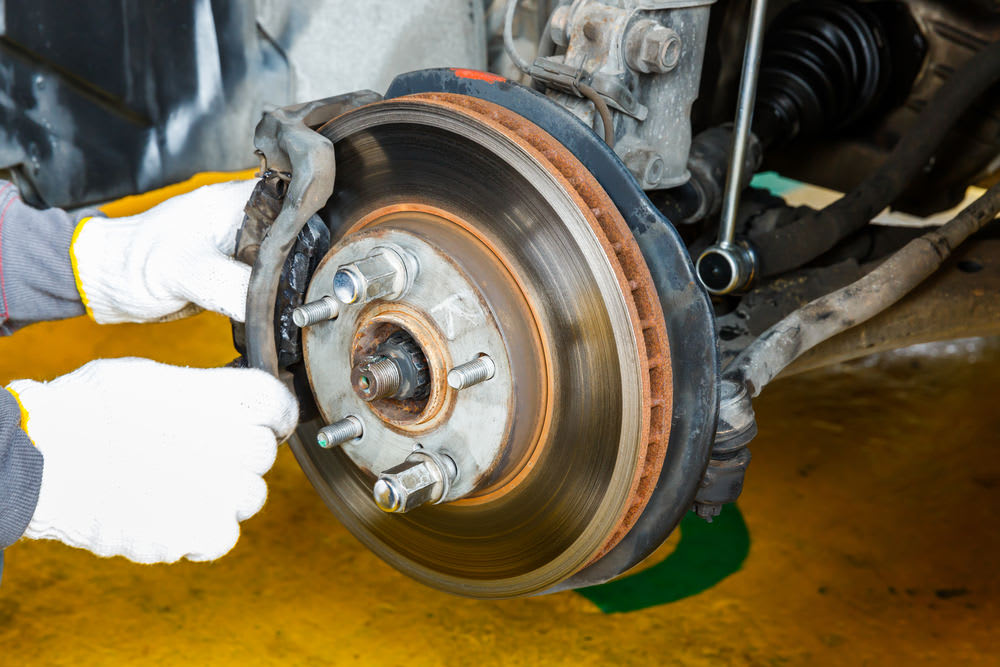
Knowing when to see a mechanic about your brake rotors can keep you safe on the road. Brake rotors wear out over time and need attention. Some signs mean it is time to get professional help. Acting fast can stop bigger problems.
Unusual Brake Sounds
Squealing or grinding noises can mean rotor damage. These sounds happen when rotors get thin or warped. Do not ignore these noises. They show your brakes need a check-up.
Persistent Vibrations
Feeling shakes in the steering wheel or brake pedal is a warning. Vibrations often come from uneven or warped rotors. This issue affects braking control. Visit a mechanic to fix it before it worsens.
Brake Warning Lights
Brake warning lights on the dashboard signal a problem. These lights might indicate rotor wear or other brake issues. Never drive with a brake warning light on. A mechanic can diagnose and solve the problem safely.
Credit: www.yourmechanic.com
Frequently Asked Questions
How Often Should Brake Rotors Be Replaced?
Brake rotors typically last 30,000 to 70,000 miles. Replace them if you notice warping, scoring, or vibration when braking. Regular inspections help determine their condition and ensure safe driving.
What Are Signs My Brake Rotors Need Replacement?
Common signs include squealing noises, vibration during braking, and visible grooves or cracks. If braking feels less responsive, it’s time to check your rotors immediately.
Can I Replace Brake Rotors Myself Safely?
Yes, if you have basic mechanical skills and tools, you can replace rotors. However, improper installation can affect braking performance. Consult a professional if unsure.
How Do Worn Brake Rotors Affect Vehicle Safety?
Worn rotors reduce braking efficiency, increase stopping distance, and cause vibrations. This compromises vehicle control and safety, especially in emergency stops.
Conclusion
Brake rotors wear down over time and need regular checks. Signs like vibrations or noise mean it’s time to inspect them. Replacing rotors on schedule keeps your brakes safe and effective. Always follow your car’s manual for recommended replacement times.
Don’t wait for big problems; early care saves money and trouble. Keep your vehicle running smoothly and stop safely every time. Staying aware helps you avoid costly repairs later. Simple maintenance makes driving safer for you and others.


