Want your car’s sound system to hit just the right note every time? Tuning your car amplifier correctly can make all the difference between weak, muddy sound and crisp, powerful audio that turns heads.
If you’ve ever felt frustrated by distorted music or uneven volume, this guide is for you. By the time you finish reading, you’ll know exactly how to adjust your amplifier for the best sound quality, making every drive more enjoyable.
Ready to unlock your car’s true audio potential? Let’s get started.
Choosing The Right Amplifier
Choosing the right amplifier is key to getting the best sound from your car audio system. An amplifier boosts the audio signal to your speakers and subwoofers. Picking the right one helps avoid damage and ensures clear sound. This guide explains what to consider when selecting an amplifier for your car.
Matching Amplifier Power To Speakers
Amplifier power must match your speakers’ power rating. Too little power causes weak sound and distortion. Too much power can damage speakers. Check the RMS power rating of your speakers. Choose an amplifier that delivers similar or slightly higher RMS power. This balance protects your equipment and improves sound quality.
Selecting Amplifier Classes
Amplifiers come in different classes: A, B, AB, and D. Class A offers the best sound but uses more energy. Class B is less efficient but cheaper. Class AB is a mix of A and B, balancing sound and power use. Class D is very efficient and compact but may lose some sound quality. Pick a class based on your sound needs and power availability.
Considering Amplifier Features
Look at the features your amplifier offers. Some have built-in crossovers to control frequencies. Others include bass boost for stronger low tones. Remote controls allow easy adjustments while driving. Check for thermal protection to prevent overheating. Extra inputs let you connect multiple devices. Choose features that fit your listening style and car setup.

Credit: www.youtube.com
Gathering Necessary Tools
Tuning a car amplifier requires the right tools. Having the correct equipment helps you adjust settings accurately. This step is important for the best sound quality. Without proper tools, tuning can be frustrating and less effective.
Essential Equipment For Tuning
Start with basic tools like a screwdriver and wire cutters. These help adjust controls and manage wiring. A good quality multimeter is a must-have. It measures voltage and resistance to ensure correct settings. Test tones or audio test CDs are also important. They help identify sound issues and balance frequencies. A small flashlight can help see controls in dark spaces. Keep all tools organized for easy access during tuning.
Using A Multimeter And Test Tones
A multimeter checks the amplifier’s electrical signals. Set it to measure voltage or continuity. This ensures connections are secure and power is correct. Test tones play specific frequencies through the amplifier. Listen carefully to detect distortion or imbalance. Adjust the gain, bass, and treble settings based on what you hear. Repeat tests to confirm the sound is clear and balanced. These tools make tuning precise and reliable.
Setting Initial Controls
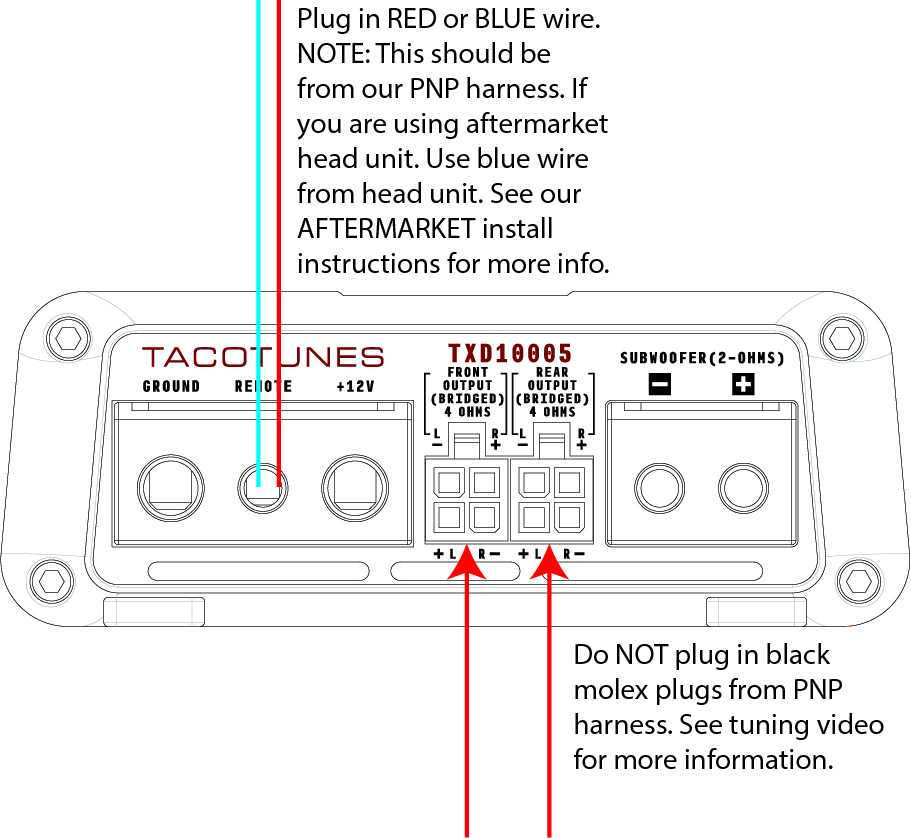
Setting the initial controls on a car amplifier is the first step to getting clear, powerful sound. These controls help balance your audio system. They prevent damage and improve sound quality. Adjusting them properly sets a strong base for fine-tuning later.
Adjusting Gain And Bass Boost
Start by setting the gain control. This adjusts the amplifier’s input sensitivity. Turn it down low at first. Gradually increase gain while playing music at a moderate volume. Stop when the sound becomes clear without distortion.
Bass boost enhances low frequencies. Use it carefully. Too much bass boost can cause distortion. Set it to a moderate level. This adds depth without overwhelming other sounds.
Setting Crossover Frequencies
Crossover frequencies tell the amplifier which sounds to send to each speaker. Set the low-pass filter for subwoofers. Usually, this is between 80 and 120 Hz. For full-range speakers, set the high-pass filter to block low bass. Adjust these filters to avoid sound overlap.
Proper crossover settings protect speakers. They ensure each speaker plays the right sounds. This improves clarity and overall sound balance.
Configuring Bass And Treble
Bass and treble controls shape the tone. Bass controls the low sounds. Treble controls the high sounds. Start with both set to the middle or flat position.
Adjust bass for warmth and depth. Increase treble for crisp, clear highs. Make small changes and listen carefully. Avoid extreme settings that cause harshness or muddiness.
Credit: tacotunes.com
Adjusting Gain For Clean Sound
Adjusting the gain on your car amplifier is key to clear and powerful sound. Gain controls how much signal the amplifier receives from your audio source. Setting it right helps avoid noise and distortion. It ensures the sound stays clean and balanced at all volumes. Proper gain adjustment protects your speakers and improves listening enjoyment.
Avoiding Distortion
Distortion sounds like crackling or buzzing. It happens when the amplifier receives too strong a signal. Turn the gain down if you hear distortion. Start low and slowly increase the gain until the sound is clear. Never set the gain too high. Clear sound means less stress on your speakers.
Matching Source Output Level
Check your car stereo’s output level before adjusting gain. The goal is to match the amplifier’s input with the source output. Use a test tone or song with steady volume. Adjust the gain until the amplifier’s input meter reads just below the maximum. This balance keeps sound clean and loud without damage.
Tuning The Crossover Settings
Tuning the crossover settings is key to getting clear and balanced sound from your car amplifier. This step controls which frequencies go to your speakers and subwoofers. Proper tuning avoids distortion and protects your equipment.
You can adjust the settings to match your speaker type and listening style. The goal is to send the right sound range to each speaker. This improves overall audio quality and makes music more enjoyable.
High-pass And Low-pass Filters
High-pass filters let high frequencies pass through while blocking low ones. Use this filter for tweeters and mid-range speakers. It stops low bass from damaging small speakers.
Low-pass filters do the opposite. They allow low frequencies to pass and block high ones. Subwoofers use low-pass filters to focus on deep bass sounds. Setting these filters right prevents sound overlap and muddiness.
Optimizing Frequency Range
Check your speaker specs for recommended frequency ranges. Set the crossover points to match these ranges closely. Keep the high-pass filter slightly above the speaker’s low limit.
Set the low-pass filter just below the subwoofer’s high limit. This keeps sound smooth and avoids gaps or overlaps. Small adjustments can make a big difference in sound clarity.
Balancing Bass And Treble
Balancing bass and treble is key to tuning a car amplifier properly. It helps create clear and rich sound. Too much bass can make music muddy. Too much treble can cause harshness. Finding the right mix makes every song sound better. It improves listening comfort and audio quality inside your car.
Enhancing Low-end Response
Start by adjusting the bass control on your amplifier. Increase it slowly to add depth to the sound. Feel the beat but avoid distortion. Check if the bass sounds tight and not booming. Use your car’s equalizer to fine-tune the low frequencies. Too much bass can overpower other sounds. Aim for a strong but clean low-end response.
Clarifying High Frequencies
Next, adjust the treble control to brighten the music. Raise it gently to enhance vocals and instruments. Avoid making the sound sharp or piercing. Clear highs help details stand out in songs. Use the amplifier’s settings to smooth high frequencies. Balanced treble makes music lively without fatigue. Keep highs crisp but comfortable for long drives.
Testing And Fine-tuning
Testing and fine-tuning your car amplifier is a key step to get the best sound. This process helps you check if the settings are right. It also ensures the audio is clear and free from distortion. Small adjustments make a big difference in sound quality.
Using Test Tracks
Choose test tracks with clear vocals and deep bass. These tracks help reveal how your amplifier handles highs and lows. Play the music at different volumes to check the sound. Notice any changes or problems in the audio. Test tracks are your guide to balanced tuning.
Listening For Distortion And Clarity
Pay close attention to any distortion in the sound. Distortion sounds like buzzing or crackling noises. It means the amplifier is pushed too hard. Reduce the volume or adjust gain controls to fix this. Also, listen for clarity. Clear sound means the music is crisp and natural.
Adjusting Based On Room Acoustics
Your car’s interior affects sound quality a lot. Hard surfaces reflect sound, while soft ones absorb it. Adjust the amplifier settings to match these conditions. Increase bass if the sound feels weak. Lower it if the bass is too boomy. Fine-tuning for room acoustics makes music sound balanced and full.
Preventing Common Mistakes
Tuning a car amplifier can boost your sound quality. Avoiding common mistakes saves time and protects your equipment. Careful setup improves your listening experience. Here are two key areas to watch out for.
Avoiding Overdriving
Overdriving an amplifier causes distortion and damage. Keep volume levels within safe limits. Use the gain control to balance input and output. Listen for any sound crackling or buzzing. Lower the gain if you hear distortion. Proper tuning keeps the sound clear and strong.
Proper Wiring And Grounding
Correct wiring prevents noise and power loss. Use quality cables and secure connections. Check that power and ground wires are the right size. A poor ground can cause humming sounds. Connect the ground wire to a clean metal surface. Good wiring and grounding improve amplifier performance and safety.
Maintaining Your Amplifier
Maintaining your car amplifier keeps it working well and lasting longer. Simple care steps help avoid problems and keep sound clear. Regular checks and cleaning make a big difference. A well-kept amplifier gives the best audio experience in your car.
Regular Cleaning
Dust and dirt can build up on your amplifier. Clean it gently with a soft cloth. Avoid using water or harsh chemicals. Keep vents and fans free from dust. This stops overheating and keeps the amplifier cool.
Checking Connections
Loose or corroded wires cause poor sound or no sound. Check all cables and connectors often. Tighten any loose connections carefully. Replace damaged wires to avoid shorts or signal loss. Secure cables to prevent movement while driving.
Monitoring Performance
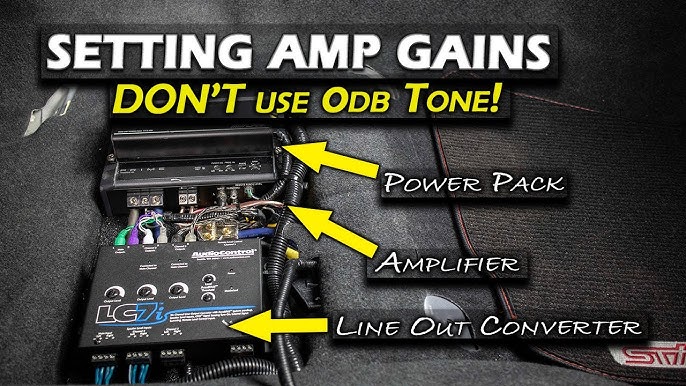
Listen for changes in sound quality or volume. Strange noises can mean a problem inside. Test the amplifier regularly with different music styles. Watch for overheating or unusual smells. Early signs help fix issues before damage occurs.
Credit: www.youtube.com
Frequently Asked Questions
How Do I Set The Gain On A Car Amplifier?
To set gain, start with the amplifier gain at the lowest level. Play music at a moderate volume. Slowly increase gain until distortion appears, then lower slightly. This matches the amplifier output to your head unit’s signal, ensuring clear sound without distortion.
What Is The Best Crossover Setting For Car Amps?
Use a high-pass filter around 80Hz for full-range speakers. For subwoofers, set a low-pass filter between 80Hz and 120Hz. Proper crossover settings prevent speaker damage and improve sound clarity by directing frequencies to the right speakers.
How To Adjust Bass Boost On A Car Amplifier?
Adjust bass boost carefully to enhance low frequencies without distortion. Start with no boost, then gradually increase until you hear a fuller bass. Avoid excessive boost to prevent speaker damage and maintain balanced sound quality.
Why Is Amplifier Tuning Important For Car Audio?
Tuning optimizes sound quality and protects your speakers from damage. Proper settings prevent distortion and ensure balanced audio. It enhances listening experience by matching amplifier output with your car audio system’s needs.
Conclusion
Tuning a car amplifier is simple with the right steps. Adjust the gain and bass to suit your sound. Check all connections for safety and clarity. Test the system at low volume first. Small changes make a big difference in sound quality.
Take your time and listen carefully. Enjoy clearer, richer music on every drive. Your car audio can sound just the way you want. Keep practicing these tips for the best results.