
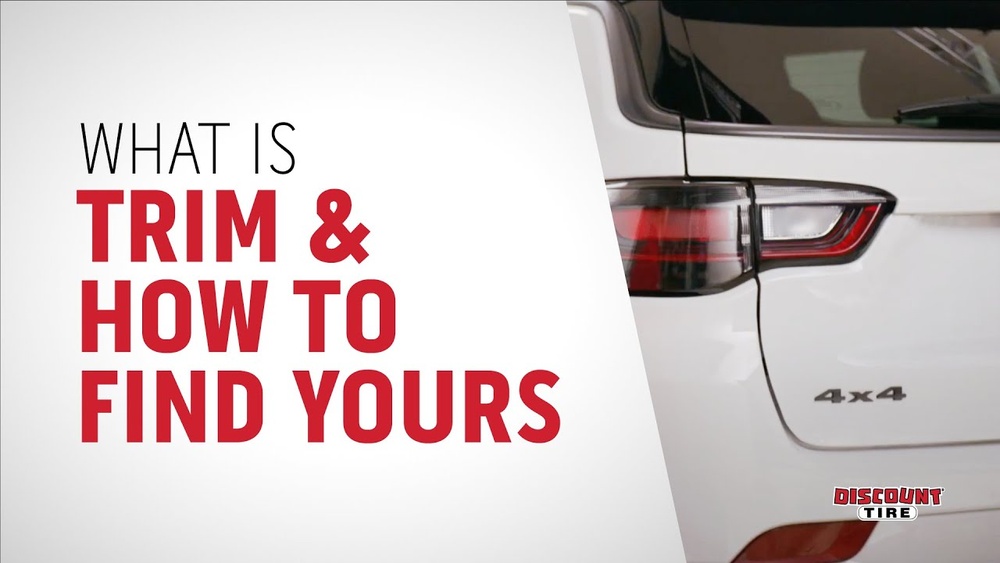
Are you curious about your car’s trim but don’t know where to start? Knowing your car’s trim level can help you understand its features, value, and even how to maintain it better.
But with so many options and details, figuring it out can feel confusing. Don’t worry—you’re in the right place. This guide will show you simple, clear steps to identify your car’s trim quickly and easily. By the end, you’ll have the confidence to know exactly what your car offers—and maybe even discover something new about it.
Keep reading to unlock the full story behind your ride.
Credit: www.tireagent.com
Check The Vehicle Badge
Checking the vehicle badge is a quick way to identify your car’s trim. This badge shows the trim level chosen by the manufacturer. It helps you understand the features and options your car includes. The badge is usually easy to spot on the car’s exterior.
Locate The Trim Badge
Look at the back of your car, near the trunk or tailgate. The trim badge is often near the model name or logo. Sometimes it appears on the side doors or near the front fenders. The badge is a small emblem or sticker with letters or numbers. Clean the area if the badge is hard to see.
Decode Common Trim Labels
Trim labels use short codes or letters to show the trim level. For example, “LX” often means base or entry-level trim. “EX” usually refers to a higher trim with more features. “Sport” or “SE” might indicate a sporty or special edition. Luxury trims might use “Limited” or “Platinum.”
Each car brand has its own codes. Check your car’s manual for exact meanings. This helps you know what your car offers beyond the basic model.
Inspect The Window Sticker
Inspecting the window sticker is a quick way to find your car’s trim. The sticker holds important information about your vehicle. It shows the exact model and features included. This makes it easier to identify the trim level without guesswork.
The window sticker is usually found on the driver’s side window. It stays on the car from the factory until you remove it. Even after buying a used car, the sticker may still be there or available online.
Find The Monroney Label
The Monroney label is the official name for the window sticker. It includes the car’s make, model, and year. The label also shows the vehicle identification number (VIN). This number helps confirm the car’s identity.
Look for a large sticker with detailed information. It often lists the trim name or code near the top. The Monroney label is a reliable source for trim details.
Identify Trim Details On Sticker
The sticker lists the trim name clearly, such as “LX,” “Sport,” or “Limited.” It also shows the engine type and transmission. These features often differ by trim level.
Extras like leather seats or upgraded wheels also appear on the sticker. These options help confirm the trim package. Read the sticker carefully for all the trim clues.
Review The Owner’s Manual
Reviewing the owner’s manual is one of the simplest ways to find your car’s trim. The manual holds detailed information about your vehicle. It often lists the trim levels available for your car model. This makes it easier to identify your exact trim.
Owner’s manuals are designed to help drivers understand their cars better. They include specs, features, and equipment details. By checking the manual, you avoid guesswork and get accurate trim info.
Locate Trim Information Section
Start by finding the trim details in the manual. Most manuals have a dedicated section for trim or model variations. Look in the introduction or the specifications chapter. This section usually describes different trims available for your car.
The trim section may include codes or names like “LX,” “EX,” or “Sport.” These codes match the trims offered by the manufacturer. Finding these helps you compare your car’s features with the listed trims.
Compare Features With Trim Levels
After locating the trim section, compare your car’s features with those listed. Check details like engine type, interior options, and technology features. These clues help confirm your car’s trim level.
Look for unique features tied to specific trims. For example, leather seats or advanced safety tech may be exclusive to higher trims. Matching these features with the manual narrows down your trim choice quickly.
Use The Vin Number
Using your car’s VIN number is a simple way to find its trim level. The VIN holds key details about your vehicle. It helps you know the exact version of your car.
This method is reliable and accurate. It avoids guesswork and confusion. You only need to find and decode the VIN correctly.
Find Your Vehicle Identification Number
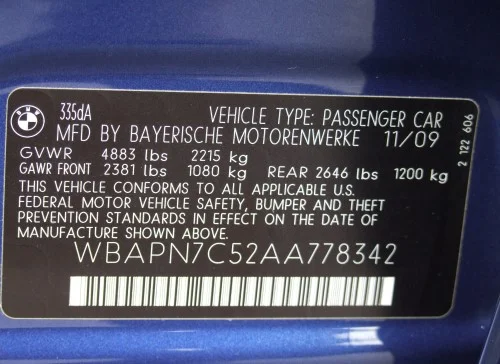
The VIN is a 17-character code unique to your car. You can find it in several places. Check the dashboard on the driver’s side. Look through the windshield from outside the car. It may also appear on the driver’s door frame or inside the engine bay.
You can find the VIN in your car’s registration and insurance documents too. Write it down carefully. Every character matters for decoding your car’s trim.
Decode Vin For Trim Data
Each part of the VIN tells something about your car. The first three characters show the manufacturer. Others reveal the car’s model, body type, and engine.
The 8th character often indicates the trim level. This letter or number varies by brand. Use an online VIN decoder or your car’s manual to read it.
Decoding the VIN gives you exact trim details. It shows the features and options included. This helps when buying parts or selling your car.
Examine Interior Features
Examining the interior features of your car can reveal a lot about its trim level. Each trim often has unique details inside. These details help identify which version of the car you have.
Focus on the materials and design inside the car. They change with higher or lower trims. Small differences in the dashboard or seats can give clues.
Check Seat Material And Design
Seats in base trims usually have cloth fabric. Higher trims often feature leather or leatherette seats. Look at the stitching and patterns on the seats. More luxurious trims may have heated or power-adjustable seats. These details show the trim level clearly.
Look At Dashboard And Controls
Dashboard layouts differ between trims. Basic trims have simple controls and fewer buttons. Higher trims often include touchscreen displays and extra features. Check for wood or metal trim pieces around the dashboard. These add a premium feel and indicate a higher trim. Notice if the steering wheel has buttons or is wrapped in leather. These small signs help identify your car’s trim.
Assess Exterior Features
Assessing your car’s exterior helps you find the exact trim level. Each trim has unique outside features. These details show what model you have. Focus on wheels and special design parts. These clues make trim identification easier.
Identify Wheel Type And Size
Check your car’s wheels closely. Different trims often have different wheel designs. Look at the wheel size too. Bigger wheels might mean a higher trim. Some trims use alloy wheels, others use steel. The wheel style can help tell trims apart quickly.
Spot Unique Trim Exterior Elements
Look for special badges or emblems on the car body. These often show the trim name or level. Notice the grille design and bumper style. Higher trims usually have more detailed or chrome parts. Lights and mirrors can also differ. These small changes highlight the trim’s identity.
Consult Online Resources
Identifying your car’s trim can be tricky. Online resources offer quick and reliable help. These tools provide detailed information about your vehicle’s features and options. They also help compare different trims easily. Exploring these sources saves time and avoids confusion.
Use Manufacturer Websites
Manufacturer websites have accurate details about trims. Enter your car’s make, model, and year for specific info. They list features for each trim level clearly. You can check photos and specs to match your car. These sites often include brochures and manuals for download.
Explore Car Forums And Groups
Car forums host discussions by owners and experts. Search for your car’s make and model to find trim details. Members share tips, photos, and identification guides. These communities answer questions quickly and help with unique cases. Reading real experiences adds practical knowledge beyond manuals.
Credit: www.seatdoctors.com
Visit A Dealership
Visiting a dealership is a practical way to identify your car’s trim. Dealers have detailed knowledge about different trims. They can help you learn exactly which one matches your vehicle. This step saves time and ensures accuracy.
Request Professional Trim Identification
Ask a dealership expert to check your car’s trim. They use tools and databases not available to the public. Professionals spot small differences in features and equipment. This helps them give you the correct trim name. Their advice is reliable and quick.
Compare Your Car With Lot Models
Look at cars on the dealer’s lot that match your make and model. Check trims side by side to spot differences. Pay attention to badges, wheels, and interior details. This visual comparison makes it easier to identify your trim. Seeing trims in person clears up any confusion.
Credit: www.tireagent.com
Frequently Asked Questions
How Can I Identify My Car’s Trim Level?
Check your vehicle’s VIN or look for badges on the rear or sides. Consult the owner’s manual or window sticker for trim details.
Where Do I Find Trim Information On My Car?
Look at the driver’s door jamb sticker or the vehicle identification number (VIN) plate. These often include trim codes and specifications.
Can The Vin Reveal My Car’s Trim?
Yes, decoding the VIN with online tools or dealer resources can specify your car’s trim and options accurately.
Why Is Knowing My Car’s Trim Important?
Trim affects your car’s features, value, and maintenance. Knowing it helps with repairs, upgrades, and resale pricing.
Conclusion
Knowing your car’s trim helps you understand its features well. Check the badges, window stickers, or the owner’s manual. You can also find trim details on the car’s registration or insurance papers. Each trim offers different options for comfort and style.
This makes it easier to compare cars and choose the right one for you. Keep this guide handy when you want to identify your car’s trim quickly. It saves time and helps you make smart decisions. Simple steps can give you clear answers about your vehicle.

