

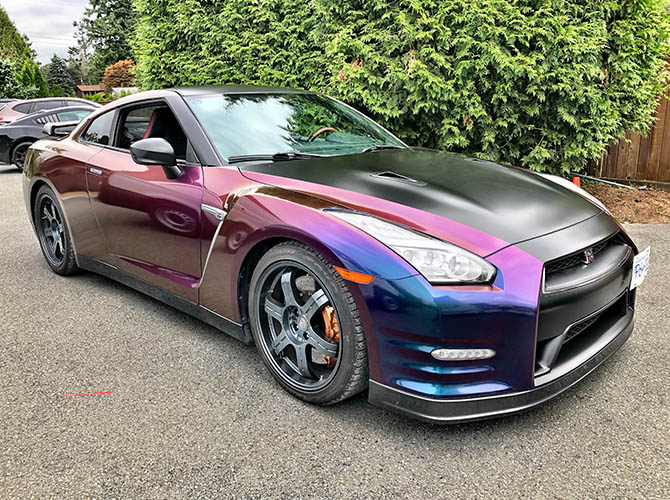
Want to give your vehicle a fresh, eye-catching look without spending a fortune? Two tone vinyl wrap is the perfect way to transform your ride with style and personality.
Imagine turning heads everywhere you go, all while protecting your original paint. You might think it’s complicated or expensive, but it’s easier than you expect—and you can do it yourself! In this guide, you’ll discover simple steps to master two tone vinyl wrapping.
Keep reading, and you’ll learn how to create a sleek, professional finish that stands out on the road. Ready to make your car truly yours? Let’s dive in.
Choosing Colors
Choosing the right colors is key to a great two tone vinyl wrap. Colors set the mood and show personality. Pick colors that look good together and match your vehicle’s style. Consider the finish too. Matte and glossy finishes create very different looks. Thoughtful color choices make your wrap stand out and look sharp.
Popular Two Tone Combinations
Some color pairs work well for two tone wraps. Black and white is a classic choice. It gives a clean and bold look. Red and black create a sporty, aggressive vibe. Blue and silver offer a cool, modern feel. Bright colors like yellow and black catch attention fast. Choose colors that suit your taste and purpose.
Matching With Vehicle Style
Your vehicle’s design matters for color choices. Sleek cars look great with bold, sharp colors. SUVs and trucks suit earthy or neutral tones. Vintage cars pair well with pastel or muted colors. Think about your vehicle’s shape and size. Colors should enhance its natural lines and features.
Matte Vs Glossy Finishes
Matte finishes give a smooth, flat look. They hide fingerprints and dirt better. Glossy finishes shine and reflect light. They highlight curves and details more. Matte feels more subtle and modern. Glossy feels bright and lively. Choose a finish that fits your style and color choice.
Preparing The Surface
Preparing the surface is the first step for a perfect two tone vinyl wrap. A clean and smooth surface helps the vinyl stick better. It also makes the colors look sharp and bright. Taking time to prepare saves effort later and gives a professional finish.
Cleaning And Degreasing
Start by washing the car with soap and water. Remove dirt, dust, and grime fully. Next, use a degreaser to clear off oils and grease. These substances stop vinyl from sticking well. Wipe the surface with a clean cloth until dry.
Removing Old Wrap Or Paint
Check for any old vinyl wrap or peeling paint. Peel off the old wrap carefully to avoid damage. For loose paint, sand it down gently. Clean the area again after removing old materials. This step helps the new wrap to hold on tight.
Smoothing Imperfections
Look for dents, scratches, or bumps on the surface. Use sandpaper or a filler to smooth these imperfections. A flat surface lets the vinyl wrap stick without bubbles. Work slowly and check the surface often. A smooth base is key for a neat wrap job.
Tools And Materials
Preparing for a two tone vinyl wrap requires the right tools and materials. These items make the process smoother and help achieve a clean, professional look. Knowing what to gather before you start saves time and frustration.
Each tool has a specific role. The vinyl wrap type affects how you apply it. Measuring and cutting supplies ensure accurate pieces for your vehicle. Let’s explore these essentials for your project.
Essential Wrapping Tools
A squeegee helps smooth out air bubbles and wrinkles. A heat gun softens the vinyl, making it easier to stretch and shape. A sharp utility knife cuts the vinyl cleanly. Gloves protect your hands and keep the vinyl clean. A surface cleaner removes dust and oils for better adhesion.
Types Of Vinyl Wraps
Matte vinyl has a flat finish without shine. Glossy vinyl shines bright and looks like paint. Satin vinyl falls between matte and gloss in shine. Carbon fiber vinyl has a textured pattern for style. Cast vinyl is flexible and lasts longer than calendared vinyl. Choose the type based on your style and budget.
Measuring And Cutting Supplies
Use a tape measure to get exact dimensions of your vehicle parts. A straight edge or ruler helps guide your cuts. A cutting mat protects surfaces and keeps blades sharp. Mark vinyl lightly with a pencil or chalk for precise cuts. Accurate measuring and cutting prevent waste and save money.

Credit: yeswrap.com
Planning The Design
Planning the design is the first step in a two-tone vinyl wrap project. It sets the foundation for a smooth and clean finish. Good planning helps avoid mistakes and saves time. Focus on clear, simple ideas to create a striking look. Proper planning makes the wrapping process easier and more precise.
Creating A Layout
Start by deciding the colors and areas for each tone. Sketch the design on paper or use a digital tool. Keep the design balanced and simple. Think about how the colors flow across the vehicle. Visualize the final look before cutting the vinyl. This step guides the rest of the wrapping process.
Marking Transition Lines
Mark the lines where one color ends and the other begins. Use painter’s tape or a washable marker. Make sure the lines are straight and smooth. Check the marks from different angles. This helps keep the colors separate and clean. Clear transition lines prevent overlapping vinyl during application.
Using Templates Or Guides
Templates or guides help keep the design accurate. Use pre-made templates for common car models if available. Custom templates can be made with cardboard or plastic sheets. Place guides on the vehicle to follow during wrapping. Templates reduce errors and speed up the work. They ensure the design fits perfectly on the surface.
Applying The Base Layer
Applying the base layer is the first key step in a two tone vinyl wrap. It creates the foundation for the second color. Taking time to do this part right ensures a smooth, lasting finish. The base layer must be neat and well placed.
Careful handling helps avoid mistakes that are hard to fix later. Follow simple steps to make the base layer strong and even. This guide explains how to align, heat, and smooth the vinyl correctly.
Aligning The Vinyl
Start by cleaning the surface. Dirt or dust can cause bubbles. Place the vinyl sheet carefully at one edge. Check that the vinyl lines up with the design area. Use light pressure to keep it in place. Do not stick it fully yet. Adjust the position until it fits perfectly.
Heating And Stretching Techniques
Heat the vinyl with a heat gun or hair dryer. Warm vinyl becomes soft and easier to stretch. Gently pull the vinyl to cover curves or edges. Keep the heat moving to avoid damage. Stretch carefully to prevent tears or wrinkles. Let it cool for a few seconds after shaping.
Avoiding Air Bubbles
Use a squeegee or soft cloth to push air out. Start from the center and move towards edges. Apply steady, even pressure. Work slowly to catch any bubbles early. If a bubble appears, lift the vinyl slightly and smooth it out. Keep checking for hidden air pockets under the vinyl.
Credit: wrapguys.com
Adding The Second Tone
Adding the second tone to a vinyl wrap creates a stylish two-tone look. It changes the vehicle’s appearance and adds contrast. This step needs care to ensure a smooth and professional finish. The second vinyl layer must fit perfectly and blend well with the first tone. Let’s explore how to add this second tone with precision and ease.
Cutting The Second Vinyl Layer
Measure the area for the second tone carefully. Use a sharp blade or scissors to cut the vinyl. Cut slightly larger than the space to allow for adjustments. Smooth out any wrinkles or bubbles after applying the vinyl. Trim excess vinyl slowly and carefully for a clean edge. Take your time to avoid mistakes in this stage.
Overlapping And Sealing Edges
Overlap the second vinyl slightly over the first tone. This overlap helps prevent gaps and peeling. Use a heat gun to warm the edges gently. Press the edges down firmly with a squeegee or soft cloth. Sealing the edges well stops dirt and moisture from getting underneath. A secure seal keeps the wrap looking fresh longer.
Blending Colors Seamlessly
Match the edges to create a smooth transition between colors. Use a soft cloth to press the vinyl edges together. Heat the vinyl lightly to make it more flexible. Avoid harsh lines or bubbles at the color junction. The goal is a natural blend that looks like one piece. Take small steps to perfect the color blend.
Finishing Touches
Finishing touches make a two-tone vinyl wrap look sharp and last longer. These steps help protect the edges and give a clean, polished appearance. Small details matter to keep the wrap neat and strong.
Trimming Excess Vinyl
Use a sharp blade to cut away extra vinyl carefully. Trim close to the edges but avoid cutting the car’s paint. Work slowly and steadily to get smooth lines. Clean cuts stop peeling and keep the wrap tight.
Applying Edge Sealant
Edge sealant protects the vinyl edges from lifting. Apply a thin layer along all cut edges with a small brush. The sealant sticks the vinyl firmly to the surface. It also stops dirt and water from getting underneath.
Post-application Care
Wait a few days before washing the wrapped vehicle. Use gentle soap and soft cloth to clean the surface. Avoid high-pressure water near the edges. Park in the shade to prevent sun damage. Check edges regularly and fix any lifting fast.

Credit: suncoprotectivefilms.com
Common Mistakes To Avoid
Applying a two tone vinyl wrap can change your vehicle’s look instantly. Avoiding common mistakes helps you get a smooth, clean finish. These errors often cause bubbles, wrinkles, or uneven colors. Knowing what to watch out for saves time and frustration.
Poor Surface Preparation
Clean the surface well before wrapping. Dirt, dust, or grease stop the vinyl from sticking. Use soap and water, then wipe with alcohol. Any leftover grime causes bubbles and peeling later. Smooth surfaces make the vinyl lay flat and last longer.
Incorrect Temperature Use
Apply vinyl at the right temperature. Too cold, and it won’t stretch or stick well. Too hot, and it may stretch too much or tear. Work in a place where the temperature is between 60°F and 80°F. This range helps the vinyl stay flexible and stick properly.
Misaligned Patterns
Align patterns carefully before sticking the vinyl. Misaligned designs look sloppy and can ruin the wrap’s appearance. Use guides or tape to mark edges and lines. Take your time to line up both colors exactly. A neat pattern makes the wrap look professional and clean.
Maintenance Tips
Maintaining a two tone vinyl wrap keeps it looking fresh and vibrant. Proper care helps the wrap last longer. Follow simple steps to protect your investment.
Cleaning Two Tone Wraps
Use a soft cloth or sponge with mild soap and water. Avoid harsh chemicals or abrasive materials. Rinse well to remove all soap residue. Dry with a clean microfiber towel to prevent water spots. Clean your wrap regularly to avoid dirt buildup and stains.
Protecting From Sun Damage
Park in shaded areas or use a car cover when possible. Sunlight can fade and weaken vinyl over time. Use a UV protectant spray designed for vinyl wraps. Apply protectant every few weeks to maintain color and flexibility. Avoid prolonged exposure to direct sunlight.
Repairing Minor Damages
Small scratches or bubbles can appear after installation. Use a heat gun on low to gently smooth out bubbles. For tiny scratches, a vinyl repair kit can help. Clean the area before applying repair products. Act quickly to prevent damage from worsening.
Frequently Asked Questions
What Materials Are Needed For Two Tone Vinyl Wrap?
You need two vinyl wrap colors, a squeegee, heat gun, knife, and cleaning supplies. Proper tools ensure a smooth application.
How Do You Prepare A Surface For Vinyl Wrapping?
Clean the surface thoroughly, removing dirt and grease. Dry it completely to help the vinyl adhere properly.
Can Two Tone Vinyl Wrap Be Removed Easily?
Yes, vinyl wraps can be removed without damage if heated properly. Peel slowly to avoid residue or paint damage.
How Long Does Two Tone Vinyl Wrap Last?
A quality vinyl wrap lasts about 5 to 7 years. Proper care and maintenance can extend its lifespan.
Conclusion
Two tone vinyl wrap adds style and personality to any vehicle. It takes patience and careful work to get good results. Start with clean surfaces and measure twice before cutting. Use a heat gun to help wrap curves smoothly. Practice makes the process easier and faster.
Enjoy the new look and protect your paint. Keep tools handy and follow steps slowly. Your car can stand out with a fresh, two-tone design. Try different colors to find your favorite combination.


