

Have you ever wondered how hard it is to replace your fuel filter? If you’re worried it might be complicated or expensive, you’re not alone.
But here’s the truth: with the right guidance, you can do it yourself and save time and money. This article will walk you through what to expect, how difficult the process really is, and tips to make it easier. Stick with me, and you’ll feel confident tackling this important car maintenance task on your own.

Credit: www.youtube.com
Signs Of A Clogged Fuel Filter
A clogged fuel filter can cause many problems in your vehicle. It stops fuel from flowing properly to the engine. This leads to poor car performance and other issues. Knowing the signs can help you fix the problem early.
Engine Performance Issues
The engine may run rough or misfire due to low fuel flow. You might feel less power when driving uphill or accelerating. The car could hesitate or stall unexpectedly. These are clear signs the fuel filter is blocked.
Fuel Efficiency Drops
Your car may use more fuel than usual. A clogged filter forces the engine to work harder. This wastes fuel and lowers miles per gallon. Watch for sudden drops in fuel efficiency during regular trips.
Starting Problems
The engine might take longer to start or fail to start. A blocked filter limits fuel supply to the engine. This causes difficulty in ignition. Frequent starting problems often point to a dirty fuel filter.
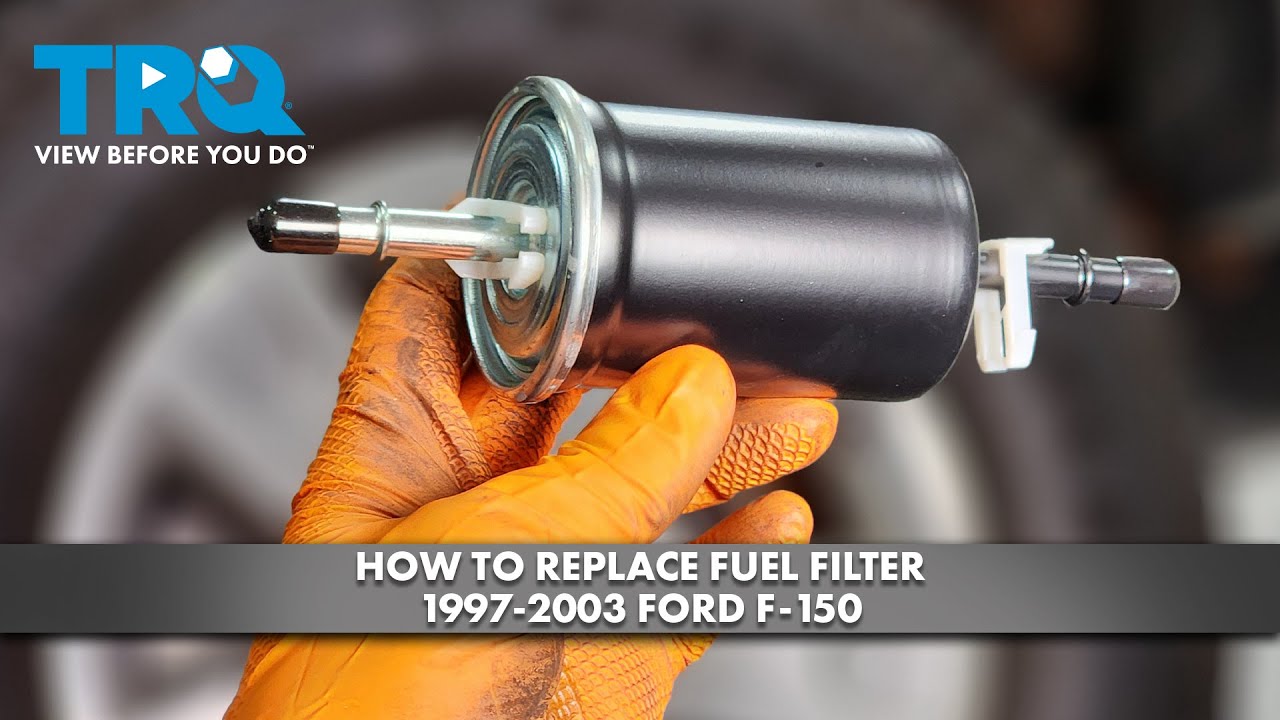
Credit: www.youtube.com
Tools Needed For Replacement
Replacing a fuel filter requires the right tools for a smooth job. Having these tools ready saves time and prevents mistakes. This section covers essential tools you need for fuel filter replacement.
Basic Hand Tools
Start with simple hand tools. A wrench set helps loosen bolts and clamps. Screwdrivers remove protective covers or clamps. Pliers assist in gripping and pulling hoses. A socket set fits different bolt sizes. Keep a clean rag nearby to wipe spills.
Safety Equipment
Safety is key when handling fuel. Wear safety goggles to protect your eyes. Use gloves to avoid skin contact with fuel. Have a fire extinguisher nearby in case of fire. Work in a well-ventilated area to avoid fumes. Safety keeps the task worry-free.
Specialty Fuel Line Tools
Some fuel filters need special tools. Fuel line disconnect tools help detach hoses without damage. These tools fit specific connectors on your vehicle. A fuel pressure gauge can check system pressure before work. Use these tools for a proper, clean replacement.
Step-by-step Replacement Process
Replacing a fuel filter is a task many car owners can handle. It helps keep the engine running smoothly. The process requires some care and the right steps. Follow this simple guide to replace your fuel filter safely and correctly.
Locating The Fuel Filter
First, find the fuel filter in your vehicle. It is often under the car, near the fuel tank or engine. Some cars have it inside the engine bay. Check your owner’s manual for the exact location.
Relieving Fuel System Pressure
Before removing the filter, relieve the fuel system pressure. This step prevents fuel spray and accidents. You can do this by removing the fuel pump fuse and running the engine until it stops. Wear safety glasses and gloves for protection.
Removing The Old Filter
Next, disconnect the fuel lines from the filter. Use a wrench or special tool if needed. Be ready for some fuel to leak. Remove any mounting brackets holding the filter in place. Take out the old filter carefully.
Installing The New Filter
Install the new fuel filter in the same position. Make sure the flow arrow points toward the engine. Reattach the fuel lines securely. Tighten any clamps or brackets to hold the filter firmly.
Checking For Leaks
Finally, check for leaks after installation. Turn on the ignition without starting the engine. Look closely at the filter connections. If no fuel leaks, start the engine and check again. Fix any leaks before driving.
Common Challenges And Solutions
Replacing a fuel filter can be tricky. Many face common problems that slow the job down. Knowing these challenges and how to solve them helps make the process smoother. Safety and proper tools are key. This guide covers typical issues and easy fixes for each.
Stuck Or Rusted Parts
Fuel filters often get stuck due to rust or dirt. Rusty parts can be hard to loosen by hand. Use a penetrating oil to loosen them first. Let the oil sit for 10-15 minutes. Use the correct wrench size to avoid stripping bolts. Gentle tapping with a hammer may help break rust. Avoid force that could damage the filter or fittings.
Fuel Spills And Safety
Fuel spills are common when changing filters. Fuel is flammable and harmful to skin. Always work in a well-ventilated area. Wear gloves and safety glasses to protect yourself. Keep a container ready to catch dripping fuel. Clean spills immediately with absorbent cloths. Have a fire extinguisher nearby as a safety measure.
Accessing Hard-to-reach Filters
Some fuel filters are placed in tight or hidden spots. This makes access difficult and may require extra tools. Use long-handled wrenches or extension sockets to reach these filters. Removing nearby parts can create more working space. Take pictures before disassembly to remember part locations. Patience and careful work prevent damage to other components.
Maintenance Tips To Extend Filter Life
Extending the life of your fuel filter helps keep your engine clean and running well. Simple maintenance steps can delay the need for a replacement. These tips protect your fuel system and save money over time.
Proper care also reduces the chances of engine problems linked to clogged filters. Focus on using good fuel, checking the filter often, and knowing when to replace it early.
Using Quality Fuel
Good fuel prevents dirt and debris from entering the filter. Low-quality fuel often has impurities that block the filter quickly. Always choose fuel from trusted gas stations. Clean fuel keeps the filter clear and helps the engine run smoother.
Regular Inspection Schedule
Check the fuel filter at set times to spot problems early. Look for dirt buildup or damage during each inspection. Follow your vehicle’s manual for inspection intervals. Regular checks avoid sudden breakdowns caused by filter clogs.
Signs To Replace Early
Watch for engine trouble or poor performance as warning signs. Difficulty starting or stalling may mean the filter is blocked. Reduced fuel efficiency also signals a need for replacement. Acting early protects the engine and saves repair costs.

Credit: www.goldeagle.com
Frequently Asked Questions
How Difficult Is It To Replace A Fuel Filter?
Replacing a fuel filter is moderately difficult. It requires basic mechanical skills and proper tools. Safety precautions are essential to avoid fuel spills. Most DIYers can handle it with a clear guide and patience.
What Tools Are Needed To Replace A Fuel Filter?
You typically need a wrench set, screwdrivers, and possibly fuel line disconnect tools. Safety gloves and eye protection are also recommended. Having a clean workspace and container for fuel spillage helps maintain safety and cleanliness.
How Often Should A Fuel Filter Be Replaced?
Fuel filters should be replaced every 20,000 to 40,000 miles. This varies by vehicle make and driving conditions. Regular replacement ensures efficient fuel flow and prevents engine damage or poor performance.
Can I Replace The Fuel Filter Myself Safely?
Yes, you can replace it safely with the right knowledge. Ensure the engine is off and cool before starting. Relieve fuel system pressure to avoid accidents. Follow step-by-step instructions carefully to prevent mistakes.
Conclusion
Replacing a fuel filter is not very hard for most cars. It takes some basic tools and a little time. Knowing the steps helps avoid mistakes and saves money. Regular replacement keeps your engine running well and prevents damage. If you are careful and follow instructions, the job is doable.
Don’t rush. Take your time and stay safe. A clean fuel filter means better fuel flow and smoother drives. Simple maintenance can make a big difference.


