

Is your vehicle struggling to start or losing power unexpectedly? These could be signs of a clogged fuel filter blocking the flow of fuel to your engine.
If you want to avoid costly repairs and get your ride running smoothly again, knowing how to unclog a clogged fuel filter is essential. You’ll discover simple, step-by-step methods that anyone can follow to fix this common issue quickly and effectively.
Keep reading, and you’ll gain the confidence to tackle your fuel filter problem head-on—saving time, money, and frustration.
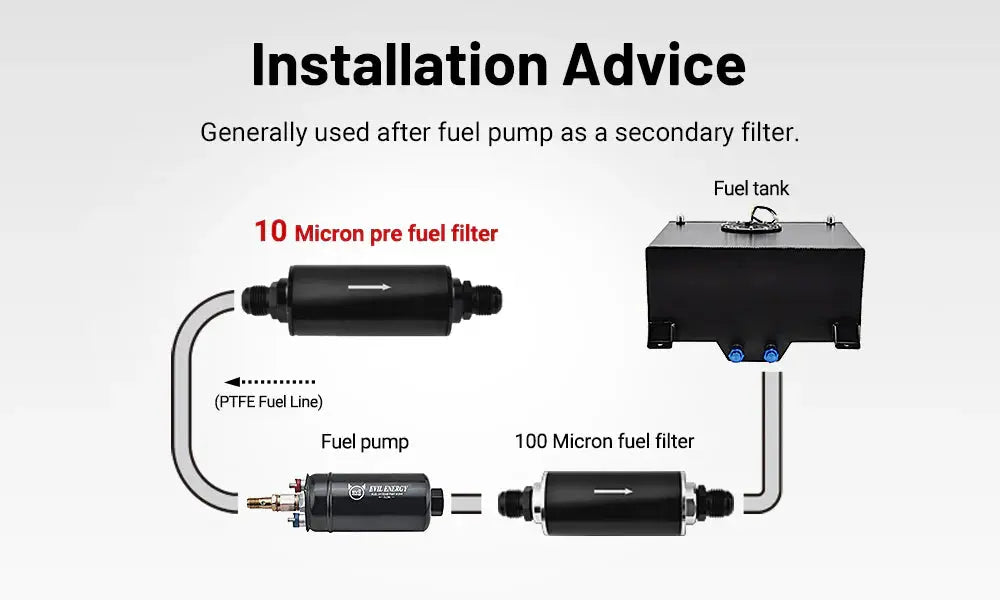
Credit: www.ievilenergy.com
Signs Of A Clogged Fuel Filter
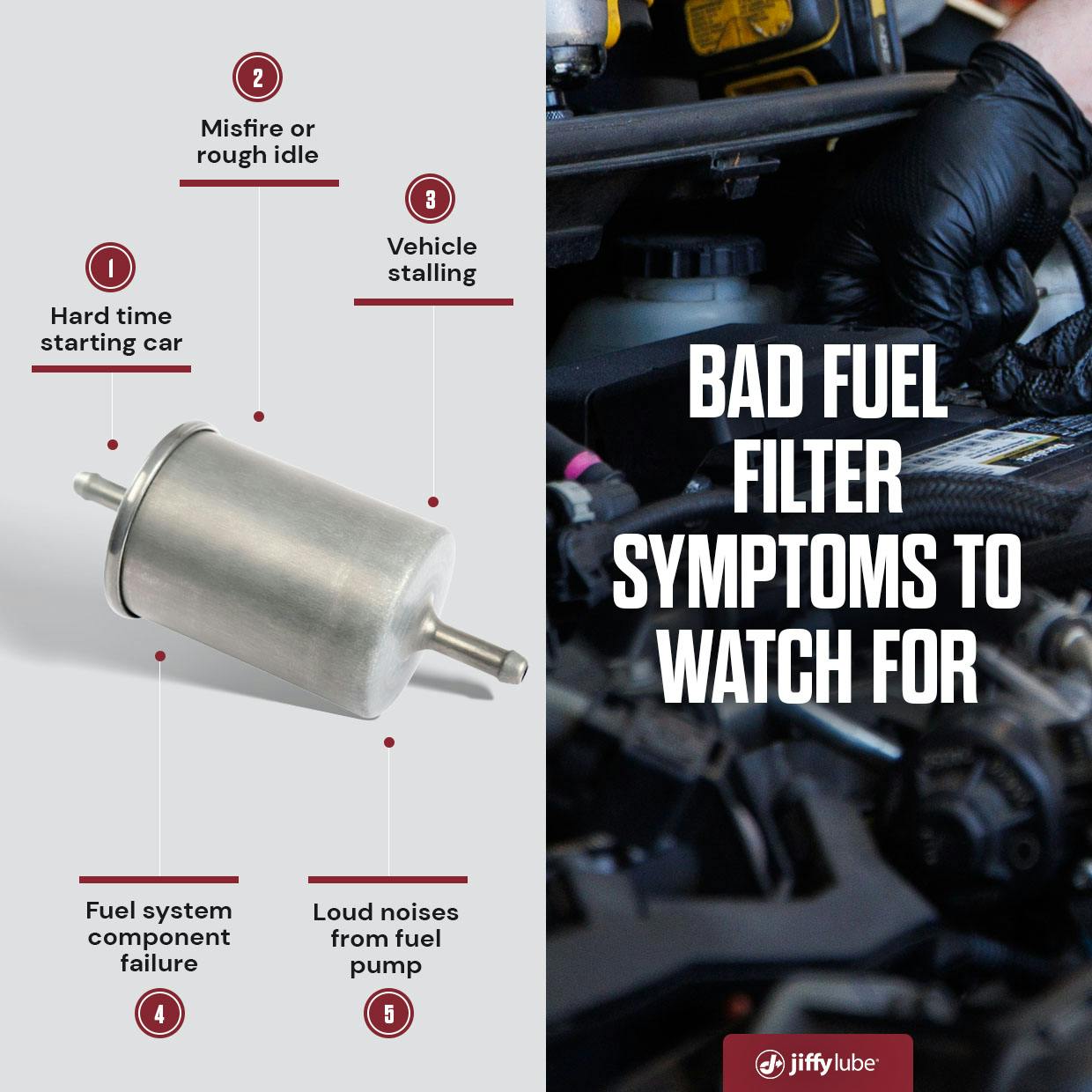
Recognizing the signs of a clogged fuel filter helps maintain your vehicle’s health. A blocked filter restricts fuel flow. This causes several noticeable problems. Knowing these signs early can prevent bigger engine troubles.
Engine Performance Issues
The engine may run rough or stall often. Acceleration feels weak or slow. You might hear sputtering sounds. These happen because the engine gets less fuel. The fuel filter blocks dirt, but when clogged, it limits fuel supply.
Fuel Efficiency Drops
Your vehicle uses more fuel than usual. You notice shorter trips between refills. A clogged filter makes the engine work harder. This wastes fuel and lowers miles per gallon. Watch for sudden drops in fuel economy.
Starting Problems
The engine struggles to start or won’t start at all. This happens because fuel flow is blocked. A clogged filter can starve the engine of fuel. Sometimes, it takes multiple tries to get the engine running.
Tools And Materials Needed
Having the right tools and materials makes unclogging a fuel filter easier. Prepare everything before starting. This saves time and avoids mistakes. You need a mix of tools, replacement parts, and safety gear.
Basic Tools
Gather simple tools like wrenches and screwdrivers. A socket set helps with tight bolts. Pliers assist in removing clips and hoses. A clean container catches fuel during the process. A flashlight improves visibility in dark spaces.
Replacement Parts
Always have a new fuel filter ready. Old filters often get clogged beyond cleaning. Check your vehicle’s manual for the correct type. Keep spare fuel hose clamps for a secure fit. Use fresh fuel if needed for rinsing parts.
Safety Equipment
Wear gloves to protect your hands from fuel. Safety glasses shield your eyes from splashes. Work in a well-ventilated area to avoid fumes. Keep a fire extinguisher nearby as a precaution. Avoid open flames or sparks near fuel.
Preparing Your Vehicle
Preparing your vehicle before unclogging a fuel filter is important. It helps you work safely and avoid damage. This step makes the process easier and faster. Follow these simple steps to get ready.
Locate The Fuel Filter
First, find the fuel filter in your vehicle. It is usually near the fuel tank or engine. Check the owner’s manual for the exact location. Some cars have the filter inside the fuel line. Others place it in a special housing. Knowing the location saves time and effort.
Relieve Fuel System Pressure
Fuel systems hold pressure even when the engine is off. Releasing this pressure prevents fuel spray and accidents. To do this, remove the fuel pump fuse or relay. Start the engine and let it run until it stops. This clears the fuel in the lines. Wear safety glasses to protect your eyes.
Ensure Safety Precautions
Work in a well-ventilated area to avoid inhaling fumes. Keep a fire extinguisher nearby. Wear gloves and old clothes to protect your skin. Avoid open flames or sparks near the work area. These steps keep you safe while handling fuel parts.
Removing The Clogged Fuel Filter
Removing a clogged fuel filter is a key step to keep your engine running well. The fuel filter stops dirt from reaching the engine. Over time, it gets dirty and blocks fuel flow. Removing the old filter carefully helps you replace it with a clean one. This process needs some tools and safety care.
Disconnect Fuel Lines
First, turn off the engine and let it cool down. Locate the fuel filter under the hood or near the fuel tank. Use pliers or a wrench to loosen the fuel lines. Be ready to catch any fuel that may spill. Work slowly to avoid breaking the lines or spilling fuel.
Remove Mounting Hardware
Find the screws or clamps holding the filter in place. Use a screwdriver or wrench to remove them. Keep the hardware safe for reuse. The filter should now be loose and ready to take out. Do not force it if it feels stuck.
Extract The Filter
Pull the fuel filter away from its holder carefully. Watch for any remaining fuel inside the filter. Dispose of the old filter properly. Avoid touching fuel with bare hands. This step clears the way for a new, clean filter to be installed.
Cleaning The Fuel Filter
Cleaning the fuel filter is a key step to keep your engine running smoothly. A clogged filter blocks fuel flow, causing poor performance. Regular cleaning helps remove dirt and debris.
This process can extend your filter’s life and improve fuel efficiency. Follow simple steps to clean it safely and effectively.
Inspecting The Filter
Start by removing the fuel filter from the vehicle. Check for cracks or damage. Look closely at the filter’s screen for dirt or particles. A dirty filter needs cleaning. A damaged one must be replaced.
Using Cleaning Solutions
Use a fuel-safe cleaning solution to soak the filter. Let it sit for 15 to 30 minutes. This loosens grime and particles inside. Avoid harsh chemicals that can harm the filter material. Gently shake or tap the filter to remove loosened debris.
Drying The Filter
After cleaning, let the filter dry completely. Use compressed air or let it air dry naturally. Do not use heat sources like a hairdryer. Make sure no moisture remains inside before reinstalling. A dry filter prevents fuel contamination and engine problems.
Installing The Fuel Filter
Installing the fuel filter correctly is important to keep your engine running smoothly. A well-installed fuel filter stops dirt and debris from reaching the engine. This helps avoid engine problems and improves fuel efficiency.
Follow simple steps to install the filter safely and securely. Each step matters to make sure the fuel flows properly.
Positioning The Filter Correctly
Place the fuel filter in the right direction. Most filters have an arrow showing the fuel flow direction. Point the arrow toward the engine. Position the filter where it fits snugly without stress on fuel lines.
Reattaching Fuel Lines
Attach the fuel lines to the filter carefully. Push the lines firmly onto the filter’s inlet and outlet. Make sure there are no gaps or loose ends. Tighten any clamps to prevent leaks.
Securing The Filter
Secure the fuel filter in its bracket or holder. Use screws or clips provided with the filter. Check that the filter does not move or shake. A stable filter lasts longer and works better.
Testing After Installation
Testing after installing a new fuel filter is very important. It helps make sure the fuel flows well and the engine runs right. This step shows if the filter is working as it should. Follow these simple checks to confirm the job is done correctly.
Starting The Engine
Turn the key and start the engine. Listen for smooth sounds. The engine should start quickly. If it struggles or stalls, check the fuel filter again. A good start means fuel flows properly.
Checking For Leaks
Look under the hood for any fuel leaks. Check around the filter and fuel lines. Leaks can cause damage or fire risks. Tighten connections if you see wet spots or smell fuel.
Monitoring Engine Performance
Drive the vehicle slowly and notice how it runs. The engine should feel steady and strong. Watch for any hesitation or loss of power. Good performance means the filter is clean and clear.
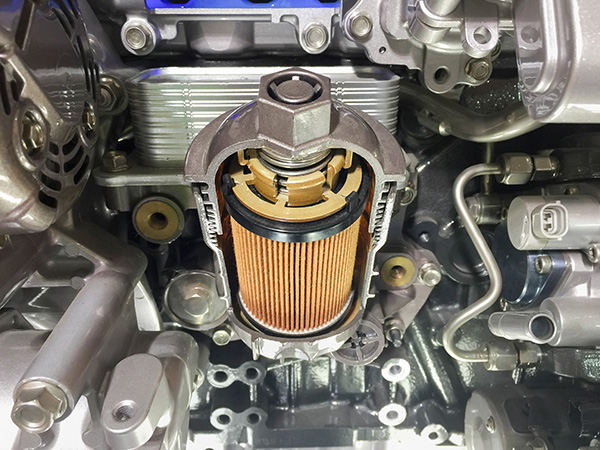
Credit: www.spacecenterautomotive.com
When To Replace Instead Of Clean
Knowing when to replace a clogged fuel filter is very important. Cleaning works well for minor blockages. But some problems need a full replacement. This saves time and protects your engine from damage. Understanding the signs helps you make the right choice. Here are key points to decide when to replace instead of clean.
Signs Of Irreparable Damage
Look for cracks or holes in the filter case. Rust or corrosion shows the filter is worn out. Persistent clogging after cleaning means the filter is beyond repair. Strange engine noises or stalling might relate to a bad filter. These signs show that cleaning won’t fix the problem.
Manufacturer Recommendations
Check your vehicle’s manual for filter change intervals. Manufacturers set these based on engine needs and fuel type. Some filters are designed for one-time use only. Following these guidelines keeps your engine healthy. Ignoring advice may cause warranty issues.
Cost Vs. Benefit
Cleaning a filter saves money but takes effort and time. Replacement costs more but ensures reliable fuel flow. Frequent cleaning might wear out the filter faster. Compare the cost of new filters to repair expenses. Often, replacing is cheaper and safer in the long run.
Preventing Future Clogs
Preventing future clogs in your fuel filter saves time and money. A clean fuel system keeps your engine running smoothly. Small steps can stop dirt and debris from blocking the filter.
Regular Maintenance Tips
Check your fuel filter regularly. Replace it as the car manual suggests. Clean fuel lines and inspect the fuel tank for rust or dirt. Keep your car’s fuel system in good shape.
Using Quality Fuel
Choose fuel from trusted stations. Low-quality fuel often contains impurities. These impurities can clog your filter faster. Good fuel helps your engine work better and last longer.
Fuel System Additives
Additives help clean the fuel system. They remove small particles and prevent buildup. Use additives made for your car type. Follow instructions carefully to avoid damage.
Credit: www.jiffylube.com
Frequently Asked Questions
What Are The Signs Of A Clogged Fuel Filter?
Common signs include engine misfires, reduced power, stalling, and difficulty starting. Fuel flow decreases, causing poor engine performance and increased fuel consumption.
How Often Should You Replace A Fuel Filter?
Replace your fuel filter every 20,000 to 40,000 miles, or as recommended by your vehicle’s manual. Regular replacement ensures optimal fuel flow and engine health.
Can I Clean A Clogged Fuel Filter Instead Of Replacing It?
Cleaning is possible but not always effective. Replacing the filter is recommended for best performance and to prevent future clogs.
What Tools Do I Need To Unclog A Fuel Filter?
You typically need a wrench, screwdrivers, fuel line disconnect tool, and safety gloves. Proper tools ensure safe and efficient unclogging or replacement.
Conclusion
Cleaning a clogged fuel filter keeps your engine running smooth. Regular checks prevent fuel flow problems and save money. Always use the right tools and follow safety steps. A clean filter means better fuel efficiency and fewer breakdowns. Take action soon to avoid bigger car troubles later.
Simple care can make a big difference on the road. Keep your vehicle healthy with small, smart fixes.


