

Are you noticing strange noises or vibrations when you brake? It might be time to check your brake pads or rotors.
Knowing how to spot the signs of worn-out brakes can save you from costly repairs and keep you safe on the road. You’ll learn simple ways to tell if your brake pads or rotors are bad before they cause bigger problems.
Keep reading to protect your car and your peace of mind.

Credit: knowhow.napaonline.com
Signs Of Worn Brake Pads
Worn brake pads affect your car’s safety and performance. Knowing the signs helps you act fast. Early detection can prevent costly repairs and keep you safe on the road. Here are key signs to watch for.
Squealing Or Screeching Noise
A high-pitched noise when braking often means worn brake pads. This sound comes from a small metal indicator. It rubs against the rotor to warn you the pads need replacing. Don’t ignore this noise. It signals your brakes are losing their grip.
Reduced Braking Response
Your car takes longer to stop or feels less responsive. This change can be dangerous. Worn pads reduce friction, making braking weak. You may need to press the pedal harder. This is a clear sign that brake pads need attention.
Brake Pad Thickness Check
Brake pads should be at least 3mm thick. Thinner pads wear out quickly and hurt braking power. You can check thickness by looking through the wheel spokes. If pads look thin or nearly gone, it is time to replace them.
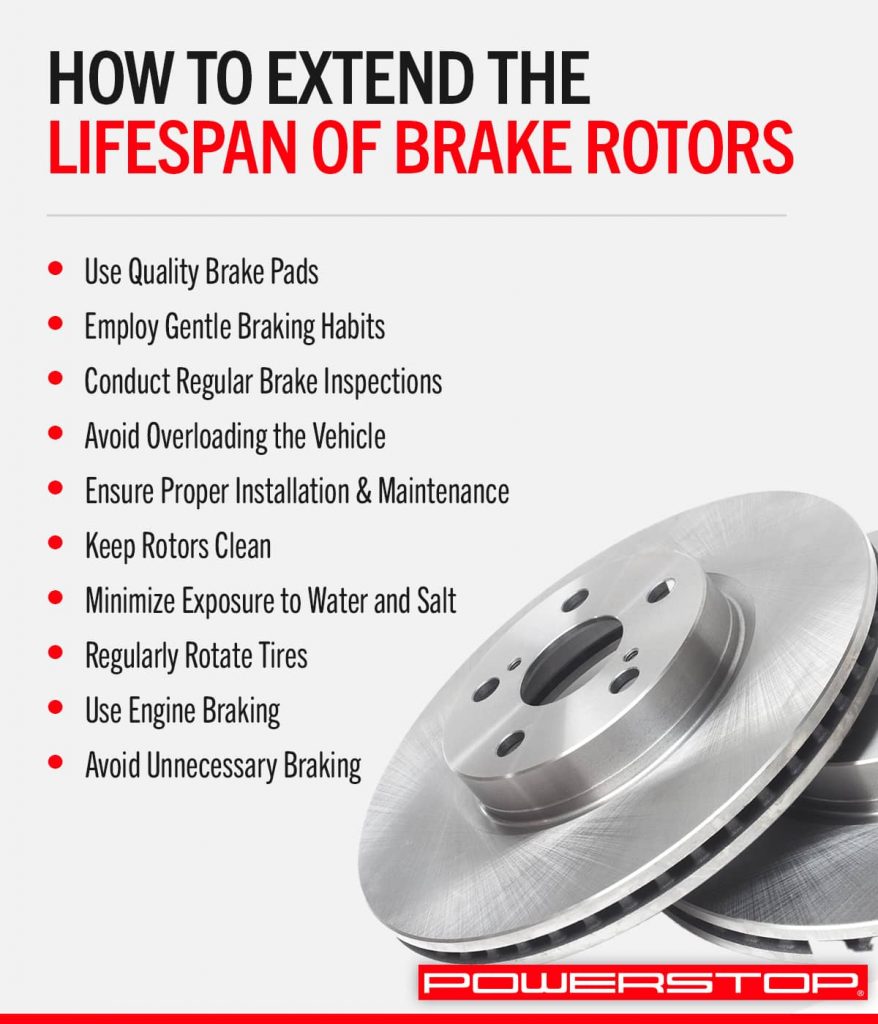
Credit: www.powerstop.com
Indicators Of Damaged Rotors
Damaged rotors can cause serious problems for your car’s braking system. Rotors are the round metal discs that your brake pads press against. Over time, these rotors can wear down or get damaged. Knowing the signs of bad rotors helps you stay safe on the road. Here are some clear indicators to watch for.
Vibrations When Braking
Feeling a shaking or vibration in the brake pedal is a common sign. The steering wheel may also shake slightly when you press the brakes. This happens because the rotors are uneven or warped. The brake pads can’t grip the rotor smoothly, causing the vibration.
Visible Grooves Or Cracks
Check the rotors by looking through the wheels. Deep grooves or cracks on the rotor surface show damage. These marks can happen from worn brake pads or overheating. Grooves reduce braking power and can make noise. Cracks are dangerous and need immediate attention.
Rotor Thickness Measurement
Rotors have a minimum thickness limit set by the manufacturer. Using a micrometer or caliper measures the rotor thickness. If the rotor is thinner than the limit, it must be replaced. Thin rotors can crack or warp more easily, reducing brake safety.
Common Brake Problems And Causes
Brake problems can cause serious safety issues. Knowing common causes helps spot trouble early. Brake pads and rotors wear out or get damaged from daily use. Understanding these issues keeps your car safe and reliable on the road.
Here are some frequent brake problems and what causes them.
Overheating And Brake Fade
Brakes get very hot during heavy use. Overheating reduces their ability to stop the car. This is called brake fade. It happens when the pads and rotors cannot cool down fast enough. Long downhill drives or repeated hard stops cause this problem. Overheated brakes may feel soft or spongy when pressed.
Contamination And Corrosion
Dirt, oil, or water on brake parts lowers their grip. Contamination causes squeaking and less stopping power. Corrosion happens when metal parts rust from moisture. Rust weakens rotors and makes pads wear unevenly. Wet or salty roads increase the chance of corrosion. Clean and dry brakes work best.
Improper Installation Effects
Wrong brake pad or rotor installation causes many issues. Parts may not fit well or align correctly. This leads to uneven wear and noise. Loose parts can cause vibrations when braking. Professional installation ensures all components work smoothly. Proper fit extends brake life and improves safety.
Tools For Inspecting Brakes
Inspecting brake pads and rotors needs the right tools. These tools help you check parts safely and correctly. Using proper tools makes it easier to find problems early. It keeps your car safe and extends brake life.
Using A Jack And Lug Wrench
A jack lifts the car off the ground. This allows you to see the brakes clearly. Use a lug wrench to remove the wheel nuts. Take off the wheel to check brake pads and rotors. Always place the jack on a solid surface. Secure the car with jack stands for safety.
Measuring Tools For Thickness
Brake pads and rotors wear down over time. You need tools to measure their thickness. A brake pad gauge measures pad thickness easily. A micrometer or caliper measures rotor thickness accurately. Compare these measurements to the manufacturer’s minimum limits. Thin pads or rotors mean it is time to replace them.
Listening Devices And Sensors
Some brakes have built-in sensors that alert you to wear. These sensors make a squealing or grinding sound. You can also use a mechanic’s stethoscope. It helps detect unusual noises from brakes. Listening carefully helps catch issues before they get worse.
When To Replace Pads Or Rotors
Knowing when to replace brake pads or rotors is key for safe driving. Worn parts reduce braking power and increase risks. Regular checks help catch wear early. Replacing parts at the right time keeps your car safe and working well.
Manufacturer Recommendations
Car makers give clear advice on brake maintenance. Check your vehicle’s manual for specific intervals. These guidelines depend on your car model and brake type. Following these tips can prevent damage and costly repairs. Manuals often suggest pad thickness and rotor condition limits.
Safety Thresholds
Brake pads under 3 millimeters need replacement fast. Thin pads can cause poor braking and damage rotors. Rotors with deep grooves or cracks must be replaced. Warped rotors cause vibrations and noise when braking. Safety rules focus on keeping braking smooth and effective.
Cost Vs. Performance Considerations
New brake pads cost less than rotors. Rotors last longer but wear out over time. Replacing both pads and rotors together improves braking power. Cheap pads may wear quickly and reduce safety. Balance cost with performance to avoid frequent repairs.
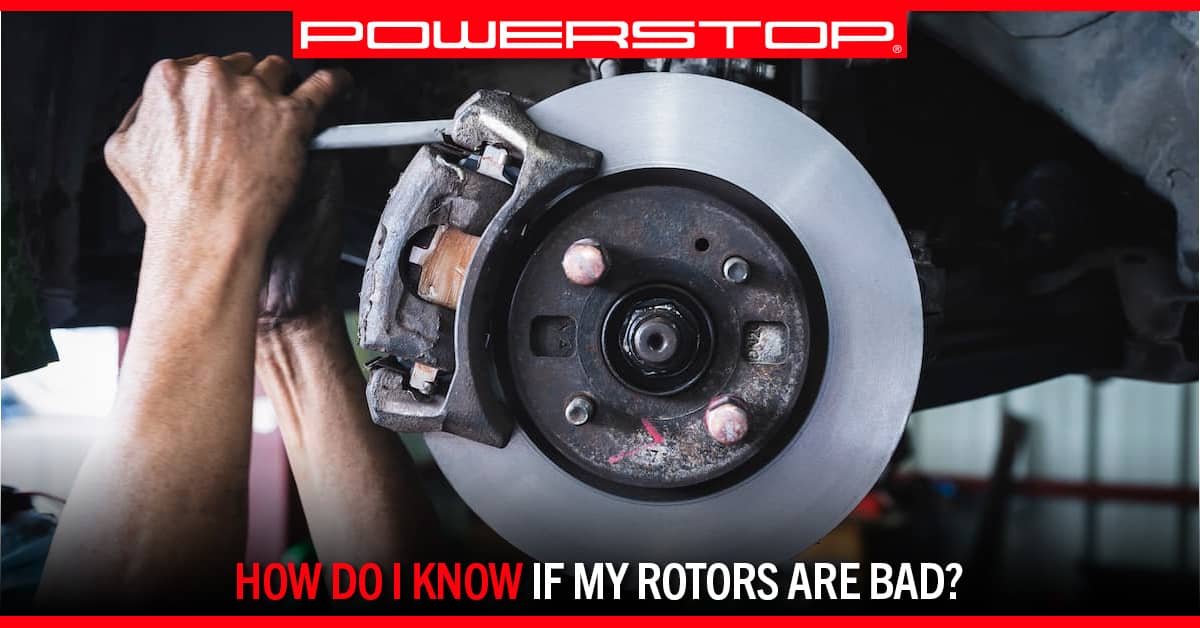
Credit: www.powerstop.com
Maintaining Brake Health
Maintaining brake health is key to safe driving. Good brakes stop your car quickly and smoothly. They also protect you and other drivers on the road. Regular care helps your brakes last longer and saves money on repairs. Simple steps keep brake pads and rotors working well.
Regular Inspections
Check your brakes every few months. Look for signs of wear like squeaking or grinding noises. Notice if the brake pedal feels soft or hard. Inspect brake pads for thin or uneven wear. Rotors should be smooth without grooves or cracks. Early checks catch problems before they get worse.
Driving Habits That Help
Drive gently to save brake parts. Avoid sudden stops when possible. Keep a safe distance from cars ahead. Use engine braking by downshifting on hills. This reduces pressure on pads and rotors. Smooth driving reduces heat and wear on brakes. It extends the life of brake components.
Professional Servicing Tips
Have a mechanic check your brakes at least once a year. They can measure pad thickness and rotor condition accurately. Professionals clean brake parts and replace worn items. Balance and alignment checks improve braking performance. Trust experts to keep your braking system in top shape.
Frequently Asked Questions
How To Identify Worn Brake Pads Symptoms?
Worn brake pads cause squealing or grinding noises. You may feel reduced braking power or a longer stopping distance. Visual inspection often shows thin pads. These signs mean it’s time to replace the brake pads to ensure safe driving.
What Are Signs Of Bad Brake Rotors?
Bad rotors often cause vibrations or pulsations when braking. You might see visible grooves, cracks, or rust. Rotors that are too thin or warped reduce braking efficiency. Prompt rotor replacement keeps your brakes working properly and safely.
Can Brake Pad Wear Damage Rotors?
Yes, worn brake pads expose metal to rotors. This metal-on-metal contact causes rotor grooves and warping. Replacing pads on time prevents rotor damage and costly repairs. Regular brake inspections help avoid this problem.
How Often Should Brake Pads And Rotors Be Checked?
Brake pads and rotors should be inspected every 10,000 to 15,000 miles. Frequent checks ensure early detection of wear or damage. This maintenance keeps your braking system safe and efficient.
Conclusion
Knowing the signs of bad brake pads or rotors keeps you safe. Listen for squealing or grinding sounds while braking. Notice if the car pulls to one side or shakes. Check for thin brake pads or grooves on rotors. Regular checks help spot problems early.
Don’t wait until brakes fail completely. Timely repairs save money and avoid accidents. Trust your senses and stay alert on the road. Your safety depends on well-maintained brakes. Simple steps make a big difference in driving confidence.


