

Is your vehicle struggling to start or running rough? The problem might be a clogged fuel filter.
When your fuel filter gets blocked, it restricts the flow of fuel to your engine, causing poor performance and even damage over time. But don’t worry—you don’t have to be a mechanic to fix this. In this guide, you’ll learn simple, step-by-step ways to unclog your fuel filter and get your engine running smoothly again.
Keep reading, and you’ll soon save time, money, and avoid unnecessary trips to the shop.
Signs Of A Clogged Fuel Filter
Recognizing the signs of a clogged fuel filter can save your car from serious damage. The fuel filter stops dirt and debris from reaching the engine. Over time, it can get blocked. This blockage affects how your car runs. Watch for these common signs to know if your fuel filter needs attention.
Engine Performance Issues
A clogged fuel filter reduces fuel flow to the engine. The engine may run rough or stall. You might feel a loss of power during acceleration. The engine can hesitate or jerk unexpectedly. These problems show the engine is not getting enough fuel.
Fuel Efficiency Drops
Your car may use more fuel than usual. A blocked fuel filter makes the engine work harder. This causes higher fuel consumption. You will notice shorter trips between fill-ups. Lower miles per gallon is a clear sign of a clogged filter.
Starting Problems
The engine may take longer to start or fail to start. A clogged filter limits fuel reaching the engine. This causes weak or no ignition. Repeated starting attempts may be needed. Difficulty starting is a strong indicator of fuel filter issues.
Tools And Materials Needed
To unclog a fuel filter, you need the right tools and materials. These items make the job easier and safer. Having everything ready saves time and avoids frustration. Below are the key tools and supplies you will need.
Basic Hand Tools
Basic hand tools include wrenches, screwdrivers, and pliers. A wrench helps loosen fuel lines connected to the filter. Screwdrivers remove clamps or screws holding the filter. Pliers assist with gripping and pulling hoses. These tools are common and easy to find.
Replacement Fuel Filter
A new fuel filter is essential after unclogging or removing the old one. Choose the correct filter for your vehicle’s make and model. Using the right filter ensures proper fuel flow and engine performance. Keep the old filter for comparison before buying a new one.
Safety Gear
Safety gear protects you during the process. Wear gloves to avoid skin contact with fuel. Safety glasses shield your eyes from splashes. Work in a well-ventilated area to avoid inhaling fumes. These precautions reduce risks and keep you safe.
Preparing Your Vehicle
Before unclogging the fuel filter, prepare your vehicle carefully. This step ensures safety and makes the job easier. Taking time now prevents problems later.
Follow these simple steps to get your vehicle ready for the fuel filter cleaning process.
Park And Secure
Choose a flat, stable surface to park your vehicle. Turn off the engine and remove the keys. Engage the parking brake to stop any movement. This keeps your car safe while you work.
Wear gloves and safety glasses for extra protection. Keep a fire extinguisher nearby. Fuel systems can be dangerous if handled carelessly.
Relieve Fuel System Pressure
Fuel systems have pressure that must be released before you start. Locate the fuel pump fuse or relay in the fuse box. Remove it to stop fuel flow.
Start the engine and let it run until it stops. This uses up the remaining fuel pressure. Turn off the ignition and wait a few minutes to be sure.
Relieving pressure helps avoid fuel spray that could cause injury. It also makes removing the fuel filter safer and cleaner.
Locate The Fuel Filter
Find the fuel filter before you begin work. Check your vehicle’s manual for its exact location. Common places include near the fuel tank or along the fuel line under the car.
The fuel filter looks like a small cylinder or canister. It connects to the fuel lines with clips or screws. Knowing its spot saves time and effort during cleaning.
Removing The Clogged Fuel Filter
Removing a clogged fuel filter is a key step in fixing fuel flow problems. This process stops dirt and debris from reaching the engine. It can improve engine performance and prevent damage.
Start by carefully disconnecting fuel lines. Next, remove mounting brackets that hold the filter. Finally, take out the old filter for replacement.
Disconnect Fuel Lines
Turn off the engine and relieve fuel system pressure. Use a wrench or pliers to loosen the fuel line fittings. Pull the fuel lines gently away from the filter. Be ready with a container to catch any fuel spills.
Remove Mounting Brackets
Locate the mounting brackets holding the fuel filter. Use the correct tool, usually a screwdriver or socket wrench. Unscrew the brackets carefully without damaging them. Set the brackets aside for reinstallation later.
Take Out Old Filter
Hold the fuel filter firmly and pull it free from the mounting area. Check for any remaining fuel inside the filter. Dispose of the old filter safely according to local rules. Prepare for the new filter installation right after.
Cleaning The Fuel Filter
Cleaning the fuel filter helps keep your engine running smoothly. Dirt and debris block fuel flow, causing poor engine performance. Regular cleaning prevents clogs and extends filter life. Follow safe steps to clean the fuel filter properly.
Using Compressed Air
Use compressed air to blow out dirt from the filter. Hold the filter firmly and blow air from the inside out. This removes trapped particles without damaging the filter. Make sure to wear safety glasses to protect your eyes.
Soaking Techniques
Soak the fuel filter in a cleaning solution to loosen debris. Use a mild solvent or fuel system cleaner. Let the filter soak for 30 minutes to one hour. After soaking, rinse it with clean water and let it dry completely before reinstalling.
When To Replace Instead
Some fuel filters cannot be cleaned effectively. Replace the filter if it shows damage or heavy clogging. Follow the manufacturer’s recommended replacement schedule. A new filter ensures better fuel flow and engine health.
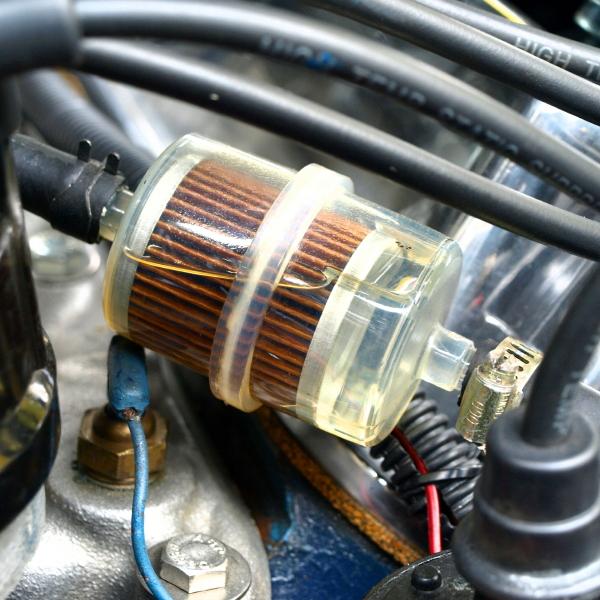
Credit: motor.onehowto.com
Installing A New Or Cleaned Filter
Installing a new or cleaned fuel filter is a key step to keep your vehicle running smoothly. A properly installed filter ensures clean fuel reaches the engine. This helps prevent damage and improves performance. Follow these steps carefully to install the filter correctly.
Positioning The Filter Correctly
Place the filter in the right direction. Most filters have an arrow showing fuel flow. The arrow should point toward the engine. Incorrect positioning may block fuel flow or damage the filter. Check the filter’s manual for exact placement.
Reattaching Fuel Lines
Connect the fuel lines firmly to the filter’s inlet and outlet. Push the lines fully to avoid leaks. Use clamps if needed to secure the connections. Loose fuel lines can cause fuel leaks or engine problems.
Securing The Filter
Fix the filter in its holder or bracket tightly. Use screws or clips provided by the manufacturer. A loose filter can vibrate and cause damage. Make sure it does not move during vehicle operation.
Testing After Installation
Testing after installing a fuel filter is very important. It ensures the filter works well and your engine runs smoothly. This step helps find any problems early. Follow these checks carefully for best results.
Checking For Leaks
Look around the fuel filter for any fuel leaks. Use a clean cloth to wipe the area and watch for wet spots. Tighten connections if you see leaks. Fuel leaks can be dangerous and reduce performance.
Starting The Engine
Turn on the engine and listen closely. The engine should start easily and run without sputtering. If it struggles or stalls, the filter might be clogged or installed wrong. Try restarting a few times to be sure.
Monitoring Performance
Drive the vehicle slowly to check how it feels. The engine should run smooth without hesitation. Notice any strange sounds or power loss. Good fuel flow means better engine performance and fuel efficiency.

Credit: www.wikihow.com
Preventive Maintenance Tips
Preventive maintenance is key to keeping your fuel filter clear and your engine running smoothly. Taking small steps regularly helps avoid clogging and costly repairs. It saves time and money over the long run.
Maintaining your fuel system starts with simple habits. These tips keep dirt and debris away from the filter. They help your vehicle perform better and last longer.
Regular Filter Replacement Schedule
Change the fuel filter at the intervals recommended by the vehicle maker. Old filters trap less dirt and reduce fuel flow. Regular replacement prevents blockages and keeps the engine healthy. Write down the dates and mileage to stay on track.
Using Quality Fuel
Choose clean, high-quality fuel from trusted stations. Poor-quality fuel contains dirt and water that damage the filter. Quality fuel burns cleaner and protects the fuel system. This reduces the risk of clogging and engine trouble.
Keeping Fuel Tank Clean
Keep the fuel tank free from dirt and rust. Contaminants inside the tank can clog the filter quickly. Drain and clean the tank if you notice debris or water. A clean tank ensures smooth fuel flow and filter longevity.

Credit: oilchangers.com
Frequently Asked Questions
How Do I Know If My Fuel Filter Is Clogged?
A clogged fuel filter causes engine hesitation, stalling, or poor acceleration. Check for difficulty starting or unusual engine noises. Regular inspection helps avoid fuel flow issues. Replace the filter if symptoms persist to maintain engine performance.
Can I Unclog A Fuel Filter Myself?
Yes, you can unclog a fuel filter with basic tools and safety precautions. Drain fuel, remove the filter, and clean or replace it. Follow vehicle-specific instructions to prevent damage and ensure proper fuel flow.
How Often Should I Replace My Fuel Filter?
Replace your fuel filter every 20,000 to 40,000 miles, depending on your vehicle. Consult your owner’s manual for exact intervals. Regular replacement prevents clogging and keeps your engine running smoothly.
What Tools Are Needed To Unclog A Fuel Filter?
You’ll need wrenches, screwdrivers, a container for fuel, and safety gloves. Some vehicles require special tools. Always work in a well-ventilated area and follow safety guidelines when handling fuel.
Conclusion
Cleaning a fuel filter helps your engine run smoothly. It stops dirt from blocking fuel flow. Regular checks can save you costly repairs. Use the right tools and follow steps carefully. Stay safe by working in a well-ventilated area. Keep your vehicle’s fuel system in good shape.
Small efforts lead to better performance and longer engine life. Take action soon to avoid engine problems later. Simple maintenance keeps your ride reliable and strong.


