

Have you ever wondered how often you should replace your fuel filter? It might not be the first thing on your mind when thinking about car maintenance, but it plays a crucial role in keeping your engine running smoothly.
Ignoring it can lead to costly repairs and poor performance. You’ll discover the signs that tell you it’s time for a change, how often you should really replace it, and why staying on top of this simple task can save you money and headaches down the road.
Keep reading to protect your vehicle and enjoy a smoother ride every time you hit the road.
Fuel Filter Basics
The fuel filter is a small but vital part of your car. It helps keep the engine clean and running well. Dirt and rust can enter the fuel tank. The fuel filter stops these harmful bits from reaching the engine. Understanding the basics of the fuel filter helps you know why it needs regular care.
A clean fuel filter means smoother engine performance. A clogged filter can cause poor fuel flow. This leads to engine trouble and lower fuel efficiency. Knowing the role and types of fuel filters makes it easier to decide when to replace them.
Role In Vehicle Performance
The fuel filter blocks dirt and debris from the fuel. Clean fuel means better engine combustion. This improves power and fuel economy. A dirty filter can cause the engine to run rough or stall. It also puts stress on the fuel pump. Keeping the fuel filter clean protects the engine and saves money on repairs.
Types Of Fuel Filters
There are mainly two types of fuel filters. Inline filters sit along the fuel line. They are common in many cars and trucks. Cartridge filters are inside the fuel system. They are often found in modern vehicles. Both types need regular checks and changes. Choosing the right filter depends on your vehicle model and fuel system type.
Signs Of A Clogged Fuel Filter
The fuel filter plays a key role in keeping your car’s engine clean. Dirt and debris can block the filter over time. This causes problems with fuel flow. Knowing the signs of a clogged fuel filter helps you act fast. It prevents bigger engine troubles and costly repairs.
Watch for changes in how your car runs. These signs show your fuel filter might need replacing soon.
Engine Performance Issues
Your engine may run rough or hesitate during acceleration. It might lose power on hills or under heavy load. These issues happen because clogged filters limit fuel supply. The engine struggles to get enough fuel to work well.
Fuel Efficiency Drop
A clogged fuel filter can cause your car to use more gas. You may notice you fill the tank more often. Poor fuel flow makes the engine less efficient. This leads to higher fuel costs and more trips to the gas station.
Starting Problems
Hard starting or failure to start can signal a blocked fuel filter. The engine needs a steady fuel flow to start smoothly. A clogged filter restricts this flow, causing delays or no start at all. This problem worsens if ignored.
Replacement Intervals
Fuel filters usually need replacement every 20,000 to 40,000 miles. Dirty filters can cause engine problems and lower fuel efficiency. Check your car’s manual for exact intervals.
Manufacturer Recommendations
Car makers set fuel filter replacement times based on tests. These guidelines ensure your engine runs well. Usually, they suggest changing the filter every 20,000 to 40,000 miles. Check your owner’s manual for exact intervals. Following these helps avoid fuel flow problems and engine damage.
Driving Conditions Impact
Harsh driving conditions can shorten fuel filter life. Dusty roads, heavy traffic, and stop-and-go driving add strain. In these cases, replace the filter more often than usual. Clean fuel keeps the engine healthy and saves money on repairs. Regular checks help spot early signs of clogging.
Vehicle Age Considerations
Older cars need more frequent fuel filter changes. Over time, filters catch more debris and wear out. An old filter can cause poor engine performance and fuel inefficiency. If your vehicle is over ten years old, consider checking the filter yearly. This simple step prolongs engine life and improves driving smoothness.
Credit: germanformula.com
Replacing The Fuel Filter
Replacing the fuel filter is a key part of car maintenance. It keeps dirt and debris from clogging the engine. A clean fuel filter helps your car run smoothly and saves fuel. Knowing how to replace the fuel filter can save time and money.
Diy Vs Professional Service
You can replace the fuel filter yourself or hire a mechanic. DIY saves money but needs some skills and tools. Professionals have experience and do the job fast. Choose what fits your comfort and car model.
Tools And Materials Needed
Prepare these before starting: new fuel filter, wrenches, screwdrivers, pliers, and safety gloves. A container for old fuel and rags to clean spills help too. Check your car manual for the right fuel filter type.
Step-by-step Replacement Process
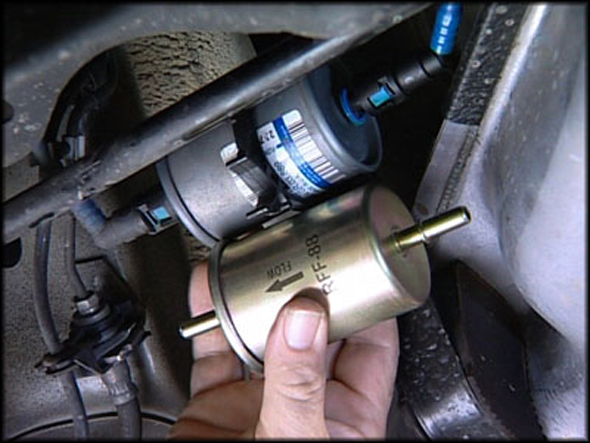
First, park the car and turn off the engine. Relieve fuel system pressure to avoid spills. Remove the old fuel filter carefully. Install the new filter in the same direction as the old one. Tighten all clamps and connections. Start the engine and check for leaks. Dispose of the old filter properly.
Consequences Of Neglect
Ignoring the fuel filter replacement can cause many problems. The fuel filter stops dirt and debris from entering the engine. Over time, it gets clogged and stops working well. This neglect affects your car’s performance and can lead to costly repairs. Below are some key consequences of not changing the fuel filter on time.
Engine Damage Risks
A dirty fuel filter lets impurities reach the engine. These particles can cause wear and tear inside engine parts. Over time, the engine may lose power or stall. Serious damage might need expensive repairs or engine replacement. Protect your engine by changing the fuel filter regularly.
Fuel System Issues
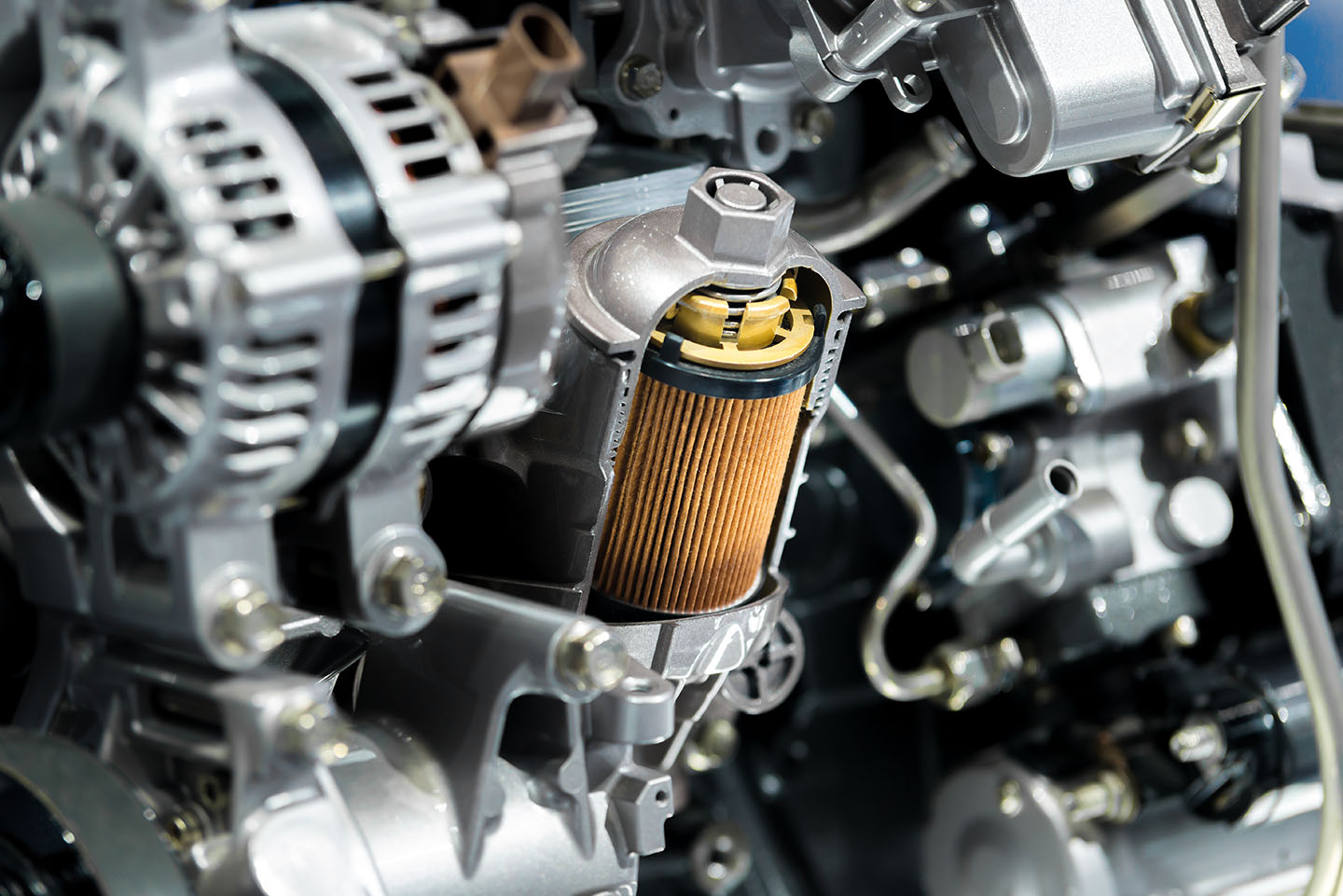
A clogged fuel filter restricts fuel flow to the engine. This causes poor engine performance and hard starts. The fuel pump works harder, leading to early failure. Fuel injectors can also get blocked or damaged. Replacing the fuel filter keeps the entire fuel system healthy.
Increased Maintenance Costs
Neglecting the fuel filter raises repair and maintenance bills. Engine and fuel system problems cost much more than filter replacement. Frequent breakdowns can increase downtime and inconvenience. Routine filter changes save money and keep your vehicle reliable.
Credit: bostechauto.com
Tips For Fuel Filter Maintenance
Maintaining your fuel filter helps keep your car’s engine clean and running smoothly. Proper care extends the filter’s life and protects your vehicle from damage. Simple steps can prevent costly repairs and improve fuel efficiency.
Follow these easy tips to maintain your fuel filter effectively.
Regular Inspections
Check your fuel filter often for dirt and damage. Look for signs like reduced engine power or rough idling. Early detection helps avoid bigger problems. Use a flashlight to inspect the filter area carefully.
Fuel Quality Tips
Always use clean, high-quality fuel. Poor fuel clogs the filter faster. Avoid filling up from questionable gas stations. Adding fuel stabilizers can help keep fuel clean longer.
Scheduling Service Checks
Set regular appointments with your mechanic to check the fuel system. Follow the car manufacturer’s recommended service schedule. Professionals can spot issues you might miss. Keep records of all maintenance work done.

Credit: www.mercedesbenzportland.com
Frequently Asked Questions
How Often Should You Replace A Fuel Filter?
Typically, replace your fuel filter every 20,000 to 40,000 miles. Check your vehicle’s manual for exact intervals. Regular replacement prevents engine issues and ensures smooth fuel flow.
What Are Signs Of A Clogged Fuel Filter?
Common signs include engine misfires, poor acceleration, and difficulty starting. A clogged filter reduces fuel flow, affecting performance and fuel efficiency. Address symptoms promptly to avoid engine damage.
Can A Dirty Fuel Filter Damage My Engine?
Yes, a dirty fuel filter restricts fuel flow and can cause engine stalling. It may also lead to poor fuel economy and increased emissions. Replacing the filter helps maintain engine health and performance.
Is Fuel Filter Replacement Diy-friendly?
Replacing a fuel filter can be DIY if you have proper tools and knowledge. However, some vehicles require professional service due to filter location and fuel system complexity. Always follow safety precautions when working with fuel.
Conclusion
Replacing your fuel filter regularly keeps your engine clean and running well. Dirty filters block fuel flow and reduce performance. Most cars need a new filter every 20,000 to 40,000 miles. Check your owner’s manual for exact advice. Watching for signs like poor acceleration helps catch issues early.
Clean fuel means better mileage and fewer repairs. Don’t wait too long to change the filter. Taking care of this small part protects your vehicle’s heart. Keep your car healthy by staying on top of fuel filter changes. Simple steps make a big difference.

