

Want your car to look spotless without spending hours scrubbing? Using a pressure washer can make the job faster and more effective.
But if you’re not careful, it can also damage your car’s paint or parts. In this guide, you’ll learn simple, step-by-step tips to use a pressure washer safely and get your car shining like new. Keep reading to discover how to save time, protect your vehicle, and enjoy a flawless clean every time.
Credit: www.torquedetail.com
Choosing The Right Pressure Washer
Choosing the right pressure washer is key to cleaning your car safely and effectively. Using too much pressure can damage the paint or trim. Too little pressure might not clean well. Picking the right model and settings makes the job easier and protects your car’s finish.
Types Of Pressure Washers
Pressure washers come in electric and gas models. Electric washers are lighter and quieter. They work well for cars and small jobs. Gas washers are more powerful and best for heavy dirt. For cars, choose an electric washer with moderate power. It cleans well without hurting the paint.
Ideal Pressure Settings For Cars
Pressure matters a lot when washing a car. Use a pressure between 1200 and 1900 PSI. This range cleans dirt without causing damage. Higher pressure can chip paint or push water into seals. Adjust pressure settings if your washer allows it. Start low and increase if needed.
Essential Nozzle Attachments
Nozzles control water flow and spray angle. A 25-degree nozzle is great for car washing. It sprays water gently over a wide area. Avoid nozzles with narrow angles like 0 or 15 degrees. They create a strong jet that can harm your car’s surface. A foam cannon attachment helps apply soap evenly.
Preparing Your Car For Washing
Preparing your car for washing is an important step. It helps protect the car’s paint and other parts. A well-prepared car cleans better and avoids damage. Follow simple steps to get your car ready for the pressure washer.
Removing Loose Dirt And Debris
Start by removing loose dirt and debris from the car. Use a soft brush or cloth to clear leaves, dust, and spider webs. This prevents scratching the paint during washing. Check the wheels and wheel wells for stuck dirt. Clear those areas gently before applying water.
Protecting Sensitive Areas
Cover sensitive parts such as air vents, door seals, and lights with plastic wrap or tape. This keeps water from entering areas that may cause damage. Avoid spraying directly into engine openings or electrical connections. Protecting these areas helps prevent costly repairs later.
Selecting The Best Cleaning Agents
Choose cleaning agents made for cars. Use mild soap that does not harm the paint. Avoid harsh chemicals or household cleaners. Check the label to ensure it is safe for automotive finishes. Proper cleaning agents help maintain the car’s shine and protect its surface.
Step-by-step Washing Process
Cleaning a car with a pressure washer needs care and the right steps. Follow this simple guide to protect your vehicle’s paint and get it clean fast. Each step helps remove dirt safely and prepares the car for the next phase. Taking your time ensures a shiny, spotless finish.
Pre-rinsing The Vehicle
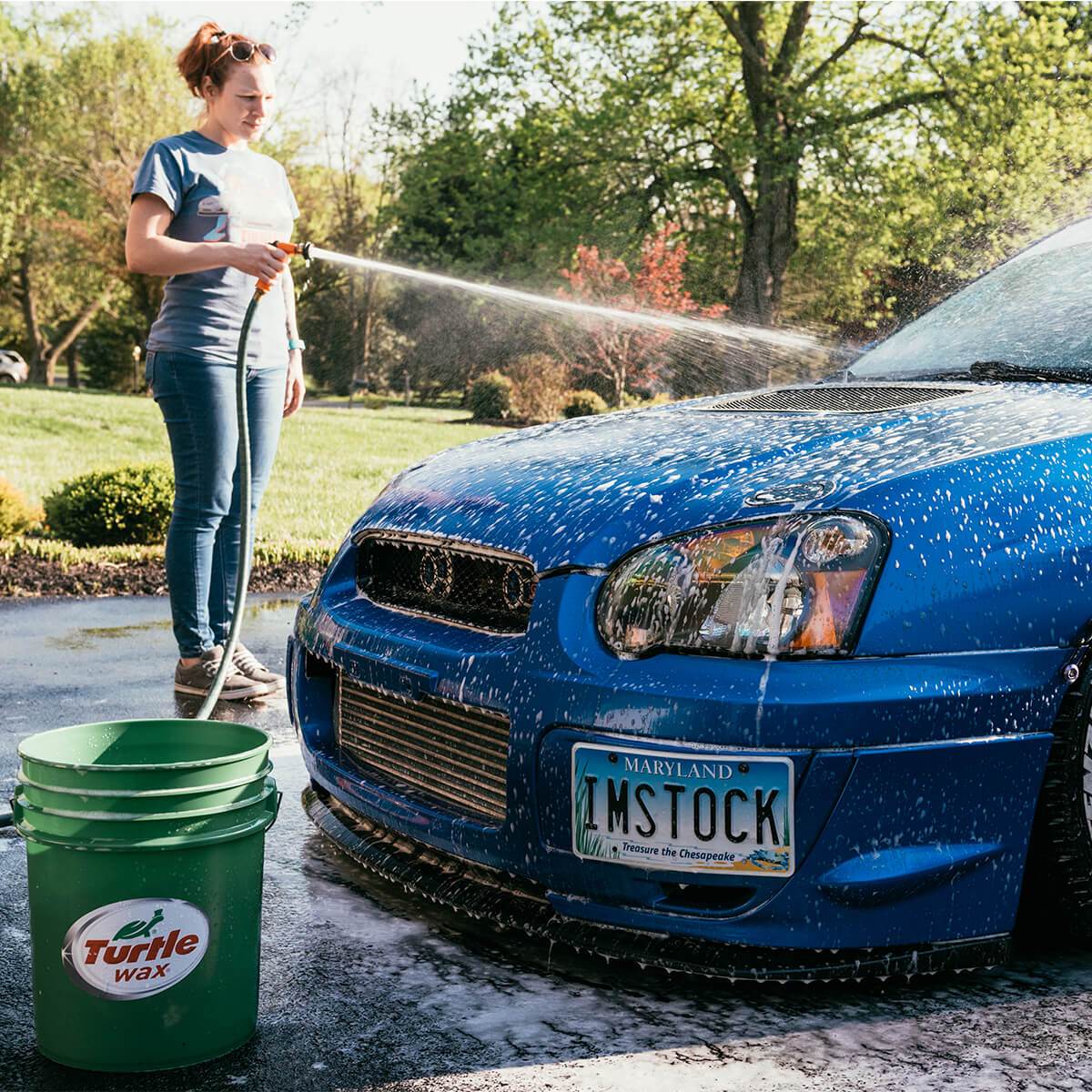
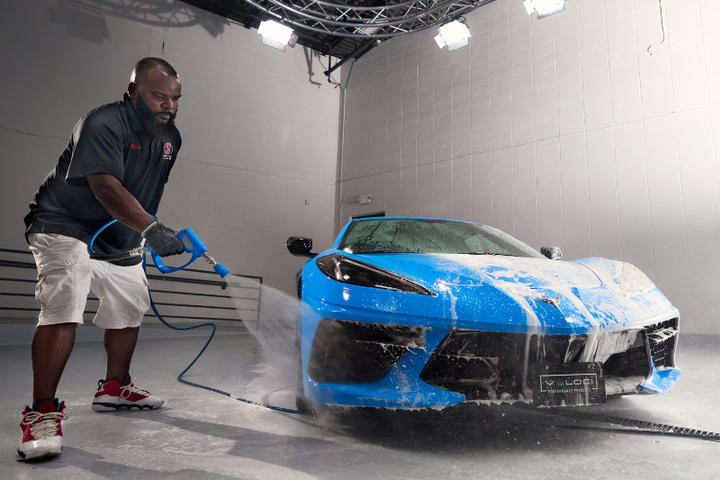
Start by rinsing the car with water at high pressure. This removes loose dirt and dust. Hold the nozzle about two feet away from the surface. Spray from top to bottom to avoid spreading dirt. Do not stay too long in one spot to prevent paint damage.
Applying Soap With Low Pressure
Switch to a low-pressure setting before adding soap. Use a car wash soap made for pressure washers. Apply soap evenly across the car. Keep the nozzle far enough to cover all areas. Let the soap sit for a few minutes to break down dirt.
Rinsing And Spot Cleaning
Rinse off the soap using high pressure again. Work from top to bottom for best results. For stubborn spots, use a soft brush or sponge. Avoid scrubbing hard to protect the paint. Rinse these areas gently to remove all soap and grime.
Drying Techniques To Avoid Water Spots
Dry the car quickly to stop water spots from forming. Use a soft microfiber towel or chamois cloth. Pat the surface instead of rubbing to avoid scratches. Dry smaller sections at a time for better control. This step keeps the paint smooth and clean.
Credit: www.turtlewax.com
Safety Tips To Prevent Damage
Using a pressure washer to clean a car can save time and deliver a sparkling finish. Safety is key to avoid damage to your vehicle. Follow these tips to protect your car’s paint, parts, and electrical systems.
Maintaining Safe Distance
Keep the pressure washer nozzle at least 12 inches from the car’s surface. Closer distances increase the risk of paint damage. Move the nozzle in smooth, steady motions to prevent concentrated pressure on one spot.
Avoiding High-pressure Damage Zones
Steer clear of delicate areas like side mirrors, windshield edges, and rubber seals. These parts can break or peel under strong water pressure. Use a lower pressure setting or a wider spray pattern on these zones.
Handling Electrical Components
Cover exposed electrical parts such as headlights and sensors with plastic wrap. Avoid spraying water directly on engine openings or battery terminals. Water can cause shorts or corrosion in these sensitive areas.
Post-wash Maintenance
After washing your car with a pressure washer, post-wash maintenance is important. It helps keep your car shiny and protects its surface. Taking time for this step ensures your car stays clean longer and looks great.
Inspecting For Missed Spots
Start by checking your car for any areas that the pressure washer missed. Look closely at corners, under mirrors, and around the wheels. Use a soft cloth or sponge to clean these spots gently. This simple check keeps dirt from building up later.
Waxing And Polishing Tips
Apply wax to protect your car’s paint after washing. Wax adds a layer that repels dirt and water. Use a clean cloth to spread wax evenly. Let it dry, then buff with a soft towel for shine. Polishing can remove small scratches and restore gloss. Do this once a month to keep your car bright.
Cleaning And Storing Your Pressure Washer
Clean your pressure washer after each use to keep it working well. Remove any dirt or debris from the nozzle and hose. Run clean water through the machine to clear leftover detergent. Store the washer in a dry place to avoid damage. Proper care makes your pressure washer last longer.
Common Mistakes To Avoid
Using a pressure washer to clean your car can be quick and effective. Avoid common mistakes that can damage your car or leave it dirty. Following simple rules protects your paint and finishes your job well.
Using Too Much Pressure
Pressure washers have powerful water jets. Using too much pressure can harm your car’s paint. It can cause scratches or even peel off paint layers. Use a low-pressure setting or a wide spray nozzle. Keep the nozzle at least 12 inches away from the car surface. Test the pressure on a small area first.
Skipping Protective Measures
Protect your car and yourself before washing. Remove loose dirt with a gentle rinse first. Wear eye protection to avoid water and dirt spray. Cover sensitive parts like air vents and electrical connections. Use soap made for cars to protect the paint and finish. Avoid harsh chemicals that can cause damage.
Neglecting Proper Drying
Water spots can ruin a clean car look. Dry your car after washing to avoid spots. Use a soft microfiber towel or a chamois cloth. Dry the car gently without rubbing hard. Do not let the car air dry in the sun. This prevents water marks and keeps the paint shiny.
Credit: www.mtmhydroparts.com
Frequently Asked Questions
How Do I Safely Use A Pressure Washer On My Car?
Always use a low-pressure setting and keep the nozzle at least 12 inches away. Avoid spraying directly at sensitive areas like windows and seals to prevent damage.
What Pressure Level Is Ideal For Washing Cars?
A pressure between 1200 to 1900 PSI is perfect. It cleans effectively without harming the paint or surface of the car.
Can I Use Detergent With A Pressure Washer On My Car?
Yes, use car-specific detergents designed for pressure washers. Apply soap with a foam cannon or detergent nozzle for best results.
How Do I Avoid Water Spots When Pressure Washing A Car?
Rinse thoroughly and dry the car immediately using a microfiber towel. Avoid washing under direct sunlight to minimize water spots.
Conclusion
Cleaning your car with a pressure washer saves time and effort. Always use the right pressure setting to avoid damage. Keep the nozzle at a safe distance from the surface. Use soap designed for cars to get a shiny finish.
Rinse thoroughly to remove all dirt and soap. Dry your car with a soft cloth to prevent water spots. Regular washing keeps your car looking fresh and protects its paint. Simple steps, great results. Give your car the care it deserves.


