

Are you tired of your foam cannon spraying thin, weak foam that just won’t stick? You’re not alone.
Many car enthusiasts struggle with getting that rich, thick foam that makes washing easier and more satisfying. Imagine your foam clinging perfectly to every curve, breaking down dirt effortlessly, and making your car look cleaner than ever before. You’ll discover simple, effective ways to make your foam cannon thicker and more powerful.
Keep reading, because these easy tips will transform your car wash routine and give you the results you’ve been dreaming of.

Credit: www.youtube.com
Choosing The Right Foam Cannon
Choosing the right foam cannon is key to making thicker foam. The foam cannon controls how much soap mixes with water. This mix affects foam density and coverage. A good foam cannon can create rich, thick foam for better cleaning and protection.
Types Of Foam Cannons
There are different types of foam cannons. Some attach to pressure washers, others to garden hoses. Pressure washer foam cannons create thicker foam due to higher water pressure. Hose foam cannons are easier to use but make lighter foam. Pick a type that fits your cleaning needs and equipment.
Nozzle Size Impact
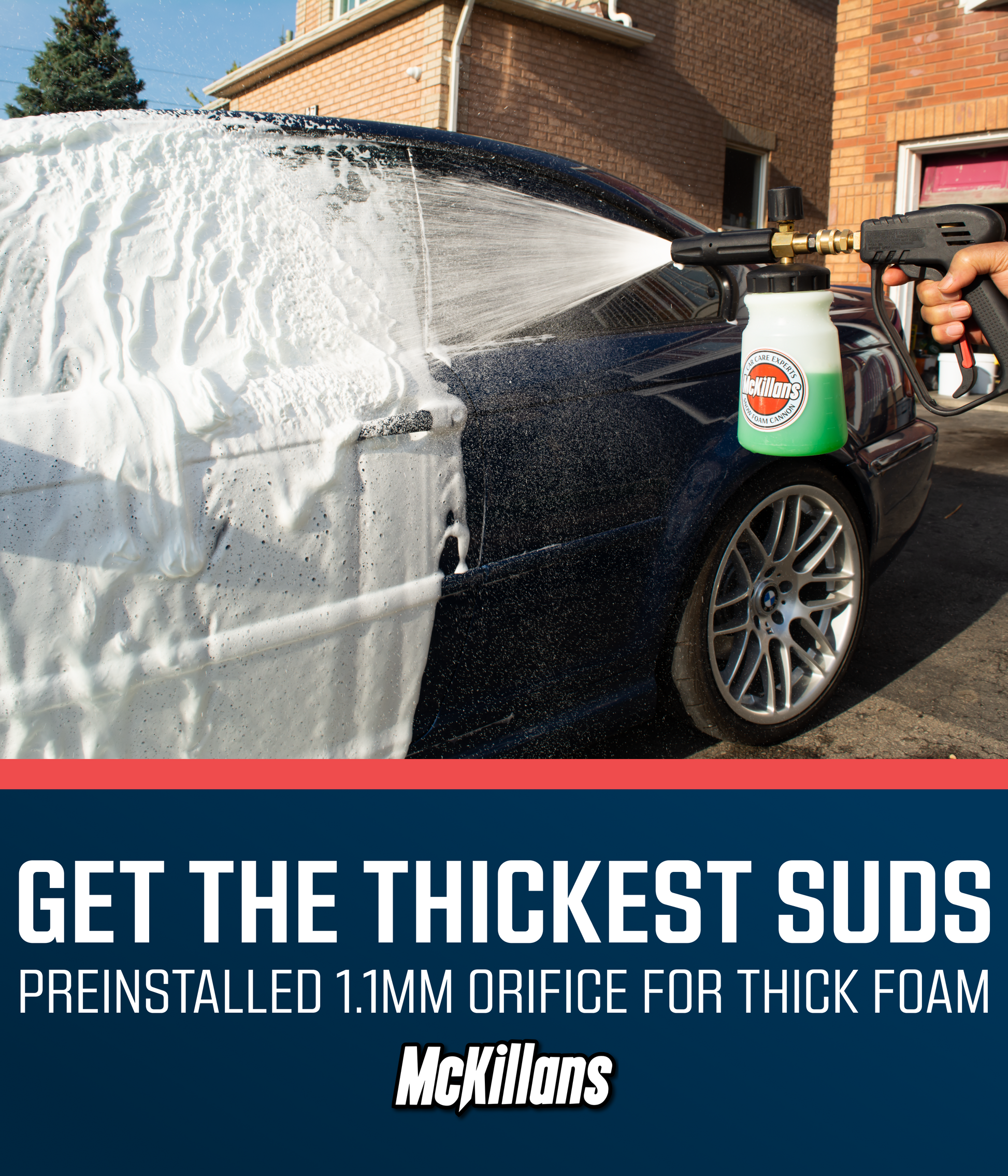
The nozzle size affects foam thickness. Smaller nozzles create more pressure and denser foam. Larger nozzles let more water flow, making thinner foam. Choose a nozzle size that balances foam thickness and coverage. Adjusting the nozzle can also change foam texture.
Material Quality Matters
The material of the foam cannon affects durability and performance. Plastic foam cannons are lightweight and affordable but less durable. Metal foam cannons last longer and handle higher pressure. A strong material ensures consistent foam output and longer use. Invest in quality for better results.
Credit: www.mckillans.com
Selecting The Best Soap Solution
Selecting the best soap solution is key for thick foam with a foam cannon. The right soap creates rich, lasting bubbles. It also protects your car’s paint and finish. Understanding soap types helps you make a better choice.
Concentrated Vs. Diluted Soap
Concentrated soap has more cleaning power and foam potential. It produces thicker suds with less product. Diluted soap is weaker and creates thinner foam. Using concentrated soap saves money and improves foam quality. Always follow the soap’s instructions for best results.
Soap Ingredients For Thick Foam
Look for soaps with strong surfactants. Surfactants reduce water surface tension to form bubbles. Ingredients like sodium lauryl sulfate boost foam thickness. Glycerin helps bubbles last longer and stay thick. Avoid soaps with too much fragrance or dye as they may reduce foam quality.
Avoiding Harsh Chemicals
Harsh chemicals can damage your car’s paint and clear coat. Avoid soaps with strong acids or alkalis. These break down foam quickly and harm surfaces. Choose pH-balanced soaps made for vehicles. Gentle formulas protect paint and keep foam thick.
Optimizing Soap-to-water Ratio
Optimizing the soap-to-water ratio is key to making foam cannon thicker. The right balance creates dense foam that sticks well to surfaces. Too little soap makes thin foam. Too much soap wastes product and can cause clogs. Finding the best mix helps save money and improves cleaning power.
Finding The Perfect Mix
Start with the soap maker’s recommended ratio. Usually, this means one part soap to ten parts water. Adjust slowly by adding more soap for thicker foam. Test small batches first to avoid waste. Watch the foam texture. Thick foam looks creamy and holds bubbles longer.
Effects Of Over-concentration
Using too much soap can harm foam quality. It makes foam heavy and watery. Over-concentration can block the foam cannon nozzle. It may also leave soap residue on surfaces. Avoid overloading your mix to keep foam stable and nozzle clean.
Adjusting For Water Hardness
Hard water affects foam thickness. Minerals in hard water reduce soap’s ability to create foam. Use a water softener or distilled water if foam is weak. Adjust the soap ratio by adding a bit more soap. This helps maintain thick, rich foam despite water quality.
Adjusting Pressure Washer Settings
Adjusting your pressure washer settings plays a key role in making foam cannon thicker. The pressure and flow control how much soap mixes with water. These settings affect foam quality and density. Fine-tuning these details helps produce rich, thick foam every time.
Ideal Psi For Foam Thickness
Pressure is measured in PSI (pounds per square inch). For thick foam, keep PSI between 1200 and 1600. Too high pressure thins the foam by diluting soap. Too low pressure may not spray foam well. Adjust PSI to find the best balance for your foam cannon.
Flow Rate Considerations
Flow rate means how much water flows per minute. A higher flow rate mixes more soap and water. This helps create thicker foam. Aim for a flow rate of about 1.5 to 2.5 gallons per minute. Match your foam cannon to your pressure washer’s flow rate for best results.
Nozzle Angle And Distance
Angle and distance from the surface affect foam thickness. Hold the nozzle at a 20 to 30 degree angle. Keep about 12 to 18 inches away from the surface. Too close can wash away foam. Too far makes foam thin and weak. Adjust these for thick, even foam coverage.
Improving Application Techniques
Improving application techniques can help make your foam cannon output thicker and more consistent. Small changes in how you spray can change foam density. Focus on controlling speed, layering foam, and the water temperature. These methods help get better foam without changing the soap mix.
Spraying Speed Tips
Spray slowly and steadily for thicker foam. Moving too fast breaks up bubbles and makes foam thin. Hold the spray nozzle close to the surface. Keep a steady hand. A slow spray lets foam build up better on the surface.
Layering Foam For Thickness
Spray multiple light layers instead of one heavy spray. Let each layer settle for a few seconds. This adds foam thickness without dripping. Layering creates a dense foam that sticks longer. Patience is key for thicker foam buildup.
Using Warm Water
Warm water helps soap mix better. It improves foam quality and thickness. Use water around 90°F (32°C). Avoid hot water that can break foam bubbles. Warm water makes foam denser and more stable during spraying.

Credit: www.amazon.com
Maintenance For Better Performance
Regular maintenance keeps your foam cannon working well. It helps produce thick, rich foam every time. Small problems can stop your foam cannon from performing at its best. Simple care steps can prevent those problems. This section explains key maintenance tips for better foam cannon performance.
Cleaning Foam Cannon Regularly
Cleaning removes dirt and soap build-up inside the cannon. Use warm water to rinse the foam cannon after each use. Soak parts in a mild soap solution for deeper cleaning. Rinse well to avoid clogging from leftover soap. Dry all parts before storing to prevent mold and damage.
Checking For Blockages
Blockages reduce foam thickness and spray power. Check the nozzle and hose for any clogs. Use a small brush or thin wire to clear blockages carefully. Inspect the foam cannon before every use to catch problems early. Clear blockages improve spray quality and foam thickness.
Replacing Worn Parts
Worn parts can cause leaks and poor foam output. Look for cracks, worn seals, or damaged nozzles regularly. Replace any damaged parts with original or compatible replacements. Keeping parts in good shape helps maintain thick foam and strong spray. Change parts as needed to avoid bigger problems later.
Troubleshooting Thin Foam Issues
Thin foam from a foam cannon can be frustrating. It makes washing less effective and wastes soap. Troubleshooting thin foam issues helps you get the best foam every time. Understanding the causes and fixes saves time and effort.
Common Causes
Low soap concentration often leads to thin foam. Using the wrong soap type also affects foam thickness. Water pressure that is too high or low can cause poor foam. A dirty or clogged foam cannon nozzle limits foam output.
Quick Fixes
Adjust the soap-to-water ratio for thicker foam. Use soap designed specifically for foam cannons. Clean the nozzle regularly to prevent clogs. Change water pressure settings to match your foam cannon’s needs.
When To Upgrade Equipment
Old foam cannons may not produce thick foam anymore. Upgrading to a better model improves foam quality. Choose a foam cannon with adjustable settings for better control. Investing in quality equipment saves time and soap in the long run.
Frequently Asked Questions
How Can I Make Foam Cannon Foam Thicker?
To make foam thicker, use less water and more soap concentrate. Adjust the foam cannon’s dilution ratio for denser foam. Using high-quality soap also improves foam thickness and cling.
What Soap Works Best For Thicker Foam Cannon Foam?
Use pH-neutral, high-foaming car wash soaps for thicker foam. Avoid harsh detergents that break down foam quickly. Concentrated formulas designed for foam cannons work best.
Does Water Pressure Affect Foam Cannon Thickness?
Yes, higher water pressure creates denser foam by better mixing soap and air. Low pressure results in thinner foam. Use a pressure washer of at least 1500 PSI for best results.
How Does Nozzle Size Impact Foam Thickness?
A smaller nozzle produces finer foam with better thickness. Larger nozzles mix less air, resulting in thinner foam. Adjust nozzle size to control foam density.
Conclusion
Thick foam makes cleaning easier and more fun. Adjust your foam cannon’s mix and pressure carefully. Use soap designed for foam cannons to get better results. Check your water quality and nozzle size too. Small changes create big differences in foam thickness.
Practice a few times to find what works best. Enjoy a cleaner car with less effort. Keep these tips in mind for thicker, richer foam every time. Simple steps lead to great results. Try these ideas and see the difference yourself.


