

Want your car to shine like new and protect its paint from the elements? Using Turtle Wax is one of the easiest and most effective ways to do just that.
If you’ve ever wondered how to get that perfect, glossy finish without spending hours or a fortune, you’re in the right place. You’ll discover simple, step-by-step tips to apply Turtle Wax like a pro. By the time you finish reading, your car will look stunning, and you’ll know exactly how to keep it that way.
Ready to make your car the envy of the road? Let’s dive in!
Choosing The Right Turtle Wax
Choosing the right Turtle Wax is key for a shiny, protected car. Different products suit different needs. Picking the correct wax keeps your paint safe and looking great. Learn about types, match wax to paint, and gather the right tools.
Types Of Turtle Wax Products
Turtle Wax offers many products. There are paste waxes, liquid waxes, and spray waxes. Paste waxes last longer but take more time. Liquid waxes are easier to apply and remove. Spray waxes are quick for light protection. Some have carnauba for a deep shine. Others focus on synthetic protection. Choose based on how much time you want to spend and the finish you prefer.
Matching Wax To Car Paint
Car paints come in different types. Clear coat paints need special care. Use wax made for clear coats to avoid damage. Older cars with single-stage paint need a different formula. Colored waxes can enhance your car’s color. Check your car’s paint type before buying wax. This helps avoid dulling or harming the finish.
Tools Needed For Application
Applying Turtle Wax needs simple tools. Use a soft foam applicator to spread wax evenly. Microfiber cloths help buff the wax to a shine. Avoid rough cloths that can scratch paint. A clean, dry surface is important before waxing. You might need a spray bottle for water if using liquid wax. Having the right tools makes waxing easier and better.

Credit: www.youtube.com
Preparing Your Car
Preparing your car properly is a key step before applying Turtle Wax. It ensures the wax sticks well and protects your paint. Taking time to clean and check your car helps get the best shine and long-lasting finish.
Washing And Drying
Start by washing your car with a mild soap and water. Use a soft sponge or cloth to avoid scratches. Remove all dirt, dust, and grime from the surface. Rinse thoroughly to clear soap residue. Dry the car completely with a clean microfiber towel. Wet spots can prevent the wax from sticking properly.
Removing Old Wax And Contaminants
Old wax layers and dirt can block new wax from bonding. Use a wax remover or a clay bar to clean the surface. This step removes stubborn contaminants and old polish. It creates a smooth, clean base for the Turtle Wax. Skipping this may cause uneven shine and poor protection.
Inspecting The Paint Surface
Check your car’s paint for scratches, chips, or damage. Small defects can affect the wax’s look and protection. Repair any major issues before waxing. Look under bright light to spot imperfections. A clean, smooth surface helps the wax stick better and shine brighter.
Applying Turtle Wax
Applying Turtle Wax properly helps protect your car’s paint and shine. It creates a smooth, glossy layer that guards against dirt and moisture. Follow simple steps to apply wax evenly and avoid streaks or blotches.
Using A Foam Applicator
Use a clean foam applicator for best results. Dab a small amount of Turtle Wax onto the applicator. Foam spreads wax smoothly and helps control the amount applied. Avoid using too much wax at once. Too much can cause uneven patches.
Applying In Small Sections
Work in small sections of your car’s surface. Apply wax to one area at a time, about two feet square. This helps you cover all parts evenly. Small sections dry faster, making it easier to buff later. Move to the next section only after finishing the current one.
Tips For Even Coverage
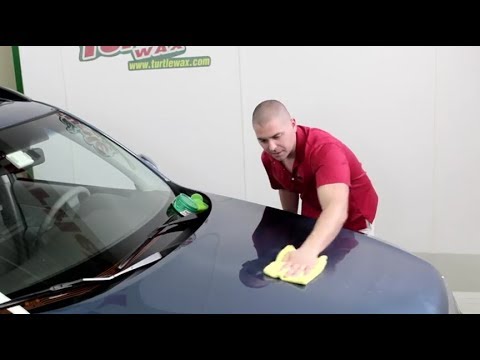
Use light, circular motions to spread the wax. Press gently but firmly with the applicator. Check the surface under good light to spot missed areas. Avoid leaving thick layers of wax. Thin, even coats give the best shine and protection.
Buffing And Polishing
Buffing and polishing are key steps when using Turtle Wax on your car. These steps help bring out the shine and protect the paint. Proper buffing removes excess wax and smooths the surface. Polishing enhances the shine and makes your car look like new. Taking time and care during this process gives the best results.
Waiting Time Before Buffing
After applying Turtle Wax, wait before you start buffing. Usually, 5 to 10 minutes is enough. The wax needs to dry to a haze on the surface. If you buff too soon, the wax will not set properly. Too long a wait makes it hard to remove. Watch for a cloudy, dull layer before you begin.
Choosing The Right Cloth
Use a soft, clean microfiber cloth for buffing. This type of cloth is gentle on your car’s paint. Avoid rough or dirty fabrics that can scratch the surface. A fresh cloth picks up wax residue better. Keep several cloths handy to switch when one gets dirty. This keeps your finish smooth and clear.
Techniques For Maximum Shine
Buff in small, circular motions for even coverage. Apply light to medium pressure to avoid scratching. Change direction often to cover all areas well. Focus on one section of the car at a time. Use a clean cloth to polish after buffing. This removes any leftover haze and boosts shine.
Maintaining The Wax Finish
Maintaining the wax finish on your car keeps it looking fresh and shiny. Proper care helps the wax last longer and protects your car’s paint. Simple steps can make a big difference in preserving that smooth, glossy surface.
Regular Washing Tips
Wash your car often to remove dirt and grime. Use a gentle car shampoo, not household detergents. Avoid harsh scrubbing that can wear down the wax layer. Rinse thoroughly with clean water to prevent residue. Dry the car with a soft microfiber cloth to avoid scratches.
Reapplying Wax Frequency
Wax wears off over time and needs reapplication. Every three to four months is a good schedule. Check the water beading on your car to know when to wax again. Less frequent washing may extend wax life but does not replace reapplication. Use a quality Turtle Wax product for best results.
Protecting Against Environmental Damage
Park in shaded or covered areas to shield the wax. Avoid direct sunlight for long periods, which can degrade the finish. Clean bird droppings, tree sap, and bugs quickly to prevent stains. Use a car cover if parking outside for several days. These steps keep the wax layer strong and effective.

Credit: www.turtlewax.com
Common Mistakes To Avoid
Using Turtle Wax on your car is simple but easy to make mistakes. Avoid these common errors to get the best shine and protection. These tips save time and effort.
Applying Wax On Hot Surfaces
Never apply Turtle Wax on a hot car surface. Heat makes the wax dry too fast. It becomes hard to spread and remove. This can leave streaks and spots on your paint. Work on a cool, shaded car surface for smooth results.
Using Too Much Product
More wax does not mean better shine. Using too much wax wastes product and makes removal harder. Apply a thin, even layer instead. This helps the wax bond well with the paint. It also avoids a sticky or cloudy finish.
Ignoring Manufacturer Instructions
Each Turtle Wax product has specific instructions. Skip them and you risk poor results or damage. Read labels before starting. Follow steps for application and drying times carefully. This ensures the wax works as it should.
Credit: www.youtube.com
Frequently Asked Questions
How Do I Apply Turtle Wax On My Car?
First, wash and dry your car thoroughly. Apply a small amount of Turtle Wax on a foam applicator. Rub it in circular motions onto the car’s surface. Let it haze, then buff with a clean microfiber cloth for a shiny finish.
How Often Should I Use Turtle Wax On My Car?
Use Turtle Wax every 2 to 3 months for best results. Regular waxing protects your car’s paint from dirt and UV damage. Over-waxing may cause buildup, so avoid applying it too frequently.
Can Turtle Wax Remove Minor Scratches?
Yes, Turtle Wax can reduce the appearance of minor scratches. Its mild abrasives smooth out surface imperfections. For deep scratches, professional repair may be necessary.
Is Turtle Wax Safe For All Car Paints?
Turtle Wax is generally safe for all factory paint finishes. Always test on a small, hidden area first. Avoid using on matte or satin finishes as it may alter their appearance.
Conclusion
Using Turtle Wax regularly keeps your car shiny and protected. Apply it gently with a soft cloth for best results. Remember to work in small sections to avoid streaks or spots. Let the wax dry before buffing to a smooth finish.
This simple step helps your car look clean and new longer. Taking care of your car’s paint can save money on repairs. Enjoy the fresh, glossy look every time you drive. Keep your car looking great with easy Turtle Wax care.


