Have you ever wondered why your car’s paint looks so shiny after a good waxing? Waxing isn’t just about making your car look nice—it actually protects your vehicle and keeps it looking new longer.
But how does waxing a car work, exactly? If you want to learn the simple steps and the science behind that smooth, glossy finish, you’re in the right place. Keep reading, and you’ll discover everything you need to know to make your car shine like never before.
Benefits Of Car Waxing
Waxing a car does more than just make it look good. It keeps the car’s surface safe and clean. Regular waxing helps maintain the car’s value and extends the paint life. This simple step can save money on repairs later.
Enhancing Shine
Wax adds a smooth layer on the car’s paint. This layer reflects light better, making the car shine bright. A shiny car looks newer and well cared for. It also feels smooth to touch, giving a fresh look.
Protecting Paint
Wax forms a shield over the paint. It blocks harmful elements like sun rays and pollution. This shield stops paint from fading or cracking. It also protects against small scratches and bird droppings.
Repelling Dirt And Water
The wax surface pushes away dirt and water. Water beads up and rolls off easily. Dirt does not stick as much, so washing is easier. This helps keep the car cleaner for longer.
Types Of Car Wax
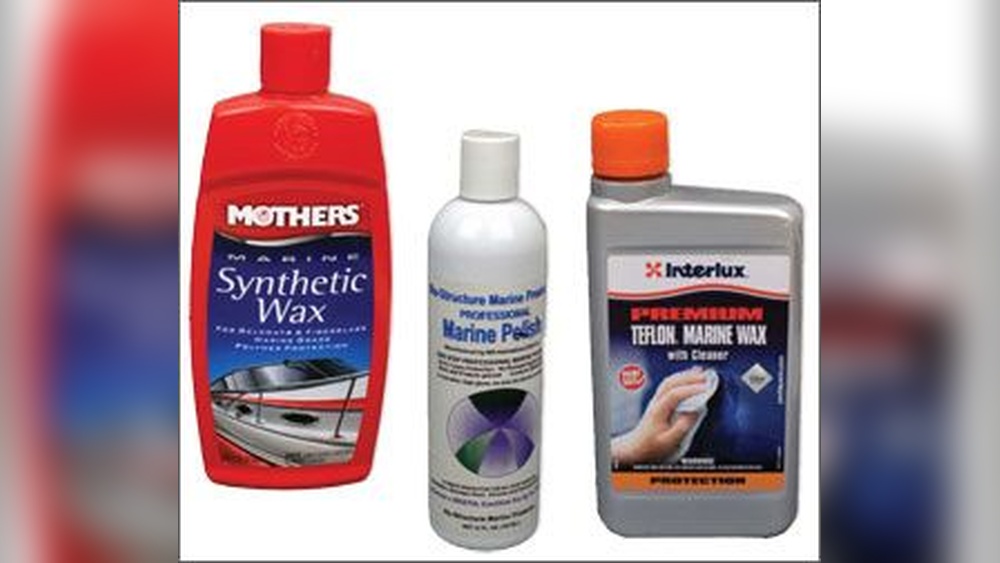
Car wax helps protect your car’s paint and makes it shine. Different types of wax suit different needs. Choosing the right wax can keep your car looking new for longer. Below are the main types of car wax and their features.
Natural Wax Options
Natural waxes mostly use carnauba, a plant-based wax. It gives a deep, warm shine to your car. This wax is safe for all paint types. It lasts a few weeks and is easy to apply by hand. Natural wax feels smooth and smells pleasant. It is a popular choice for those who want a natural product.
Synthetic Wax Varieties
Synthetic waxes are made from polymers and chemicals. They create a strong, protective layer on the paint. This wax lasts longer than natural wax, up to several months. It resists water and dirt better. Synthetic wax can be applied by hand or machine. It usually costs less and works well for frequent use.
Hybrid Formulas
Hybrid waxes combine natural and synthetic ingredients. They offer the shine of natural wax with the durability of synthetic. This type balances protection and appearance. Hybrid waxes are easy to apply and remove. They suit many car owners who want the best of both worlds.
Preparing Your Car
Preparing your car before waxing is very important. It helps the wax stick better and last longer. A clean, dry surface allows the wax to protect your car’s paint properly. Taking time to prepare your car makes waxing easier and more effective.
Cleaning And Drying
Start by washing your car with soap and water. Use a soft cloth or sponge to avoid scratches. Rinse thoroughly to remove all soap. Dry the car completely with a clean towel. Drying prevents water spots under the wax.
Removing Contaminants
Check for dirt that washing missed, like tree sap or bug residue. Use a clay bar or special cleaner to remove these. Contaminants can stop the wax from bonding well. Clean surfaces help the wax shine and protect better.
Choosing The Right Environment
Wax your car in a shaded, dry spot. Avoid direct sunlight and windy areas. Heat can cause wax to dry too fast. Wind can blow dust onto the car. The right environment helps the wax apply smoothly and evenly.
Credit: ethoscarcare.com
Wax Application Techniques
Wax application is a key step in car care. It protects the paint and gives a shiny look. Using the right technique makes waxing easier and more effective. Here are some common ways to apply car wax.
Using Applicator Pads
Applicator pads are soft and help spread wax evenly. Use a foam or microfiber pad for best results. Dab a small amount of wax on the pad. Apply in small circles, covering one section at a time. This method helps avoid streaks and uneven layers. Replace pads if they get dirty to keep the surface clean.
Applying By Hand Vs Machine
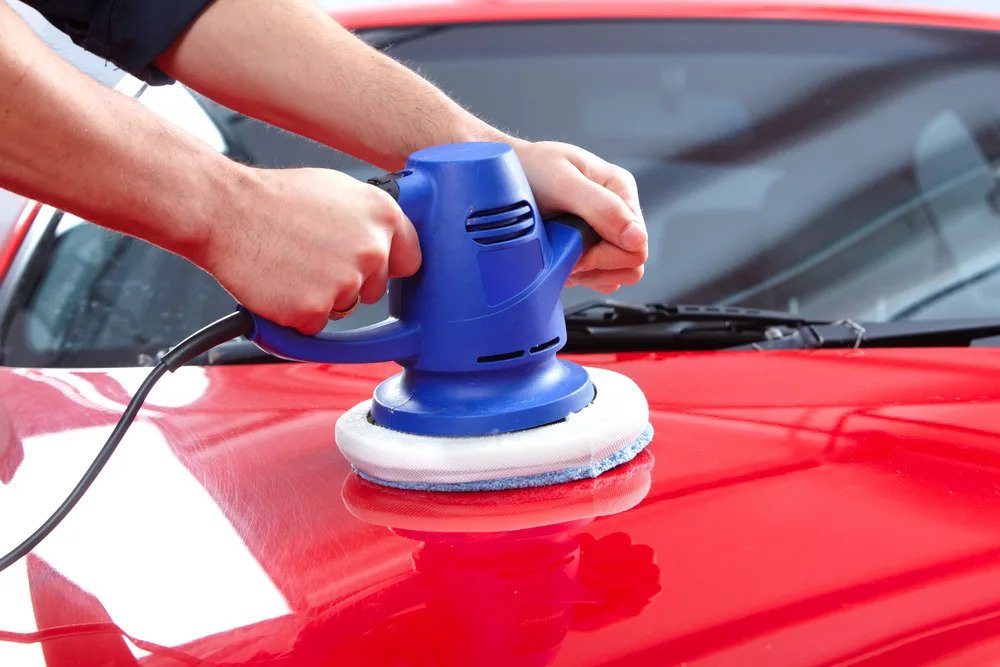
Hand application gives you control and precision. It works well for small areas or delicate spots. Use light pressure and smooth motions. Machine application uses a buffer or polisher. It saves time on large surfaces and gives a smooth finish. Keep the machine moving to avoid heat buildup. Both methods need care for best results.
Layering For Maximum Effect
Applying wax in layers builds better protection. Start with a thin, even coat and let it dry. Then add a second layer for deeper shine and durability. Wait between layers to avoid smudging. Layering also helps fill tiny scratches on the paint. Two or three layers are enough for most cars.
Curing And Buffing
Curing and buffing are key steps in waxing a car. They help the wax bond to the paint and bring out a shiny finish. Proper curing lets the wax harden enough for the next step. Buffing then removes excess wax and polishes the surface. Both steps protect the paint and improve the car’s look.
Waiting Time For Wax To Set
After applying wax, it needs time to set or cure. This usually takes 5 to 15 minutes. The wax changes from wet to hazy as it dries. Avoid touching the wax during this time. Check the product instructions for exact timing. Proper curing helps the wax stick well.
Buffing Tools And Methods
Buffing removes extra wax and smooths the surface. Use a soft microfiber cloth or buffing pad. Circular motions work best for even coverage. Apply gentle pressure to avoid scratching. Some people use electric polishers for faster results. Clean tools prevent dirt from damaging the paint.
Achieving A Mirror Finish
Buffing reveals the final shine and smoothness. Continue until the surface feels smooth and looks glossy. The wax layers fill tiny paint imperfections. This creates a mirror-like reflection. Regular buffing keeps the finish bright and protects the paint longer.

Credit: www.turtlewax.com
Maintenance After Waxing
After waxing your car, proper care keeps the shine and protection strong. Maintenance is key to extend the wax’s life and keep your car looking great. Simple steps can help preserve the wax and protect the paint.
Washing Tips To Preserve Wax
Use gentle car shampoo to wash your car. Avoid harsh detergents or dish soap that strip wax away. Wash with a soft sponge or microfiber cloth. Rinse the car well to remove all dirt and soap. Dry with a clean, soft towel to prevent water spots. Wash your car in the shade to avoid quick drying and streaks.
Frequency Of Waxing
Waxing every three to four months is ideal for most cars. This keeps the protective layer fresh and effective. Some waxes last longer, but regular checks help decide the right time. Over-waxing can build up and dull the finish. Less frequent waxing may reduce protection and shine.
Spot Treatments For Damage
Small scratches or bird droppings can harm wax quickly. Clean these spots gently with a quick detailer spray. Avoid rubbing hard, which can remove wax. Apply a small amount of wax to damaged areas. This restores protection and blends the finish. Spot treatments keep your car looking smooth between full waxing.
Common Mistakes To Avoid
Waxing a car is simple, but many people make mistakes. These errors reduce the shine and protection you want. Avoiding common mistakes helps your car look its best and lasts longer.
Applying Wax On Dirty Surfaces
Never wax a dirty car. Dirt and dust trap under the wax. This causes scratches and dulls the paint. Always wash and dry your car first. Clean surfaces help wax stick well and shine bright.
Using Too Much Wax
Less is more with car wax. Using too much wax creates thick layers. These layers take longer to dry and remove. Thick wax can leave streaks and spots. Apply a thin, even coat for best results.
Waxing In Direct Sunlight
Do not wax your car under the sun. Heat makes the wax dry too fast. This causes uneven coverage and hard removal. Work in a shaded area or indoors. Cool surfaces help wax spread smoothly and stay shiny.
Credit: www.torquedetail.com
Frequently Asked Questions
What Is The Main Purpose Of Waxing A Car?
Waxing a car protects its paint from dirt, UV rays, and moisture. It creates a shiny, smooth surface that repels water and contaminants. Wax also enhances the car’s color and finish, keeping it looking new longer.
How Often Should You Wax Your Car?
It’s best to wax your car every 3 to 4 months. This frequency maintains paint protection and shine. However, frequency depends on climate, car usage, and wax type used.
Can Waxing Prevent Paint Scratches And Damage?
Waxing adds a protective layer that reduces minor scratches and swirl marks. It helps shield paint from environmental damage but doesn’t replace proper washing or physical care.
Is Car Waxing Suitable For All Paint Types?
Yes, waxing is safe for most paint types, including metallic and clear coats. Choose wax formulas designed for your specific paint for the best results.
Conclusion
Waxing a car protects its paint and keeps it shiny. It forms a thin layer that guards against dirt and water. Regular waxing helps your car look newer longer. It also makes cleaning easier by repelling dust. Applying wax takes only a little time but offers good benefits.
Try waxing every few months to keep your car fresh. Simple steps can make a big difference in car care. Waxing helps your vehicle stay beautiful and last longer.