

Wrapping vinyl around corners can feel tricky, but it doesn’t have to be. If you want your project to look smooth and professional, knowing the right techniques is key.
You might be wondering how to avoid wrinkles, bubbles, or uneven edges on those tricky curves. This guide will walk you through simple steps that make vinyl wrapping corners easier than you think. By the end, you’ll have the confidence to tackle any corner and get flawless results every time.
Ready to transform your vinyl wrapping skills? Let’s dive in!

Credit: www.reddit.com
Choosing The Right Vinyl
Choosing the right vinyl is key to a smooth corner wrap. Not all vinyl films behave the same on edges and curves. Picking the correct type ensures a clean, lasting finish. It also makes the wrapping process easier and faster.
Understanding the different vinyl types helps you decide what fits your project best. Each has unique features that affect flexibility and adhesion on corners. Quality tools also play a role in handling vinyl properly.
Types Of Vinyl Films
Cast vinyl is thin and flexible. It stretches well over curves without shrinking back. This makes it ideal for corners and complex shapes.
Calendered vinyl is thicker and less flexible. It suits flat surfaces better but can work on simple curves. It is usually cheaper but not best for sharp corners.
Matte, gloss, and satin finishes offer different looks. Choose based on your style preference. The finish does not affect how the vinyl wraps corners much.
Selecting Vinyl For Corners
Choose cast vinyl for corners needing good stretch. It adapts to shapes without bubbles or wrinkles. Check the vinyl’s thickness and adhesive quality.
Look for vinyl with air-release channels. This feature helps remove trapped air easily. It prevents bubbles and makes application smoother.
Pick a vinyl brand known for durability. Corners face more wear, so durability matters. A strong adhesive keeps the wrap secure longer.
Tools And Materials Needed
Use a heat gun to soften the vinyl for corner wrapping. Heat helps the vinyl stretch and stick better.
A squeegee is essential for pushing out air bubbles. It ensures the vinyl sticks firmly to the surface.
Sharp knives or blades help trim excess vinyl cleanly. Precise cuts prevent peeling at edges later on.
Gloves protect your hands and keep the vinyl clean. Clean surfaces and alcohol wipes improve adhesion.
Credit: graphics-pro.com
Preparing The Surface
Preparing the surface is the first step in a successful vinyl wrap project. A clean, smooth surface helps the vinyl stick better and last longer. Taking time to prepare the corners properly prevents bubbles and peeling later. This section covers cleaning, smoothing, and removing old wraps or debris.
Cleaning And Smoothing
Start by washing the area with soap and water. Dirt and oils can stop the vinyl from sticking well. Use a soft cloth to wipe the corners gently. After washing, dry the surface completely to avoid moisture under the wrap.
Next, smooth the surface using fine sandpaper if it has rough spots. Sand lightly to avoid damage. A smooth surface lets the vinyl lay flat and look neat. Wipe the area again to remove any dust from sanding.
Removing Old Wraps And Debris
Old vinyl wraps must come off before applying a new one. Use heat from a hairdryer to soften the old wrap. Peel it slowly to avoid tearing or leaving sticky residue. If sticky glue remains, use a gentle adhesive remover.
Check corners and edges for any leftover debris. Even small bits can cause bumps or bubbles under the new vinyl. Clean these areas carefully until they are clear and smooth. This step makes the new wrap look perfect and last longer.
Measuring And Cutting
Measuring and cutting vinyl wrap corners is a critical step. It ensures the wrap fits perfectly without bubbles or wrinkles. Taking careful measurements and cutting accurately helps the wrap lay smoothly on curves and edges. This step saves time and material, making the project easier and cleaner.
Accurate Measurements
Use a soft measuring tape for better flexibility. Measure the corner and the surrounding area carefully. Add a few extra inches to your measurements for adjustments. Mark the vinyl lightly with a pencil or chalk. Double-check your measurements before cutting. Precise measurements prevent wasted material and poor fit.
Cutting Techniques For Corners
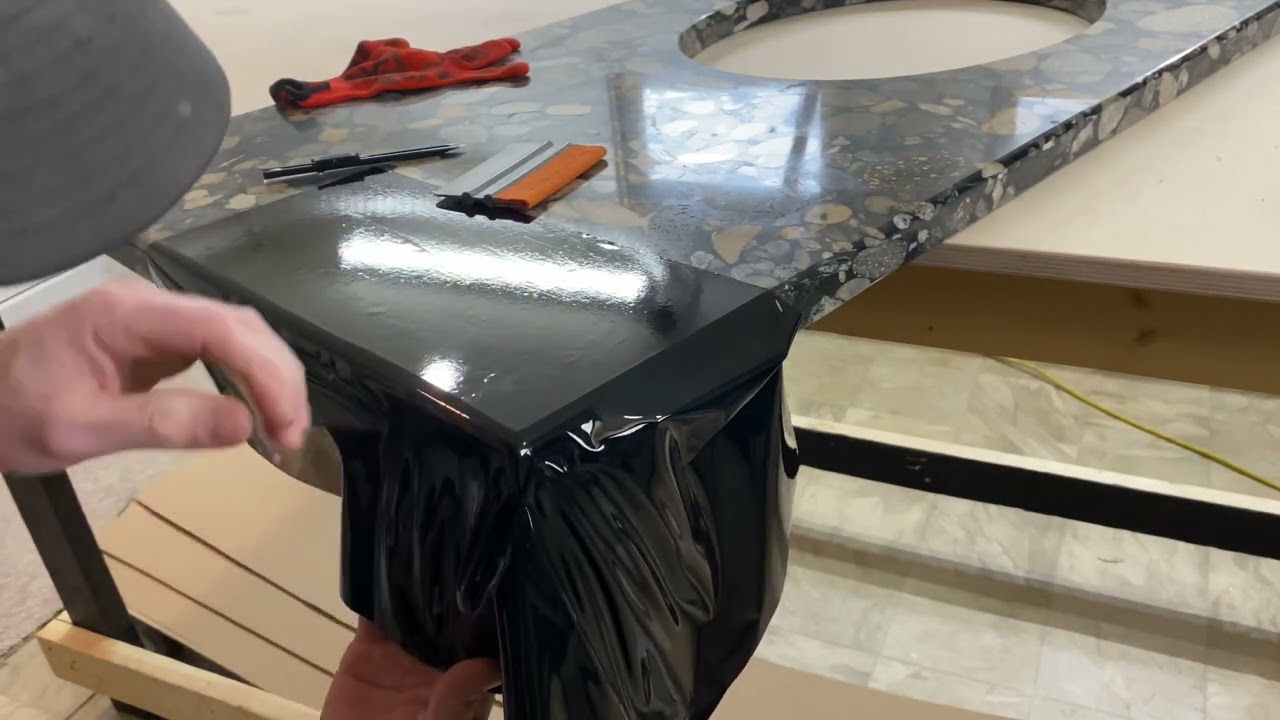
Use a sharp utility knife or vinyl cutter for clean cuts. Cut slowly along the marked lines to avoid mistakes. For inside corners, make small relief cuts to help the vinyl bend. For outside corners, cut a small slit to allow folding. Avoid cutting too deep to protect the surface underneath. Proper cutting helps the vinyl wrap stick evenly and look smooth.
Credit: www.youtube.com
Applying Vinyl On Corners
Applying vinyl on corners needs care and patience. Corners are tricky because the vinyl must bend without damage. The vinyl must fit tightly to avoid gaps and loose edges. Proper techniques make vinyl wrap look smooth and professional on corners. This section explains how to handle corners with vinyl.
Heating And Stretching Vinyl
Heat softens the vinyl and makes it easier to stretch. Use a heat gun or hair dryer on low heat. Warm the vinyl evenly over the corner area. Stretch the vinyl slowly and gently as it heats. Avoid overheating, which can cause damage or shrinkage.
Stretching Around Different Corner Types
There are two common corners: inside and outside corners. Inside corners need careful folding to avoid thick layers. Use your fingers to crease the vinyl along the edge softly. Outside corners require more stretching to wrap smoothly. Pull the vinyl gently and use heat to keep it flexible.
Avoiding Wrinkles And Bubbles
Start applying vinyl from the center of the corner. Use a squeegee or soft cloth to push out air bubbles. Work from the center outward to the edges. Heat problem areas slightly to relax the vinyl. Smooth wrinkles by stretching and heating, not by pulling hard.
Trimming And Finishing
Trimming and finishing are key steps in vinyl wrapping corners. They help achieve a neat look and ensure the wrap lasts longer. Proper trimming removes extra vinyl without damaging the surface. Finishing seals the edges to stop peeling and wear. These steps make your wrap look clean and professional.
Clean Edge Trimming
Use a sharp blade to cut excess vinyl carefully. Cut close to the edge but avoid cutting into the surface. Small, precise cuts prevent wrinkles and bubbles. Always trim slowly to keep control. Keep the blade fresh for smooth cuts. Clean edges give your wrap a sharp, tidy appearance.
Sealing Edges For Durability
Seal edges with heat or edge sealer to protect the wrap. Heat softens the vinyl and helps it stick better. Edge sealer adds a protective layer against water and dirt. Sealing stops the edges from lifting or peeling over time. Well-sealed edges keep your wrap strong and lasting.
Troubleshooting Common Issues
Vinyl wrapping corners can be tricky. Small mistakes often happen during the process. These common issues can affect the final look. Fixing them quickly keeps your wrap smooth and neat. Below are easy ways to solve these problems.
Fixing Air Bubbles
Air bubbles appear when air gets trapped under the vinyl. Use a pin to poke a tiny hole in each bubble. Gently press the air out with a squeegee or your fingers. Work slowly to avoid tearing the vinyl. For large bubbles, lift the vinyl slightly and smooth it again.
Repairing Wrinkles
Wrinkles form when the vinyl folds or stretches too much. Heat the area with a heat gun or hairdryer to soften the vinyl. Smooth out wrinkles using a squeegee, starting from the center outward. Avoid pressing too hard to prevent damage. If wrinkles stay, lift the vinyl and reapply carefully.
Handling Stretch Marks
Stretch marks are thin lines caused by over-stretching the vinyl. Use low heat to relax the vinyl fibers. Gently smooth the marks with a squeegee. Do not stretch the vinyl further as it may tear. If stretch marks are deep, consider replacing that vinyl piece for best results.
Frequently Asked Questions
How Do You Prepare Corners For Vinyl Wrapping?
Clean the surface thoroughly to remove dirt and oils. Use isopropyl alcohol for best results. Ensure the area is dry before applying vinyl.
What Tools Are Needed To Wrap Vinyl Around Corners?
You need a heat gun, squeegee, sharp knife, and gloves. These tools help stretch, smooth, and trim the vinyl precisely around corners.
How To Avoid Air Bubbles On Vinyl-wrapped Corners?
Apply vinyl slowly and use a squeegee to push out air. Heat the vinyl gently to increase flexibility and prevent bubbles.
Can Vinyl Wrap Be Removed From Corners Easily?
Yes, vinyl wrap can be removed using heat and careful peeling. Heating softens the adhesive, making removal clean without damaging the surface.
Conclusion
Vinyl wrapping corners takes patience and care. Use heat and stretch the vinyl gently. Smooth out bubbles and wrinkles as you go. Take your time to get clean edges. Practice on small areas to build skill. The results will look neat and professional.
Your project will stand out with sharp corners. Keep these tips in mind for best results. Enjoy the process and the fresh new look!


