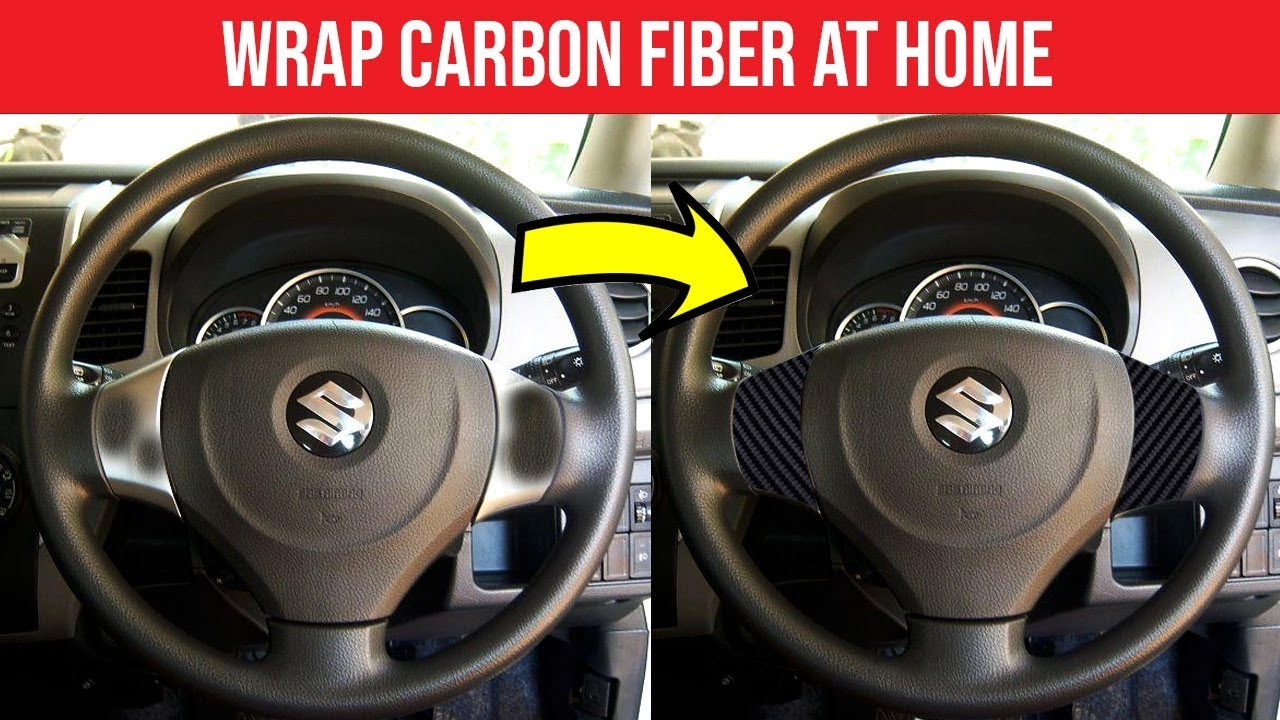
If you want to give your car’s interior a fresh, stylish look without spending a fortune, vinyl wrapping your steering wheel is a smart choice. Imagine gripping a wheel that looks brand new, feels comfortable, and matches your personal style perfectly.
You might think this is complicated or expensive, but it’s easier than you expect—and you can do it yourself. In this guide, you’ll discover simple steps to transform your steering wheel with vinyl wrap, saving money and making your driving experience more enjoyable.
Ready to upgrade your ride? Let’s get started!
Tools And Materials Needed
Wrapping a steering wheel with vinyl needs the right tools and materials. These help you get a smooth, clean finish. Proper preparation makes the job easier and the results better.
Choosing The Right Vinyl Wrap
Select vinyl made for automotive use. It should be soft and flexible. Look for a wrap that resists heat and wear. Matte or glossy finishes both work well. Pick a color that matches your car’s interior.
Essential Tools For Wrapping
You need a few basic tools. Start with a heat gun to stretch the vinyl. Use a squeegee to remove air bubbles. Have a sharp utility knife for trimming edges. Use microfiber cloths to clean the wheel before wrapping. Also, use masking tape to hold vinyl in place.
Preparing Your Workspace
Find a clean, well-lit area. Dust and dirt ruin the vinyl finish. Lay down a soft cloth or mat to protect the wheel. Keep all tools within reach. Good lighting helps you see small details clearly. A calm space helps you work carefully and neatly.

Credit: www.youtube.com
Preparing The Steering Wheel
Preparing the steering wheel is the first important step before applying a vinyl wrap. This stage ensures the wrap will stick well and look smooth. It also helps the wrap last longer without peeling or bubbling. Careful preparation avoids problems later.
Cleaning And Removing Dirt
Clean the steering wheel thoroughly. Use a mild soap and water solution. A soft cloth works best to remove dirt and oils. Avoid harsh chemicals that can damage the surface. Let the wheel dry completely before moving on.
Removing Steering Wheel Covers
Take off any covers or accessories on the wheel. These can block the vinyl from sticking properly. Remove them gently to avoid damage. Make sure the wheel surface is fully exposed and ready for wrapping.
Sanding For Better Adhesion
Lightly sand the steering wheel surface with fine-grit sandpaper. This creates a rough texture for the vinyl to grip. Be gentle to avoid scratching too deep. After sanding, wipe away dust with a clean cloth. This step improves the vinyl’s hold on the wheel.
Cutting And Measuring Vinyl
Cutting and measuring vinyl is a key step in wrapping a steering wheel. Precise measurements and careful cutting make the wrap look neat and last longer. Taking time in this stage prevents mistakes that can waste material or ruin the finish.
Taking Accurate Measurements
Start by measuring the steering wheel’s diameter and width. Use a flexible tape measure for curves. Measure the wheel’s circumference to know the total length of vinyl needed. Note down all measurements clearly on paper. Double-check each number to avoid errors. Accurate measurements ensure the vinyl fits perfectly.
Cutting Vinyl To Size
Lay the vinyl flat on a clean surface. Use a ruler and a sharp utility knife or scissors. Cut the vinyl slightly larger than the measurements. Straight, clean cuts help the vinyl wrap smoothly. Avoid jagged edges that can cause peeling or bubbles later. Take your time to get smooth, even cuts.
Allowing For Overlaps And Seams
Leave extra vinyl for overlaps and seams. Add about 1 to 2 inches to your measurements. Overlaps help secure the vinyl firmly around the wheel. Plan seam placement where the wheel is less visible. Proper overlap prevents gaps and ensures a tight wrap. This step improves durability and finish quality.
Credit: www.youtube.com
Applying The Vinyl Wrap
Applying the vinyl wrap to your steering wheel is a careful process. It needs patience and steady hands. The goal is to get the wrap smooth without bubbles or wrinkles. This part of the project sets the foundation for a neat finish.
Positioning The Vinyl
Start by placing the vinyl carefully on the steering wheel. Align the edges evenly. Make sure the wrap covers the entire wheel surface. Avoid stretching the vinyl at this stage. Hold the wrap in place with light pressure.
Stretching And Smoothing Techniques
Gently stretch the vinyl to fit the curves of the wheel. Use your fingers or a soft tool to smooth it out. Work from the center outwards to push air bubbles away. Take your time to prevent tears or creases. Small, steady movements work best.
Handling Curves And Edges
Steering wheels have many curves and edges. Warm the vinyl slightly with a heat gun or hairdryer. This makes the wrap more flexible. Press the wrap firmly into corners and around edges. Trim any excess vinyl carefully with a sharp blade. This step ensures a clean, professional look.
Finishing Touches
Finishing touches make your vinyl wrap look neat and last longer. This stage ensures the wrap fits perfectly and stays smooth on your steering wheel. Take your time to get these final steps right.
Trimming Excess Vinyl
Use a sharp blade to carefully cut away extra vinyl. Trim close to the edges but avoid cutting into the steering wheel. Clean cuts help the wrap look professional and tidy. Work slowly and check your progress often.
Heating And Setting The Wrap
Warm the vinyl with a heat gun or hairdryer to make it flexible. Gently press the wrap onto the steering wheel while heating. This step helps the vinyl stick better and follow the wheel’s shape. Avoid overheating to prevent damage.
Checking For Bubbles And Wrinkles
Look closely for air bubbles or wrinkles on the wrap’s surface. Use a soft cloth or squeegee to push bubbles toward the edges. Small wrinkles can be smoothed out with gentle heat and pressure. A smooth finish means a cleaner, longer-lasting wrap.
Maintenance Tips
Maintaining your vinyl wrapped steering wheel keeps it looking new and lasting longer. Proper care prevents damage and wear from daily use. Follow simple steps to clean and protect the wrap. Watch for signs that show when to rewrap or replace the steering wheel.
Cleaning Wrapped Steering Wheels
Use a soft cloth to clean the vinyl wrap. Avoid rough materials that can scratch the surface. Mild soap and water work well for removing dirt. Do not use harsh chemicals or alcohol-based cleaners. Dry the steering wheel gently with a microfiber towel. Regular cleaning prevents buildup and keeps the wrap smooth.
Avoiding Damage And Wear
Keep sharp objects away from the steering wheel. Avoid exposing the wrap to direct sunlight for long hours. Heat can cause the vinyl to peel or fade. Use gloves when possible to reduce sweat and oils. Do not use abrasive tools or brushes on the wrap. Careful handling extends the life of the vinyl.
When To Rewrap Or Replace
Look for cracks, peeling, or fading on the vinyl wrap. These signs mean the wrap is wearing out. If damage affects grip or comfort, consider rewrapping. Replace the steering wheel if the wrap cannot be fixed. Timely action keeps your steering wheel safe and stylish.

Credit: www.reddit.com
Frequently Asked Questions
How Do I Prepare My Steering Wheel For Vinyl Wrap?
Clean the wheel thoroughly using rubbing alcohol to remove grease. Remove any dust or debris. Ensure the surface is dry before applying vinyl for better adhesion and a smooth finish.
What Type Of Vinyl Is Best For Steering Wheels?
Choose a high-quality, flexible vinyl wrap designed for automotive use. It should be thin yet durable, with a textured finish for grip. Look for heat-resistant and stretchable vinyl for best results.
Can I Vinyl Wrap A Steering Wheel Myself?
Yes, with patience and proper tools, you can DIY. Follow step-by-step instructions carefully. Use heat to stretch the vinyl and avoid air bubbles for a professional look.
How Long Does A Vinyl Wrap On A Steering Wheel Last?
A well-applied vinyl wrap lasts 3 to 5 years. Longevity depends on usage, cleaning methods, and environmental exposure. Regular maintenance extends its lifespan significantly.
Conclusion
Vinyl wrapping a steering wheel adds style and protection. The process takes patience and care but is doable. Clean the wheel well, measure the vinyl, and wrap it tight. Avoid bubbles and wrinkles for a smooth finish. Your steering wheel will look fresh and new.
Practice helps improve your wrapping skills. Small details make a big difference. Enjoy driving with a personalized touch inside your car. Keep tools ready for future touch-ups or changes. Vinyl wrap lets you change style without damage. A simple upgrade anyone can try at home.