
If you own a 4240 John Deere tractor, keeping it running smoothly is probably one of your top priorities. One simple but crucial task you can do yourself is changing the fuel filter.
Doing this right can save you from costly repairs and keep your engine performing at its best. Wondering how to change the fuel filter on your 4240 John Deere without hassle? This guide will walk you through every step, making the process clear and easy.
Stick with me, and you’ll gain the confidence to handle this maintenance like a pro.
Credit: nimerparts.com
Preparing For The Fuel Filter Change
Preparing for the fuel filter change on a 4240 John Deere is an important first step. Proper preparation saves time and avoids mistakes. It also keeps the work area safe and organized. Getting ready means gathering the right tools, following safety rules, and knowing where the fuel filter is located. This section explains each step clearly.
Gathering Necessary Tools And Materials
Start by collecting all tools before beginning the job. You will need a new fuel filter made for the 4240 model. Prepare a wrench or filter removal tool that fits the filter size. Have a container ready to catch any spilled fuel. Use clean rags to wipe off dirt and fuel. Keep gloves handy to protect your hands from fuel and grime. Having everything close speeds up the process.
Ensuring Safety Measures
Safety is key when working with fuel systems. Work in a well-ventilated area to avoid inhaling fumes. Make sure the tractor engine is off and cool before starting. Wear gloves and eye protection to guard against spills. Keep a fire extinguisher nearby just in case. Avoid smoking or open flames near the work area. These steps reduce the risk of accidents.
Locating The Fuel Filter On 4240 John Deere
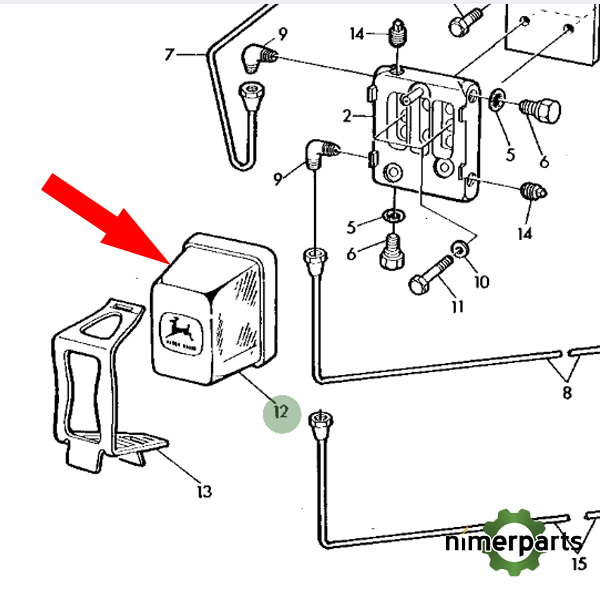
The fuel filter on a 4240 John Deere is usually near the engine. It is often mounted on the side or front, connected to fuel lines. Look for a cylindrical part with fuel pipes attached. Clean the area around the filter to stop dirt from entering the fuel system. Knowing the exact location makes removal and replacement easier and faster.
Removing The Old Fuel Filter
Removing the old fuel filter on a 4240 John Deere is a key step in maintaining your tractor. This process helps keep the engine running smoothly by preventing dirt and debris from clogging the fuel system. Follow these simple steps carefully to ensure safe and effective removal.
Relieving Fuel System Pressure
Start by turning off the engine. This stops fuel flow and reduces pressure.
Locate the fuel shutoff valve and close it. This prevents fuel from spilling.
Next, release pressure in the fuel lines. Use a rag to catch any fuel that may leak out.
Disconnecting Fuel Lines
Identify the fuel lines connected to the filter. These lines carry fuel to and from the filter.
Use pliers or a wrench to gently loosen the clamps holding the lines. Do this carefully to avoid damage.
Pull the fuel lines off the filter fittings slowly. Some fuel may spill, so have a container or rag ready.
Removing The Filter Housing
Locate the bolts or screws securing the filter housing. Use the correct tool to remove them.
Pull the filter housing away from its mount. The old filter will be inside this housing.
Dispose of the old filter properly. Avoid spilling any remaining fuel.
Installing The New Fuel Filter
Installing the new fuel filter on a 4240 John Deere tractor is a straightforward task. It ensures the tractor runs smoothly and the engine stays protected. Take care to follow each step carefully. Proper installation prevents leaks and keeps fuel clean.
Inspecting The New Filter
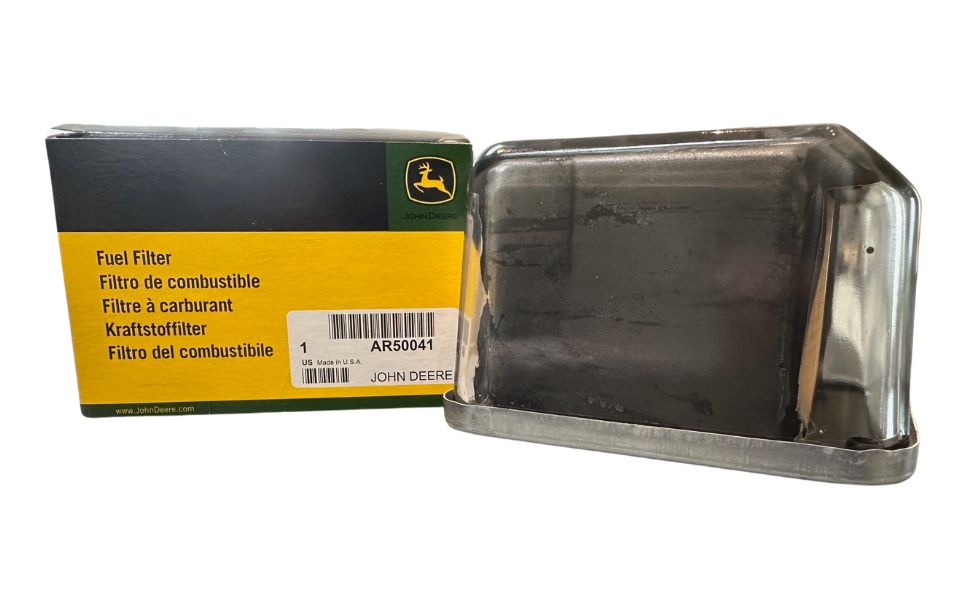
Start by checking the new fuel filter for any damage. Look for cracks or dents on the body. Ensure the sealing gasket is intact and not dry. Use a clean cloth to wipe off any dust or dirt. A clean filter protects the engine better.
Positioning And Securing The Filter
Place the new filter in the mounting bracket. Align it properly to avoid cross-threading the connections. Turn the filter gently clockwise to secure it. Tighten the filter by hand until it feels snug. Avoid using tools to overtighten and damage the filter.
Reconnecting Fuel Lines
Attach the fuel lines to the new filter carefully. Check the fittings to ensure they are clean and free from debris. Push the fuel lines fully onto the filter connectors. Tighten any clamps or screws to hold the lines firmly. Double-check all connections for leaks before starting the engine.
Finishing Up The Replacement
Finishing up the replacement of the fuel filter on your John Deere 4240 is crucial. Proper steps ensure your tractor runs smoothly without fuel issues. Follow these final tasks carefully to complete the job.
Bleeding The Fuel System
After installing the new fuel filter, air may enter the fuel lines. This air can stop the tractor from starting. To bleed the system, use the primer bulb or hand pump. Press it until you see fuel without bubbles. This process removes trapped air and restores fuel flow.
Checking For Leaks
Inspect the filter and connections for any fuel leaks. Tighten clamps and fittings if you spot drips. Leaks can cause engine problems and waste fuel. Look closely around the filter housing and fuel lines. Make sure everything is secure and dry before moving on.
Testing The Tractor
Start the tractor and let it run for a few minutes. Listen for unusual sounds or sputtering. Check that the engine runs smoothly and responds well. Test the tractor under light load to confirm proper fuel delivery. This step confirms your fuel filter change was successful.
Maintenance Tips For Fuel Filter
Keeping the fuel filter in good shape is key for your 4240 John Deere. A clean fuel filter helps the engine run smoothly and lasts longer. Regular maintenance stops dirt and debris from reaching the engine. This saves you money and time on repairs.
Recommended Replacement Intervals
Change the fuel filter every 250 hours of operation. Check the owner’s manual for exact times. Replace it sooner if you work in dusty or dirty areas. Timely replacement keeps the fuel system clean and efficient.
Signs Of A Clogged Fuel Filter
Watch for slow engine start or loss of power. Engine may stall or run rough. Fuel smell near the filter can appear. These signs mean the filter is blocked. Clean or replace it right away to avoid damage.
Keeping The Fuel System Clean
Use clean fuel and store it properly. Check fuel tanks and lines for dirt or water. Drain water from the fuel filter regularly. Clean parts carefully during filter changes. This prevents clogging and keeps the engine healthy.

Credit: www.youtube.com
Credit: www.teretehottubs.co.uk
Frequently Asked Questions
How Often Should I Change The Fuel Filter On A 4240 John Deere?
Change the fuel filter every 250 hours or annually. Regular replacement ensures engine efficiency and prevents clogs. Always check your owner’s manual for specific intervals.
What Tools Are Needed To Replace The Fuel Filter?
You need a wrench, screwdriver, and a clean container for fuel drainage. Wear gloves and have a new filter ready before starting the process.
Can I Change The Fuel Filter Myself Safely?
Yes, changing the fuel filter is safe with proper precautions. Work in a well-ventilated area and avoid open flames. Follow step-by-step instructions carefully.
How Do I Prime The Fuel System After Filter Change?
After installing the new filter, use the primer pump to remove air. Pump until fuel flows smoothly, ensuring the engine starts without hesitation.
Conclusion
Changing the fuel filter on your 4240 John Deere keeps the engine running smooth. Clean filters stop dirt from damaging parts. Regular filter changes save you money on repairs. Follow steps carefully for best results. Use the right tools and a fresh filter.
Check for leaks after installation. Proper care helps your tractor work longer and better. Simple maintenance makes a big difference in performance. Keep your machine ready for any job ahead.


