

Want your car to look shiny and new every day? Knowing how to wash and wax your car the right way can make a huge difference.
It’s not just about keeping your ride clean—it’s about protecting your investment and turning heads wherever you go. In this guide, you’ll learn simple, step-by-step tips that anyone can follow. By the end, you’ll have the confidence to give your car a professional finish right at home.
Ready to make your car sparkle like never before? Let’s dive in!
Preparing Your Car
Preparing your car before washing and waxing is key to getting the best results. This step helps protect your car’s surface and makes the process smoother. Taking time to prepare ensures the cleaning and waxing work well and last longer.
Start by gathering all necessary supplies. Find a good spot to work. Check the weather to avoid problems during the process. These simple steps set you up for success.
Gathering Supplies
Collect all tools before you start. You will need car shampoo, wax, buckets, sponges, and microfiber cloths. Have a hose or water source ready. Use separate cloths for washing and drying. Preparing supplies saves time and avoids interruptions.
Choosing The Right Location
Pick a shaded area to wash your car. Direct sunlight can dry soap quickly and leave marks. A flat surface helps keep water from pooling. Avoid dusty or windy places. A clean, calm spot makes washing easier and cleaner.
Checking Weather Conditions
Check the weather forecast before washing. Avoid rainy or very hot days. Rain can wash away soap and wax. Heat can cause products to dry too fast. Mild, dry weather is best for washing and waxing your car.
Washing Your Car
Washing your car is the first step to keep it clean and shiny. It removes dirt, dust, and grime that build up over time. Proper washing protects the paint and prepares the surface for waxing. Follow these simple steps for the best results.
Rinsing The Surface
Start by rinsing your car with water. This removes loose dirt and dust. Use a hose or a bucket of water. Rinse from top to bottom to avoid spreading dirt. Do not use high pressure; gentle water flow works best.
Using The Two-bucket Method
Fill two buckets with clean water. One bucket for soapy water, the other for rinsing your wash mitt. Dip the mitt in the soapy water, wash a section of your car, then rinse the mitt in the clean water. This stops dirt from scratching the paint.
Selecting The Best Car Shampoo
Choose a car shampoo made for vehicles. Avoid household soaps that can damage paint. Look for shampoos that are gentle and pH balanced. They clean well without stripping wax or oils.
Cleaning Wheels And Tires
Wheels and tires need special care. Use a brush to scrub off brake dust and grime. Apply a wheel cleaner safe for your wheel type. Rinse thoroughly to remove all cleaner and dirt.
Drying Techniques
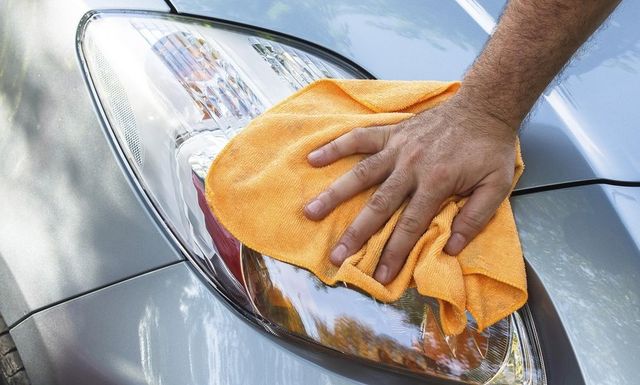
Dry your car with a soft microfiber towel or chamois. Pat the surface instead of rubbing to avoid scratches. Dry quickly to prevent water spots. Focus on windows, mirrors, and door edges.
Inspecting The Paint
Before washing and waxing your car, take time to inspect the paint. This step helps you spot any damage or areas that need extra care. A careful inspection can improve the final look and protect your car’s surface. It also helps you choose the right products and methods to use.
Identifying Scratches And Swirls
Check the paint closely for scratches and swirl marks. Scratches are thin lines that can be deep or light. Swirls are circular marks often caused by improper washing. Use a bright light or sunlight to see these imperfections clearly. Knowing where these are helps you avoid making them worse during cleaning.
Assessing Paint Condition
Look for dull or faded areas on the paint. These spots may need extra polishing or restoration. Notice any chips, cracks, or peeling paint too. Assessing the condition helps you decide if your car needs more than just washing and waxing. It also shows if the paint still has a protective layer or if it’s worn out.
Credit: www.meguiars.com
Applying Wax
Applying wax is a key step in car care. It protects the paint and gives a shiny finish. Proper wax application makes your car look clean and new for longer. Follow simple steps for best results and a smooth surface.
Choosing Between Paste, Liquid, And Spray Wax
Pick wax based on your needs and experience. Paste wax lasts longer and protects well. Liquid wax spreads easily and works faster. Spray wax is quick but usually less durable. Choose the type that fits your time and effort.
Using Applicator Pads
Use soft applicator pads for even wax spread. Foam or microfiber pads work best. Apply wax in a thin, smooth layer. Avoid thick patches to prevent streaks or residue. Clean pads help maintain a flawless finish.
Applying Wax In Small Sections
Work on small areas at a time. This helps control the wax and prevents drying too fast. Cover about two square feet per section. Move in circular motions for even coverage. Small sections give better control and results.
Timing The Wax Cure
Let the wax dry before buffing. Wait until it looks hazy or dull. This usually takes 5 to 10 minutes. Avoid leaving wax too long, or it will be hard to remove. Correct timing ensures a smooth shine.
Buffing For Shine
Use a clean, soft cloth to buff the wax. Microfiber towels work great for this step. Buff in gentle, circular motions. This removes excess wax and brings out the shine. Finish with a smooth, glossy surface.
Maintaining The Shine
Keeping your car’s shine lasts longer needs regular care. A clean and waxed car looks fresh and stays protected. Small steps after washing help keep that glossy finish. Follow easy tips to maintain the shine every day.
Regular Washing Tips
Wash your car often to stop dirt buildup. Use a soft sponge or cloth to avoid scratches. Rinse the car first to remove loose dirt. Choose a gentle soap made for cars. Wash in small sections and rinse each part well. Dry with a clean microfiber towel to stop water spots.
Quick Detailers For Touch-ups
Quick detailers are sprays that clean and shine fast. Use them between full washes to remove dust and fingerprints. Spray lightly and wipe with a soft cloth. They help keep the wax layer smooth and shiny. Perfect for quick cleanups after a short drive.
Avoiding Common Mistakes
Never wash your car in direct sunlight. This can cause soap to dry too fast and leave marks. Avoid using household cleaners; they can harm the paint. Don’t use rough cloths or sponges that scratch the surface. Skip washing with dry hands or dirty towels. These mistakes reduce the car’s shine and protection.
Credit: www.pellmansauto.com
Extra Care Tips
Extra care makes a big difference in car washing and waxing. It helps keep your car looking new longer. Small steps protect delicate parts and improve shine. Follow these tips for better results and lasting protection.
Protecting Trim And Rubber
Trim and rubber parts can dry out and crack. Use a rubber protectant to keep them soft and shiny. Avoid harsh chemicals that can damage these areas. Apply the protectant with a clean cloth. Let it dry fully before touching. This care extends the life of seals and trims.
Maintaining Glass And Mirrors
Clean glass and mirrors with a gentle, streak-free cleaner. Use a microfiber cloth for the best finish. Avoid ammonia-based cleaners that can harm tint or rubber edges. Wipe in a circular motion to remove dirt and spots. Clear glass improves driving safety and car appearance.
Handling Environmental Damage
Bird droppings, tree sap, and bug splatter damage paint quickly. Remove these contaminants as soon as possible. Use a specialized cleaner or warm water to soften the spots. Gently wipe without scrubbing hard to avoid scratches. Regular waxing adds a protective layer against damage.
Credit: www.armorall.com
Frequently Asked Questions
How Often Should I Wash My Car Before Waxing?
Washing your car every two weeks is ideal before waxing. Regular washing removes dirt and contaminants. This ensures the wax adheres properly. Avoid washing too frequently to prevent stripping wax layers.
What Are The Best Soaps For Car Washing?
Use pH-balanced, car-specific soaps for washing. These soaps clean effectively without harming paint or wax. Avoid household detergents as they can strip wax. Choose gentle formulas designed to protect your car’s finish.
Can I Wax My Car Without Washing It First?
No, always wash your car before waxing. Dirt and grime can get trapped under wax. This causes scratches and poor finish. Washing ensures a clean surface for wax to bond well.
How Long Does Car Wax Protect The Paint?
Car wax protection lasts typically 4 to 6 weeks. Durability depends on wax type and driving conditions. Regular waxing maintains shine and paint protection effectively.
Conclusion
Washing and waxing your car keeps it clean and shiny. It protects the paint from dirt and damage. Regular care helps your car look new longer. Use gentle soap and soft cloths to avoid scratches. Waxing adds a strong layer to guard against weather.
Taking time to wash and wax improves your car’s value. A little effort goes a long way for a bright finish. Keep your car looking great with simple, regular care.


