Want your car to shine like new and turn heads wherever you go? Waxing your car with Turtle Wax is one of the easiest and most effective ways to protect your paint and give it that deep, glossy finish.
If you’ve never waxed a car before, don’t worry—you can do it yourself, even if you’re a beginner. This guide will walk you through every step, helping you avoid common mistakes and get the best results. Keep reading to learn how to make your car look amazing with Turtle Wax, and enjoy that showroom shine every time you drive.
Choosing The Right Turtle Wax
Choosing the right Turtle Wax is important for a shiny and protected car. Turtle Wax offers different products for different needs. Picking the right type helps your car look its best and stay safe from damage.
Types Of Turtle Wax Products
Turtle Wax has many products. Some are liquid waxes. Others come as paste wax. There are also spray waxes for quick use. Some products add extra shine. Others focus on long-lasting protection. Turtle Wax also makes waxes for specific colors and finishes.
Selecting Based On Car Finish
Your car’s paint finish affects which wax to use. For clear coats, use wax made for clear finishes. Matte finishes need special wax that does not add shine. Older cars with single-stage paint can use regular wax. Always read the label to match the wax with your car’s finish. This keeps the surface safe and looking good.

Credit: stopandshop.com
Preparing Your Car
Preparing your car is the first step to get the best results from Turtle Wax. A clean surface helps the wax stick better. Dirt and grime can block the shine and cause uneven application. Taking time to prepare your car ensures a smooth, glossy finish.
Washing And Drying
Start by washing your car thoroughly with water and car soap. Use a soft sponge or mitt to avoid scratches. Clean every part, including wheels and lower panels. Rinse well to remove all soap. Dry your car completely with a microfiber towel. A dry surface helps the wax bond well.
Removing Surface Contaminants
Surface contaminants like tar, tree sap, and bugs can stick to the paint. These need removal before waxing. Use a clay bar or a special cleaner for this step. Gently rub the affected areas to lift contaminants. Clean surfaces allow the wax to protect your car better.
Gathering Supplies
Gathering supplies is the first step to waxing your car with Turtle Wax. Having the right tools makes the job easier and gives better results. Prepare your workspace and collect everything before you start. This saves time and avoids interruptions.
Wax Applicators And Cloths
Use soft wax applicators to apply Turtle Wax smoothly. Foam or microfiber pads work well. They help spread the wax evenly without scratching the paint. Have clean, dry cloths ready for buffing. Microfiber cloths are best because they do not leave lint behind. Use separate cloths for applying and wiping off the wax.
Protective Gear
Protect your skin and eyes during waxing. Wear gloves to keep wax off your hands. Use safety glasses to shield your eyes from splashes. Wearing old clothes is a good idea. Wax can stain fabric. Proper gear keeps you safe and comfortable.
Applying Turtle Wax
Applying Turtle Wax is a simple step that brings out your car’s shine. The key is to apply the wax carefully and evenly. This helps protect the paint and makes your car look fresh. Follow the right techniques for the best results.
Working In Small Sections
Start by dividing your car into small parts. Focus on one section at a time. This makes it easier to control the wax. Avoid rushing through the process. Small sections help you apply wax evenly and avoid missing spots.
Using Circular Motions
Apply the wax with a soft cloth or applicator pad. Use gentle circular motions to spread the wax. This helps cover the surface fully. Circular rubbing also helps the wax bond with the paint. Move steadily and keep pressure light for an even finish.
Allowing Wax To Haze
Allowing wax to haze is a key step when waxing a car with Turtle Wax. This process helps the wax bond properly with the car’s surface. It also makes the buffing stage easier and more effective.
Skipping this step can leave streaks or uneven shine. Knowing when the wax is ready to buff ensures a smooth, glossy finish. It is important to watch the wax closely during this stage.
Timing The Drying Process
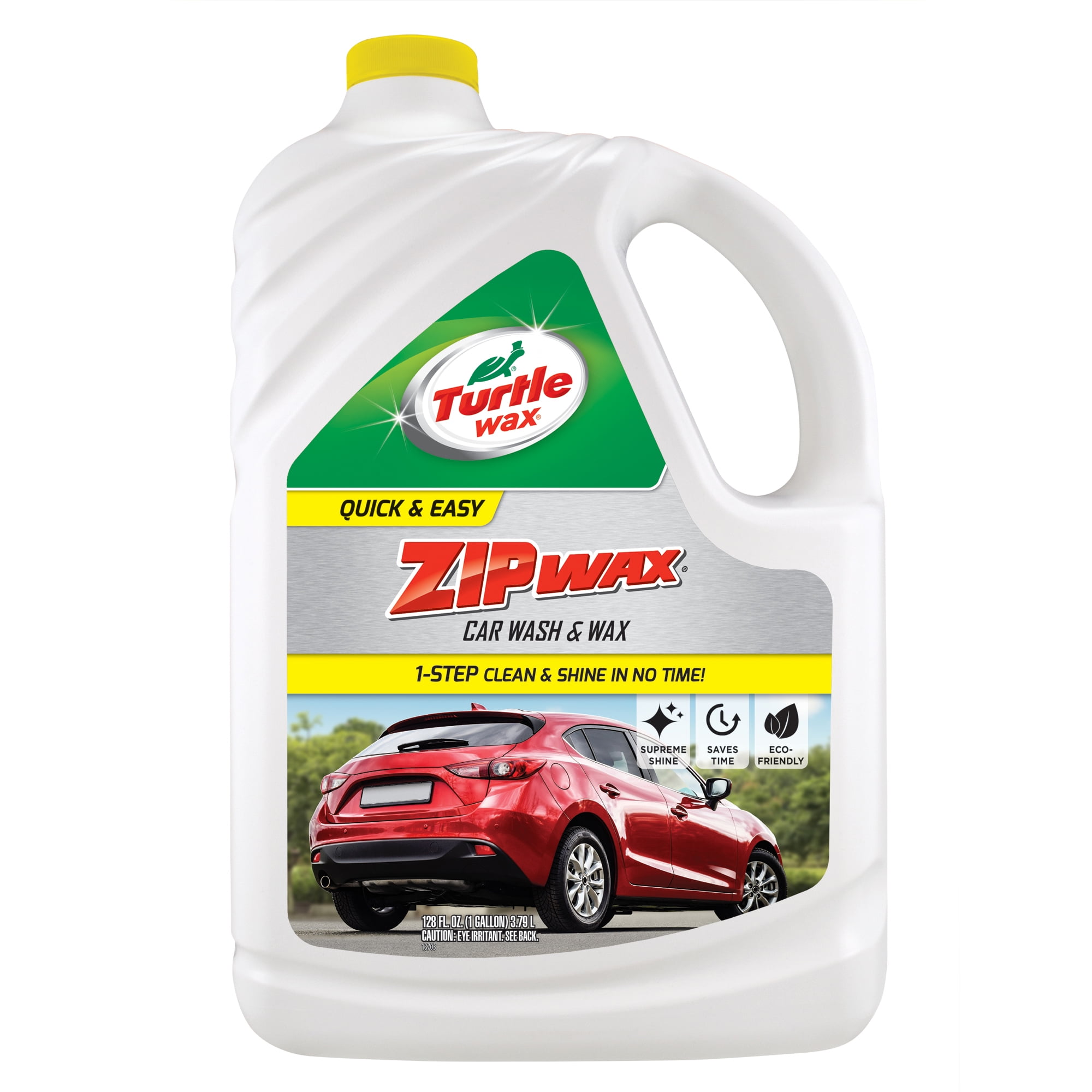
After applying Turtle Wax, wait a few minutes for it to dry. The exact time depends on the temperature and humidity. Usually, it takes about 5 to 10 minutes. The wax should not feel wet or sticky. It should look dull or matte. Avoid leaving the wax too long, or it will become hard to remove.
Identifying The Haze
The haze looks like a thin, whitish film on the car’s paint. It covers the waxed area evenly. The haze means the wax is ready for buffing. Use a clean, soft cloth to rub gently. The haze will come off, revealing a shiny surface. If the wax is still wet or shiny, wait more time before buffing.
Credit: www.walmart.com
Buffing The Wax
Buffing the wax is an important step in car waxing with Turtle Wax. It removes excess wax and reveals a bright, smooth surface. This process helps protect your car’s paint and gives it a fresh, shiny look.
Choosing The Right Cloth
Use a soft, clean microfiber cloth for buffing. Avoid rough or dirty cloths that can scratch the paint. A good cloth picks up wax easily and does not leave lint behind. Keep different cloths for waxing and drying to stay clean.
Techniques For A Shine Finish
Buff in small, circular motions. Apply light pressure to avoid removing too much wax. Work in sections for even shine. Use a fresh part of the cloth often to prevent smearing. Stop buffing once the surface looks glossy and smooth.
Maintaining The Wax
Maintaining the wax on your car keeps its shine and protects the paint. After applying Turtle Wax, proper care is key. Simple steps help the wax last longer. These tips make your car look new for many weeks.
Regular Cleaning Tips
Clean your car often to keep the wax working well. Use a gentle car wash soap. Avoid strong detergents that can remove wax. Rinse your car with water before washing. This removes dirt and grit that can scratch the paint. Dry the car with a soft towel. Do not use rough cloths or brushes.
Try to wash your car in the shade. Sunlight can dry soap too fast and leave spots. Keep the car free from bird droppings and tree sap. These can damage the wax and paint. Clean off these stains quickly with water and mild soap.
Reapplication Frequency
Wax does not last forever. Reapply Turtle Wax every 2 to 3 months. This keeps the protective layer strong. If your car is often outside, wax more often. Harsh weather can wear off the wax faster.
Check your car’s shine regularly. If it looks dull or feels rough, it is time to wax again. Regular waxing protects against rust and fading. It also makes washing easier by stopping dirt from sticking.

Credit: www.youtube.com
Common Mistakes To Avoid
Waxing a car with Turtle Wax can bring a shiny finish. Avoiding common mistakes helps achieve the best results. Some errors can damage your car’s paint or make waxing less effective.
Understanding these mistakes saves time and effort. It also protects your car’s surface. Follow these tips to keep your car looking great.
Applying On Hot Surfaces
Never apply wax on a hot car surface. The heat can make the wax dry too fast. This causes streaks and uneven coverage. Wax also becomes hard to spread smoothly. The paint can get damaged by heat and wax interaction. Always wax your car in shade or when cool.
Using Excessive Wax
Using too much wax does not improve shine. Thick layers take longer to dry and buff. Excess wax can leave white residue in crevices. It can also make removal harder and messy. Apply a thin, even layer for best results. Less is more with Turtle Wax application.
Benefits Of Using Turtle Wax
Using Turtle Wax on your car offers many benefits. It protects the paint and keeps the car looking fresh. The wax is easy to apply and gives a smooth finish. Many car owners trust Turtle Wax for long-lasting care. It works well on all car colors and types.
Protection And Longevity
Turtle Wax creates a strong shield on your car’s surface. This shield guards against dirt, dust, and harmful UV rays. It helps prevent paint from fading and cracking. The wax also repels water, reducing water spots and stains. This protection helps your car look new for a long time.
Enhanced Appearance
Turtle Wax adds a deep, glossy shine to your car. It brings out the true color of the paint. The smooth finish hides small scratches and marks. The wax makes the car surface slick and smooth to touch. Your car will look clean and polished after waxing.
Frequently Asked Questions
What Is The Best Turtle Wax Product For Car Waxing?
The best Turtle Wax product depends on your car’s needs. Turtle Wax Original is ideal for beginners. For advanced protection, Turtle Wax Hybrid Solutions offers long-lasting shine and durability.
How Do I Prepare My Car Before Waxing With Turtle Wax?
Wash and dry your car completely before applying Turtle Wax. Remove dirt and grime to ensure smooth application and better wax adhesion. Use a clean microfiber cloth to avoid scratches.
How Long Does Turtle Wax Protection Last On A Car?
Turtle Wax protection typically lasts about 4 to 6 weeks. This depends on weather, washing frequency, and driving conditions. Regular waxing maintains the shine and protects paint effectively.
Can I Apply Turtle Wax In Direct Sunlight?
It’s best to avoid waxing in direct sunlight. Heat can cause wax to dry too fast, making buffing difficult. Wax your car in a shaded, cool area for optimal results.
Conclusion
Waxing your car with Turtle Wax protects its paint and adds shine. The process is simple and takes little time. Use clean cloths and follow the steps carefully. Regular waxing keeps your car looking fresh and new. Enjoy the smooth, glossy finish after each application.
Small efforts bring great results for your car’s appearance. Try Turtle Wax to keep your vehicle bright and protected. You will notice the difference after just one wax. A little care goes a long way.