If you’ve ever wondered, “How long does changing brakes and rotors take?” you’re not alone. Knowing the time it takes can help you plan your day better and avoid unexpected delays.
Whether you’re doing it yourself or taking your car to a mechanic, understanding the process saves you stress and money. You’ll discover what affects the time needed, what to expect during the job, and how to make sure it’s done right the first time.
Keep reading—your car’s safety and your schedule depend on it.
Brake And Rotor Replacement Time
Brake and rotor replacement time varies depending on several factors. Knowing how long this repair takes helps you plan your day better. It also sets clear expectations for your vehicle’s downtime. Understanding the process gives you peace of mind before visiting the mechanic.
Factors Affecting Repair Duration
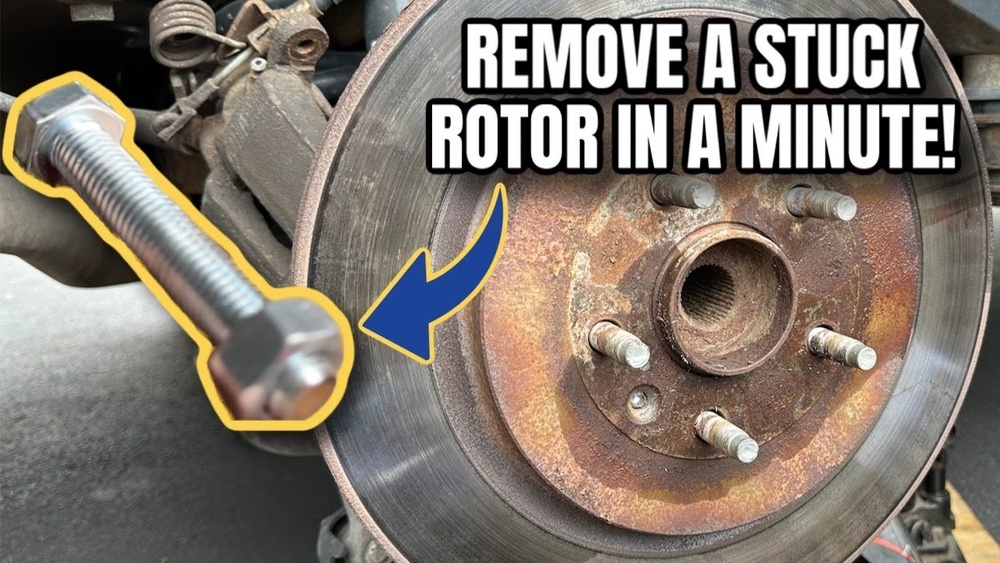
Car model and brake system type affect how fast the job is done. Some cars have complex brake designs that take more time. The condition of old brakes and rotors also matters. If parts are stuck or rusty, removal takes longer. The skill and experience of the mechanic play a big role. An expert can finish the job quicker and safer. Tools and equipment quality impact repair speed too. Advanced tools reduce time spent on each step.
Average Time Estimates
On average, brake and rotor replacement takes between one to two hours. Simple jobs on smaller cars may finish in about one hour. Larger vehicles or those with complicated brakes can take up to two hours. Shops that replace brakes and rotors often may be faster. Doing the job yourself might take several hours without experience. Always allow some extra time for safety checks after replacement.

Credit: www.youtube.com
Tools And Equipment Needed
Changing brakes and rotors requires specific tools and equipment. Using the right tools makes the job safer and faster. Without proper tools, the task can become frustrating and take much longer.
This section covers the essential and optional tools needed for brake and rotor replacement. Understanding these tools helps prepare you for the repair process.
Essential Tools For The Job
- Jack and jack stands to lift and support the vehicle safely
- Lug wrench or impact wrench to remove wheel lug nuts
- Socket set with ratchet for removing caliper bolts and other fasteners
- C-clamp or brake caliper tool to compress the caliper piston
- Flathead screwdriver or pry bar to help remove the old brake pads
- Brake cleaner spray to clean brake parts and remove dust
- Torque wrench to tighten bolts to manufacturer specifications
- Rubber mallet for gently loosening stuck rotors
Optional Tools To Speed Up Process
- Impact wrench for quicker removal of lug nuts and bolts
- Brake caliper hanger to hold the caliper without strain on the brake hose
- Drill with wire brush attachment to clean rust and debris from rotor hub
- Brake fluid bleeder kit for easy bleeding of brake lines after replacement
- Magnetic tray to keep small bolts and screws safe and organized
Step-by-step Brake Change Process
Changing brakes and rotors involves clear steps. Following these steps helps the job go smoothly and safely. Each step takes care of important parts of the brake system. Understanding this process saves time and avoids mistakes.
Removing The Old Brakes And Rotors
Start by lifting the car and removing the wheel. Next, take off the brake caliper carefully. Use a wrench to remove the caliper bolts. Hang the caliper so the brake line does not stretch. Remove the old brake pads from the caliper bracket. Then, take off the rotor by pulling it straight off the hub. Clean the hub surface before installing new parts.
Installing New Components
Place the new rotor onto the hub first. Make sure it fits snugly and sits flat. Next, install the new brake pads into the caliper bracket. Compress the caliper piston using a brake tool or C-clamp. Carefully place the caliper back over the new pads and rotor. Tighten all bolts securely to the correct torque. Double-check that nothing is loose.
Final Checks And Testing
Lower the car and put the wheel back on. Tighten the lug nuts in a star pattern. Press the brake pedal several times to set the pads. Look for any leaks or unusual noises. Test drive the car slowly to ensure brakes work well. Listen for any squeaks or vibrations. Adjust if needed before driving normally.

Credit: www.jdpower.com
Tips For Faster Brake Replacement
Changing brakes and rotors can take time. Some steps can speed up the process. This section shares useful tips for faster brake replacement. These tips save time and reduce stress. They help even beginners work more efficiently.
Preparation Before Starting
Gather all tools and parts before you begin. Check that the new brakes and rotors fit your car model. Have a jack, lug wrench, and brake cleaner ready. Wear gloves and safety glasses to protect yourself. Find a flat, stable place to work. Loosen lug nuts slightly before lifting the car. Keep a clean workspace to avoid losing small parts. Read the car manual for specific instructions.
Common Mistakes To Avoid
Do not rush through the job. Tightening bolts unevenly can cause problems. Avoid mixing old and new brake parts. Always replace rotors and pads in pairs. Do not skip cleaning the rotor surface. Forgetting to pump brakes after installation is risky. Avoid using worn tools that may slip. Do not ignore torque specifications for bolts.
When To Seek Professional Help
Changing brakes and rotors is often a straightforward task. Yet, some problems need expert attention. Knowing when to seek professional help saves time and prevents damage.
Professional mechanics have the tools and skills for safe repairs. They spot hidden issues you might miss. This keeps your car safe and working well.
Signs Of Complex Brake Issues
Brake problems can be simple or complex. Loud noises like grinding or squealing may mean worn parts. Vibration or pulsing when braking signals rotor trouble. Soft or spongy brake pedals show air or fluid problems. Uneven brake pad wear hints at caliper issues. Strange smells after braking suggest overheating. These signs need expert checks to avoid bigger damage.
Benefits Of Professional Service
Professionals fix brakes quickly and correctly. They use quality parts that last longer. Proper brake service improves safety and car performance. Experts ensure all parts fit and work well together. They also inspect other brake components for future problems. Getting professional help reduces repair costs over time. It gives peace of mind on every drive.

Credit: vatire.com
Frequently Asked Questions
How Long Does It Take To Change Brakes And Rotors?
Changing brakes and rotors typically takes 1 to 2 hours. The exact time depends on vehicle type and mechanic experience. Complex vehicles or rusted parts may extend the duration. Routine jobs are usually completed within an hour.
Can I Change Brakes And Rotors Myself Quickly?
Yes, experienced DIYers can change brakes and rotors in 1. 5 to 3 hours. Proper tools and safety precautions are essential. Beginners may take longer and should follow detailed guides or videos carefully.
What Factors Affect Brake And Rotor Replacement Time?
Brake and rotor replacement time depends on vehicle model, part condition, and mechanic skill. Rust or stuck components increase time. Quality tools and workspace also impact efficiency. Routine maintenance usually takes less time.
Is It Faster To Replace Brakes And Rotors Together?
Replacing brakes and rotors together saves time compared to separate jobs. It avoids repeated disassembly and inspection. Combined replacement typically takes about 1. 5 hours, streamlining the maintenance process efficiently.
Conclusion
Changing brakes and rotors usually takes about one to two hours. The time depends on the car type and mechanic’s experience. Doing it yourself might take longer if you are new to the task. Regular brake checks can help avoid urgent repairs.
Remember, good brakes keep you safe on the road. Plan your brake service ahead to save time and stress. Simple steps lead to better car care and peace of mind.