

Wrapping vinyl around corners can seem tricky, but with the right approach, you can achieve a smooth, professional finish every time. If you’ve ever struggled with bubbles, wrinkles, or uneven edges, this guide is made for you.
You’ll learn simple, step-by-step techniques that make the process easier and more precise. By the end, you’ll have the confidence to tackle any corner and transform your project with clean, sharp results. Ready to master vinyl wrapping and impress everyone with your skills?
Let’s dive in!
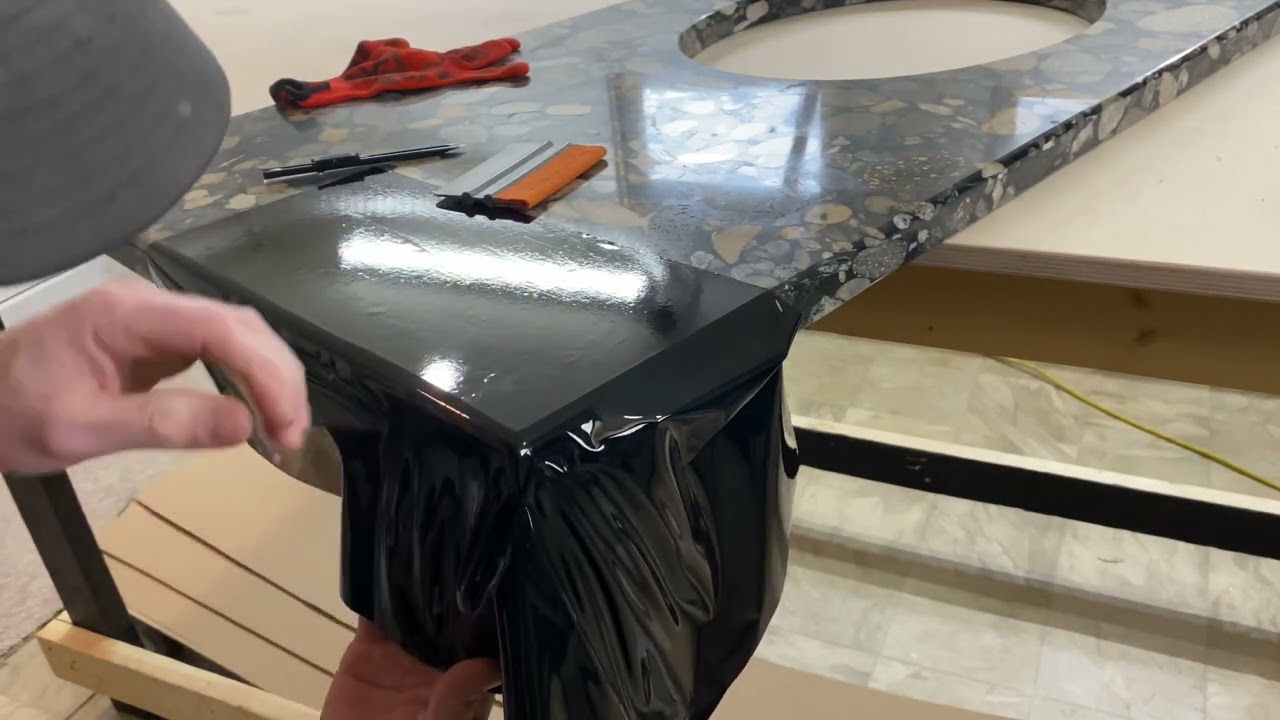
Credit: www.youtube.com
Choosing The Right Vinyl
Choosing the right vinyl is key to a smooth wrap around corners. The wrong type can cause bubbles, wrinkles, or peeling. Understanding the vinyl’s type, thickness, and adhesive strength helps ensure a clean finish. Each factor affects how well the vinyl bends and sticks to corners. This guide breaks down these important points for a better wrapping experience.
Types Of Vinyl For Corners
Cast vinyl is best for wrapping corners. It is thin and flexible. It stretches easily without shrinking back. Calendered vinyl is thicker and less flexible. It works well on flat surfaces but may crack on corners. Look for vinyl made for vehicle wraps or 3D surfaces. These types handle curves and edges smoothly.
Vinyl Thickness And Flexibility
Thin vinyl wraps corners more easily. It bends without creasing. Thicker vinyl can be harder to mold around edges. Check the vinyl’s thickness before buying. Flexible vinyl reduces the risk of bubbles and wrinkles. Choose vinyl with good stretch properties for tight corners. This makes the wrapping process smoother and faster.
Adhesive Strength Considerations
Strong adhesive keeps vinyl firmly in place. It prevents lifting at corners. Some adhesives allow repositioning during application. This helps fix mistakes without damaging the vinyl. High-tack adhesive is better for rough or textured surfaces. Mild adhesive suits smooth, clean surfaces. Select adhesive strength based on the corner type and surface texture.
Preparing The Surface
Preparing the surface is a key step before wrapping vinyl around corners. A clean and smooth base helps the vinyl stick better and last longer. Proper surface preparation prevents bubbles and wrinkles. It also ensures the vinyl wraps tightly and looks neat.
Cleaning And Smoothing
Start by cleaning the surface thoroughly. Use soap and water to remove dirt and grease. Dry the area completely with a soft cloth. Smooth out any bumps or rough spots with fine sandpaper. A clean, smooth surface gives the vinyl a strong hold.
Removing Old Materials
Check for old stickers, tape, or glue residue. Remove them carefully using a plastic scraper or adhesive remover. Avoid harsh chemicals that might damage the surface. Any leftover material can cause bubbles under the vinyl. Make sure the surface is free of debris before applying the wrap.
Temperature And Environment Setup
Work in a clean, dust-free area. The ideal temperature is between 60°F and 80°F (15°C to 27°C). Avoid extreme cold or heat, as vinyl can become hard or sticky. Control humidity to prevent moisture buildup. Proper environment helps the vinyl adhere smoothly around corners.
Tools You’ll Need
Wrapping vinyl around corners requires the right tools. These tools help you apply the vinyl smoothly without bubbles or wrinkles. Having the correct items makes the job easier and the finish cleaner. Below are the key tools you need for this task.
Essential Wrapping Tools
A squeegee is a must-have tool. It helps press the vinyl flat against the surface. Use a soft cloth or microfiber to clean the area before wrapping. A plastic scraper can remove dust and small debris. Gloves protect your hands and keep the vinyl clean. Tape measure and marker help with precise cuts and alignment.
Heat Guns And Their Uses
A heat gun softens the vinyl, making it flexible around corners. It helps the vinyl conform to curves without tearing. Use the heat gun on low to medium settings. Move it steadily to avoid burning the vinyl. Heat also activates the adhesive, ensuring better stickiness on edges.
Cutting And Smoothing Instruments
A sharp utility knife or blade is essential for cutting vinyl. Use it carefully to trim excess material at corners. A pair of scissors can also help with rough cuts. For smoothing, use a felt edge squeegee to avoid scratching. These tools help create clean lines and a neat finish.
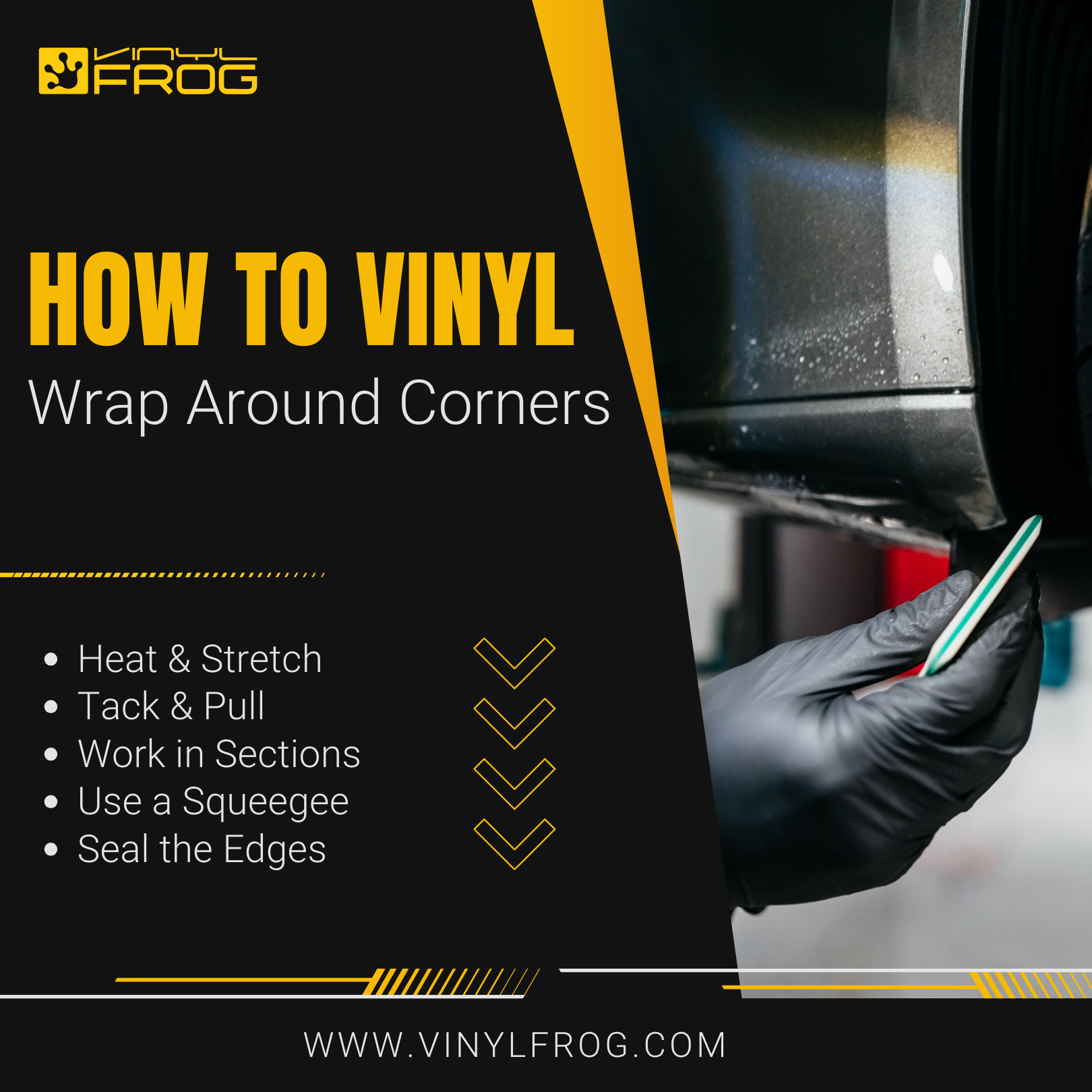
Credit: www.vinylfrog.com
Techniques For Wrapping Corners
Wrapping vinyl around corners can be tricky. It needs care and the right approach. Using the right techniques helps the vinyl fit smoothly. This section covers important methods to wrap vinyl cleanly and without bubbles.
Heat Application For Flexibility
Heat makes vinyl soft and easier to stretch. Use a heat gun or a hair dryer. Warm the vinyl gently before wrapping. Avoid overheating to stop damage. Heat helps vinyl bend around tight edges. It also prevents wrinkles and creases.
Stretching And Wrapping Methods
Stretch vinyl carefully to fit the corner shape. Pull gently and slowly for an even fit. Start wrapping from the center and move outward. Use a squeegee to smooth the vinyl. Press out air bubbles as you go. Cut excess vinyl only after wrapping is done.
Handling Sharp Vs Rounded Corners
Sharp corners need precise cuts to avoid folds. Make small relief cuts in the vinyl. This helps vinyl lay flat without bunching. Rounded corners require gentle stretching and heat. Wrap vinyl gradually, smoothing with a squeegee. Different corners need different care for a neat finish.
Common Mistakes To Avoid
Wrapping vinyl around corners can be tricky. Many beginners face common problems that can ruin the finish. Avoiding these mistakes saves time and materials. It helps achieve a smooth, professional look.
Avoiding Wrinkles And Bubbles
Wrinkles and bubbles spoil the vinyl wrap’s appearance. They happen when the vinyl is stretched too much or applied too quickly. Work slowly and use a squeegee to push air out. Start from the center and move toward the edges. Heat the vinyl slightly to make it more flexible. This reduces creases and trapped air.
Preventing Vinyl Tears
Tears happen when the vinyl is pulled too hard or cut incorrectly. Avoid sharp bends without warming the vinyl first. Use a sharp knife for clean cuts. Cut in small, careful steps near edges and corners. Handle the vinyl gently to keep it intact.
Incorrect Heat Usage
Heat makes vinyl easier to shape around corners. Too much heat can melt or warp the material. Too little heat makes it hard to stretch. Use a heat gun at a moderate distance. Move it constantly to avoid hot spots. Heat the vinyl until it feels soft but not sticky.

Credit: www.reddit.com
Finishing Touches
Finishing touches are key to a smooth vinyl wrap around corners. They help the wrap look neat and last longer. Taking time with these final steps makes a big difference in your project’s success.
Trimming Excess Vinyl
Cut away extra vinyl carefully. Use a sharp blade and steady hands. Trim close to the edge without cutting the surface below. Clean cuts prevent peeling later. Work slowly to avoid mistakes.
Sealing Edges For Durability
Seal all edges to stop water and dirt from getting underneath. Apply edge sealer or use heat to bond the vinyl firmly. Press edges down with a squeegee or cloth. This keeps the wrap strong and smooth for longer.
Final Inspection Tips
Check every corner and edge closely. Look for bubbles, wrinkles, or lifted areas. Smooth out any imperfections with a heat gun or squeegee. Make sure the wrap feels tight and secure. A thorough inspection ensures your wrap stays perfect.
Maintenance Tips For Wrapped Surfaces
Maintaining vinyl wraps on corners keeps them looking fresh and lasting longer. Proper care prevents peeling, fading, and damage. Small daily habits make a big difference in wrap durability. Follow these simple tips to protect your wrapped surfaces.
Cleaning Without Damage
Use a soft cloth or sponge for cleaning wrapped surfaces. Avoid abrasive materials that can scratch the vinyl. Clean with mild soap and water only. Do not use harsh chemicals or solvents. Rinse thoroughly to remove soap residue. Dry the surface gently with a microfiber towel. Regular cleaning stops dirt build-up and keeps colors bright.
Protecting Against Weather
Park vehicles in shaded or covered areas to reduce sun damage. UV rays can cause fading and cracking over time. Use a vinyl-safe protective spray to add a weather-resistant layer. Avoid prolonged exposure to rain and extreme temperatures. Cover wrapped items during harsh weather to prevent wear. These steps help maintain vinyl’s flexibility and color.
Repairing Minor Imperfections
Check wrapped corners often for small bubbles or edges lifting. Use a heat gun on low setting to soften vinyl for reapplication. Press edges down with a plastic squeegee to remove air pockets. Cut out tiny tears with a sharp blade and patch with matching vinyl. Small fixes stop damage from spreading. Act quickly to keep the wrap intact and smooth.
Frequently Asked Questions
How Do You Prepare A Surface For Vinyl Wrapping Corners?
Clean the surface thoroughly to remove dirt and grease. Sand rough areas lightly for better adhesion. Ensure the surface is dry and smooth before applying vinyl.
What Tools Are Essential For Wrapping Vinyl Around Corners?
You need a squeegee, heat gun, sharp knife, and a microfiber cloth. These tools help smooth out bubbles and stretch vinyl over curves effectively.
How Do You Prevent Vinyl From Bubbling On Corners?
Apply heat gently with a heat gun while stretching the vinyl. Use a squeegee to press out air bubbles. Work slowly to avoid trapping air underneath.
Can Vinyl Be Stretched Over Sharp Corners Without Tearing?
Yes, by heating the vinyl and stretching it carefully, you can avoid tears. Use small sections and work gradually for best results.
Conclusion
Wrapping vinyl around corners takes patience and careful steps. Start by cleaning the surface well for better stickiness. Use heat to soften the vinyl and make it flexible. Cut small slits near the edges to avoid bubbles and wrinkles. Press down firmly and smooth out any air pockets.
Take your time; rushing can cause mistakes. Practice on small pieces before larger projects. This method helps vinyl look neat and last longer. Keep these tips in mind for your next vinyl wrapping task. Success comes with patience and attention to detail.


