Want to give your car a fresh, stylish look without spending a fortune? Making your own wheel covers is easier than you think, and you can customize them exactly how you want.
In this guide, you’ll discover simple steps to create unique wheel covers that fit your car perfectly. Imagine turning heads every time you drive by, all with a little creativity and some basic materials. Ready to upgrade your ride? Let’s get started!
Materials Needed
Gather basic tools like plastic sheets, scissors, and adhesive tape before starting. Also, prepare a marker and ruler for precise measurements. These simple items help create custom wheel covers easily.
Basic Tools
Start with simple tools you probably have at home. A screwdriver helps remove the old wheel covers. Use pliers for bending or cutting small parts. A measuring tape measures your wheel’s size for a perfect fit. Scissors or a craft knife cut materials easily. A marker lets you draw shapes and designs clearly. These tools keep the process smooth and manageable.
Recommended Materials
Choose lightweight, durable materials for the covers. Plastic sheets work well because they are easy to shape. Thin metal sheets offer strong protection but need careful handling. Cardboard is a cheap option for practice or temporary covers. Use spray paint to color the covers and protect them from weather. Adhesive such as glue or double-sided tape holds parts firmly together. Make sure all materials fit your car wheel’s size.
Optional Decorative Items
Add personal touches to make your covers unique. Stickers and decals show your style. Reflective tape improves safety by making your car more visible at night. Use colored markers or paint pens for small patterns. Attach small plastic gems or buttons for extra flair. Remember, decorations should not block the wheel’s movement or safety features.
Measuring Your Wheels
Measuring your wheels is the first step in making wheel covers for your car. Accurate measurements ensure the covers fit well and look good. Take your time and measure carefully. Use a ruler or tape measure for best results.
Finding Wheel Diameter
The wheel diameter is the distance across the wheel, from one edge to the other. Measure straight through the center of the wheel. Use a tape measure or ruler. Write down the number in inches or centimeters.
Measuring Wheel Depth
Wheel depth is the distance from the outer edge to where the wheel meets the tire. Place the ruler at the edge and measure inward. This helps make covers that fit snugly. Record this number too.
Recording Accurate Measurements
Write your measurements clearly on paper or your phone. Double-check each number for accuracy. Accurate records prevent mistakes during the cover-making process. Keep them handy while you work.
Designing Your Covers
Designing your wheel covers is the first step to make them unique. It lets you show your style and personality. A good design fits your car and looks great on the road.
Start with clear ideas. Think about what style fits your car best. Then, plan colors and shapes that match your taste.
Choosing A Style
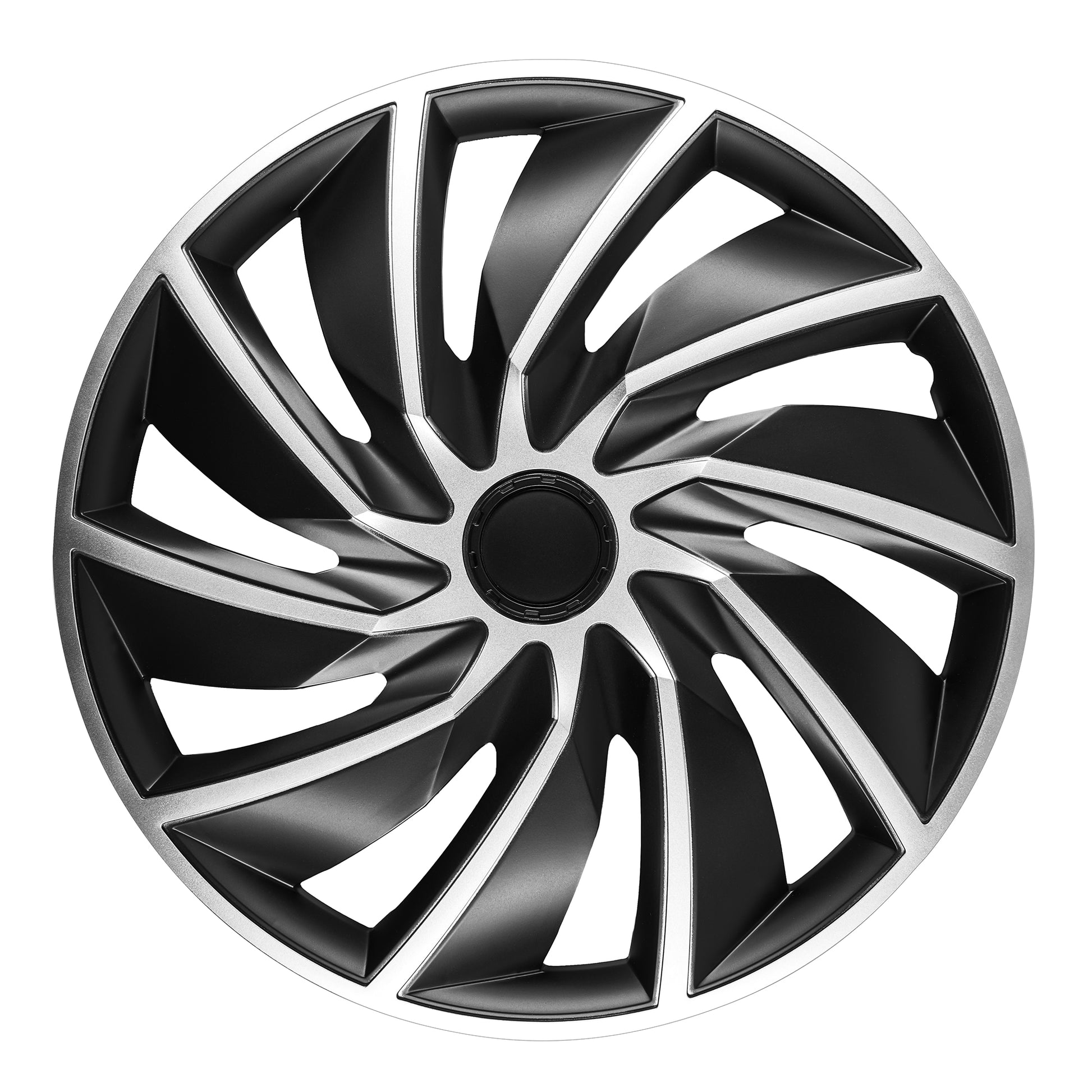
Pick a style that suits your car and your personality. You can choose a classic look, modern, or sporty. Simple styles work well for most cars. Bold styles stand out and catch attention. Think about the shape and lines of your car too.
Sketching Your Design
Draw your ideas on paper or use a drawing app. Start with basic shapes and add details slowly. Keep the design clear and easy to understand. Sketch different options to see what looks best. This step helps you plan before making the covers.
Selecting Colors And Patterns
Choose colors that match or contrast your car’s color. Bright colors make your covers pop. Dark colors give a sleek look. Patterns add style but keep them simple. Stripes, dots, or geometric shapes work well. Avoid too many colors to keep the design neat.

Credit: www.youtube.com
Cutting And Shaping
Cutting and shaping are key steps in making wheel covers for your car. These steps give the cover its final look and fit. Precise cutting and shaping ensure the cover fits well and looks smooth. Careful work now saves time and effort later.
Preparing The Base Material
Start by choosing a strong, lightweight base material. Common choices include plastic sheets or thin metal. Clean the material to remove dust or grease. Mark the area you will cut with a pencil. Use a ruler for straight lines and a stencil for curves. This preparation makes cutting easier and more accurate.
Cutting To Size
Use sharp scissors or a utility knife for cutting plastic. For metal, use tin snips or a small saw. Cut slowly and follow your marked lines closely. Wear safety gloves to protect your hands. Keep your work surface steady to avoid slips. A clean cut helps the cover fit better around the wheel.
Shaping Edges For Fit
After cutting, smooth the edges with sandpaper or a file. Rounded edges prevent damage to your car and look better. Test fit the cover on the wheel. Trim small sections if the cover feels tight. Shape the edges to match the wheel’s curves. Proper shaping makes installation easier and keeps the cover secure.
Painting And Finishing
Painting and finishing your wheel covers gives them a fresh, new look. It also protects the surface from dirt and damage. Taking time to paint well makes your wheel covers last longer. Follow simple steps to get a smooth, even finish that stands out.
Priming The Surface
Start by cleaning the wheel covers with soap and water. Let them dry completely. Use sandpaper to smooth rough spots and help paint stick better. Apply a coat of primer evenly over the surface. Primer helps the paint hold well and prevents rust. Wait for the primer to dry fully before painting.
Applying Paint Layers
Choose paint designed for plastic or metal, based on your covers. Spray or brush thin, even layers of paint. Let each layer dry before adding the next one. Two to three coats usually work best for full coverage. Avoid thick layers to prevent drips and uneven color.
Adding Protective Coating
After the paint dries, apply a clear protective coat. This layer shields the paint from scratches and weather. Use spray or brush-on clear coat made for outdoor use. Let it dry in a dust-free area for the best results. A protective coat keeps your wheel covers looking new longer.
Attaching The Covers
Attaching wheel covers to your car is an important step. It keeps the covers in place while driving. The attachment method affects both look and safety. Choose the right way to secure your covers. This ensures they stay firm and look good.
Choosing Attachment Methods
Select an attachment method based on your wheel type and cover material. Common options include clips, screws, or elastic bands. Clips are easy to use and remove. Screws offer strong hold but need tools. Elastic bands fit snugly and work well for flexible covers. Pick a method that feels secure and suits your skill level.
Securing Covers Safely
Make sure the covers fit tightly without gaps. Loose covers can fall off while driving. Use the chosen method to fasten each cover firmly. Check that no part of the attachment touches the tire or brake parts. Avoid sharp edges that may damage your wheels or cover. Safety comes first to prevent accidents or damage.
Testing Fit And Stability
After attaching, test the covers by pushing and pulling gently. They should not move or wiggle. Drive a short distance at low speed to check stability. Stop and inspect covers for any signs of loosening. Adjust attachments if needed. A stable cover protects your wheels and improves your car’s look.
Maintenance Tips
Maintaining your wheel covers keeps them looking good and lasting longer. Simple care can prevent damage and save money. Regular attention makes a big difference.
Cleaning Your Covers
Use mild soap and water to clean your wheel covers. Avoid harsh chemicals that can damage the surface. A soft cloth or sponge works best to remove dirt and grime. Clean covers look fresh and protect the material underneath.
Repairing Minor Damage
Small scratches or cracks can be fixed easily at home. Use a plastic repair kit or touch-up paint for quick fixes. Repairing early stops damage from getting worse. Check your covers often for any signs of wear.
Storing Spare Covers
Keep spare wheel covers in a dry, cool place. Store them flat or upright to avoid warping. Wrap covers in a soft cloth to protect from dust and scratches. Proper storage helps your spares stay ready for use.

Credit: www.youtube.com
Cost Savings Breakdown
Saving money is a big reason to make your own wheel covers. Understanding costs helps you decide if DIY is best. This section breaks down expenses and benefits.
Comparing Diy Vs Store-bought
Store-bought wheel covers usually cost between $40 and $100 each. Prices rise for brand names or special designs.
Making covers yourself cuts these costs. You pay mainly for materials and tools. No extra fees or shipping charges.
DIY lets you reuse old parts or scrap materials. This lowers costs even more. You also avoid markups from retailers.
Estimating Material Costs
Basic supplies include plastic sheets, paint, and glue. These materials generally cost $10 to $30 total.
You might need a few tools like scissors or a heat gun. Often, these are already at home.
Buying in small amounts keeps spending low. Some materials last for multiple projects, adding value.
Long-term Benefits
Making your own wheel covers means easy repairs. Fixing damage costs less than replacing covers.
DIY covers can be updated or customized anytime. No need to buy new ones for style changes.
Saving money now also means more funds for future car care. DIY skills provide ongoing value and control.
Credit: alpena.ca
Frequently Asked Questions
How Do I Start Making Wheel Covers For My Car?
Begin by measuring your car’s wheels accurately. Choose durable materials like plastic or metal. Sketch a design that fits your style and car model. Gather necessary tools such as cutters, glue, and paint before starting the crafting process.
What Materials Are Best For Diy Car Wheel Covers?
Plastic and lightweight metals are ideal for wheel covers. They are durable, easy to shape, and weather-resistant. Some use recycled materials for eco-friendly options. Always select materials that can withstand road conditions and heat from brakes.
How Can I Ensure Wheel Covers Fit Perfectly?
Accurate wheel measurement is key. Measure the diameter, width, and bolt pattern of your wheels. Create a prototype using cardboard to test fit before finalizing the design. Adjust dimensions based on trial fits to ensure a snug and secure fit.
What Tools Do I Need To Make Wheel Covers At Home?
Essential tools include a measuring tape, cutting tools, adhesive, sandpaper, and paint. A drill and screwdriver may be needed for mounting. Safety gear like gloves and goggles is important during crafting and installation.
Conclusion
Making wheel covers for your car can be simple and fun. You need just a few tools and some creativity. This project saves money and lets you customize your car’s look. Take your time and follow the steps carefully. You will feel proud driving with your own wheel covers.
Try different designs to find what suits you best. Small changes can make your car stand out. Now, it’s your turn to start this easy and rewarding project. Enjoy the process and drive safely!