

Have you ever stopped to wonder what disposable toilet seat covers are actually made of? If you care about hygiene and comfort when using public restrooms, knowing what’s inside these covers can make a big difference.
Understanding the materials helps you see why they offer protection, how safe they are for your skin, and even their impact on the environment. Keep reading, and you’ll discover the surprising facts that might change the way you think about these everyday bathroom essentials.
Common Materials Used
Disposable toilet seat covers use different materials to keep users safe and clean. These materials provide a barrier between the skin and the toilet seat. They must be strong, easy to use, and safe for the environment. The most common materials include paper, biodegradable fibers, and plastic parts.
Paper-based Covers
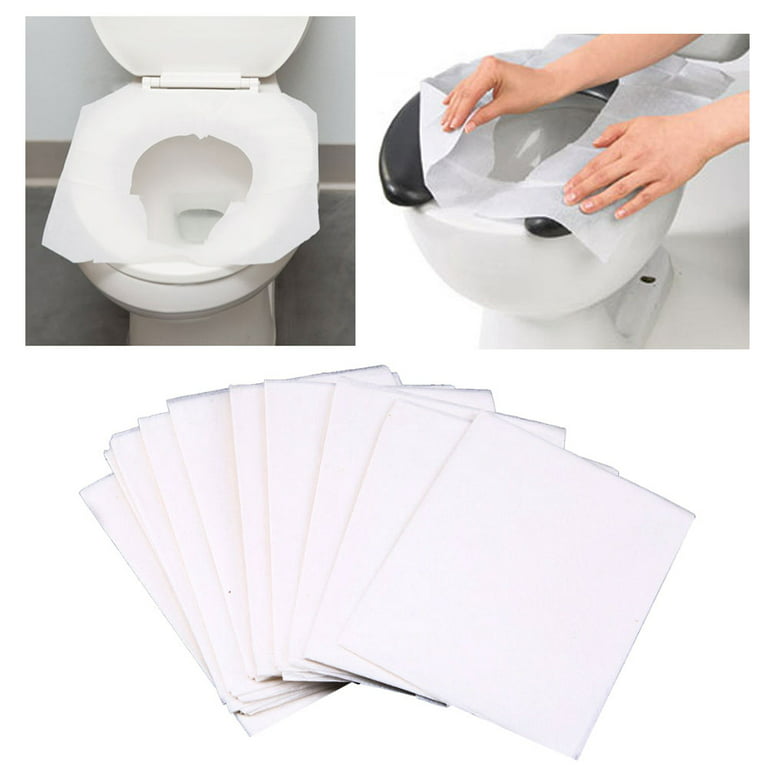
Paper is the most common material for disposable seat covers. It is soft, thin, and easy to fold. Paper covers are often treated to resist moisture. They offer good protection without feeling rough on the skin. These covers are cheap to produce and easy to throw away after use.
Biodegradable Fibers
Some covers use biodegradable fibers to reduce waste. These fibers come from plants like bamboo or sugarcane. They break down faster in nature than regular paper. Biodegradable covers are eco-friendly and safe to flush in some cases. They combine comfort with care for the environment.
Plastic Components
Plastic parts appear in some disposable covers. Thin plastic layers help stop water and germs from passing through. These plastics are usually very thin to keep the cover flexible. Some covers use biodegradable plastic to reduce pollution. Plastic helps improve hygiene but can affect how eco-friendly the cover is.

Credit: www.amazon.com
Eco-friendly Alternatives
Disposable toilet seat covers often raise concerns about waste and pollution. Eco-friendly alternatives help reduce harm to the environment. These options use materials that break down quickly or come from recycled sources. They provide a safer choice for nature without sacrificing hygiene.
Recycled Paper Options
Recycled paper is a popular material for eco-friendly seat covers. It uses old paper, reducing the need for new trees. These covers break down faster in landfills. They feel soft but still protect users effectively. Choosing recycled paper helps lower overall waste.
Plant-based Polymers
Plant-based polymers come from natural sources like corn or sugarcane. These materials replace traditional plastics in seat covers. They are biodegradable and compostable under the right conditions. These polymers offer strength and comfort. They reduce reliance on fossil fuels and cut pollution.
Compostable Materials
Compostable seat covers break down into natural elements quickly. They return nutrients to the soil, closing the waste loop. These materials include bioplastics and natural fibers. They require proper composting facilities to degrade fully. Compostable covers provide a clean, green alternative to plastic.
Manufacturing Process
The manufacturing process of disposable toilet seat covers involves several key steps. Each step ensures the covers are hygienic, safe, and easy to use. Understanding this process helps appreciate the care taken in producing these everyday items.
Material Sourcing
The first step is sourcing the right materials. Most covers are made from soft, biodegradable paper or thin plastic sheets. Suppliers provide these materials in large rolls. Quality checks ensure the materials are safe and durable. Choosing eco-friendly options is common to reduce waste.
Treatment And Coating
After sourcing, the materials go through treatment. This step adds a thin coating to make covers water-resistant. The coating prevents tearing and adds comfort. Some covers receive antibacterial treatment to improve hygiene. Treatments use safe, non-toxic substances that do not harm users.
Packaging Techniques
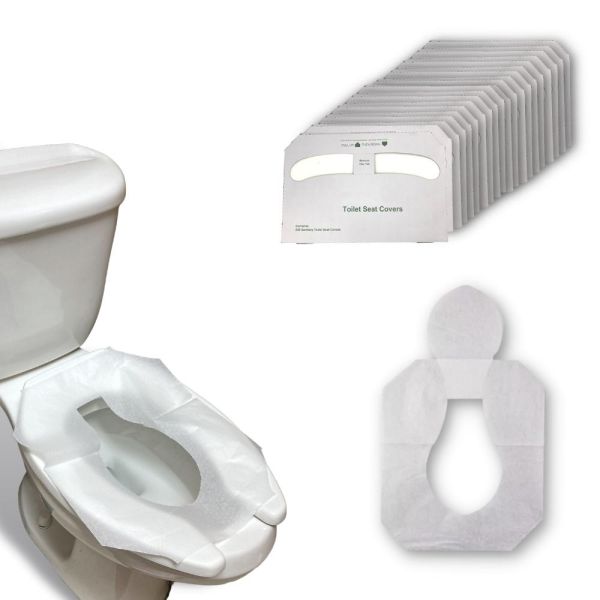
Once treated, covers are cut into individual pieces. Machines fold each cover neatly. Packaging protects covers from dirt and moisture. Packs are sealed tightly to keep covers clean. Packaging also includes easy-to-open designs for convenience in public restrooms.
Health And Safety Features
Disposable toilet seat covers offer more than just convenience. Their health and safety features protect users from germs and allergens. These covers use specific materials and treatments to keep you safe and comfortable. Understanding these features helps you choose the best cover for public or shared restrooms.
Antibacterial Treatments
Many disposable seat covers have antibacterial coatings. These coatings reduce harmful bacteria on the surface. They stop germs from spreading through contact. This feature lowers infection risks in busy restrooms. The treatments work without harsh chemicals, making them safe for skin.
Hypoallergenic Properties
Disposable covers often use hypoallergenic materials. These materials cause fewer allergic reactions. They avoid common irritants like latex or strong dyes. People with sensitive skin find these covers gentle to use. Hypoallergenic covers reduce redness and itching after contact.
Water-resistance
Water-resistant layers are common in disposable seat covers. They prevent liquids from soaking through the cover. This barrier protects your skin from germs and moisture. Water resistance also keeps the cover intact during use. It ensures a dry and clean surface every time.
Environmental Impact
Disposable toilet seat covers offer convenience and hygiene. Yet, their environmental impact matters. These covers often use materials that affect nature differently. Understanding their decomposition, waste problems, and sustainability helps us make better choices.
Decomposition Rates
Most disposable seat covers are made of paper or thin plastic. Paper covers break down faster than plastic ones. Paper can decompose in a few weeks if exposed to moisture. Plastic covers take years to degrade. Some plastics may never fully decompose, harming the soil and water.
Waste Management Challenges
Disposable seat covers add to bathroom waste. Many end up in regular trash, not recycling bins. This waste often goes to landfills. Landfills create methane gas, a harmful greenhouse gas. Proper disposal is rare because many do not know how to recycle these covers.
Sustainability Considerations
Choosing biodegradable or recycled materials can reduce harm. Some brands now offer eco-friendly covers made from sustainable fibers. These covers cause less pollution and waste. Reducing single-use products also helps protect the environment. Simple changes can make a big difference over time.
Credit: www.walmart.com
Choosing The Right Cover
Choosing the right disposable toilet seat cover matters for comfort and hygiene. The material affects safety and user experience. Cost and quality also play key roles. Personal preferences guide the final choice.
Material Suitability
Disposable toilet seat covers come in different materials. Most are made of thin paper or biodegradable fibers. Paper covers offer basic protection but may tear easily. Biodegradable options break down faster and are eco-friendly. Some covers have a plastic coating for extra moisture resistance. Choose a material that fits the restroom environment and personal comfort needs.
Cost Vs. Quality
Low-cost covers are often paper-based and less durable. They may tear or move during use. Higher quality covers tend to use stronger, more comfortable materials. These usually cost more but offer better protection. Consider how often covers are replaced and the budget. Balancing cost and quality ensures good value and hygiene.
User Preferences
Users may prefer different textures or thicknesses. Some want a soft feel, while others focus on strength. Fragrance-free covers suit people with sensitivities. Others may want eco-friendly or compostable covers. Understanding user needs helps choose the best disposable seat cover for any restroom setting.
Credit: www.packagingsuppliesbymail.com
Frequently Asked Questions
What Materials Are Disposable Toilet Seat Covers Made From?
Disposable toilet seat covers are primarily made from thin, hygienic paper or biodegradable pulp. Some covers include a water-resistant plastic coating to prevent moisture penetration. These materials ensure comfort, hygiene, and easy disposal after use.
Are Disposable Toilet Seat Covers Eco-friendly?
Many disposable toilet seat covers are made from biodegradable or recycled materials. However, some use plastic coatings that may not decompose easily. Choosing covers labeled as biodegradable ensures better environmental impact and safer disposal.
How Do Disposable Toilet Seat Covers Prevent Germs?
Disposable toilet seat covers create a barrier between the user and toilet surfaces. Their materials are designed to resist moisture and bacteria transfer. This helps reduce direct contact with germs, promoting personal hygiene in public restrooms.
Can Disposable Toilet Seat Covers Cause Allergies?
Most disposable toilet seat covers are made from hypoallergenic materials like paper pulp. However, some users may be sensitive to added chemicals or fragrances. It’s best to choose fragrance-free and chemical-free covers to minimize allergy risks.
Conclusion
Disposable toilet seat covers are usually made from soft paper or thin plastic. They offer a clean barrier between you and the toilet seat. Most covers are designed to dissolve quickly in water. This helps prevent clogs and protects the environment.
Many are biodegradable, breaking down naturally over time. They are simple to use and carry. Knowing what they are made of helps you choose the right one. Clean and safe bathroom visits become easier with these covers. A small step toward better hygiene and comfort.


