Are you curious about the latest changes in Formula 1 that could shake up the racing world? The new wheel covers in F1 are grabbing attention for a reason.
They’re not just a fresh look—they could change how cars perform on the track. If you want to understand how these sleek designs might boost speed, improve safety, and give teams a competitive edge, keep reading. This article will break down everything you need to know about these game-changing wheel covers and why they matter to every F1 fan like you.
F1 Wheel Covers Evolution
The evolution of F1 wheel covers shows how teams seek better speed and control. Wheel covers help reduce air drag around the tires. Over the years, their design changed a lot. Each change aimed to improve car performance and safety. Understanding this evolution helps fans see the sport’s technical side.
Early Designs
Early F1 wheel covers were simple and basic. Teams used flat covers to cut air resistance. They focused mostly on protecting the wheels from debris. These covers were not very detailed or shaped for airflow. The main goal was to keep the tires cleaner and safer. At that time, aerodynamics was less understood in racing.
Recent Trends
Recent wheel covers show more complex shapes and materials. Teams use lightweight and strong materials like carbon fiber. Designs now include vents and curves to guide airflow. These covers help cool brakes while reducing drag. Some covers even adjust based on speed or track conditions. Modern covers reflect advanced technology and detailed research.
Innovative Materials Used
The new wheel covers in Formula 1 use advanced materials to boost performance. These materials help reduce weight and increase strength. Teams focus on making the covers both light and tough. This balance improves speed and safety on the track.
Lightweight Composites
Lightweight composites are key in the new wheel covers. These materials combine carbon fiber with other fibers. This mix makes the covers strong but very light. Less weight means faster acceleration and better handling. Teams select composites that keep the covers thin and efficient.
Durability Enhancements
Durability is vital for wheel covers in F1. New coatings protect against heat and debris damage. These layers extend the life of the covers during races. Engineers test materials to resist wear and tear. Stronger covers reduce the risk of failures on track.
Aerodynamic Advances
The new wheel covers in Formula 1 bring important aerodynamic advances. These changes help cars move faster and handle better on the track. Engineers have focused on making airflow smoother around the wheels, which are usually a big source of drag. This helps teams gain precious seconds during a race.
Small changes in design can make a big difference. The wheel covers guide the air in a way that reduces turbulence. This leads to better stability and speed. Let’s explore how these aerodynamic advances work in detail.
Improved Airflow
The new wheel covers shape the air around the wheels more cleanly. They reduce the amount of air hitting the tires directly. This lowers drag and helps the car slice through the air easier. The design channels airflow toward key parts of the car.
By controlling airflow, the covers also reduce air pressure differences. This keeps the car steadier at high speeds. Smoother airflow means less energy is wasted fighting air resistance. The result is faster lap times and better fuel efficiency.
Downforce Impact
Downforce pushes the car down onto the track for better grip. The wheel covers help balance this force by managing air pressure around the wheels. They reduce lift that can make the car unstable in corners.
With improved downforce, drivers can take turns faster and with more confidence. The wheel covers also support other aerodynamic parts like the floor and rear wing. This teamwork boosts overall performance on tight and fast tracks.
Thermal Management Features
The new wheel covers in F1 cars focus heavily on thermal management features. Managing heat is crucial for performance and safety. The covers help control temperature around the wheels and brakes. This keeps parts from overheating and maintains optimal conditions during the race.
Heat Dissipation Techniques
The wheel covers use special materials that spread heat quickly. This stops hotspots from forming on the wheel surface. Small vents and channels in the covers guide hot air away. The design helps air flow smoothly, carrying heat off the wheels fast. This reduces the risk of tire and brake damage.
Brake Cooling Integration
Brake cooling is part of the new wheel cover design. The covers work with brake ducts to direct cool air precisely. This airflow cools the brake discs and pads during high-speed braking. The cooling system lowers the brake temperature, preventing brake fade. It helps drivers maintain control and braking power throughout the race.
Impact On Performance
The new wheel covers in F1 bring noticeable changes to car performance. They affect how the car moves through air and how tires behave during a race. These changes help drivers get better lap times and reduce tire wear. Small improvements in these areas can make a big difference in races.
Lap Time Improvements
New wheel covers reduce air drag around the wheels. Less drag means the car can go faster on straight tracks. The covers also improve airflow, which helps with cornering speed. Drivers can take turns more smoothly and quickly. These changes help shave seconds off each lap.
Tire Wear Reduction
The wheel covers help keep tires cooler by managing airflow better. Cooler tires last longer and keep their grip. This means fewer tire changes during the race. Less tire wear also means more consistent lap times. Teams can plan better and save time in the pits.

Credit: www.youtube.com
Team Adaptations
Teams in Formula 1 must quickly adjust to the new wheel covers. These changes affect car performance and handling. Each team uses different methods to fit these covers to their cars. The goal is to gain an advantage while following the rules. Adaptation is key to stay competitive on the track.
Customization Approaches
Teams design wheel covers to match their car’s aerodynamics. They test shapes and materials to reduce drag and improve speed. Some teams focus on cooling brakes better with their covers. Others try to balance weight and strength. Each approach reflects the team’s priorities and car design.
Driver Feedback
Drivers share their experience with the new wheel covers after testing. They report changes in car feel and cornering stability. Teams use this feedback to adjust the covers and car setup. Clear communication helps improve performance and driver confidence. The driver’s input is vital for fine-tuning.
Regulatory Considerations
New wheel covers in Formula 1 bring fresh design and performance changes. These changes must follow strict rules. Teams must ensure their designs meet all regulations. Safety and fairness are key concerns in these rules.
Understanding the regulatory framework helps explain why wheel covers look and work a certain way. This section breaks down the main rules and challenges teams face.
Fia Guidelines
The FIA sets clear rules for wheel covers. These rules focus on safety and fair competition. Wheel covers must not create extra risks for drivers. They also must not give unfair advantages.
The size, shape, and materials of wheel covers are controlled. Teams must get approval before using new designs. The FIA checks if covers meet all technical and safety standards.
Compliance Challenges
Teams find it hard to balance innovation with regulations. Designs that improve speed must still follow size limits. Materials must be strong but also light.
Testing is needed to prove covers do not harm safety. Teams must show covers do not affect car handling negatively. Constant updates to rules mean teams adapt quickly.
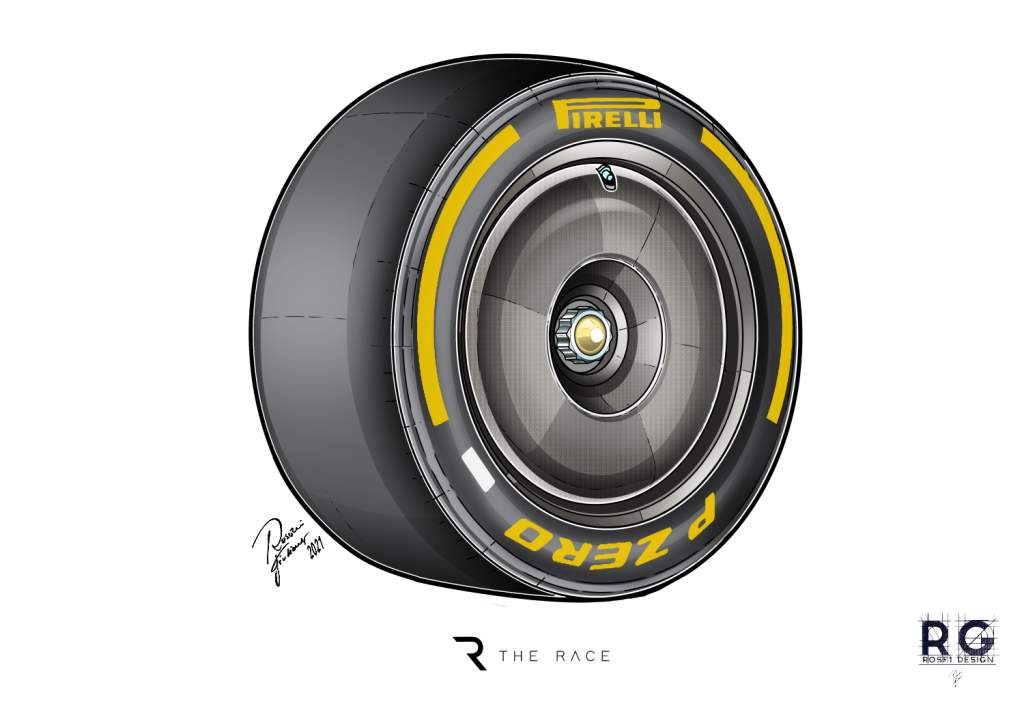
Credit: www.the-race.com
Future Prospects
The future of wheel covers in Formula 1 looks very promising. Engineers and designers continue to explore new ideas. These ideas aim to improve car performance and safety. The focus is on reducing air drag and cooling brakes better. The upcoming changes may also affect car handling and speed.
Upcoming Innovations
Teams are working on lighter materials for wheel covers. These materials help reduce the car’s weight. Lighter cars can accelerate faster and use less fuel. New shapes are being tested to control airflow more precisely. Some designs include adjustable parts to adapt to track conditions. Sensors might be added to monitor wheel temperature and pressure in real time. These changes could help drivers and teams make smarter decisions during races.
Potential Game Changers
One idea is to use active wheel covers that change shape at high speed. This could reduce air resistance on straights and increase grip in corners. Another concept involves integrating brake cooling systems directly into the covers. This would help keep brakes at optimal temperatures for longer. Some wheel covers might also improve tire wear by managing heat better. Such advances could impact race strategies and car setups. These developments make wheel covers a key area for future F1 innovation.

Credit: www.youtube.com
Frequently Asked Questions
What Are The New Wheel Covers In F1?
The new wheel covers in F1 are aerodynamic panels fitted over the wheels. They reduce drag and improve airflow, enhancing overall car performance and speed on the track.
How Do F1 Wheel Covers Improve Car Performance?
F1 wheel covers reduce aerodynamic drag and turbulence around the wheels. This improves stability, increases speed, and enhances tire management during races, giving teams a competitive edge.
Why Were Wheel Covers Reintroduced In F1?
Wheel covers were reintroduced to optimize aerodynamic efficiency under new technical regulations. They help teams meet performance goals while maintaining safety and compliance with FIA rules.
Are New F1 Wheel Covers Legal Under Current Regulations?
Yes, the new F1 wheel covers comply with FIA regulations. They are designed within strict guidelines to ensure safety and fairness in competition.
Conclusion
New wheel covers in F1 help cars move faster and use less fuel. They change how air flows around the wheels. This means better speed and control on the track. Teams will watch closely to see which covers work best.
Fans can expect more exciting races ahead. These simple parts show how small changes matter in racing. Keep an eye on F1 to see these wheel covers in action. The sport keeps evolving, one detail at a time.