
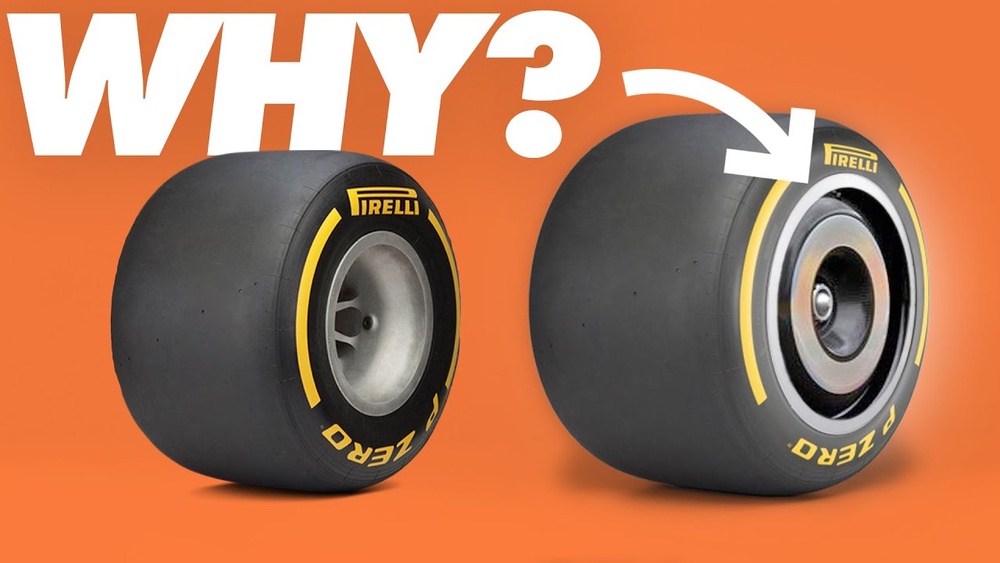
Have you ever noticed the smooth, shiny disks covering the wheels of some Formula 1 cars and wondered what they really do? These wheel covers aren’t just for looks—they play a crucial role in how the car performs on the track.
If you want to understand how something as simple as a cover can influence speed, handling, and even safety, you’re about to discover some surprising facts. Keep reading, and you’ll see why wheel covers in F1 are more important than you might think.

Credit: www.thedrive.com
Role Of Wheel Covers In F1
Wheel covers play an important role in Formula 1 racing. These covers are not just for looks. They help improve how the car performs on the track. Teams use wheel covers to make the car faster and more stable. Understanding their role helps us see how F1 teams get every bit of speed and control.
Enhancing Aerodynamics
Wheel covers smooth the airflow around the tires. Tires create a lot of air drag without covers. Covers reduce this drag by shaping the air to flow better. This means the car faces less resistance. Less resistance means higher speed on straight sections.
Impact On Tire Cooling
Wheel covers affect how air reaches the tires. Tires need cooling to avoid overheating. Covers control the airflow to cool the brakes and tires. Proper cooling keeps tire grip strong during the race. Too little cooling can cause tire damage or loss of performance.
Influence On Vehicle Stability
Wheel covers help keep the car stable at high speeds. They manage air pressure around the wheels. This reduces unwanted lift and side forces. Stable airflow helps the car stay balanced in corners. It improves driver control and safety during fast turns.
Design And Materials
Wheel covers in Formula 1 cars play a key role in improving performance. Their design and materials are chosen carefully. These covers help reduce air resistance and keep the wheels cool. Every detail matters in the design process to achieve the best results on the track.
Common Materials Used
Wheel covers are made from strong, light materials. Carbon fiber is the most popular choice. It is very light and tough. Sometimes, engineers use special plastics for certain parts. These materials help keep the weight low and the cover strong.
Shape And Size Variations
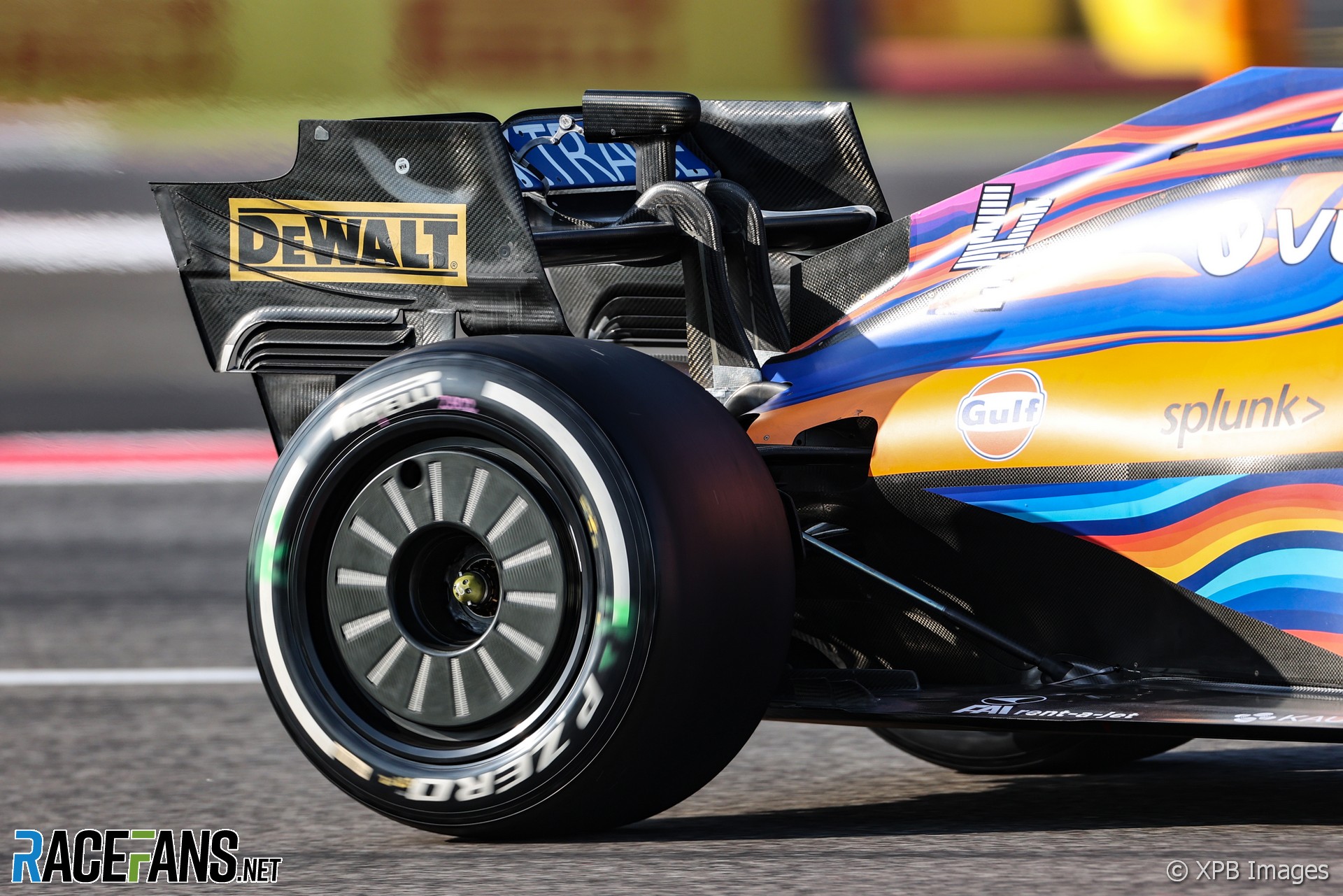
Wheel covers come in many shapes and sizes. Their design depends on the car model and track type. Some covers are flat and smooth to reduce drag. Others have small vents to allow air flow. The shape is always tested to improve speed and handling.
Integration With Wheel Components
Wheel covers must fit perfectly with brakes and suspension parts. Designers work closely with engineers to ensure this. The covers do not block brake cooling or wheel movement. They attach securely but are easy to remove during pit stops.
Historical Development
Wheel covers in Formula 1 have a rich history. They have evolved alongside car designs and racing rules. Their development shows how teams seek better speed and control.
Early Uses In Racing
Early wheel covers were basic and focused on protection. They helped keep debris away from tires. This made races safer and tires last longer. Teams used simple shapes to reduce drag.
Technological Advances Over Time
Wheel covers became more aerodynamic over the years. New materials made them lighter and stronger. Designs started to channel air better around the wheels. Some covers even helped cool the brakes more efficiently.
Notable Teams And Innovations
Several F1 teams pushed wheel cover designs forward. Teams like McLaren and Mercedes tested unique shapes. They aimed to improve car balance and speed. Their innovations often influenced rules and trends in F1.
Credit: www.racefans.net
Regulations And Restrictions
Wheel covers in Formula 1 are not just about looks or speed. They must follow strict rules. These rules keep the sport fair and safe. Teams need to design wheel covers within limits set by the FIA. Understanding these rules helps fans see why wheel covers look and work as they do.
Fia Rules On Wheel Covers
The FIA sets clear rules for wheel covers in F1. They control size, shape, and materials used. Wheel covers cannot interfere with car safety features. They must not block access to brakes or suspension parts. The rules ensure no team gains an unfair advantage. All teams must follow these rules during races and tests.
Recent Changes And Their Effects
The FIA recently updated wheel cover rules. These changes aimed to reduce aerodynamic risks. Teams now use simpler and safer designs. New rules limit how much wheel covers can help airflow. Some teams lost speed, but safety improved. These updates also help keep costs down for teams.
Debates On Fairness And Safety
Wheel covers raise questions about fairness and safety. Some say covers can hide illegal parts. Others worry covers might cause accidents if they break. Fans and experts often discuss if rules are strict enough. The FIA listens and changes rules to balance safety and competition. This debate continues as technology evolves.
Performance Benefits
Wheel covers in F1 cars offer several key performance benefits. They help improve the car’s speed, tire life, and fuel use. These covers are designed to make the car more efficient on the track. Understanding these benefits shows why teams use wheel covers.
Reducing Drag And Increasing Speed
Wheel covers smooth the airflow around the wheels. This reduces drag, which is air resistance that slows the car down. Less drag means the car can go faster with the same power. It helps F1 cars reach higher top speeds on straight tracks. Faster lap times often come from better drag reduction.
Improving Tire Lifespan
Wheel covers also protect tires from debris and heat. They keep tires cooler by managing airflow around them. Cooler tires wear down more slowly. This means drivers can keep their tires longer during a race. Better tire life helps teams plan fewer pit stops and maintain strong performance.
Optimizing Fuel Efficiency
Lower drag from wheel covers reduces fuel consumption. The engine needs less power to overcome air resistance. This saves fuel, allowing the car to run longer on a tank. Less fuel weight also improves handling and speed. Fuel efficiency is critical in F1 to balance speed and race strategy.

Credit: www.autosport.com
Challenges And Limitations
Wheel covers in Formula 1 offer aerodynamic benefits but come with challenges and limits. Teams must balance performance gains with practical issues. These covers affect heat, risk damage, and add costs. Understanding these limits is key for their use.
Heat Management Issues
Wheel covers can trap heat inside the brakes and tires. This causes higher temperatures, risking brake failure or tire wear. Cooling systems must work harder to avoid overheating. Poor heat management can reduce car safety and speed.
Potential For Damage
Wheel covers are delicate and can get damaged easily. Debris on the track can crack or break them. Damage affects aerodynamics and car balance. Teams must fix or replace covers quickly during races.
Cost And Maintenance
Wheel covers add extra costs to the team budget. They require careful design and materials to be light and strong. Maintenance takes time and skilled labor. Frequent repairs increase overall expenses for teams.
Future Trends
The future of wheel covers in F1 is full of exciting changes. Technology and materials keep evolving. These changes aim to improve speed and safety. Teams focus on innovation to gain a small edge. Every detail matters in such a fast sport. The next generation of wheel covers will be smarter and lighter. They will help drivers and teams perform better on the track.
Innovative Materials
New materials will make wheel covers lighter and stronger. Carbon fiber remains popular but with better designs. Scientists explore composites that resist heat and damage. Lighter covers reduce the car’s overall weight. This helps the car accelerate and brake faster. Stronger materials protect wheels from debris and impacts. This means fewer pit stops and better race results.
Smart Wheel Covers With Sensors
Future wheel covers may have built-in sensors. Sensors can monitor tire temperature and pressure in real time. This data helps teams make faster decisions during races. Drivers can receive alerts about tire health instantly. Sensors could also track wheel alignment and brake performance. This technology increases safety and improves car handling. Teams gain detailed insights without extra equipment.
Potential Impact On Racing Strategies
Advanced wheel covers will change race strategies significantly. Real-time data allows teams to plan pit stops better. They can avoid tire failures and optimize tire usage. Faster repairs can be done with easy-to-remove covers. Teams may adjust driving styles based on sensor feedback. This leads to more precise and flexible strategies. Smarter wheel covers give teams a tactical advantage on track.
Frequently Asked Questions
What Are Wheel Covers In F1 Racing?
Wheel covers in F1 are aerodynamic components fitted over wheels. They reduce drag and improve airflow around the car. This enhances speed and stability during a race.
Why Do F1 Cars Use Wheel Covers?
F1 cars use wheel covers to minimize air turbulence. This reduces drag and increases overall car performance. It helps drivers maintain higher speeds on straights.
How Do Wheel Covers Impact F1 Car Performance?
Wheel covers improve airflow, reducing aerodynamic drag. This leads to better fuel efficiency and faster lap times. They also stabilize the car at high speeds.
Are Wheel Covers Mandatory In Formula 1?
Wheel covers are not mandatory but are strategically used. Teams adopt them based on track conditions to optimize performance. Regulations allow their use within certain limits.
Conclusion
Wheel covers in F1 help cars go faster by cutting air drag. They protect wheels and improve airflow around the car. Teams use them to gain small but important advantages. These covers are simple but play a key role in racing.
Understanding wheel covers shows how detailed F1 technology is. They are part of what makes the sport exciting and fast. Knowing about them adds to the fun of watching races.


