

Have you ever noticed that shiny part right in the middle of your car’s wheel? That little cover might seem simple, but it plays a bigger role than you think.
Understanding what covers the wheel on your car can help you keep it looking great and protect important parts underneath. Stick with me, and you’ll discover why this small piece matters and how it affects your car’s performance and style.
Ready to learn more? Let’s dive in!
Wheel Components
The parts that cover a car’s wheel protect it and add style. These parts vary by design and function. Understanding them helps you know what you see on a car’s wheel.
Each component has a unique role in the wheel’s look and protection. Let’s explore the main parts that cover the wheel.
Hubcaps
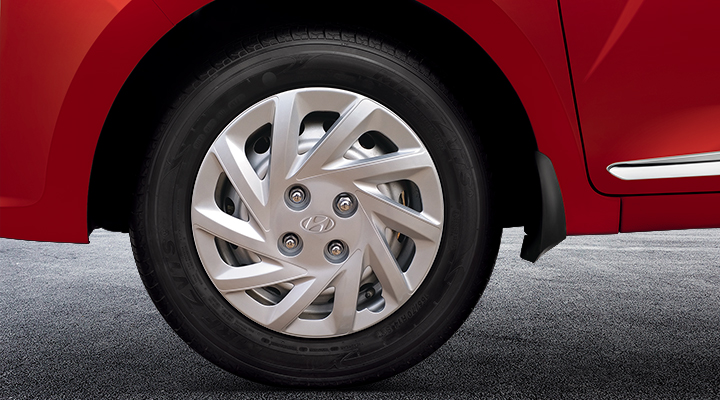
Hubcaps are simple covers that fit over the wheel hub. They protect the wheel bolts from dirt and rust. Hubcaps are usually made of plastic or metal. They come in many designs and colors. Hubcaps are easy to remove and replace.
Wheel Covers
Wheel covers are larger than hubcaps and cover the entire wheel face. They hide the steel wheels beneath. Wheel covers improve the car’s appearance. They also protect the wheel from dirt and scratches. These covers often snap onto the wheel.
Rims And Alloy Wheels
Rims are the metal edges that hold the tire in place. Alloy wheels are made from a mix of metals like aluminum. They are lighter and stronger than steel wheels. Alloy wheels often have stylish designs. They help the car run smoothly and look good.
Credit: hyundaimobisin.com
Functions Of Wheel Covers
Wheel covers serve more than one purpose on a car. They protect, decorate, and improve how the car moves. Understanding these functions helps to see why wheel covers are common on many vehicles.
Protection From Dirt And Debris
Wheel covers shield the wheels from dirt and debris on the road. They stop mud, stones, and dust from sticking to the wheel surface. This protection helps keep the wheels clean and reduces damage. It also lowers the need for frequent cleaning and maintenance.
Aesthetic Appeal
Wheel covers change the look of a car. They come in many designs and colors. This allows car owners to match or improve their car’s style. A shiny or stylish cover can make an old car look newer and more attractive.
Aerodynamics Benefits
Wheel covers can improve a car’s aerodynamics. They smooth the airflow around the wheels. This reduces air resistance while driving. Less resistance helps the car use fuel more efficiently and can improve speed.
Materials Used For Wheel Covers
Wheel covers protect the car’s wheels and add style. They come in different materials. Each material has its own benefits and features. Understanding these helps you know what covers your car’s wheels.
Plastic Covers
Plastic is the most common material for wheel covers. It is lightweight and easy to shape. Plastic covers often look like metal but cost less. They resist rust and corrosion well. Plastic covers can break if hit hard.
Metal Covers
Metal covers offer strong protection for wheels. They are often made of aluminum or steel. Metal covers last longer than plastic ones. They give a shiny, polished look to the wheels. Metal covers may weigh more and can rust if not treated.
Composite Materials
Composite materials combine plastic with other substances. This mix improves strength and durability. Composites resist dents and scratches better than plastic alone. They remain lightweight but tougher. Composite covers often cost more but last longer.

Credit: www.youtube.com
Types Of Wheel Covers
Wheel covers come in different styles and designs. They protect the wheel and add style to your car. Each type fits differently and offers unique benefits. Understanding these types helps you choose the right cover for your vehicle.
Snap-on Covers
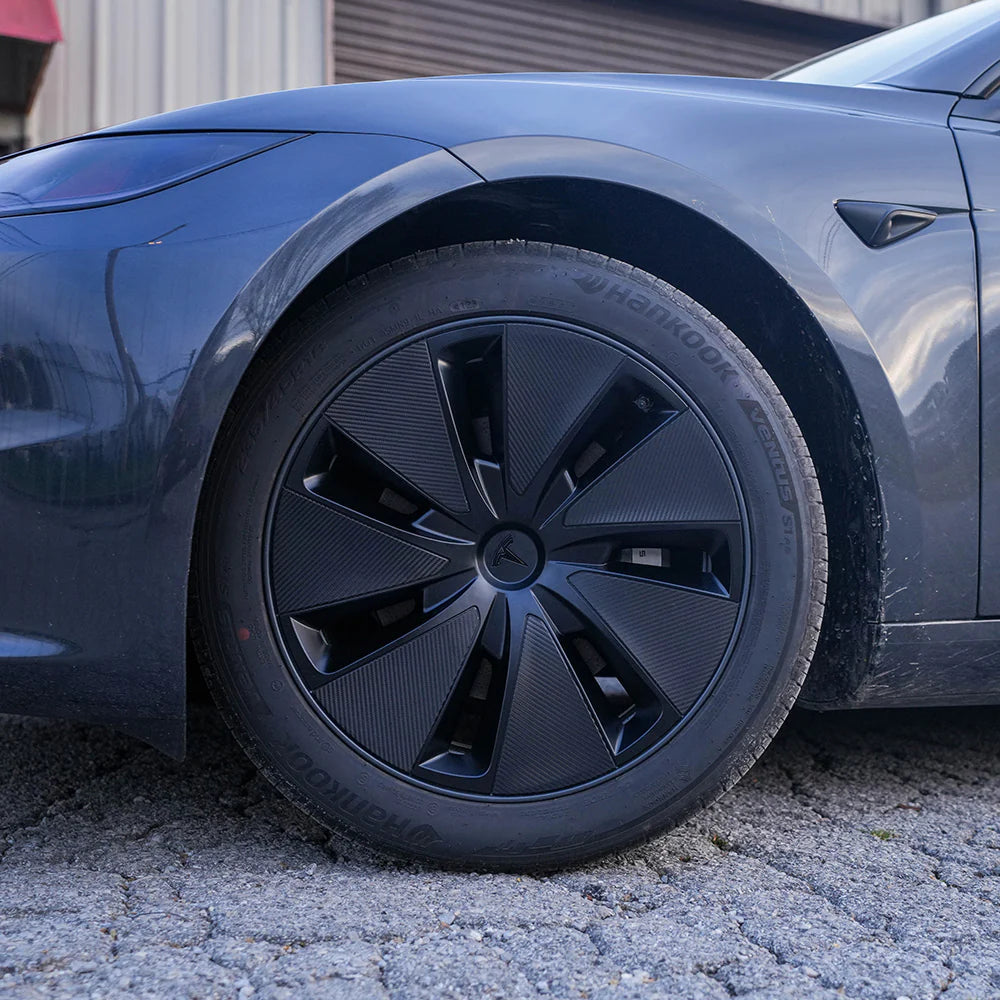
Snap-on covers are easy to install. They simply snap onto the wheel rim. Most cars use this type because it is quick and affordable. These covers are made from plastic but look like metal. They provide basic protection from dirt and damage.
Bolt-on Covers
Bolt-on covers attach with bolts or screws. They fit tightly and stay secure during driving. This type offers stronger protection than snap-on covers. Bolt-on covers are common for larger wheels and trucks. They need tools for installation and removal.
Custom And Decorative Covers
Custom covers are made to match your style. They come in many colors and designs. Some have logos or patterns that stand out. Decorative covers improve the car’s look and make it unique. These covers may be snap-on or bolt-on based on design.
Maintenance Tips
Proper maintenance helps your wheel covers last longer and look better. Regular care prevents damage and keeps them clean. Simple steps improve the wheel cover’s performance and appearance.
Cleaning Methods
Use mild soap and water to clean wheel covers. Avoid strong chemicals that can damage the finish. Soft cloths or sponges work best for cleaning. Rinse well to remove all soap and dirt. Dry with a clean towel to prevent water spots.
Inspection For Damage
Check wheel covers for cracks or dents regularly. Look closely at the edges and clips for any breaks. Small damages can lead to bigger problems over time. Early detection helps avoid costly repairs or replacements.
Replacement Guidelines
Replace wheel covers that are cracked or broken. Do not use covers that do not fit properly. Choose covers made for your car’s wheel size. Secure the covers tightly to prevent them from falling off.
Common Issues With Wheel Covers
Wheel covers protect car wheels and improve their look. They also help keep dirt and dust away from the wheel parts. Despite these benefits, wheel covers can face some common problems. These issues can affect how well the covers fit and how they look. Understanding these problems helps in keeping the wheel covers in good shape.
Loose Or Falling Covers
Wheel covers can become loose over time. This happens due to poor fitting or rough driving. Loose covers may make noise while driving. They can also fall off on the road. A falling cover can cause safety issues for other drivers. Regular checks keep covers tight and safe.
Scratches And Cracks
Scratches and cracks are common on wheel covers. They happen from hitting curbs or stones. Weather changes like sun and rain also cause damage. Damaged covers look old and worn out. Replacing scratched or cracked covers keeps the car looking nice.
Compatibility Problems
Not all wheel covers fit all cars. Some covers are made for specific wheel sizes. Using the wrong size causes poor fit and damage. Compatibility problems also make covers fall off easily. Checking the size and style before buying solves this issue.
Credit: shop.teslarati.com
Frequently Asked Questions
What Is A Car Wheel Cover Called?
A car wheel cover is commonly called a hubcap or wheel trim. It protects the wheel hub and lug nuts. Hubcaps also enhance the car’s appearance and can improve aerodynamics slightly.
Why Do Cars Have Wheel Covers?
Wheel covers protect the wheel bolts and hubs from dirt, moisture, and rust. They also improve the vehicle’s aesthetic appeal and can reduce wind resistance for better fuel efficiency.
Are All Car Wheels Covered With Hubcaps?
No, not all car wheels have hubcaps. Many modern cars use alloy wheels that don’t require covers. Hubcaps are more common on steel wheels for protection and style.
Can Wheel Covers Affect Car Performance?
Wheel covers have minimal impact on performance. Properly fitted covers can reduce aerodynamic drag slightly. However, poorly installed covers might cause noise or vibration issues.
Conclusion
Wheel covers protect your car’s wheels and improve looks. They keep dirt and dust away from the rims. Many cars have plastic or metal wheel covers that snap on easily. Some drivers choose custom covers to show personal style. Regular cleaning helps wheel covers last longer and stay shiny.
Knowing what covers the wheel helps you care for your car better. Choose the right cover for your needs and budget. Simple steps keep your wheels safe and your car looking good.


