

If you drive a diesel vehicle, you might wonder, “How often should I change my diesel fuel filter?” It’s a simple question, but the answer can save you from costly repairs and keep your engine running smoothly. Your diesel fuel filter plays a crucial role in protecting your engine from dirt and debris.
Ignoring it could lead to poor performance or even engine damage. You’ll discover the right timing to change your diesel fuel filter and why it matters for your vehicle’s health. Keep reading to learn the easy steps to avoid trouble and keep your diesel engine in top shape.
Credit: bostechauto.com
Role Of Diesel Fuel Filter
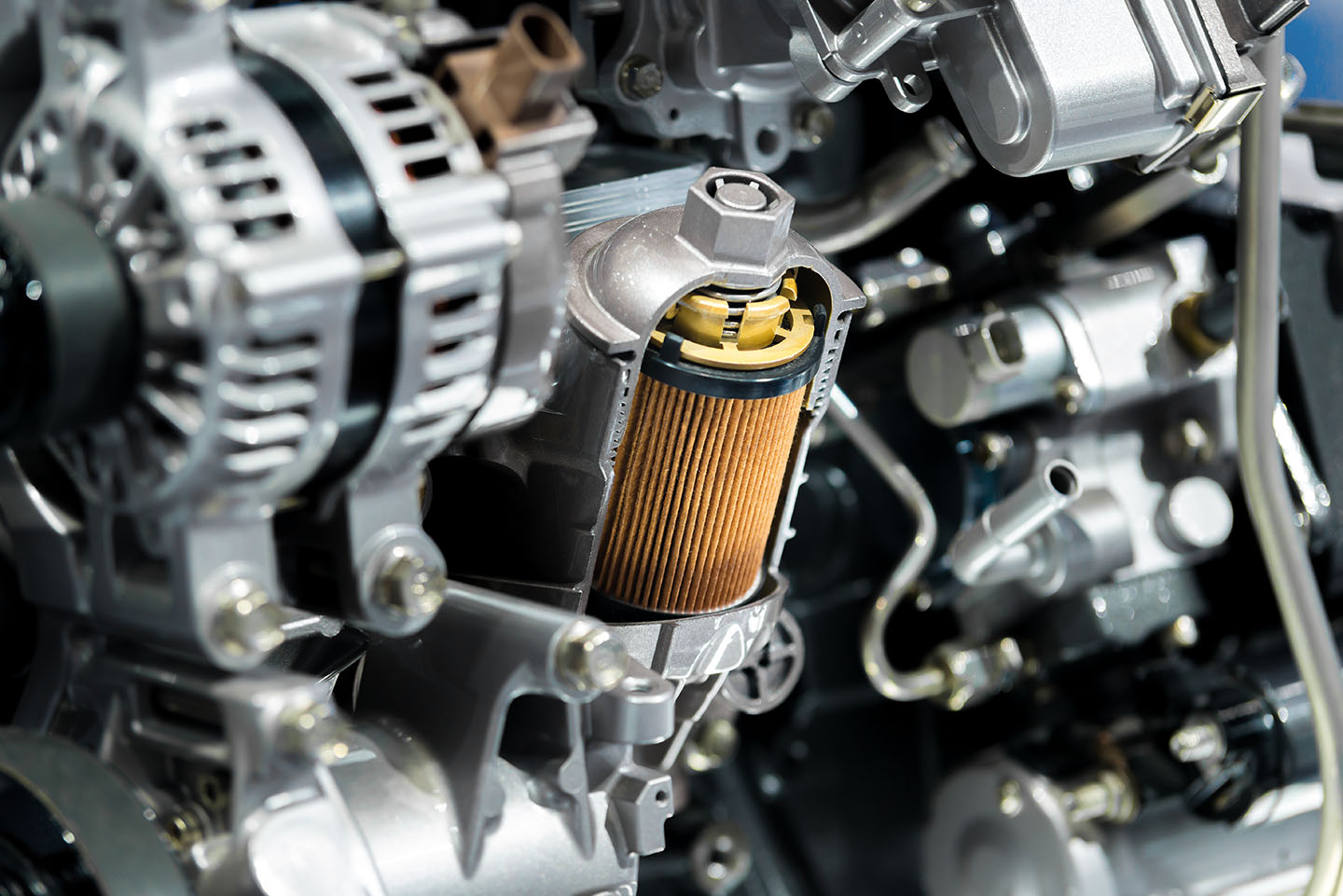
The diesel fuel filter plays a key role in protecting your engine. It removes dirt, rust, and water from the diesel fuel before it reaches the engine. Clean fuel helps the engine run smoothly and last longer. Without a good filter, harmful particles can damage engine parts quickly.
Changing the fuel filter regularly keeps the engine safe and efficient. It also prevents costly repairs and breakdowns. Understanding how the filter works can help you care for your vehicle better.
Fuel Filtration Basics
The fuel filter acts like a barrier. It stops dirt and debris from entering the fuel system. Diesel fuel often contains tiny particles that can clog injectors. The filter traps these particles to keep the fuel clean. It also removes water, which can cause rust and engine damage.
Most filters use a paper or mesh element to catch impurities. Over time, these elements fill up and need replacing. A clogged filter reduces fuel flow and engine power.
Impact On Engine Performance
A clean fuel filter improves engine performance. It ensures steady fuel flow and proper combustion. With clean fuel, the engine starts easily and runs smoothly. It also helps reduce emissions and saves fuel.
A dirty or old filter can cause engine problems. You may notice rough idling, loss of power, or hard starting. Ignoring the fuel filter can lead to injector damage and costly repairs. Regular filter changes keep your engine healthy and reliable.
Signs Of A Clogged Fuel Filter
A clogged diesel fuel filter can cause several problems for your engine. It blocks the flow of fuel, which affects the engine’s performance. Knowing the signs of a clogged fuel filter helps you avoid bigger issues and costly repairs.
Watch for changes in how your engine starts, fuel usage, and noises. These signs show the fuel filter might need changing soon.
Engine Starting Issues
Hard starting or failure to start often points to a clogged fuel filter. The engine may crank longer or stall right after starting. Poor fuel flow makes it hard for the engine to get enough fuel.
Reduced Fuel Efficiency
A dirty fuel filter lowers fuel efficiency. The engine works harder to get fuel, using more diesel. You might notice you fill the tank more often than usual.
Unusual Engine Noises
Strange noises like sputtering or knocking can signal fuel flow problems. These sounds appear because the engine struggles without steady fuel supply. Pay attention to any new or odd engine noises.
Recommended Replacement Intervals
Knowing the right time to change your diesel fuel filter is key to keeping your engine healthy. Replacing the filter at the right interval stops dirt and water from harming the fuel system. This saves you from costly repairs and keeps your vehicle running smoothly.
Recommended replacement intervals vary based on many factors. Following the correct schedule helps maintain fuel efficiency and engine performance. Let’s explore the main guidelines and what affects how often you should change the filter.
Manufacturer Guidelines
Vehicle makers set a recommended time or mileage for changing fuel filters. This advice comes from tests that show how long filters work well. Common recommendations range from 10,000 to 25,000 miles.
Check your owner’s manual for the exact interval for your model. Some manufacturers suggest replacing the filter yearly regardless of miles. Sticking to these guidelines keeps warranties valid and engines safe.
Factors Influencing Frequency
Several conditions can change how often you need to replace your fuel filter. Driving in dusty or dirty areas clogs filters faster. Using poor quality or contaminated diesel also wears filters quickly.
Short trips and stop-and-go traffic can make fuel filters dirty sooner. Cold climates may cause water in fuel to freeze, damaging filters. Paying attention to these factors helps decide if you need earlier changes.

Credit: blog.highflowfuel.com
Steps To Replace Diesel Fuel Filter
Replacing a diesel fuel filter is important for keeping your engine clean and running smoothly. The process is simple if you follow the right steps. This guide breaks down the task into easy parts.
Tools Needed
- New diesel fuel filter
- Wrenches or socket set
- Clean container for fuel
- Gloves and safety glasses
- Rags or paper towels
- Fuel line disconnect tool (if required)
Safety Precautions
Wear gloves and safety glasses to protect yourself from fuel spills. Work in a well-ventilated area to avoid inhaling fumes. Make sure the engine is off and cool before starting. Dispose of old fuel and filter parts safely. Avoid open flames or sparks near the workspace.
Step-by-step Replacement
- Locate the fuel filter; check your vehicle manual if unsure.
- Place a container under the filter to catch spilled fuel.
- Loosen the fuel lines connected to the filter carefully.
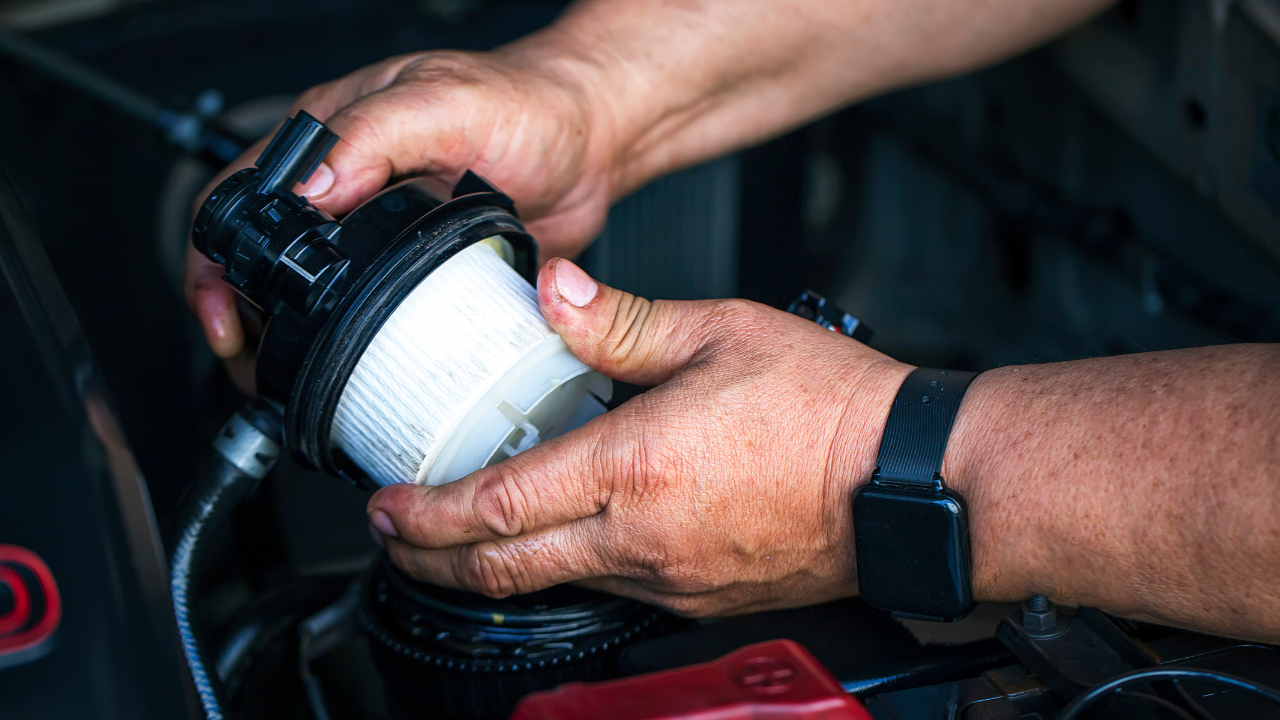
- Remove the old filter by unscrewing or unclipping it.
- Install the new filter in the same position as the old one.
- Reconnect the fuel lines securely to avoid leaks.
- Prime the fuel system if required to remove air.
- Start the engine and check for leaks or issues.
Consequences Of Neglecting Filter Changes
Neglecting to change your diesel fuel filter can cause serious problems. The filter traps dirt and debris that damage your engine. Over time, a clogged filter restricts fuel flow. This leads to poor engine performance and higher fuel use.
Ignoring filter changes puts your engine at risk. It also raises repair costs. These consequences make regular filter maintenance very important.
Engine Damage Risks
A dirty fuel filter lets contaminants reach the engine. These particles wear down engine parts fast. Damage to fuel injectors is common and costly. The engine may run rough or stall. Overheating and reduced power can follow. This shortens the engine’s life and hurts reliability.
Increased Repair Costs
Skipping filter changes causes bigger problems later. Repairing damaged engine parts costs much more than replacing a filter. Fuel system repairs can require expensive parts and labor. Regular filter changes save money by avoiding major repairs. Staying on schedule prevents costly breakdowns and downtime.
Tips For Extending Fuel Filter Life
Extending the life of your diesel fuel filter saves money and avoids engine problems. Proper care helps keep your vehicle running smoothly for longer. Follow simple tips to protect your fuel filter and get the best performance from your diesel engine.
Using Quality Fuel
Choose clean, high-quality diesel fuel. Poor fuel contains dirt and water that clog filters fast. Buying from trusted stations reduces risks. Avoid buying fuel from unknown or low-quality sources. Clean fuel helps your filter work better and last longer.
Regular Maintenance Checks
Check your fuel filter regularly for signs of damage or dirt. Change the filter as recommended by the vehicle manufacturer. Inspect fuel lines and connections for leaks or cracks. Keeping your fuel system clean prevents filter clogging. Routine checks catch problems early and extend filter life.
Credit: universalautospares.com.au
Frequently Asked Questions
How Often Should I Replace My Diesel Fuel Filter?
Typically, replace your diesel fuel filter every 10,000 to 25,000 miles. Check your vehicle’s manual for exact intervals. Regular changes prevent clogs and maintain engine performance.
What Happens If I Don’t Change The Diesel Fuel Filter?
Ignoring filter changes can cause fuel flow issues, engine misfires, and poor fuel efficiency. Contaminants can damage injectors and reduce engine life.
Can I Change The Diesel Fuel Filter Myself?
Yes, with basic tools and safety precautions, you can replace the diesel fuel filter. Follow your vehicle manual and properly dispose of old filters.
How Do I Know If My Diesel Fuel Filter Needs Changing?
Signs include hard starts, engine hesitation, reduced power, and increased fuel consumption. Check if the filter looks dirty or clogged.
Conclusion
Changing your diesel fuel filter regularly keeps your engine healthy. Dirty filters can block fuel flow and cause problems. Check your vehicle’s manual for the right schedule. Generally, changing the filter every 10,000 to 15,000 miles works well. Watch for signs like rough idling or poor performance.
Clean fuel helps your engine run smoothly and last longer. Don’t wait too long to replace the filter. A simple change can save you costly repairs later. Keep your diesel engine in top shape with timely fuel filter changes.


