

Have you ever stopped to wonder what toilet seat covers really protect you from? You might think they’re just a simple barrier, but there’s more going on than you realize.
When you sit down in a public restroom, your skin comes into contact with germs, bacteria, and even viruses that can cause infections or illnesses. But how effective are these covers? And what exactly do they shield you from? Keep reading to discover the surprising truth about toilet seat covers and how they help keep you safe every time you use a public toilet.
Understanding this can change the way you think about hygiene on the go.
Types Of Toilet Seat Covers
Toilet seat covers help protect you from germs and bacteria on public or shared toilets. They create a barrier between your skin and the toilet seat. Different types of covers offer various levels of protection and convenience. Understanding these types can help you choose the best option for your needs.
Disposable Paper Covers
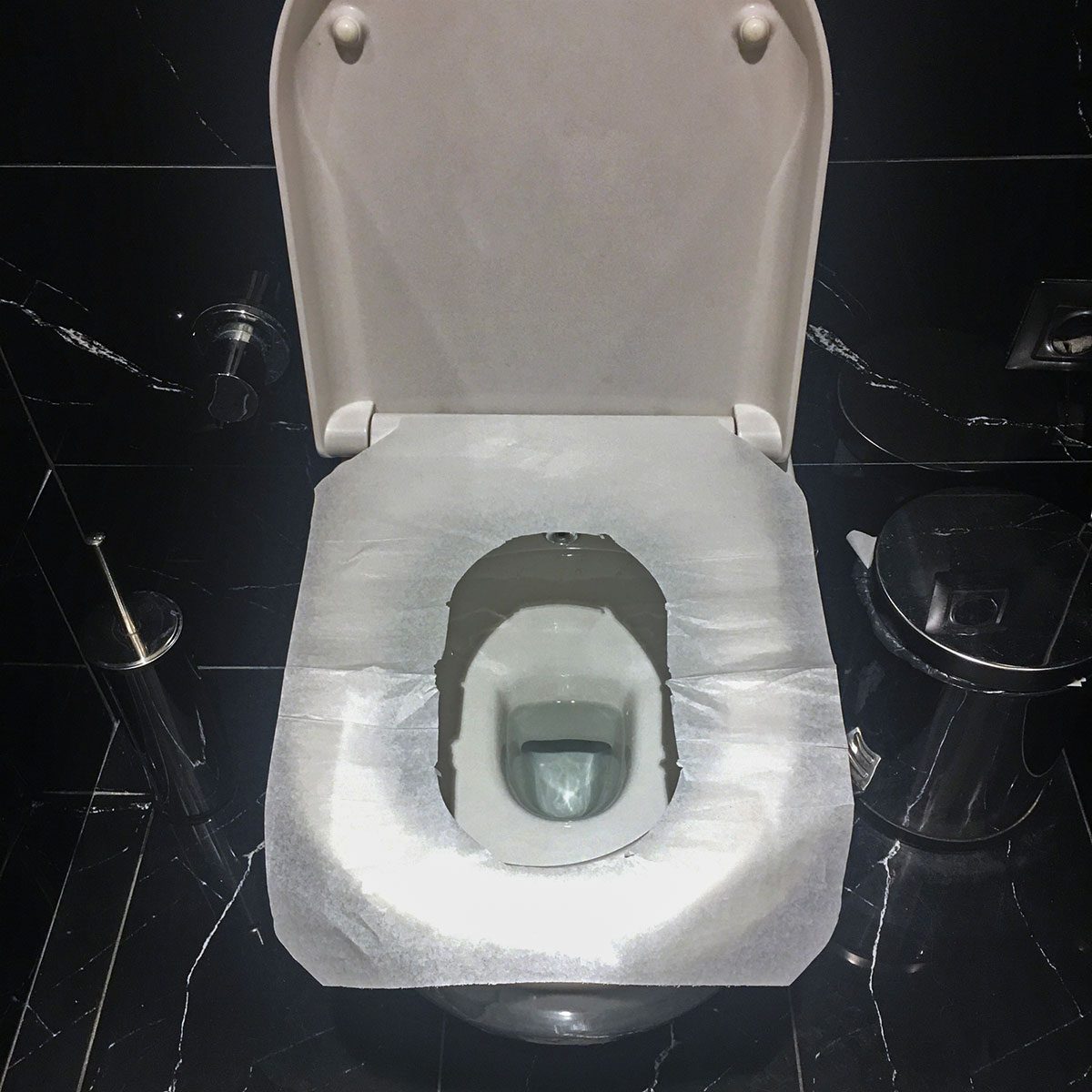
Disposable paper covers are thin sheets made of paper. They are designed for one-time use only. You place them on the toilet seat before sitting. These covers are light and easy to carry. They provide a simple shield against germs. After use, you throw them away. They are common in public restrooms.
Reusable Plastic Covers
Reusable plastic covers are made from washable materials. They fit over the toilet seat snugly. You can clean and use them multiple times. These covers offer stronger protection than paper ones. They prevent direct contact with germs and liquids. Carrying one can be handy for frequent travelers. Cleaning them regularly keeps them safe to use.
Sanitizing Spray And Wipes
Sanitizing sprays and wipes clean the toilet seat before use. They kill bacteria and viruses on the surface. Sprays are quick to apply and dry fast. Wipes allow you to physically remove dirt and germs. These options do not cover the seat but disinfect it. They are useful when covers are unavailable. Using them reduces the risk of infections.

Credit: www.youtube.com
Common Germs On Toilet Seats
Toilet seats can carry many germs. These germs can cause illnesses. Knowing what types of germs live on toilet seats helps you stay safe. Toilet seat covers create a barrier. They protect you from touching these germs directly.
Bacteria Types
Bacteria are common on toilet seats. Some types include E. coli and Staphylococcus. E. coli can cause stomach problems and infections. Staphylococcus may lead to skin infections. These bacteria survive on surfaces for hours. Toilet seat covers reduce contact with these harmful bacteria.
Viruses Present
Viruses can also be found on toilet seats. Norovirus and Hepatitis A are common examples. Norovirus causes stomach flu and vomiting. Hepatitis A affects the liver. Viruses spread through tiny droplets or contact. Using toilet seat covers lowers the chance of virus transfer.
Fungal Contaminants
Fungi like yeast and mold can grow on toilet seats. These fungi cause skin irritation and infections. They thrive in moist places like bathrooms. Fungal infections can be hard to treat. Toilet seat covers help keep fungi away from your skin.
How Germs Spread On Toilet Seats
Toilet seats often seem clean, but germs can spread easily on them. Understanding how germs move helps protect your health. Germs travel in different ways and can cause infections.
Direct Contact
Touching a toilet seat transfers germs to your skin. These germs can enter your body if you touch your face later. Sitting or placing your hands on the seat spreads bacteria quickly.
Aerosolization
Flushing the toilet sends tiny water droplets into the air. These droplets carry germs that land on the seat and nearby surfaces. Breathing or touching these surfaces can pass germs to you.
Cross-contamination
Using the toilet and then touching other objects spreads germs. Germs move from the seat to your hands, then to door handles, phones, or sinks. This chain spreads germs far beyond the bathroom.
Effectiveness Of Toilet Seat Covers
Toilet seat covers are common in public restrooms. Many people use them hoping to avoid germs and bacteria. But how effective are these covers? This section explores their true protection level.
Barrier Protection
Toilet seat covers act as a thin barrier between skin and the seat. They help block direct contact with dirt and germs. This reduces the chance of picking up bacteria and viruses from the surface.
Most covers are made of paper or thin plastic. They offer some protection against liquids and solids. This barrier makes using public toilets feel cleaner and safer.
Limitations And Gaps
Toilet seat covers have limits. They do not cover the entire seat perfectly. Gaps at the edges can let germs reach your skin. Also, germs in the air or on hands can still cause infection.
Many germs survive on toilet seats and covers. Some bacteria and viruses are tough and pass through thin covers. Covers do not protect against all types of germs or infections.
Scientific Studies
Research shows low risk of getting sick from toilet seats. Most germs found on seats are not harmful to healthy people. Studies suggest that using covers helps, but is not necessary for safety.
Experts say hand washing is more important than covers. Good hygiene reduces infection risk better than any cover. Covers mainly provide peace of mind rather than full protection.
Infections Linked To Toilet Seat Use
Toilet seats can carry many germs and bacteria. These can cause infections if they come into contact with your skin or private areas. Using toilet seat covers creates a barrier. This barrier helps reduce the risk of catching certain infections.
Urinary Tract Infections
Urinary tract infections (UTIs) happen when bacteria enter the urinary system. Germs on toilet seats can spread bacteria to sensitive areas. Sitting on a dirty seat may increase the chance of infection. Toilet seat covers block germs from touching your skin directly. This lowers the chance of bacteria moving to your urinary tract.
Skin Infections
Skin infections can occur from bacteria and fungi on toilet seats. Cuts or small wounds on your skin are easy targets. Germs on the seat can cause redness, itching, or sores. Using a cover stops direct contact with harmful microbes. This helps keep your skin safe and healthy.
Gastrointestinal Illnesses
Some germs on toilet seats cause stomach problems. These include diarrhea, nausea, and stomach pain. Germs get transferred from the seat to your hands and mouth. Toilet seat covers reduce the germs you pick up. This lowers the risk of catching stomach illnesses from public toilets.
Best Practices For Using Toilet Seat Covers
Using toilet seat covers properly helps protect from germs and bacteria. It reduces direct contact with dirty surfaces. Following best practices makes their use effective and safe. Learn how to apply, dispose, and keep good hygiene.
Proper Application
Place the cover on the toilet seat carefully. Make sure it covers the entire seat area. Avoid tearing the cover while placing it. Smooth out wrinkles to prevent skin contact with the seat. Do not flush the cover if it is not flushable.
Disposal Methods
Dispose of used covers in a trash bin. Never flush non-flushable covers down the toilet. Flushing can cause clogs and plumbing issues. Wrap the cover to avoid spreading germs. Wash your hands thoroughly after disposal.
Additional Hygiene Tips
Wash hands with soap after using the restroom. Use hand sanitizer if soap is unavailable. Avoid touching your face before cleaning your hands. Keep a small pack of wipes for extra cleanliness. Clean your hands even if you used a cover.
Alternatives To Toilet Seat Covers
Toilet seat covers are common in public restrooms, but some people prefer other options. These alternatives also help reduce contact with germs. They offer different ways to stay clean and comfortable.
Choosing the right method depends on personal comfort and access to supplies. Each alternative has its own benefits and limitations. Understanding them helps you stay hygienic in various situations.
Personal Portable Seats
Personal portable seats are small, foldable covers you carry with you. They fit over the toilet seat to create a clean barrier. Many are made from easy-to-clean materials like silicone or plastic.
These seats reduce direct contact with germs. They are reusable and eco-friendly. You can take them anywhere for peace of mind in public restrooms.
Using Toilet Paper As A Barrier
Toilet paper can act as a simple barrier on the seat. Place several layers before sitting down. This reduces skin contact with the surface.
This method is quick and convenient. It does not require extra items. However, it may not fully block germs and can tear easily.
Hand Hygiene Importance
Washing hands after using the restroom is crucial. It removes germs picked up from surfaces. Use soap and water for at least 20 seconds.
Hand sanitizer works if soap is unavailable. Clean hands prevent illness and stop germ spread. Good hand hygiene supports all other protective measures.
Credit: www.rd.com
Credit: www.rd.com
Frequently Asked Questions
What Do Toilet Seat Covers Protect You From?
Toilet seat covers create a barrier against germs and bacteria on the seat surface. They reduce contact with harmful pathogens and help prevent infections.
Are Toilet Seat Covers Effective Against Viruses?
Yes, seat covers help block viruses by minimizing direct skin contact. However, thorough handwashing remains essential after use.
Do Toilet Seat Covers Prevent Urinary Tract Infections?
Toilet seat covers reduce exposure to bacteria that may cause UTIs. Still, good hygiene habits are crucial for prevention.
Can Toilet Seat Covers Protect Against Skin Irritation?
Yes, covers provide a clean layer that can prevent rashes or irritation from dirty or rough toilet seats.
Conclusion
Toilet seat covers help reduce contact with germs and bacteria. They create a thin barrier that keeps you cleaner. Using them lowers the risk of infections from public restrooms. They also add a layer of comfort and hygiene. While not foolproof, they offer simple protection.
Carrying seat covers is easy and practical for travel. Small steps like this improve your health daily. Stay aware, stay safe, and keep good habits. Your body will thank you for these simple acts.


