

If your Jeep Grand Cherokee is not running as smoothly as it used to, the fuel filter might be the cause. Changing the fuel filter is one of the simplest ways to improve your vehicle’s performance and avoid costly repairs.
You’ll discover step-by-step how to change the fuel filter yourself, saving time and money. Whether you’re a beginner or have some experience with car maintenance, you’ll find clear instructions that anyone can follow. Keep reading to take control of your Jeep’s fuel system and keep it running like new.

Credit: www.youtube.com
Tools And Materials Needed
Changing the fuel filter on a Jeep Grand Cherokee requires specific tools and materials. Having the right items ready makes the job easier and safer. This section lists everything needed to complete the task smoothly.
Basic Hand Tools
A wrench set is essential for loosening bolts. Screwdrivers help remove clamps and covers. Pliers assist in disconnecting fuel lines carefully. These tools should be sturdy and in good condition.
Replacement Fuel Filter
Choose a fuel filter designed for the Jeep Grand Cherokee model. Using the correct filter ensures proper fit and performance. Check the part number before buying to avoid mistakes.
Safety Equipment
Wear safety glasses to protect your eyes from fuel splashes. Gloves keep your hands safe from dirt and chemicals. Work in a well-ventilated area to avoid inhaling fumes.
Additional Supplies
Use a drain pan to catch any spilled fuel. Rags or paper towels help clean up messes quickly. Fuel-resistant sealant may be needed for some fittings.
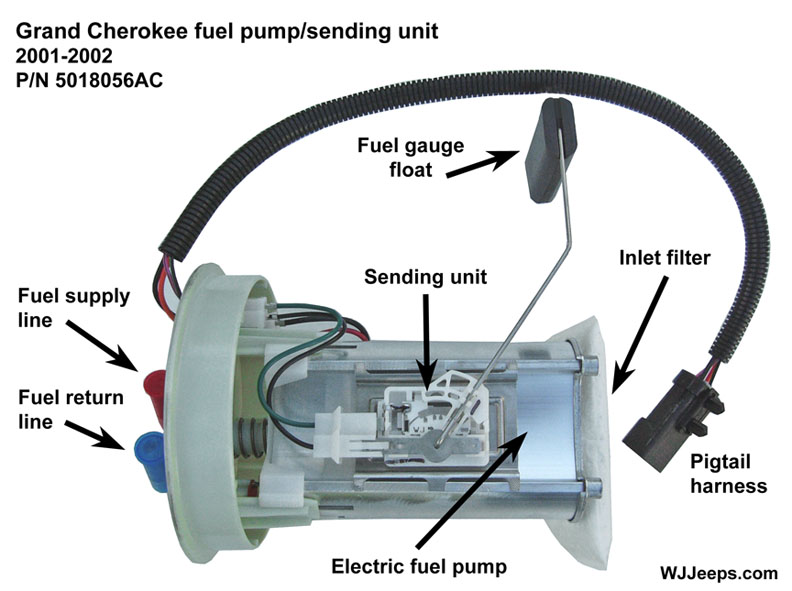
Credit: jeepspecs.com
Locate The Fuel Filter
Locating the fuel filter on a Jeep Grand Cherokee is the first step in changing it. Knowing its exact position helps you save time and avoid mistakes. The fuel filter cleans dirt and rust from the fuel. This keeps the engine running smoothly and protects it from damage.
The fuel filter is usually easy to find. It sits along the fuel line, between the fuel tank and the engine. The exact spot can change depending on the model year of the Jeep Grand Cherokee.
Locate The Fuel Filter Under The Vehicle
Most Jeep Grand Cherokees have the fuel filter under the vehicle. Look near the frame rail on the driver’s side. The filter is a small, cylindrical part connected to the metal fuel lines. It may have a plastic or metal body. Check for a canister with two fuel lines attached.
Locate The Fuel Filter In The Engine Bay
Some models place the fuel filter in the engine bay. Open the hood and find the fuel line coming from the fuel tank. The filter is near the firewall or close to the intake manifold. It looks like a small metal cylinder with two hoses attached. The fuel filter may be mounted on the engine or the inner fender.
Use The Owner’s Manual For Exact Location
The owner’s manual is a helpful guide. It shows the fuel filter location for your Jeep Grand Cherokee model. Check the maintenance or engine section. The manual also provides safety tips for handling fuel parts. Always follow the instructions in the manual.
Prepare Your Vehicle
Preparing your Jeep Grand Cherokee before changing the fuel filter is important. It helps you work safely and avoid damage. Taking time to prepare the vehicle makes the process smoother and faster.
Start by setting up a clean workspace. Clear the area around the vehicle. Gather all tools needed for the job. This preparation saves time and reduces stress.
Ensure Safety Measures
Park your Jeep on a flat surface. Turn off the engine and remove the key. Let the vehicle cool down completely. Wear safety gloves and eye protection.
Keep a fire extinguisher nearby. Avoid open flames or sparks. These steps protect you from accidents and fuel hazards.
Relieve Fuel System Pressure
Fuel system pressure must be released before working on the filter. Locate the fuel pump fuse in the fuse box. Remove the fuse carefully to stop the pump.
Start the engine and let it run until it stops. This uses up the remaining fuel pressure. Turn off the ignition after the engine stalls.
Press the fuel line quick-connect fittings slowly. This helps release any leftover pressure. Take care to avoid fuel sprays while doing this.
Remove The Old Fuel Filter
Removing the old fuel filter from your Jeep Grand Cherokee is an important step. It helps keep the fuel system clean and the engine running smoothly. This process requires care to avoid fuel spills and damage to the fuel lines. Follow these simple steps to remove the old filter safely.
Disconnect Fuel Lines
Start by relieving the fuel system pressure. This stops fuel from spraying out. Use a rag to catch any fuel drips. Carefully disconnect the fuel lines attached to the filter. Use a wrench or quick-release tool if needed. Take your time to avoid breaking the fuel lines.
Remove Mounting Bracket
Next, locate the mounting bracket holding the fuel filter in place. Use a socket or wrench to remove the bolts or screws. Keep the hardware safe for reinstallation. Gently pull the filter free from the bracket. Make sure not to spill any fuel left inside the filter.
Install The New Fuel Filter
Installing the new fuel filter on your Jeep Grand Cherokee is a key step in the fuel system maintenance. It helps keep the engine running smoothly by filtering out dirt and debris. Follow each step carefully to ensure a proper fit and avoid fuel leaks.
Start by preparing the new filter and the fuel lines. Make sure the filter matches the old one in size and type. Keep the area clean to prevent any dirt from entering the fuel system during installation.
Attach Fuel Lines
Connect the fuel lines to the new filter carefully. Push each line firmly onto the filter’s inlet and outlet ports. Check for a snug fit to stop fuel from leaking. Use clamps if your model requires them to secure the lines. Make sure the lines are not twisted or bent, as this can block fuel flow.
Secure The Filter
Place the fuel filter in its mounting bracket. Tighten the bracket or screws to hold the filter firmly in place. The filter should not move or shake during vehicle operation. Double-check the connections and mounting to ensure safety. A loose filter can cause leaks and engine problems.

Credit: bona-store.com
Check For Leaks And Test
After replacing the fuel filter on your Jeep Grand Cherokee, checking for leaks and testing the system is critical. This step ensures your vehicle runs smoothly and safely. Ignoring leaks can cause fuel loss or engine problems. Testing confirms the filter works properly and fuel flows without obstruction.
Inspect Fuel Lines And Connections
Start by visually inspecting all fuel lines and connections near the filter. Look closely for signs of wetness or drips. Tighten any loose clamps or fittings. Use a clean cloth to wipe around the filter. This helps spot fresh leaks more easily.
Start The Engine And Observe
Turn the ignition on but do not start the engine. This allows the fuel pump to push fuel through the filter. Check again for leaks at the filter and connections. Start the engine and let it run at idle. Watch closely for any fuel drips or smells.
Check Engine Performance
Listen to the engine’s sound for smooth running. Rough idling or sputtering may indicate a problem. Drive the Jeep gently to see if it accelerates well. Poor performance can signal a clogged filter or leak. Return and inspect the filter area if issues occur.
Tips For Maintaining Fuel Filter
Maintaining the fuel filter of your Jeep Grand Cherokee helps keep the engine clean. A clean fuel filter stops dirt and rust from reaching the engine. This keeps the engine running smooth and saves fuel. Regular care can also prevent costly repairs later.
Simple habits can extend the life of your fuel filter and improve your car’s performance. Follow these tips to keep your fuel filter in top shape.
Check Fuel Quality Regularly
Use clean, high-quality fuel only. Dirty or old fuel can clog the filter fast. Avoid filling gas from unknown or dirty sources.
Replace The Fuel Filter On Time
Follow the Jeep’s manual for replacement intervals. Usually, change the filter every 30,000 miles or as advised. Timely replacement prevents engine problems.
Inspect Fuel Lines And Connections
Look for cracks or leaks in fuel lines. Loose connections let dirt enter the system. Tighten and fix any issues quickly to protect the filter.
Keep The Fuel Tank Clean
Fill up the tank before it gets too low. Low fuel levels can cause sediment to clog the filter. A clean tank reduces debris in the fuel system.
Listen For Engine Warning Signs
Watch for rough idling, poor acceleration, or stalling. These signs may mean a dirty fuel filter. Address problems early to avoid bigger repairs.
Frequently Asked Questions
How Often Should I Change The Fuel Filter On Jeep Grand Cherokee?
Typically, change the fuel filter every 30,000 miles or as stated in your owner’s manual. Frequent changes improve fuel efficiency and engine performance.
What Tools Are Needed To Change Jeep Grand Cherokee Fuel Filter?
You need a wrench set, screwdriver, replacement fuel filter, safety gloves, and a container to catch fuel. Proper tools ensure a safe and quick replacement.
Can I Change The Fuel Filter Myself On Jeep Grand Cherokee?
Yes, with basic mechanical skills and tools, you can replace the fuel filter safely at home. Follow step-by-step instructions for best results.
What Are Signs Of A Clogged Fuel Filter In Jeep Grand Cherokee?
Symptoms include engine misfires, poor acceleration, difficulty starting, and reduced fuel efficiency. Timely replacement avoids further engine damage.
Conclusion
Changing the fuel filter on your Jeep Grand Cherokee keeps the engine running smooth. It helps avoid clogs and improves fuel flow. Regular replacement saves money on big repairs later. The process is simple and you can do it yourself.
Just follow the steps carefully and stay safe. Clean fuel means better performance and longer engine life. Keep your Jeep in good shape by checking the filter often. Small tasks like this make a big difference in the long run.
Easy maintenance leads to a happier, healthier vehicle.


