

Have you ever noticed those long strips running along the sides of some cars and wondered, “What does body side molding do?” You’re not alone. These simple-looking strips serve a bigger purpose than just decoration.
If you want to protect your car from scratches, dents, and everyday bumps, understanding body side molding could save you time and money. You’ll discover exactly how these moldings work, why they matter, and how they can keep your car looking great for years to come.
Keep reading—you might find out something that changes the way you care for your vehicle.
Purpose Of Body Side Molding
Body side molding serves an important role in protecting a vehicle’s exterior. It acts as a barrier that helps prevent damage to the sides of the car. This simple addition can save money on repairs and keep the car looking new for longer.
Many drivers use body side moldings to maintain the car’s appearance and value. It adds a layer of defense against everyday hazards that can cause dents and scratches. Understanding its purpose helps appreciate why it is a common feature on many cars.
Shielding Against Dents And Scratches
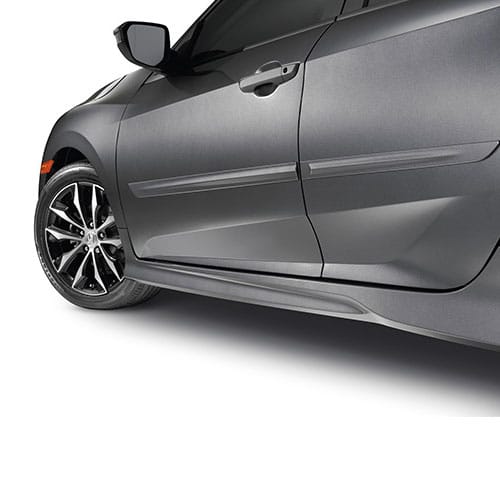
Body side molding protects the car’s doors and panels from dents. Small impacts from objects or other vehicles can leave marks. The molding absorbs most of the force, reducing damage to the paint and metal underneath.
Minimizing Door Dings
Door dings happen when nearby car doors hit your vehicle. The molding creates a buffer zone that keeps doors from making direct contact. This reduces the chances of dents and keeps the car’s side smooth and clean.
Protection From Road Debris
Road debris like stones and gravel can chip paint and scratch surfaces. Body side molding helps block these small hazards. It shields the car’s body from flying debris, keeping the paint intact and preventing rust.
Credit: www.bernardiparts.com
Types Of Body Side Molding
Body side molding comes in various types that suit different needs and styles. Each type offers unique benefits and looks. Understanding these types helps you pick the right molding for your vehicle.
These options vary in material, design, and source. Choosing wisely improves protection and appearance.
Material Options
Body side moldings use different materials like plastic, rubber, and metal. Plastic moldings are light and resist rust. Rubber moldings absorb small impacts well. Metal moldings offer strong protection and a classic look. Each material has a different feel and durability level.
Design Variations
Designs range from simple strips to shaped contours. Some moldings add texture or patterns for style. Others remain smooth and plain for a clean look. Colors also vary, matching the vehicle’s paint or contrasting for effect. Design affects both look and function.
Custom Vs. Factory Molding
Factory moldings come from the car maker. They fit perfectly and match the vehicle’s style. Custom moldings allow more creativity in shape and color. They can highlight personal taste or add unique protection. Factory parts offer reliability, while custom parts offer personality.
Installation Process
Installing body side molding requires careful steps to ensure a clean and lasting fit. The process involves preparing the car’s surface, choosing the right attachment method, and deciding between professional or DIY installation. Each step affects how well the molding sticks and how it looks on your vehicle.
Surface Preparation
Clean the car’s side thoroughly before installation. Remove dirt, grease, and old adhesive. Use rubbing alcohol or a special cleaner to make the surface dry and smooth. Proper surface preparation helps the molding stick better and prevents peeling later.
Attachment Methods
Body side moldings attach mainly in two ways: adhesive tape or clips. Most use strong double-sided tape for easy fitting. Some moldings need clips that snap into place for extra hold. Follow the product instructions to choose the right method for your molding type.
Professional Vs. Diy Installation
Professionals have tools and experience for perfect placement and fit. They can fix mistakes quickly and make the molding look factory-made. DIY installation saves money but needs patience and careful work. Reading instructions and working slowly helps get good results at home.
Enhancing Vehicle Style
Body side molding plays a key role in boosting a vehicle’s style. It is more than just protection for the doors. Molding adds a unique look that can set a car apart from others on the road.
The right style of molding can enhance the car’s shape and lines. It can make the car look sharper or smoother. This small detail helps express the owner’s personality and taste.
Color Matching And Contrasting
Body side molding comes in many colors. Some match the car’s paint exactly. This creates a smooth, unified look. Others contrast with the car’s color. This contrast makes the molding stand out more. It adds interest and draws attention to the car’s sides.
Choosing the right color can highlight the vehicle’s design features. It can make curves and edges more noticeable. Color choices help create a bold or subtle style.
Adding A Sporty Or Elegant Look
Body side molding can change the car’s mood. Thin, sleek molding gives a sporty feel. It makes the car look fast and agile. Thicker or chrome molding adds an elegant touch. It gives a luxurious and classic vibe.
The style of molding can match the vehicle’s purpose. Sporty for active drivers. Elegant for those who prefer a refined look. This small detail helps define the car’s character.
Popular Styling Trends
Many drivers follow popular trends in molding styles. Matte black molding is trendy for a modern, aggressive look. Chrome molding remains a favorite for luxury cars. Some choose body-color molding for a clean, smooth appearance.
Trends also include wider molding for more boldness. Or minimal molding for a sleek, minimalist style. These choices help keep the vehicle current and stylish.
Maintenance Tips
Body side moldings protect your car’s doors and sides from scratches and dents. Keeping them in good shape helps your vehicle look neat and lasts longer. Follow these simple tips to maintain your moldings well.
Cleaning And Care
Use mild soap and water to clean moldings. Avoid harsh chemicals that can damage the surface. Gently scrub with a soft cloth or sponge. Rinse thoroughly and dry with a clean towel. Regular cleaning stops dirt buildup and fading.
Repairing Damage
Small scratches can be fixed with plastic polish or scratch remover. For cracks or dents, use a filler made for plastic parts. Sand the area lightly and paint to match the color. Repairing early prevents bigger problems later.
Replacing Moldings
Replace moldings if they are broken or missing. Buy parts made for your car model. Remove old moldings carefully to avoid paint damage. Attach new moldings using the right clips or adhesive. Proper replacement keeps your car’s side protected and stylish.

Credit: autoparts.heisertoyota.com
Cost Considerations
Considering the cost of body side molding helps you plan your budget. Knowing the prices and benefits can guide your decision. This section breaks down the main cost factors and where to buy them.
Pricing Factors
Prices vary based on material, brand, and vehicle model. Plastic moldings are cheaper than chrome or metal ones. Custom or branded moldings usually cost more. Installation fees add to the total price. Damaged or old vehicles might need extra work. These factors influence the final cost significantly.
Cost Vs. Benefit Analysis
Body side molding protects your car from dents and scratches. It can save money on paint repairs later. The cost may seem high but prevents bigger expenses. Moldings also improve the car’s look. A small investment can keep your vehicle in better shape longer.
Where To Buy
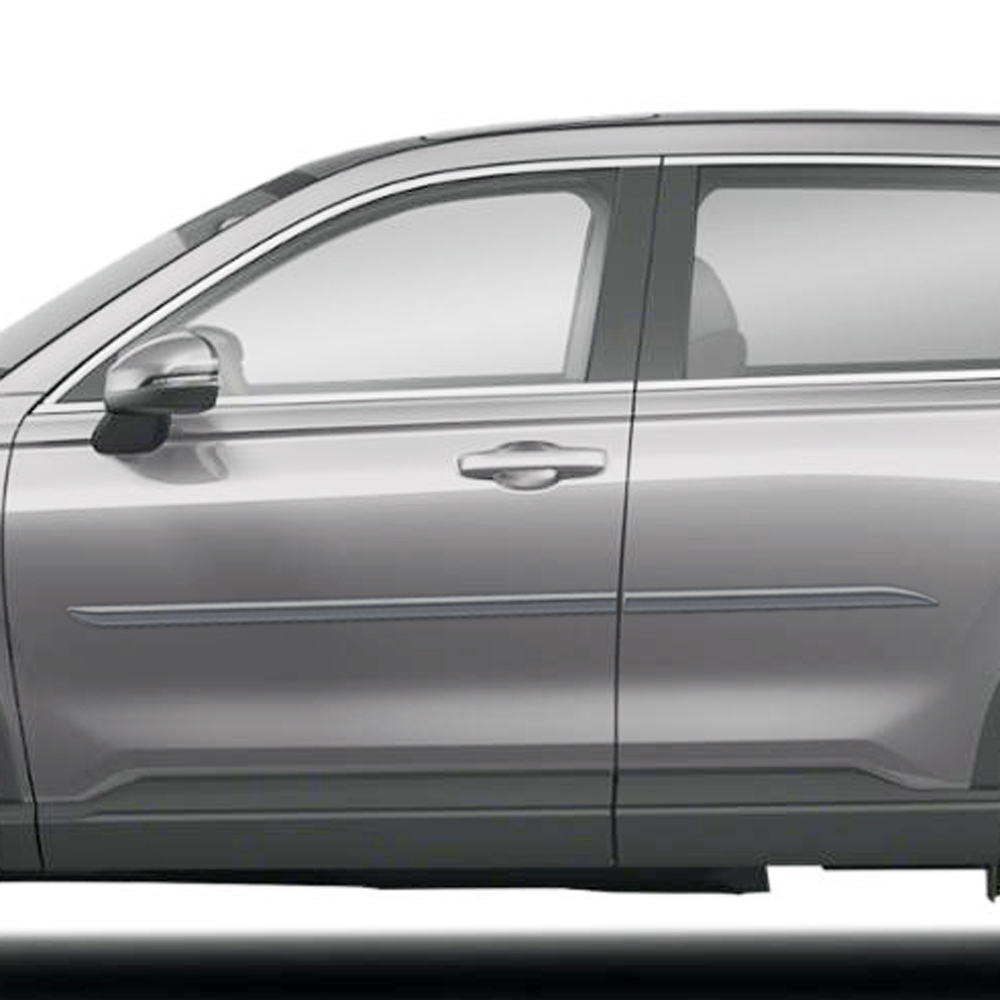
Auto parts stores often carry body side moldings. Online shops offer more variety and sometimes better prices. Buying from the car manufacturer ensures a perfect fit. Some local mechanics sell and install moldings too. Compare prices and check reviews before buying.
Credit: www.sportwing.com
Frequently Asked Questions
What Is The Primary Function Of Body Side Molding?
Body side molding protects a vehicle’s doors from dents and scratches. It absorbs minor impacts and prevents paint damage. This helps maintain the car’s appearance and resale value. It acts as a barrier against parking lot dings and road debris.
How Does Body Side Molding Improve Vehicle Appearance?
Body side molding adds style and dimension to a car’s profile. It enhances the look by breaking up large, flat surfaces. This molding can match or contrast with the paint color. It gives the vehicle a more polished and finished appearance.
Can Body Side Molding Prevent Costly Car Repairs?
Yes, body side molding reduces the risk of dents and scratches. By absorbing impacts, it lowers repair and repaint costs. It protects the vehicle’s side panels from damage caused by other car doors. This saves money on bodywork in the long run.
Are Body Side Moldings Easy To Install Or Replace?
Most body side moldings are simple to install or replace. They typically attach with clips or adhesive tape. Installation can be done without professional help in many cases. Proper alignment ensures effective protection and enhances the vehicle’s look.
Conclusion
Body side molding protects your car from dents and scratches. It also adds a neat look to the vehicle’s sides. This simple part helps keep your car’s paint safe from small impacts. It can save you money on repairs later.
Choosing the right molding fits your car’s style and needs. Easy to install and maintain, it adds value too. A small addition with big benefits for your car. Consider body side molding as a smart, practical choice.


