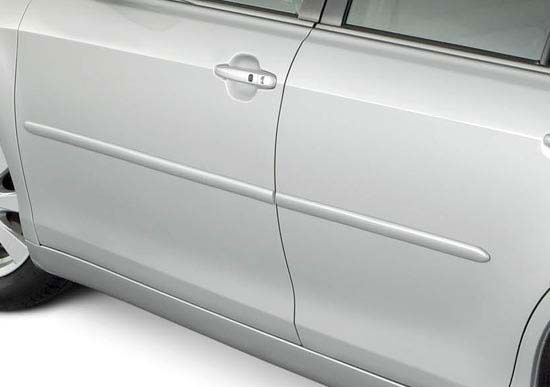
Have you ever noticed those slim strips running along the sides of cars? That’s body side molding, and it’s more important than you might think.
If you want to protect your vehicle from scratches, dents, and everyday wear, understanding what body side molding is for can save you time, money, and frustration. You’ll discover how this simple addition can keep your car looking sharp and maintain its value.
Keep reading to find out why body side molding could be exactly what your vehicle needs.
Purpose Of Body Side Molding
Body side molding serves a clear and important purpose for any vehicle owner. It acts as a protective barrier along the sides of a car. This small addition can save a lot of trouble and expense. It helps keep the car looking newer for longer by reducing damage to the doors and panels.
Protection Against Door Dings
Door dings are common in parking lots. They happen when another car door hits your vehicle. Body side molding absorbs the impact. This stops dents from forming on the car’s surface. It keeps the doors smooth and clean.
Shielding From Scratches And Minor Impacts
Scratches happen easily from keys, bags, or shopping carts. Body side molding creates a shield against these small harms. It protects the paint and metal underneath. Even minor bumps become less harmful with this layer of defense.
Preserving Vehicle’s Paintwork
Paint is the car’s first line of defense against rust and wear. Body side molding prevents chips and cracks in the paint. It helps maintain the vehicle’s original look. This preservation also helps keep the car’s value higher over time.
Design And Style Benefits
Body side molding adds more than protection to a vehicle. It also boosts its design and style. These moldings create a sleek, finished look on the car’s body. They bring a sense of character and sharpness. Many drivers use them to give their cars a fresh, updated feel.
Choosing the right side molding lets owners express their style. These parts come in various shapes and sizes. They can highlight the car’s lines and curves. This simple upgrade can change a vehicle’s overall look dramatically.
Enhancing Vehicle Appearance
Body side moldings add visual interest to plain car panels. They break up large, flat spaces on doors and sides. This adds depth and texture. The moldings catch light differently, making the car stand out. They also create a sportier or more elegant look depending on the design.
Customizing With Colors And Finishes
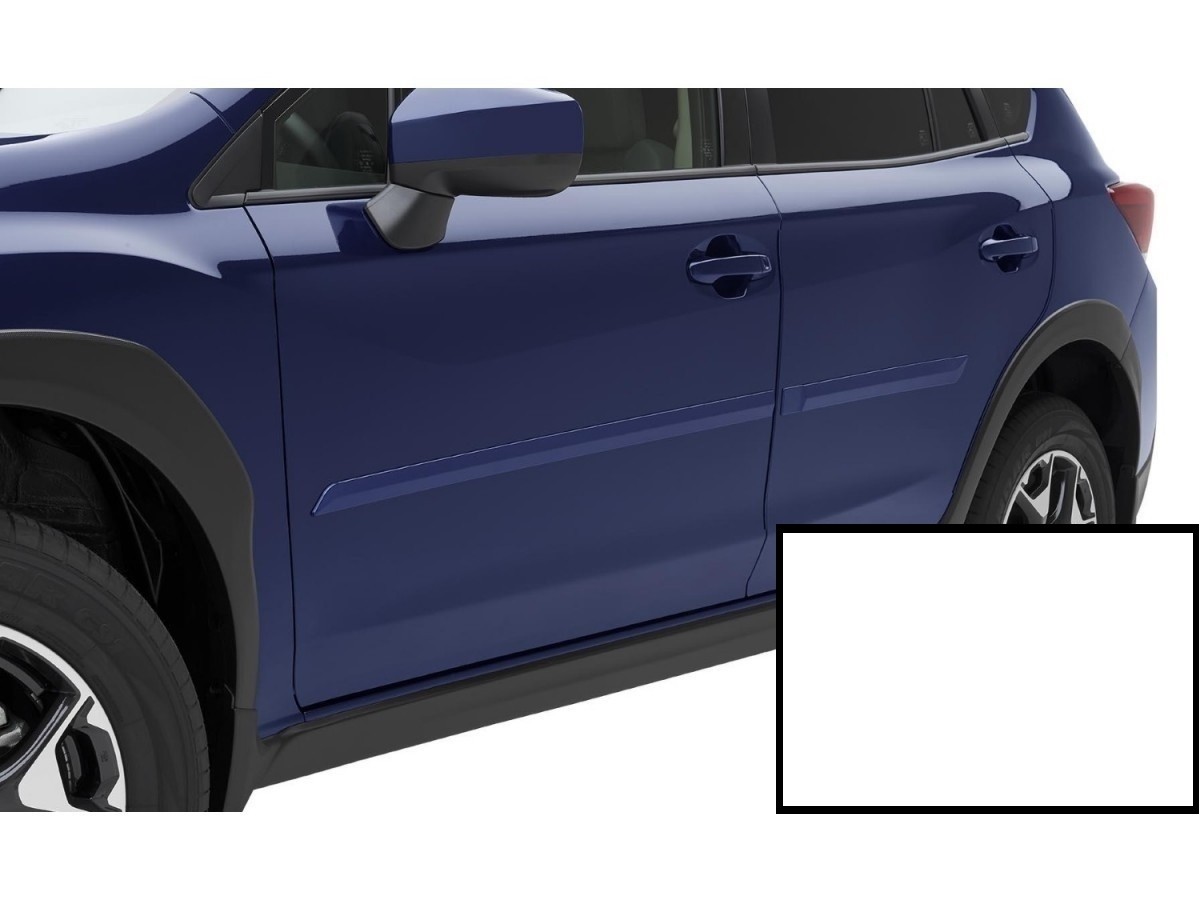
Side moldings come in many colors and finishes. Owners can choose black, chrome, or body-color moldings. Matte and glossy options also exist. These choices help match the car’s style or create contrast. Colorful moldings can make the vehicle look unique and eye-catching.
Matching With Other Car Accessories
Body side moldings fit well with other car accessories. They can match door handles, mirrors, and trim pieces. This creates a balanced and coordinated design. When matched well, the vehicle looks thoughtfully styled and neat. It shows attention to detail in the car’s appearance.
Types Of Body Side Molding
Body side molding comes in different types. Each type serves a unique purpose. Choosing the right type can protect your car and enhance its look. Understanding the options helps you make a smart choice.
This section explains the main types of body side molding. Learn about materials, styles, and fit options.
Material Options: Plastic, Rubber, Metal
Plastic molding is light and affordable. It resists rust and works well in many cars. Rubber molding absorbs impacts and prevents dents. It adds a soft layer of protection. Metal molding is strong and durable. It often gives a classic, polished look but can rust if not cared for.
Styles: Flush, Raised, Decorative
Flush molding sits flat against the car’s surface. It keeps a smooth appearance. Raised molding sticks out slightly to offer extra protection from door dings. Decorative molding adds style with patterns or shapes. It can make your car look unique and stand out.
Universal Vs. Custom Fit
Universal molding fits many car models. It is easy to install and costs less. Custom fit molding matches the exact shape of your car. It provides better protection and a cleaner look. Choosing custom fit usually means higher quality and durability.
Installation Process
The installation process of body side molding is simple but requires care. Proper installation ensures the molding fits well and lasts long. Follow clear steps to get the best results.
Preparing The Surface
Clean the car’s side where the molding will attach. Use soap and water to remove dirt and grease. Dry the area fully to help the adhesive stick. Remove any old adhesive or paint flakes. Use rubbing alcohol for a final wipe. The surface must be smooth and dry before starting.
Tools And Adhesives Needed
Gather the right tools for a smooth installation. You will need a clean cloth, rubbing alcohol, and a tape measure. Use a strong double-sided automotive tape or adhesive designed for car moldings. A plastic trim tool helps press the molding without damage. Keep scissors or a knife handy to trim the tape.
Step-by-step Application Tips
Measure the length of the molding and mark the car side. Peel off a small part of the tape backing to start. Align the molding carefully with the marks. Press it firmly against the car surface. Slowly peel the rest of the backing while pressing the molding in place. Use the plastic tool to press evenly along the edges. Avoid touching the adhesive too much. Let the adhesive set for a few hours before washing the car.
Maintenance And Care
Body side moldings protect your car from dents and scratches. Proper maintenance keeps them looking new and effective. Regular care prevents damage and extends their life. Here are easy ways to maintain and care for your body side moldings.
Cleaning Techniques
Use a soft cloth or sponge to clean moldings. Mild soap and water work best. Avoid harsh chemicals that can damage the surface. Rinse thoroughly to remove all soap. Dry the moldings with a clean towel to prevent water spots. Clean moldings regularly to avoid dirt buildup.
Repairing Damage
Small scratches can be fixed with touch-up paint. For deeper dents, use a plastic repair kit. Follow the instructions carefully for the best results. Replace moldings if damage is severe. Repairing early stops damage from getting worse.
Longevity Tips
Park in shaded areas to reduce sun damage. Avoid hitting curbs or obstacles that can scratch moldings. Apply a protective wax or sealant twice a year. Check moldings often for signs of wear. Proper care helps moldings last for years.
Credit: www.customautotrim.com
Common Mistakes To Avoid
Body side molding adds style and protection to your vehicle. Avoiding common mistakes helps keep it effective and looking good. Many people make errors that reduce molding’s lifespan and appearance. Knowing what to avoid saves time and money.
Incorrect Placement
Placing body side molding in the wrong spot can look messy. It may not protect the car’s sides well. Measure carefully before attaching molding. Follow the car’s lines and curves. Proper placement ensures a neat, professional look.
Using Poor Quality Materials
Cheap molding materials break or fade quickly. They do not handle weather well. Invest in good quality molding for durability. Quality materials keep your car safe from dings. They also maintain the vehicle’s value longer.
Neglecting Surface Preparation
Not cleaning the car surface causes molding to peel off. Dirt and grease stop glue from sticking. Clean the area thoroughly before installing molding. Use rubbing alcohol or a suitable cleaner. Proper surface prep helps molding stay firm and last longer.
Cost And Value Considerations
Considering cost and value is important before choosing body side molding for your car. This choice affects your budget and the overall look of your vehicle. Understanding the price and benefits helps make a smart decision.
Price Range Overview
Body side moldings vary in price based on material and brand. Basic plastic moldings start around $20 to $50 per piece. Higher-end moldings with chrome or metal finishes can cost $100 or more each. Installation fees may add $50 to $150 depending on the shop.
Balancing Protection With Style
Body side moldings protect against door dings and scratches. They act as a shield in tight parking spots. At the same time, they add a stylish line along your car’s sides. Choose moldings that match your car’s color and design for best results.
Resale Value Impact
Adding body side moldings can increase your car’s resale appeal. Buyers often see them as a sign of good care. Moldings that are well installed and match the car can boost value slightly. Poorly done or mismatched moldings might lower interest.
Credit: www.subarupartspros.com

Credit: autoparts.toyota.com
Frequently Asked Questions
What Is The Purpose Of Body Side Molding?
Body side molding protects a vehicle’s doors and panels from dents and scratches. It acts as a buffer against minor impacts. This helps maintain the car’s appearance and resale value by preventing damage in tight parking spaces.
How Does Body Side Molding Enhance Car Appearance?
Body side molding adds a stylish line along the vehicle’s side. It can complement the car’s design and color. This gives the vehicle a sleek, finished look while also adding a layer of protection.
Can Body Side Molding Prevent Door Dings?
Yes, body side molding reduces door dings by absorbing impacts. It creates a cushion between your car and other objects. This minimizes damage in crowded parking lots or narrow spaces.
Is Body Side Molding Easy To Install?
Body side molding is usually easy to install with adhesive backing or clips. It often requires no special tools or professional help. Installation can be completed quickly to enhance protection immediately.
Conclusion
Body side molding helps protect your car from dents and scratches. It also adds a clean look to the vehicle’s sides. This simple feature can save money on repairs over time. Many drivers choose it for both style and function.
Understanding its use helps you care for your car better. Keep your car looking good and safe with body side molding. It’s a small detail that makes a big difference.