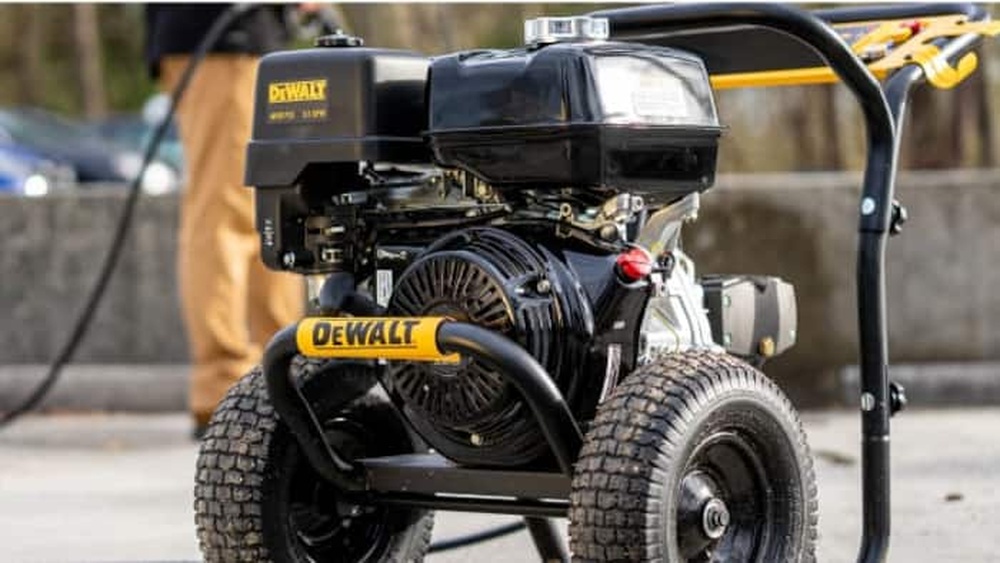
Looking for the best pressure washer for your car? You want a tool that cleans thoroughly without damaging the paint or delicate parts.
Choosing the right pressure washer can save you time, effort, and money on car care. But with so many options out there, how do you find the one that fits your needs perfectly? Keep reading, and you’ll discover exactly what to look for to keep your car sparkling clean and protected every time.
Key Features For Car Pressure Washers
Choosing the best pressure washer for cars means knowing the key features that protect your vehicle. These features ensure a safe, effective clean without damage. Understanding them helps you pick the right tool for your needs.
Focus on the pressure, water flow, ease of use, spray options, and detergent use. Each factor affects cleaning power and car safety. Below are the most important features to check.
Optimal Pressure Levels
Pressure washers for cars need the right pressure to clean well. Too much pressure can harm paint and delicate parts. Aim for 1200 to 1900 PSI. This range removes dirt without damage.
Water Flow Rate
Water flow rate shows how much water the washer uses. Measured in gallons per minute (GPM), it affects cleaning speed. A flow rate of 1.2 to 1.6 GPM is ideal for cars. Enough water to wash quickly without wasting it.
Portability And Weight
Lightweight and portable models make washing easier. You can move around your car without strain. Look for compact designs with wheels or handles. This helps reach all car parts easily.
Nozzle Options
Multiple nozzle types improve cleaning flexibility. Different spray patterns suit various surfaces and dirt levels. A 25-degree nozzle is good for general cleaning. A 40-degree nozzle is gentler for sensitive areas.
Detergent Compatibility
Some pressure washers allow detergent use. Detergents help remove tough grime and grease. Check if the washer has a soap tank or detergent injector. Use car-safe detergents to protect paint and finish.

Credit: www.obsessedgarage.com
Types Of Pressure Washers
Pressure washers come in different types. Each type has its own power source and features. Choosing the right type helps clean your car better and easier.
Understanding these types helps you pick the best pressure washer for your needs. Here are the main types of pressure washers used for cars.
Electric Pressure Washers
Electric pressure washers are popular for car cleaning. They are lightweight and easy to use. These models plug into a power outlet. They work well for light to medium cleaning jobs.
Electric washers produce less noise than gas models. They need less maintenance. The water pressure is usually enough to remove dirt and grime from cars.
Gas Pressure Washers
Gas pressure washers run on gasoline. They are more powerful than electric ones. These washers work well for heavy-duty cleaning.
Gas models are portable and do not need an electric outlet. They are louder and heavier. These washers need regular maintenance to run well.
Battery-powered Models
Battery-powered pressure washers offer great freedom. They do not need cords or gas. These models are easy to carry around.
Battery washers work well for small cars and quick cleaning. The battery life limits cleaning time. They are quiet and require low maintenance.
Top Pressure Washers For Cars
Finding the right pressure washer helps keep cars clean and shiny. Different washers suit different needs. Some are powerful for big jobs, others are small and easy to use.
Below are some top pressure washers for cars. Each fits a specific purpose and budget.
Best Overall Model
This model offers strong pressure and good water flow. It cleans dirt and grime quickly. It works well on all car sizes. Easy controls make it user-friendly for beginners.
Best Budget Option
Affordable but still effective. Ideal for light use and small cars. It has decent pressure to remove common dirt. Compact design saves storage space.
Best For Small Cars
Designed with gentle pressure to protect paint. Lightweight and easy to handle. Perfect for quick washes and tight spaces. Saves water without losing cleaning power.
Best For Large Vehicles
Strong motor and high pressure for trucks and SUVs. Covers large surfaces fast. Comes with long hoses for easy reach. Built to handle tough dirt and mud.
Best Lightweight Model
Easy to carry and store. Good for quick cleanups and travel. Delivers enough pressure for daily washing. Fits in small garages or closets.
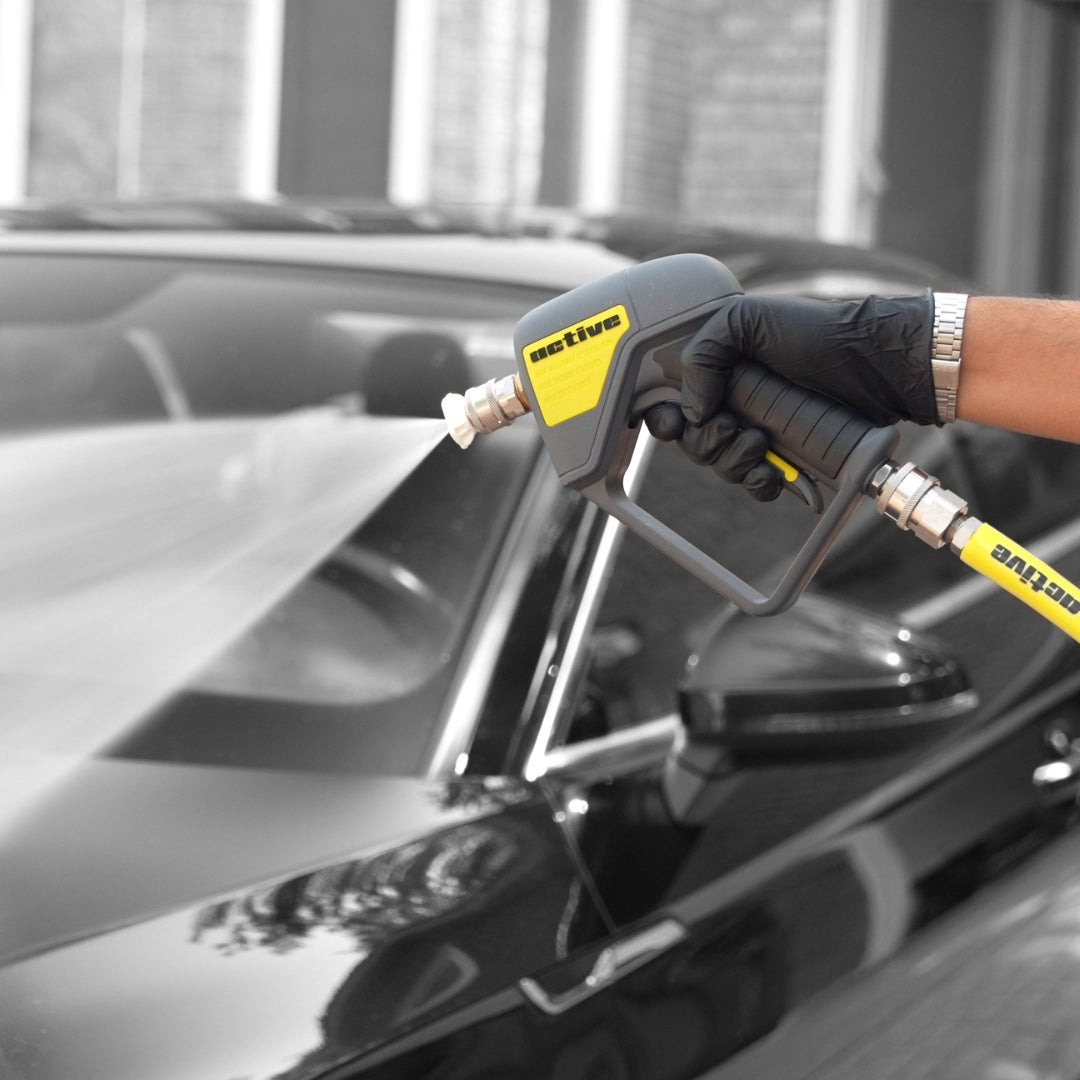
Credit: activeproducts.com
Maintenance Tips For Pressure Washers
Maintaining a pressure washer keeps it working well for a long time. A well-kept machine cleans cars better and saves money on repairs. Follow easy steps to care for your pressure washer.
Regular Cleaning
Clean the pressure washer after each use. Remove dirt and debris from the nozzle and hose. Use a soft brush to clear small parts. This stops blockages and keeps water flow strong. Check and clean the filter regularly to avoid damage.
Proper Storage
Store the pressure washer in a dry place. Avoid cold areas where water can freeze inside the machine. Drain all water from hoses and pump before storage. Cover the machine to protect it from dust and rain. Proper storage stops rust and other damage.
Troubleshooting Common Issues
If the pressure washer won’t start, check the power source first. Look for clogged nozzles if water pressure drops. Tighten loose connections to stop leaks. Clean or replace worn-out parts on time. Quick fixes help avoid bigger problems later.
Safety Tips When Using Pressure Washers
Using a pressure washer for cars can make cleaning fast and effective. Safety is very important while using these powerful tools. The water pressure can hurt you or damage your car if not handled correctly. Follow key safety tips to protect yourself and keep your car’s paint safe.
Protective Gear
Always wear safety glasses to protect your eyes from flying debris. Gloves keep your hands safe from strong water jets. Wear closed shoes to avoid slipping or injuries. Long pants and sleeves shield your skin from water spray. Dress properly before starting the pressure washer.
Safe Operating Practices
Read the user manual before using the machine. Hold the wand firmly to control the spray. Never point the nozzle at people, animals, or electrical parts. Keep a safe distance between the nozzle and the car surface. Turn off the machine when not in use or moving it. Use low pressure settings to reduce risks.
Avoiding Damage To Car Paint
Start washing from the top of the car and move downwards. Keep the nozzle at least 12 inches away from the paint. Avoid spraying directly on delicate parts like mirrors and lights. Use a wide spray pattern to prevent paint damage. Test the pressure on a small, hidden area first. Clean with soap made for cars to protect the finish.

Credit: www.youtube.com
Frequently Asked Questions
What Pressure Rating Is Ideal For Washing Cars?
A pressure rating between 1200 and 1900 PSI is ideal. It cleans effectively without damaging car paint or decals. Higher pressure may harm delicate surfaces.
Which Nozzle Type Works Best For Car Cleaning?
A 25-degree or 40-degree nozzle works best. They provide a wide spray pattern that removes dirt gently. Avoid narrow nozzles that cause paint damage.
Are Electric Pressure Washers Good For Cars?
Yes, electric washers are perfect for cars. They offer sufficient pressure, are lightweight, and quieter. Plus, they require less maintenance than gas models.
How Important Is Water Flow Rate For Car Washers?
Flow rate matters because higher GPM rinses better. A flow rate of 1. 2 to 1. 5 GPM balances cleaning power and water conservation well.
Conclusion
Choosing the best pressure washer for cars depends on your needs. Consider power, size, and ease of use. A good washer saves time and cleans well. Protect your car’s paint with the right pressure. Don’t forget to check customer reviews before buying.
A reliable washer makes car cleaning simple and fast. Take your time to find the best fit for you. Clean cars look better and last longer. Simple tools can make a big difference. Start with what fits your budget and needs.